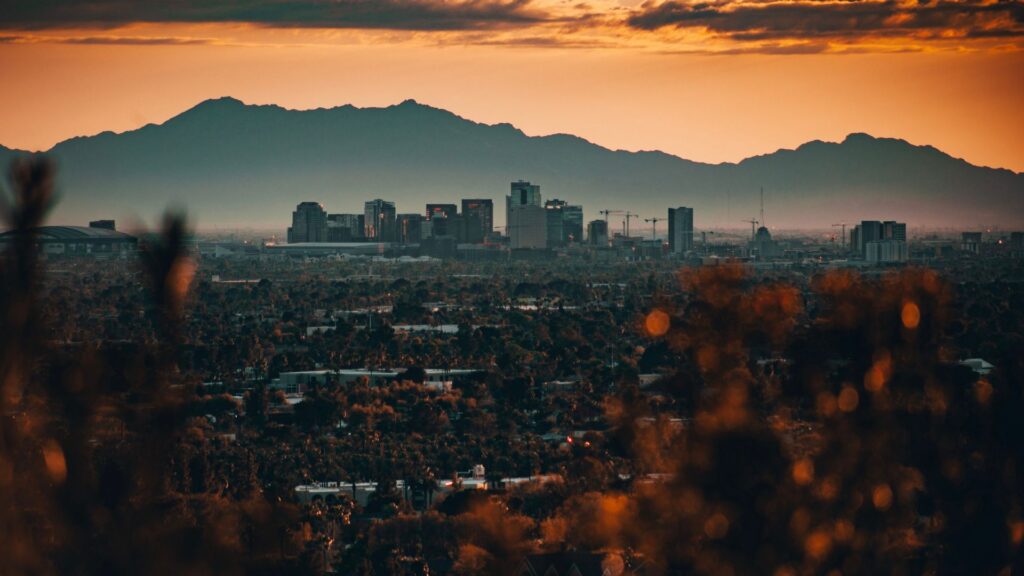

A Chandler personal injury attorney can protect your claim when an accident leaves you facing treatment, missed work, insurance pressure, and questions about what happens next. Justice On Demand represents injured people across Chandler, including crashes near Loop 202, Arizona Avenue, Price Road, Ray Road, and Chandler Boulevard. We review fault, searches for every available insurance policy, gathers records, and deal with insurers before they build the claim around incomplete facts.
Insurance companies often begin their review before an injured person knows the full medical outcome. An adjuster may request a recorded statement, ask for broad medical access, or offer money before testing reveals the full injury. Christian Pedersen helps clients respond through medical records, scene evidence, witness accounts, employment documents, and policy information. That approach keeps the claim focused on what happened and how the injury changed the client’s work, health, and daily routine.
Justice On Demand handles car crashes, commercial truck accidents, motorcycle collisions, rideshare claims, and slip and fall injuries throughout Chandler. We offer free consultations, stays available 24 hours a day, and handle injury cases on a contingency fee basis. You pay no attorney fees unless we recover compensation for you. Call (480) 934-0676 to discuss your case with a Chandler injury lawyer.
How Soon Should You Contact a Chandler Personal Injury Attorney

Contacting a Chandler personal injury attorney early gives the lawyer time to find records before they disappear. You do not need a final diagnosis or a complete stack of medical bills before asking Justice On Demand to review the claim. Early contact can help when the other driver changes the story, a store removes a hazard, or an insurer starts requesting information.
The best time to get legal guidance often arrives before a formal dispute begins. A business may keep surveillance footage for only a limited period. A damaged vehicle may undergo repairs. A witness may forget the exact lane position or signal phase. Christian Pedersen can identify what requires immediate action and what can wait until the medical picture becomes clearer.
Take These Steps After an Accident in Chandler
Your first priority should remain your health. Seek medical attention when you feel pain, dizziness, numbness, weakness, confusion, limited movement, or any other concerning symptom. Tell the provider where you feel discomfort and what movements have become difficult.
Next, preserve the information already available to you. Save photographs, contact details, insurance letters, repair estimates, medical instructions, work restrictions, and receipts. You do not need to collect every possible record before contacting Justice On Demand. A short list of known facts can give us enough information to begin.
Report the Accident to the Proper Party
A vehicle collision may require a police report and insurance notice. A fall inside a store, hotel, apartment complex, or restaurant should be reported to management. Ask for the incident report number or the name of the employee who took the report.
Keep your description factual. State where the event happened, what you observed, and what hurt. Do not guess about speed, distance, fault percentages, or medical diagnoses.
Photograph Conditions Before They Change
Photographs can preserve details that later records fail to capture. After a crash, take images of vehicle positions, impact points, debris, lane markings, traffic controls, and surrounding businesses. After a fall, photograph the floor, stairs, walkway, lighting, warning signs, and the route you used.
Use both close and wide images. A close image may show liquid, broken pavement, or damaged material. A wider image may show whether shelves, cars, lighting, or foot traffic blocked the danger from view.
Save Damaged Property and Clothing
Do not throw away a cracked helmet, torn jacket, damaged shoes, broken phone, child restraint, or other item connected to the accident. Those objects may help explain how the impact or fall occurred.
Keep the item in its post-accident condition when practical. Photograph it before repairs, cleaning, or disposal. In a motorcycle case, damaged riding gear may show contact points that support the injury history.
Avoid Early Insurance Mistakes
Insurance adjusters often call within days. They may ask for a recorded statement, medical authorization, settlement release, or broad description of the injury. These requests may appear routine, yet each one can affect the claim.
A Chandler personal injury attorney can handle those communications. Justice On Demand can provide necessary information without forcing you to estimate facts or release unrelated records.
Recorded Statements Can Create Lasting Problems
A recorded statement may cover prior injuries, work duties, medications, seat belt use, footwear, weather, and conversations at the scene. The insurer can compare every answer with later records.
Suppose you say your shoulder feels better on a day when pain medication reduced the symptoms. The adjuster may later describe that statement as proof of recovery. A lawyer can place medical changes within the full treatment timeline.
Broad Medical Releases Can Reach Unrelated Records
Some insurance authorizations allow access to years of records from several providers. The carrier may search for an old complaint involving the same body part or an unrelated condition that it can use to reduce value.
Justice On Demand can gather records tied to the injury without giving the insurer unrestricted access to private medical history. This controlled approach keeps the review focused on records that relate to the accident and claimed harm.
Preserve Chandler Evidence Before It Disappears
Chandler injury claims can depend on records held by police, businesses, property managers, trucking companies, rideshare platforms, employers, and medical providers. Each source uses different retention practices. Waiting can leave the claim without records that once existed.
A crash near Loop 202 may involve changing traffic patterns, nearby businesses, private dashcams, and electronic vehicle information. A fall near Chandler Fashion Center may involve several cameras, employee inspection routines, and maintenance records. The evidence plan should match the accident type and location.
Chandler Traffic Evidence May Clarify Fault
Intersection crashes often produce competing accounts about signal color, turn arrows, lane placement, and right-of-way. A driver may claim the light remained green. Another may say the vehicle entered late.
A Chandler accident lawyer can compare signal information, scene photographs, vehicle damage, and witness positions. The physical evidence may fit one version better than the other.
Signal Timing Does Not Answer Every Question
Traffic signal information may show the programmed order and length of phases. It may not prove the exact color shown at the moment of impact.
Other records can fill that gap. Nearby business video, dashcam footage, witness accounts, and the location of the collision may narrow the timing. The goal is to combine the records rather than depend on one source.
Road Construction Can Change the Scene
Construction work may move barriers, signs, lane markings, equipment, and temporary traffic controls. A scene that looks one way on the accident date may look different the following week.
Photographs taken soon after the event can preserve those conditions. Contracts, work logs, and inspection reports may identify who controlled the setup.
Chandler Police Records May Include Separate Materials
The first police report often contains driver details, insurance information, witness names, citations, weather, and a short event summary. It may not include every document tied to the crash.
Separate materials may include photographs, dispatch information, supplemental reports, audio, or video. The availability of each item depends on what officers collected and what the department retains.
Police Reports Can Contain Errors
An officer may record the wrong insurance company, misspell a name, omit a witness, or draw a diagram that lacks detail. Officers often arrive after the impact and rely on what people tell them.
A report can still provide a useful starting point. Repair records, photographs, witness statements, and medical notes may correct or explain an incomplete entry.
Citations Do Not End the Fault Review
A traffic citation can support the claim, but insurers still conduct their own investigation. The carrier may argue that another driver shared fault or had time to avoid the crash.
Justice On Demand can place the citation beside the physical evidence. That full review matters when the insurer tries to reduce recovery through Arizona comparative fault rules.
Contact a Lawyer When Treatment Changes
Many injuries become clearer over time. A person may leave urgent care with a strain diagnosis, then develop numbness, headaches, weakness, or reduced movement. A later MRI or specialist visit may identify a deeper problem.
You do not need to wait for that entire progression before contacting a Chandler personal injury attorney. Justice On Demand can begin with the records available and update the claim as treatment develops.
Report New Symptoms to Medical Providers
Tell the provider about changes in pain, movement, sensation, balance, sleep, memory, or concentration. Do not attempt to diagnose yourself. Describe the symptom and when it began.
For example, a passenger hurt near Price Road and Queen Creek Road may first report shoulder pain. Two days later, the passenger may notice tingling in the hand. That change may lead the provider to order different testing.
Treatment Records Should Reflect Real Limits
General statements about pain provide little detail. Tell the provider when you cannot lift, sit, stand, drive, sleep, bend, or complete work duties.
These details help the provider make treatment decisions. They also create a record of how the injury affected daily function.
Treatment Gaps Need an Honest Explanation
Insurers often question missed appointments. A gap may occur because of work, transportation, cost, referral delays, childcare, or provider availability.
Keep messages, scheduling records, and work documents that explain the problem. A truthful explanation can prevent the carrier from treating a practical barrier as proof that the injury resolved.
Do Not Wait for the Filing Deadline
Arizona gives injured people two years to file many personal injury actions. The exact deadline can change based on the parties and facts. Waiting close to the deadline leaves little time to identify defendants, gather records, and prepare court documents.
Insurance negotiations do not automatically stop the filing period. An adjuster may continue requesting records while the deadline approaches. A verbal promise to review more information may not protect the right to file suit.
Public Entity Claims Can Carry a 180 Day Notice Rule
Claims involving a public entity, public school, or public employee can require a notice of claim within 180 days after the claim accrues. The notice must identify the basis of liability and include a specific settlement amount supported by facts.
These rules may apply to city vehicles, government-controlled property, school district employees, or public works projects. Six months can pass quickly during medical treatment.
The Correct Public Defendant Must Receive Notice
A road, sidewalk, drainage area, school property, or transit location may look public without showing which agency controls it. The City of Chandler may control one area, while another agency controls the property beside it.
Sending notice to the wrong party may create a serious problem. A Chandler injury lawyer can review ownership, maintenance duties, contracts, and employment relationships before the deadline.
The Settlement Amount Requires Support
The notice must provide a specific amount for which the claim can settle. A vague range may not satisfy the rule.
Known medical expenses, income loss, treatment status, and expected care may affect that figure. Early contact gives Christian Pedersen time to investigate and prepare the notice with available support.
Understand Chandler Personal Injury Attorney Fees
Justice On Demand offers free consultations. Speaking with we do not require you to hire an attorney or file a lawsuit.
We handle personal injury cases on a contingency fee basis. You do not pay attorney fees upfront. The attorney fee depends on a recovery through settlement or judgment.
Attorney Fees and Case Expenses Are Different
Attorney fees compensate the lawyer for legal work. Case expenses may include filing fees, record charges, deposition costs, investigators, or professional reviews.
Ask how the agreement treats these costs. Christian Pedersen can explain the fee terms before you sign.
No Recovery Means No Attorney Fee
Justice On Demand does not charge an attorney fee unless we recover compensation. The written agreement controls the details of the arrangement.
A free consultation gives you a chance to ask about fees, expenses, communication, and the first steps in the case.
Which Cases Does a Chandler Personal Injury Attorney Handle
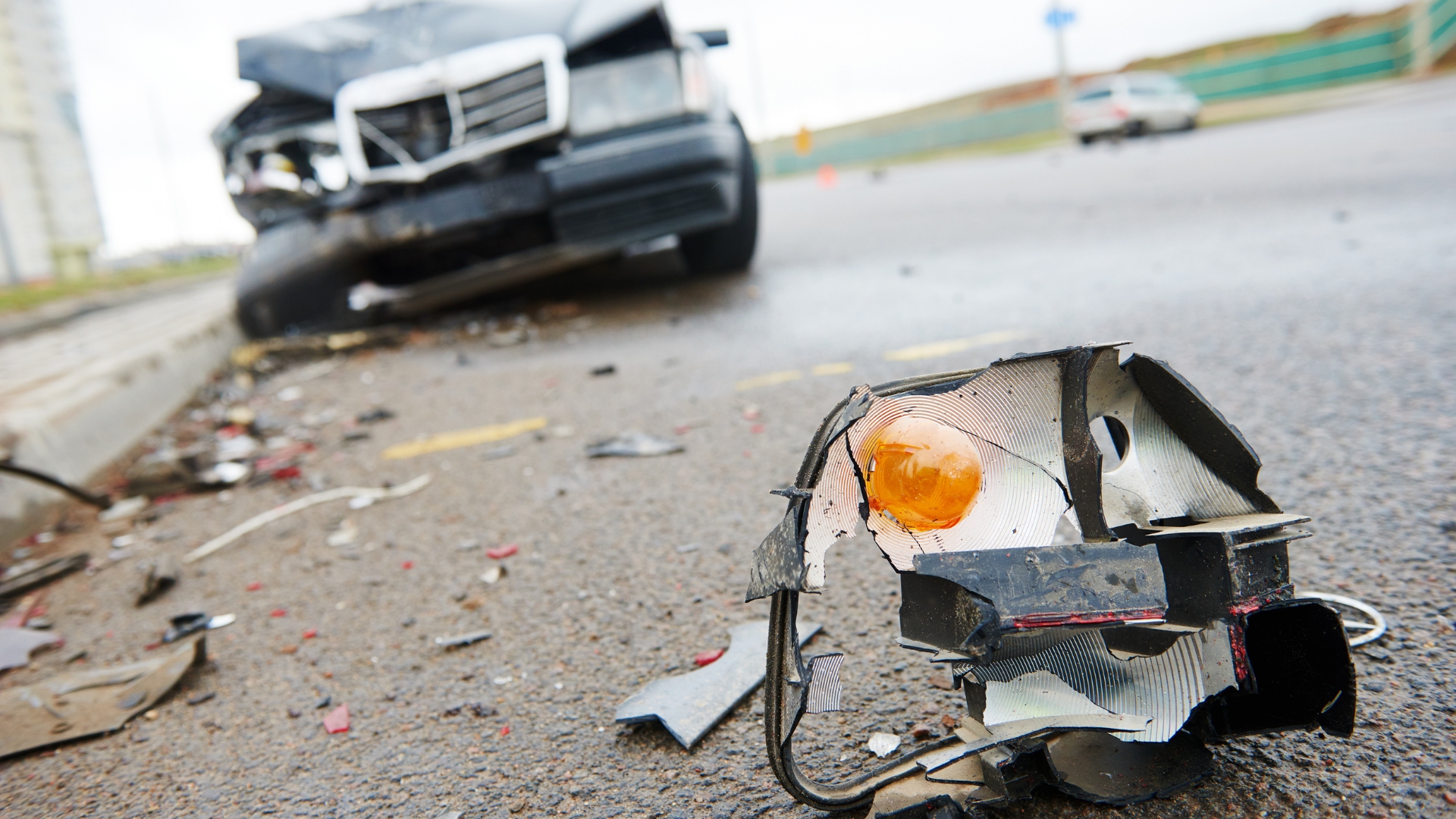
Justice On Demand handles claims arising from roadway collisions, commercial transportation, motorcycle crashes, rideshare use, and dangerous property conditions. A Chandler personal injury attorney must identify the evidence and insurance issues that make each claim different.
A car crash may turn on signal timing and vehicle damage. A truck case may require dispatch records and maintenance files. A rideshare claim may depend on app status. A fall may depend on how long the hazard existed and who controlled the property.
Car Accident Lawyer in Chandler
A car accident lawyer in Chandler handles claims involving drivers, passengers, pedestrians, vehicle owners, employers, and insurance companies. Cases may involve rear-end impacts, left turns, red lights, lane changes, distracted driving, uninsured motorists, or several vehicles.
Chandler car accident claims can become disputed even when one driver receives a citation. The insurer may question speed, braking, visibility, signal timing, or whether the injured person shared fault.
Intersection Crashes Need a Precise Timeline
Busy intersections along Arizona Avenue, Chandler Boulevard, Ray Road, and Alma School Road can produce opposite accounts. One driver may say a protected arrow remained green. Another may say the turn began after the light changed.
Vehicle contact points, debris, scene photographs, and witness locations can help establish movement. Signal data and nearby video may narrow the timing.
Vehicle Damage Can Test Driver Statements
Front-corner damage may support an unsafe turn or lane entry. Broadside damage may show that one vehicle crossed another vehicle’s path.
Repair estimates may reveal frame movement, suspension damage, sensor problems, or hidden structural harm. These findings can add detail that roadside photographs miss.
Rear-End Claims Still Face Defenses
The rear driver’s insurer may argue that the lead vehicle stopped suddenly, changed lanes, reversed, or had defective brake lights. These defenses require evidence.
Dashcam footage, witness statements, brake-light inspections, phone records, and roadway conditions can show whether the rear driver followed too closely.
Traffic Conditions Can Explain the Stop
Traffic near Loop 202 ramps and major intersections can slow quickly. A driver may brake for congestion, a signal, a pedestrian, or another vehicle.
The reason for the stop can make the braking event predictable. A following driver must leave enough room to respond to ordinary traffic changes.
Uninsured and Underinsured Coverage May Apply
An uninsured motorist claim may arise when the at-fault driver has no valid insurance or cannot be identified after a hit-and-run. Underinsured motorist coverage may apply when the driver’s limits cannot cover the full injury loss.
The injured person’s own insurer may still dispute fault, treatment, or claim value. It does not automatically pay the requested amount because the policyholder files a claim.
Review Coverage Before Signing a Release
A settlement with the at-fault carrier may affect a later underinsured motorist claim. Policy terms and notice requirements can matter.
A Chandler car accident lawyer can review the policies before the client signs a release. That review helps protect possible recovery sources.
Truck Accident Lawyer in Chandler
A truck accident lawyer in Chandler handles claims involving tractor-trailers, box trucks, delivery vehicles, construction trucks, utility vehicles, and commercial vans. These cases often involve several businesses and insurance policies.
The driver may work for a contractor. Another company may own the vehicle. A separate provider may handle maintenance. Justice On Demand reviews the relationships before focusing the claim on one defendant.
Commercial Records Can Reveal Pre-Crash Conduct
Truck cases may create dispatch messages, GPS records, delivery scans, inspection reports, repair invoices, and electronic logs. These records can show what happened before impact.
A driver may say traffic caused the crash. Company records may show missed maintenance, long work hours, rushed deliveries, or prior mechanical complaints.
Logs Should Match Independent Records
Electronic logs can show driving time, rest periods, and duty changes. Fuel receipts, toll records, delivery timestamps, and phone data can confirm or contradict those entries.
A mismatch may show an inaccurate log or unreported work. The full record matters more than one document.
Dispatch Messages May Show Business Pressure
A business may push a driver to finish a route within a narrow delivery window. Messages may show schedule pressure after delays.
That pressure can help explain speeding, skipped inspections, or continued driving after fatigue. It does not prove the entire claim by itself, but it may support the broader evidence.
Maintenance Failures Can Add Another Defendant
Commercial vehicles require regular inspection and repair. Brake wear, tire damage, steering problems, lighting failures, and coupling defects can affect control.
Maintenance responsibility may rest with the carrier, vehicle owner, leasing company, or outside repair provider.
Brake and Tire Records Can Explain the Crash
Brake records may show repeated complaints, worn components, or missed service dates. Tire records may show age, repairs, low tread, or continued use after a known problem.
Preserving the truck and damaged parts can protect evidence. Repairs completed before inspection may remove signs of the defect.
Employer Liability Depends on Actual Control
A business may face liability for an employee acting within job duties. Contractor labels do not always answer who controlled the work.
Contracts, payroll records, route assignments, equipment ownership, and supervision can show the real relationship. These details may affect both liability and insurance coverage.
Branding Does Not Prove Ownership
A truck may display a national company’s name while a local contractor owns and operates it. Another vehicle may lack branding but work entirely for one business.
Registration records and operating agreements can identify the actual owner and employer.
Motorcycle Accident Lawyer in Chandler
A motorcycle accident lawyer in Chandler handles claims involving left turns, unsafe lane changes, rear impacts, distracted driving, road hazards, and motorists who fail to see riders.
Insurance companies may focus on the rider’s speed, helmet, lane position, or riding history. Justice On Demand examines the movement that created the danger and the physical evidence left at the scene.
Left-Turn Crashes Need Sightline Evidence
A driver turning across a motorcycle’s path may say the rider appeared suddenly. Roadway visibility, lighting, parked vehicles, signs, landscaping, and traffic flow can test that claim.
Local roads such as Gilbert Road, Arizona Avenue, and Dobson Road include commercial entrances and busy turn lanes. A driver with a limited view may need to wait before crossing traffic.
Skid Marks Can Show Rider Reaction
A rider may brake, steer away, or lay the motorcycle down to avoid direct contact. Skid and scrape marks may show where the response began.
These marks can counter a claim that the rider took no action. They may show how little time the driver left for a safe response.
Motorcycle Damage Can Explain Impact Direction
Bent forks, wheel damage, broken controls, scraped engine covers, and handlebar damage can show how the motorcycle contacted the vehicle or roadway.
A Chandler motorcycle accident attorney can compare those parts with helmet damage, scene marks, and the other vehicle’s impact point.
Preserve Helmets and Riding Gear
Do not discard a damaged helmet, jacket, gloves, boots, or pants. Torn material, crushed padding, and abrasions may show contact points.
Visible helmet damage can support head contact. A clean exterior does not rule out concussion symptoms such as headaches, memory problems, dizziness, nausea, or light sensitivity.
Road Hazards Can Create Separate Claims
Loose gravel, uneven pavement, potholes, standing water, metal plates, and poorly marked lane shifts can destabilize a motorcycle.
A construction zone may involve a public agency, general contractor, subcontractor, or traffic-control company. Work logs and contracts can show who controlled the condition.
Scene Conditions Can Change Overnight
Crews may move barriers, clean debris, replace signs, or resurface the roadway. Photographs taken soon after the crash can preserve the original setup.
A prompt investigation can identify the project and request records before the work enters another phase.
Rideshare Accident Lawyer in Chandler
A rideshare accident lawyer in Chandler handles claims involving Uber and Lyft drivers, passengers, pedestrians, cyclists, and people in other vehicles. These cases require a fault review and an insurance status review.
Coverage may change when the driver logs in, accepts a trip, travels to a pickup, or carries a passenger. The exact app status at impact can decide which insurer responds.
Save the Rideshare Trip Information
Passengers should save the receipt, driver profile, route map, pickup time, messages, and trip status. Screenshots can preserve information that becomes harder to access later.
A person in another vehicle should photograph the license plate and rideshare markings. Write down any statement about an active pickup or passenger.
Platform Data Can Confirm App Status
The rideshare company may store login time, trip acceptance, route activity, and passenger status. These records can confirm or contradict the driver’s account.
Justice On Demand can compare the electronic timeline with the police report and client screenshots.
Insurers May Shift Responsibility
The personal auto carrier may deny coverage because the driver used the vehicle for paid rides. The platform carrier may claim the app was inactive.
Written coverage positions can reveal the exact reason for the denial. A Chandler rideshare accident lawyer can compare that reason with the policy language and trip data.
Passenger Claims Still Need Fault Evidence
Passengers usually do not control either vehicle. Still, each carrier may blame the other driver.
Vehicle damage, reports, witness accounts, and traffic evidence can establish fault without forcing the passenger to reconstruct every movement.
Slip and Fall Accident Lawyer in Chandler
A slip and fall accident lawyer in Chandler handles claims involving stores, restaurants, apartments, hotels, parking areas, offices, and other properties. These claims often turn on notice, property control, inspection practices, and warnings.
A report written after the fall may describe the injury but say little about how the hazard developed. Surveillance footage, maintenance records, inspection logs, and prior complaints may tell the fuller story.
Store Falls Require a Hazard Timeline
A spill may appear seconds before a fall or remain for a longer period. Footprints, cart tracks, drying edges, dirt, and employee activity may help show the condition’s age.
Video may show when the hazard began, who passed through the area, and whether an employee noticed it.
Inspection Logs Should Match the Video
A written log may show that an employee checked the aisle shortly before the incident. Camera footage may show no inspection.
That conflict can weaken the property owner’s account. Justice On Demand can compare written procedures with what employees actually did.
Warnings Must Match the Actual Danger
A cone placed behind a spill may not warn someone approaching from another direction. A sign hidden by merchandise may provide little help.
Photographs should show the injured person’s walking route. Lighting, shelves, parked cars, and foot traffic may affect visibility.
Close Photographs Can Mislead
A hazard may look obvious in a close photograph taken after the fall. The injured person may have approached from a darker area or had the view blocked.
Wide photographs and surveillance footage can provide the missing context.
Maintenance History Can Prove Prior Notice
Leaking refrigeration units, broken stairs, loose railings, damaged pavement, and poor lighting may produce repeated complaints.
Repair invoices, work orders, resident messages, and vendor records can show earlier notice. A closed work order does not always prove the repair worked.
Property Control May Involve Several Businesses
An owner may lease space to a tenant. A management company may handle inspections. A vendor may maintain the equipment that caused the hazard.
Contracts can identify who controlled the condition and who accepted maintenance duties.
What Happens During a Chandler Personal Injury Claim
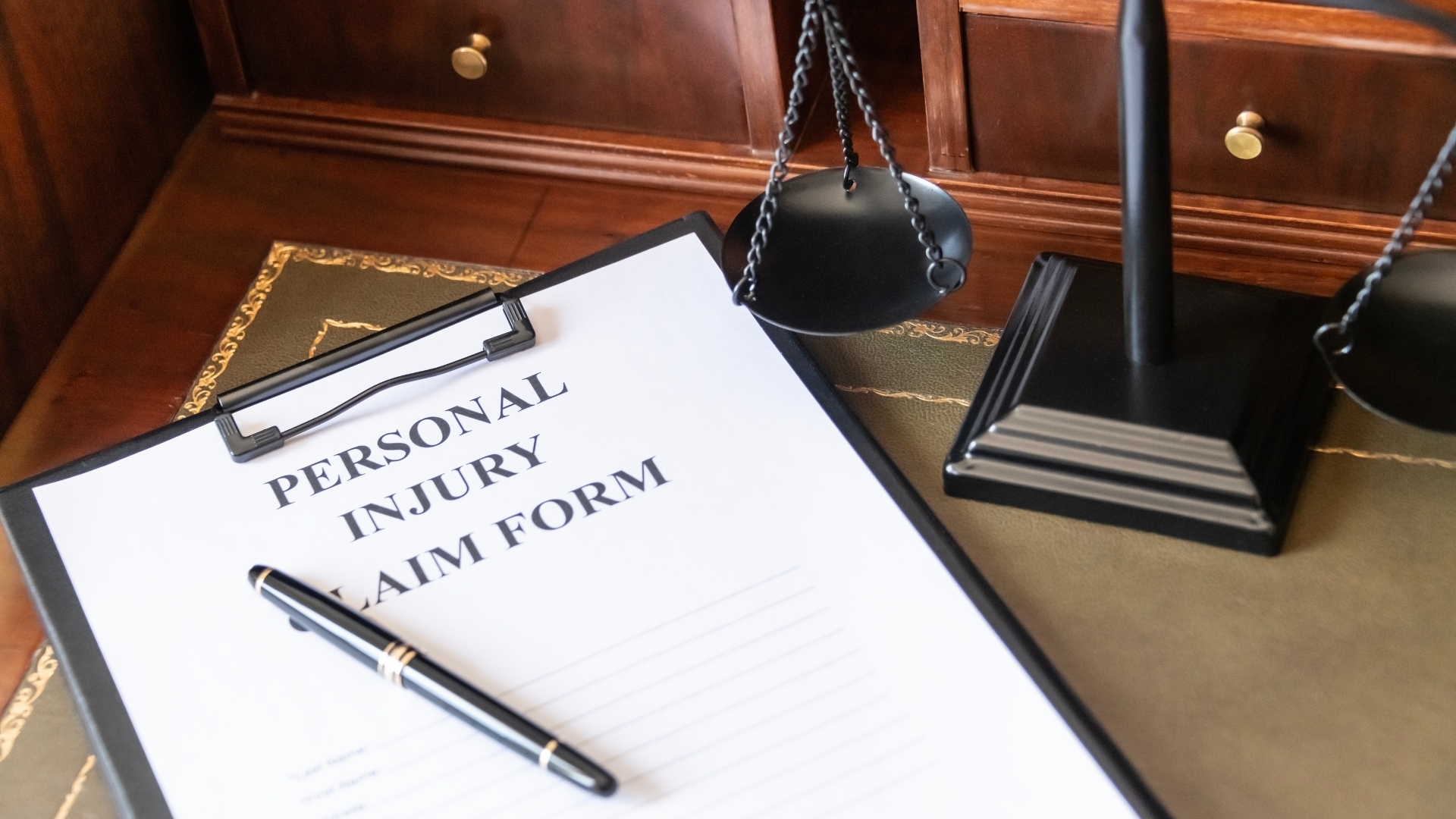
A Chandler personal injury claim moves through investigation, treatment review, insurance analysis, valuation, negotiation, and possible litigation. The order can change based on the accident and medical status.
Justice On Demand begins by identifying urgent issues. We may need to preserve video, inspect a vehicle, request company records, or prepare a public entity notice.
The First Review Sets the Case Direction
Christian Pedersen reviews the accident location, medical care, insurance contact, witnesses, and available documents. Clients do not need a complete file before the consultation.
A report number, photograph, insurance letter, discharge sheet, or repair estimate may provide enough information to begin.
We Identify Every Responsible Party
The person who caused the injury may not be the only defendant. An employer, property owner, contractor, vehicle owner, or maintenance provider may share responsibility.
Ownership records, contracts, employment documents, and policies can reveal those relationships.
Several Parties Can Increase Available Coverage
A commercial vehicle may carry business insurance beyond the driver’s personal policy. A property case may involve coverage held by the owner, tenant, or contractor.
We review each possible policy before settlement discussions narrow the claim.
Evidence Builds the Liability Position
Justice On Demand gathers records that explain how the accident happened. We may use photographs, reports, video, electronic data, witness statements, repair records, or business documents.
Each source should answer a specific question. One photograph may show visibility. One record may show who controlled the property. One witness may confirm the signal color.
Arizona Comparative Fault Can Reduce Recovery
Arizona follows pure comparative negligence. An injured person can still recover when partly at fault, but the recovery may fall by that percentage.
For example, a claimant found 20 percent responsible would face a 20 percent reduction. Insurance companies may use this rule to assign blame beyond what the evidence supports.
Fault Percentages Should Match Actual Conduct
A carrier may focus on one detail, such as speed, footwear, or attention, while ignoring the conduct that created the danger.
Justice On Demand compares each blame argument with the full accident sequence. Fault should reflect what each person actually did.
Medical Care Documents the Injury
Doctors, therapists, and other providers create the record of symptoms, diagnoses, tests, restrictions, and treatment.
The first visit may not contain the final diagnosis. New symptoms or testing may change the treatment plan.
Preexisting Conditions Need a Before and After Comparison
An old injury does not automatically defeat the claim. The question often centers on whether the accident caused a new condition or worsened an earlier one.
Earlier records may show mild symptoms without work loss. Later records may show new imaging findings, stronger pain, or different care.
Honest Disclosure Protects the Claim
Tell Christian Pedersen about prior treatment and earlier accidents. Hidden information can create credibility problems.
Early disclosure gives us time to gather the correct records and address the issue before the insurer does.
Justice On Demand Evaluates the Claim
Claim value depends on documented losses, available coverage, fault, treatment, and future needs. No standard calculator can determine the result.
We review each loss category and compares it with the supporting records.
Medical Expenses Require a Full Billing Review
Medical bills may include ambulance care, emergency treatment, imaging, therapy, medication, injections, and surgery.
Billing statements can show charges, insurance adjustments, liens, and remaining balances. One statement may not show the complete payment history.
Future Care Needs Medical Support
Future treatment may include therapy, specialist visits, procedures, surgery, or equipment.
Provider recommendations and treatment estimates can support those needs. The claim should explain why the future care relates to the accident.
Lost Income Requires Employment Proof
Pay stubs, schedules, employer letters, tax records, and leave statements can document missed work.
Self-employed clients may use invoices, contracts, bank records, and earlier earnings history.
Reduced Earning Capacity Looks Forward
A person may return to work yet remain unable to perform the same duties. Permanent lifting, standing, driving, or sitting restrictions can limit future income.
Larger claims may require vocational or economic review.
Settlement Demands Present the Claim
Once the medical picture becomes clear enough, Justice On Demand can prepare a demand package. The package explains fault, injuries, treatment, financial losses, and future needs.
Sending the demand too early may omit later care. Waiting without a reason can slow the claim.
Insurers May Respond With a Low Offer
The carrier may dispute fault, medical necessity, treatment length, wage loss, or future care. It may test whether financial pressure leads the client to accept less.
Justice On Demand can request the basis for the valuation and respond with focused evidence.
Settlement Offers Require Careful Review
Accepting a settlement usually requires a release. The release may end claims against the covered parties.
The client should understand the amount, deductions, liens, and claims being released before signing.
A Lawsuit May Follow Failed Negotiations
Filing suit may become necessary when the insurer denies fault or refuses to offer an amount supported by the records.
A lawsuit does not guarantee trial. Many cases settle after the parties exchange more information.
Discovery Opens Access to Records and Testimony
Discovery allows each side to request documents, written answers, and testimony. A business may need to produce training files, contracts, policies, video, or maintenance records.
The injured person may answer questions about treatment, work, prior claims, and daily activities.
Depositions Require Direct and Honest Answers
A deposition records testimony under oath. Lawyers may ask about the accident, medical history, employment, and current limits.
Justice On Demand prepares clients for likely topics. Guessing can create problems, so direct answers work best.
Chandler Injury Claims Can Take Different Amounts of Time
Some claims resolve within months. Others take longer because of treatment, disputed liability, several defendants, limited coverage, or litigation.
A lawyer cannot give an accurate timeline from the accident type alone. The medical course and insurer response often control the pace.
Treatment Often Affects Settlement Timing
Settling before the medical picture becomes clear can leave future care unpaid. We may wait for testing, specialist review, or a stable treatment plan.
That wait should serve a purpose. The claim should continue moving through evidence gathering and insurance review.
Litigation Adds Formal Deadlines
A lawsuit adds pleadings, disclosures, discovery, depositions, mediation, and trial preparation.
Court schedules and defendant responses affect timing. Justice On Demand keeps clients informed as those dates develop.
What Compensation Can Chandler Injury Victims Recover
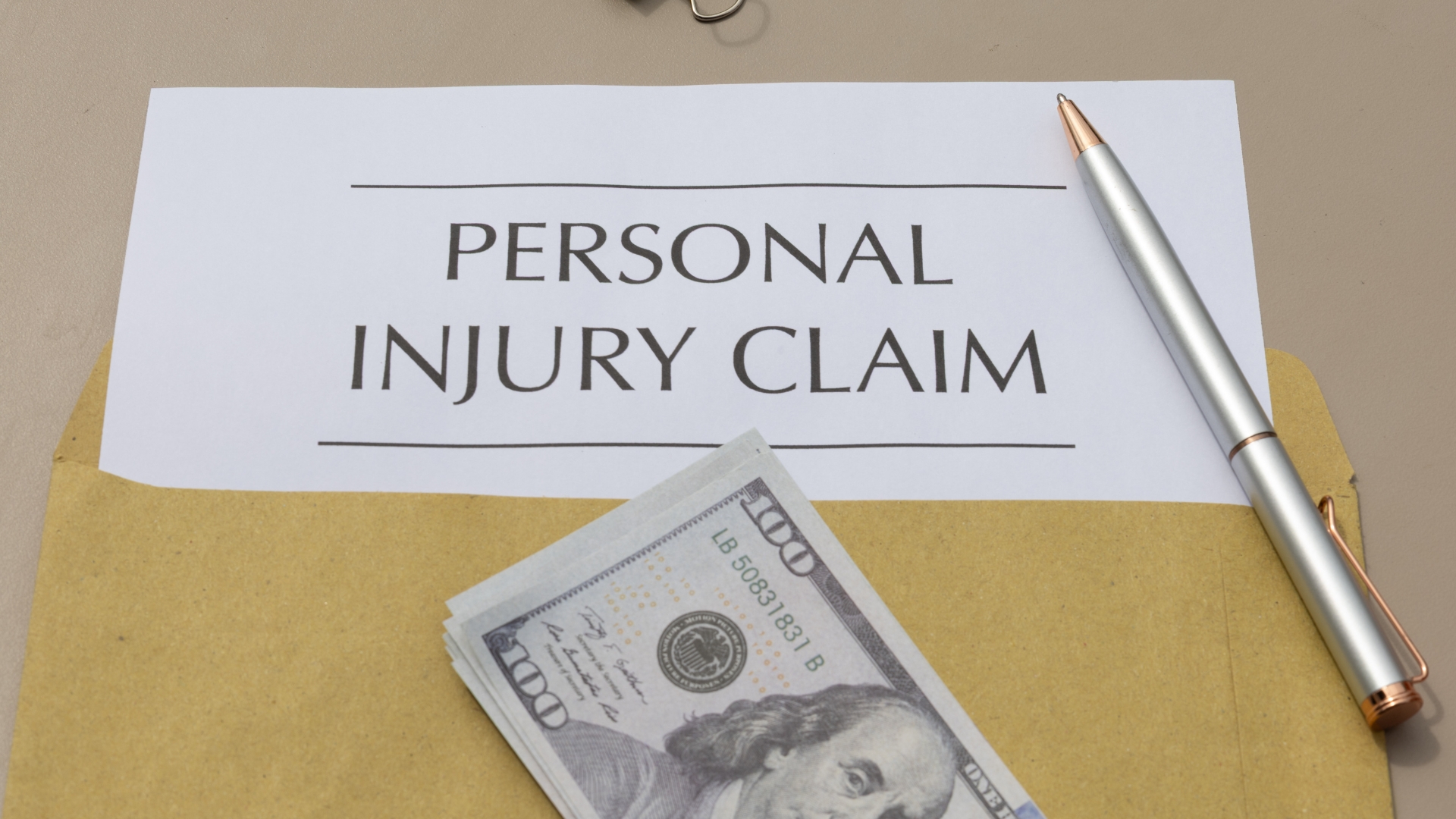
Compensation in a Chandler personal injury claim depends on the losses the accident caused. The claim may include medical expenses, income loss, future care, pain, daily limits, and property damage.
The available insurance and fault allocation can affect the practical recovery. A serious injury may exceed a driver’s policy limits, which makes coverage investigation especially important.
Medical Expenses Can Include Future Care
A claim may include emergency treatment, hospital care, imaging, therapy, medication, injections, surgery, and specialist visits.
Future medical care may become part of the claim when providers expect continuing treatment.
Medical Liens Can Affect the Final Payment
A provider may place a lien on the claim. Health insurers, Medicare, or Medicaid may seek reimbursement in certain cases.
The gross settlement does not equal the client’s net recovery. Justice On Demand reviews balances and repayment claims before distribution.
Billing Errors Should Be Checked
Duplicate charges, incorrect balances, and payment errors can occur.
Updated statements and payment histories can help prevent overpayment from settlement funds.
Lost Wages Cover More Than Missed Paychecks
An injured person may lose wages, overtime, bonuses, commissions, or self-employment income.
Used sick leave and vacation time can still represent a loss. Employment records can show the hours consumed because of treatment or recovery.
Serious Injuries Can Reduce Future Earnings
A person may return to work with permanent limits. A warehouse worker may no longer lift heavy items. A driver may struggle to sit for long periods.
The claim may include reduced earning capacity when the injury narrows future job options or income.
Career Changes Need Evidence
Work restrictions, vocational assessments, earnings history, and employer records may support the claim.
A general concern about future work is not enough. The evidence should connect the medical limits with the job impact.
Pain and Daily Limits Can Form Part of the Claim
Physical pain, sleep disruption, reduced mobility, anxiety, and loss of normal activities may affect compensation.
These losses need concrete examples. Medical notes, calendars, family observations, and client records can show what changed.
Specific Daily Changes Carry More Meaning
A client may no longer carry groceries, sit through a shift, drive children to school, exercise, or complete household work.
These examples explain the injury in practical terms. They show harm that medical bills do not capture.
Recovery Journals Can Preserve Details
A brief journal can record symptoms, appointments, missed events, sleep problems, and tasks the client could not complete.
Entries should remain honest and consistent. Exaggeration can weaken credibility.
Wrongful Death Claims Involve Different Losses
When an accident causes death, Arizona law allows certain surviving family members or the personal representative to pursue a wrongful death claim.
These cases may involve funeral costs, lost financial support, loss of companionship, and the family’s emotional harm.
The Proper Claimant Must Bring the Case
Not every relative has the same legal right to file. The family structure and estate status can affect who acts.
Justice On Demand can review the relationships and explain the proper claim path.
Fatal Accidents Need Early Evidence Preservation
Commercial records, vehicle data, video, and scene evidence may become central when the injured person cannot provide an account.
Early investigation helps preserve independent proof before records disappear.
Insurance Limits Can Restrict Recovery
A claim may carry a value greater than the available policy. When that happens, the lawyer must search for other responsible parties and coverage.
Employer policies, commercial insurance, rideshare coverage, uninsured motorist protection, and underinsured motorist coverage may expand the available sources.
Comparative Fault Can Reduce the Award
Arizona reduces recovery by the injured person’s percentage of fault. A strong liability record can help prevent an insurer from assigning an unfair percentage.
Settlement Value and Case Value Are Not Always the Same
A claim may involve serious losses yet face limited coverage or disputed liability. Justice On Demand considers both the documented harm and the practical sources of payment.
Contact a Chandler Personal Injury Attorney at Justice On Demand

Insurance companies can begin building their position before you finish your first round of treatment. Justice On Demand can review the accident, identify missing records, examine insurance coverage, and explain which deadlines require attention.
Christian Pedersen works directly with injured clients and offers free consultations 24 hours a day. We handle personal injury cases on a contingency fee basis, so you pay no attorney fees unless Justice On Demand recovers compensation.
Call (480) 934-0676 or contact us to have a Chandler personal injury attorney review your next step before a deadline, release, or insurance decision limits your options.