
A Mesa personal injury attorney can take over the legal work when an injury disrupts your health, income, transportation, and daily routine. Justice On Demand represents people hurt in vehicle crashes, commercial truck collisions, motorcycle wrecks, rideshare accidents, and dangerous property incidents. Attorney Christian Pedersen reviews how the event happened, which insurance policies may apply, and what evidence can support the losses that followed.
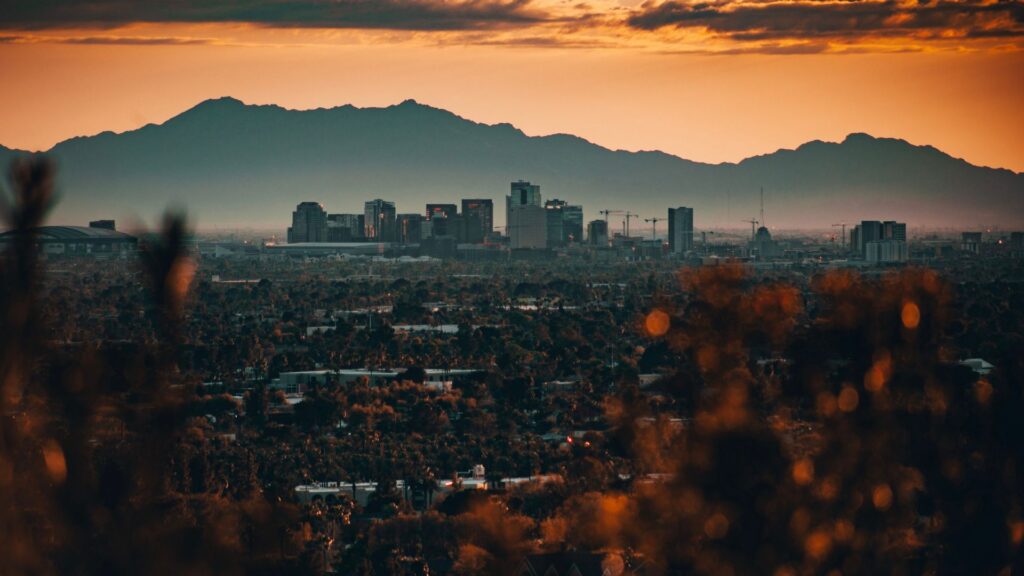
Mesa accident claims often begin on busy roads such as US 60, Loop 202, Baseline Road, Southern Avenue, or Power Road. Others begin inside stores, apartment communities, restaurants, parking lots, and commercial buildings. Soon after the incident, an insurer may request a statement or offer money before your doctors know whether you need more care. A Mesa personal injury attorney can manage those requests, preserve useful records, and keep the claim focused on documented facts.
Justice On Demand offers free consultations, accepts calls 24 hours a day, and handles injury claims without upfront attorney fees. Learn more about Christian Pedersen and Justice On Demand, or call (480) 934-0676 to discuss your Mesa accident claim.
Why Should You Hire a Mesa Personal Injury Attorney

Legal help can become valuable before an insurer denies the claim. The first problems often involve missing information, uncertain coverage, incomplete treatment records, or pressure to accept an early offer. A Mesa personal injury attorney can identify those issues and decide which ones need immediate attention.
Justice On Demand starts with the event itself. A collision near an interchange may require vehicle data, signal information, and several insurance claims. A fall at a Mesa business may require store video, cleaning records, and contracts that identify who controlled the property. The legal plan should fit the accident instead of following a generic checklist.
You Need Answers Before Making Insurance Decisions
Adjusters often contact injured people within days of an accident. They may sound helpful and ask questions that appear routine. Still, the carrier’s goal involves evaluating its financial exposure and finding reasons to reduce payment.
You may not know the full diagnosis during that first conversation. You may not know whether another insurance policy applies. You may not know how long the injury will affect your job. A Mesa personal injury attorney can review the claim before you provide information or sign documents that affect your position.
Recorded Statements Can Create Unfair Disputes
An adjuster may ask you to describe the collision, your symptoms, and your prior health. A short answer can later appear inconsistent when new symptoms develop or additional facts surface.
For example, you may report soreness the morning after a crash. Two days later, you may develop numbness, headaches, or radiating pain. The insurer may treat the difference as a changed story instead of a developing medical condition.
Early Statements Should Stay Within Known Facts
You do not need to guess about distance, speed, or medical outcomes. A careful statement should separate what you remember from what still requires investigation.
Justice On Demand can review the available report, photographs, and treatment notes before deciding how to respond. This preparation reduces the chance that an incomplete statement controls the claim months later.
Medical Releases May Reach Unrelated Records
Insurers often request signed medical authorizations. Some forms allow broad access to years of treatment that has no connection to the accident.
The carrier may search for prior back pain, headaches, knee treatment, or shoulder complaints. It may then argue that every current symptom existed before the new incident.
Relevant History Requires an Accurate Comparison
A prior condition does not automatically defeat an injury claim. A person can suffer a new injury or a measurable aggravation of an earlier problem.
The useful question asks what changed. Records may show that you worked full duty before the accident but needed restrictions afterward. They may show that a stable condition required surgery after the new event. A Mesa personal injury attorney can present that comparison directly.
Several Insurance Policies May Apply to One Injury
The first adjuster who calls may not represent every available recovery source. A crash may involve the driver, vehicle owner, employer, rideshare company, or your own uninsured or underinsured motorist coverage.
Property claims can involve a building owner, business tenant, management company, maintenance contractor, or cleaning service. Each entity may carry separate insurance.
Justice On Demand can trace the relationships between the people, businesses, vehicles, and property connected to the event. This work may uncover coverage that does not appear in the police report or incident form.
Low Liability Limits Can Leave a Coverage Gap
A serious injury can exceed a modest auto policy quickly. Emergency care, imaging, surgery, therapy, medication, and missed work may cost more than the at-fault driver’s available limit.
The claim should not stop with the first policy. A Mesa personal injury attorney can review whether the driver worked at the time, borrowed the vehicle, or acted through a business.
Underinsured Motorist Coverage May Become Relevant
Underinsured motorist coverage may apply when the responsible driver lacks enough insurance to cover the documented loss. Your own insurer may still challenge fault, treatment, or claim value.
The timing of the liability settlement can matter. Some policies contain notice or consent requirements before you accept the at-fault carrier’s limits. Justice On Demand can review those terms before one settlement creates another coverage dispute.
Work Activity Can Add Commercial Coverage
A driver may deliver food, transport equipment, visit customers, or complete errands for an employer. A personal car can still become part of a commercial activity.
Company records may show whether the driver worked during the crash. Dispatch messages, schedules, delivery records, and payment data can connect the trip to a business.
A Vehicle Logo Does Not Decide Employment Status
Some drivers use unmarked vehicles. Others drive branded vehicles as contractors. The label placed on the relationship does not answer every liability question.
Contracts, payroll records, scheduling control, and job instructions may show which company directed the work. A Mesa personal injury attorney can examine those details instead of relying on the driver’s job title.
Evidence Can Disappear Within Days
Many useful records have short retention periods. Businesses may erase surveillance video. Vehicles may get repaired or sold. Witnesses may forget details or change contact information.
Early legal work can preserve sources that no longer exist by the time medical treatment ends. This is one reason an injured person should not wait for a final diagnosis before seeking a case review.
Mesa Intersection Claims Depend on Timing
A collision at Baseline Road and Alma School Road can produce two opposing accounts. One driver may claim a protected turn arrow. The other may report a green through signal.
Signal phases, vehicle movement, and nearby footage can help test both stories. A camera may capture only the approach, yet that recording can still show lane position or late entry.
Several Partial Videos Can Build One Timeline
A gas station camera may show one vehicle entering the intersection. A doorbell camera may record the impact sound and final movement. A dash camera may capture the active signal.
No single recording needs to show everything. Justice On Demand can compare timestamps and angles to create a more complete sequence.
Commercial Properties Create Their Own Records
Stores and apartment properties may create inspection sheets, maintenance requests, incident reports, cleaning logs, and employee schedules.
These records can show whether staff followed normal procedures. They can also expose a gap between the written policy and what happened that day.
A Broader Video Request May Show Notice
Footage of the fall alone may show the injury but not how the hazard developed. Earlier footage may show when liquid appeared or when an object blocked the walkway.
A preservation request should identify enough time before and after the incident. That wider period may show employees passing the area or moving a warning sign after the fall.
Arizona Deadlines Can End a Claim
Arizona law generally provides a two-year filing period for many personal injury, property damage, and wrongful death actions. Different facts can create different deadlines, so injured people should not treat two years as a universal rule. (Arizona Legislature)
Insurance negotiations do not automatically pause the filing period. An adjuster may request records and discuss settlement close to the deadline. Those conversations do not replace a timely lawsuit.
Public Entity Claims Require Faster Action
Claims against an Arizona public entity, public school, or public employee may require a written notice of claim within 180 days after the claim accrues. The notice must go to an authorized recipient and include enough information about liability and the requested settlement amount. (Arizona Legislature)
This issue can arise after a crash involving a government vehicle, a fall on public property, or an injury connected to roadway work.
More Than One Agency May Control a Roadway
A dangerous area near an interchange may involve city, county, state, utility, and contractor responsibilities. Ownership alone may not show who controlled the work zone or maintenance task.
Justice On Demand can review project documents, permits, maintenance agreements, and agency boundaries. Sending notice to the wrong party may not protect the claim against the correct one.
Claims Involving Children Need Separate Review
A child’s injury claim can involve different timing, settlement, and court approval issues. Parents should not assume that the same procedures apply to an adult claim.
Arizona court rules require judicial approval for certain settlements involving minors or adults who need protection. (Arizona Courts) A Mesa personal injury attorney can explain the approval process and how settlement funds may need protection.
What Cases Does a Mesa Personal Injury Attorney Handle
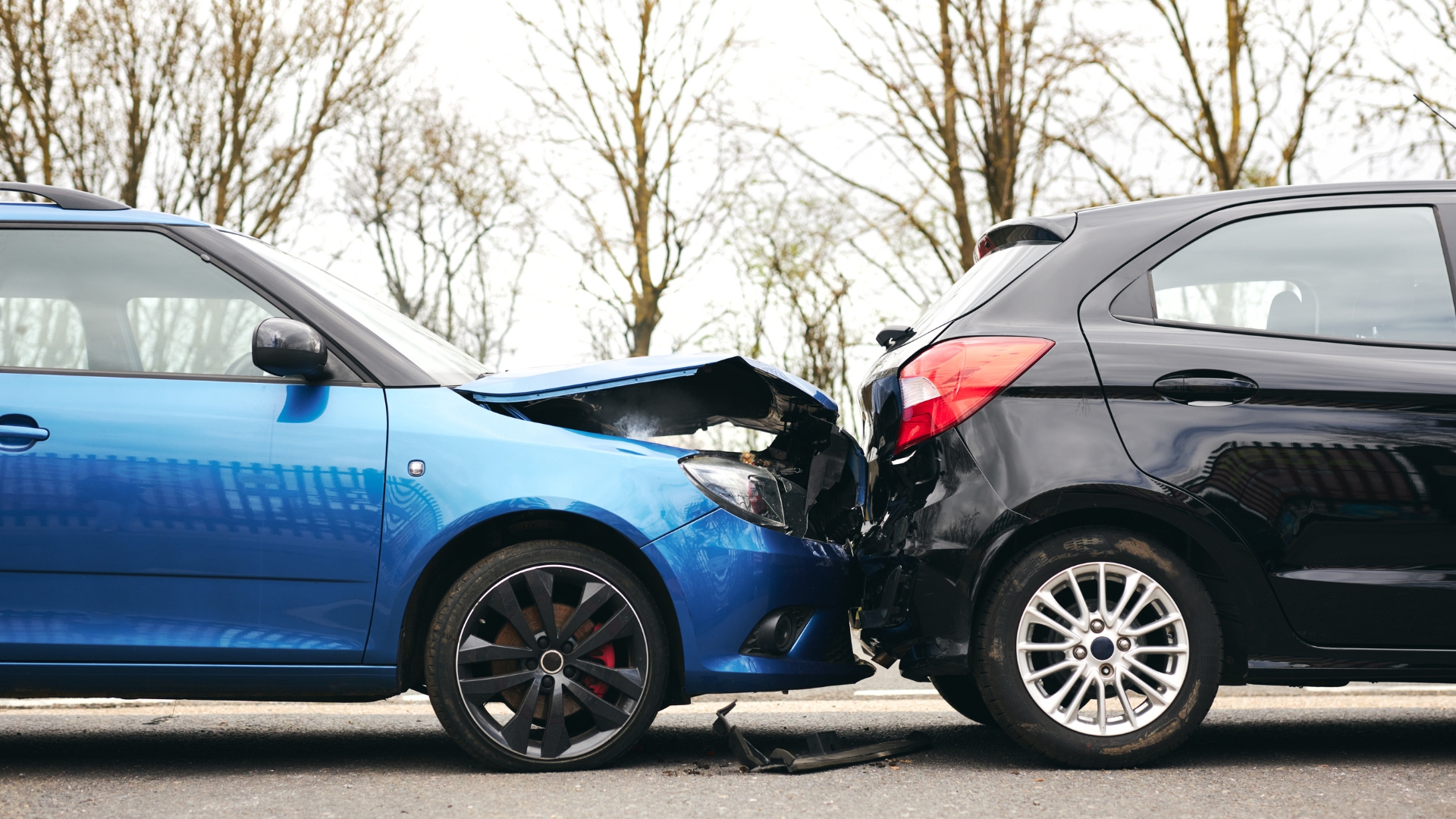
Justice On Demand handles several forms of personal injury litigation in Mesa. Our core practice areas include car accidents, truck accidents, motorcycle accidents, rideshare accidents, and slip-and-fall claims.
These cases share one basic question about who caused the harm. Beyond that point, each practice area requires different evidence and insurance research. A truck case may involve federal safety records and several companies. A property claim may depend on notice, inspections, and control of the premises.
Car Accident Lawyer in Mesa
A car accident lawyer in Mesa handles rear-end collisions, red-light crashes, unsafe turns, sideswipes, distracted driving wrecks, and multi-vehicle accidents.
Mesa drivers regularly travel through US 60, Loop 202, Main Street, Southern Avenue, Country Club Drive, and Power Road. Heavy traffic, turn lanes, freeway ramps, and frequent business entrances can create complicated collision patterns.
A strong car accident claim connects driver conduct with physical evidence. The police report offers a starting point, but it rarely resolves every issue.
Intersection Crashes Require a Precise Sequence
Intersection disputes often involve signal timing, lane position, turning direction, and vehicle speed. One driver may change the story after learning that the other person suffered a serious injury.
The claim should compare statements with damage patterns, witness accounts, roadway markings, and available video.
Impact Points Can Test Driver Accounts
Damage to the front of one vehicle and side of another may support a turning sequence. Corner damage can suggest a late lane change or partial avoidance.
Repair photographs and estimates can preserve those details after the vehicles leave the scene. A Mesa personal injury attorney can use them to test whether each statement fits the physical contact.
Rear-End Claims Can Still Become Disputed
The rear driver may blame sudden braking, broken lights, traffic congestion, or a last-second lane change. Those defenses require evidence.
Brake-light repair records, witness statements, camera footage, and damage location can answer the accusation. A centered rear impact may tell a different story than damage along one corner.
Low Exterior Damage Does Not Decide Causation
Vehicle appearance cannot diagnose an injury. Modern bumpers can hide internal damage, and occupants can experience force differently based on position and movement.
The medical record should explain the symptoms, diagnosis, and treatment response. Repair supplements may add context when technicians later find sensor, suspension, alignment, or structural damage.
Truck Accident Lawyer in Mesa
A truck accident lawyer in Mesa investigates crashes involving tractor-trailers, box trucks, dump trucks, construction vehicles, delivery vans, and commercial fleets.
These collisions may happen on US 60, Loop 202, State Route 24, or roads serving industrial areas near Phoenix-Mesa Gateway Airport. The driver may represent only one part of the case.
A carrier, employer, vehicle owner, maintenance company, cargo loader, or contractor may share responsibility.
Commercial Records Can Reveal What Happened Before Impact
Truck operators and companies create electronic and written records during each trip. Driver logs, dispatch messages, GPS data, inspection forms, and maintenance files may show what happened hours before the collision. A Mesa personal injury attorney can compare those records with the driver’s statement and crash report.
Driver Logs May Show Fatigue
Electronic logging devices can show driving time and rest periods. Fuel receipts, delivery records, and location data can test whether the log matches the actual trip.
A driver may report feeling alert, yet the records may show an extended shift or interrupted rest.
Dispatch Data May Show Delivery Pressure
Internal messages may reveal tight deadlines, route changes, or repeated instructions to hurry. This evidence can connect unsafe decisions to company practices.
The company may describe the crash as one driver’s mistake. Dispatch records may show that management helped create the conditions that led to it.
Maintenance Failures Can Shift Liability
Commercial vehicles need regular inspection and repair. Worn brakes, damaged tires, steering defects, and lighting problems can affect control and stopping distance.
Prior complaints or roadside service records may show that the company knew about a problem.
Repair History Can Expose Delayed Service
A carrier may repair the truck after the crash and claim that no earlier defect existed. Inspection sheets or driver messages may show repeated warnings.
Justice On Demand can compare those records with vehicle data, skid marks, and the collision sequence.
Motorcycle Accident Lawyer in Mesa
A motorcycle accident lawyer in Mesa handles claims involving left turns, unsafe lane changes, rear impacts, blind spots, and failure to yield.
Motorcyclists often face severe injuries and unsupported assumptions about speed. The claim should focus on measurable conduct rather than stereotypes about riding.
Roadway layout, sight distance, debris, damage, witness accounts, and available helmet video may help explain the collision.
Left-Turn Crashes Raise Visibility Questions
Drivers often say they never saw the motorcycle before turning. That statement does not show that the rider caused the collision.
The investigation should examine how long the motorcycle remained visible, whether the driver stopped, and whether the driver had a safe gap.
Sightlines Can Show Whether the Turn Was Reasonable
Landscaping, parked vehicles, glare, and intersection design can affect visibility. An inspection at the same time of day may reveal conditions that daytime photographs miss. A Mesa motorcycle accident attorney can compare the sightline with witness accounts and impact location.
Motorcycle Injuries Need Detailed Functional Records
Motorcycle crashes can cause fractures, road rash, shoulder trauma, nerve injuries, head injuries, and spinal damage.
Medical bills show treatment cost, but they do not show every restriction. A fractured wrist can prevent tool use. A shoulder injury can stop overhead work. Road rash can require repeated wound care and leave painful sensitivity.
Photographs Can Document Healing and Scarring
One emergency-room image may not show the full course of a skin injury. Photographs taken over time can document dressing changes, infection concerns, healing, and scarring.
Those images should match the medical record and treatment dates. Together, they can explain an injury that has changed before settlement discussions begin.
Rideshare Accident Lawyer in Mesa
A rideshare accident lawyer in Mesa handles crashes involving Uber, Lyft, passengers, other drivers, pedestrians, and cyclists.
Coverage often turns on the driver’s app status. The available policy may change based on whether the driver was offline, waiting for a request, traveling to a passenger, or completing a trip.
The driver’s personal insurer and the rideshare carrier may each point to the other. Digital records can resolve that dispute.
App Data Can Identify the Coverage Period
Trip receipts, timestamps, pickup details, route information, and driver messages can show what the driver was doing.
A screenshot taken after the crash may not establish the earlier status. The full electronic record provides a better timeline.
Accepted Rides Create Useful Digital Evidence
Once the driver accepts a request, the platform may record the pickup, route, and trip progress. A passenger receipt may confirm the driver’s activity at the exact time of impact.
Justice On Demand can use those records to pursue the correct carrier and respond to coverage denials.
Passenger Claims May Involve Two Drivers
A rideshare passenger may have little knowledge of the moments before impact. The passenger may not know which driver entered the lane or missed the signal. That uncertainty does not prevent an investigation. Reports, vehicle damage, GPS data, and witness accounts can identify each driver’s role.
Competing Carriers Can Delay Resolution
One insurer may blame the rideshare driver. The other may blame the third-party driver. Neither carrier may accept responsibility quickly.
A Mesa rideshare accident lawyer can present claims to every relevant insurer and track each position. This prevents one carrier from remaining outside the negotiation.
Slip and Fall Accident Lawyer in Mesa
A slip and fall accident lawyer in Mesa handles claims involving spills, broken flooring, poor lighting, damaged stairs, loose mats, uneven pavement, and recurring drainage problems.
These incidents can happen in grocery stores, restaurants, apartment communities, hotels, offices, parking areas, and retail centers. The condition alone does not resolve the claim. The investigation must identify who controlled the area and what that party knew before the fall.
Inspection Records Can Prove Notice
Businesses may use paper logs, electronic checklists, and employee walk-throughs. The records can show when staff last checked the area.
A log may claim that an inspection occurred minutes before the fall. Video may show that nobody entered the area.
Missing Entries Can Expose Procedure Failures
A blank inspection period can matter when a hazard remained long enough for a reasonable check to find it.
Justice On Demand can compare logs with employee schedules, video, and the incident report. Conflicting records can weaken the business’s defense.
Parking Lot Claims Require a Control Review
The store nearest the fall may not control the parking lot. Responsibility may rest with the property owner, management company, tenant, landscaping service, or maintenance contractor.
Leases and service agreements can identify who had authority to inspect and repair the surface.
Measurements Can Explain an Uneven Surface
A photograph may make a raised edge look minor. Measurements can document height, slope, depth, and the walking path.
Lighting and contrast matter too. A defect that appears obvious at noon may blend into shadows after sunset.
Serious Falls Can Affect Mobility for Months
Falls can cause wrist fractures, hip injuries, torn knee structures, ankle damage, and shoulder trauma.
A patient may need surgery, therapy, assistive equipment, or household support. The claim should document how the injury affects stairs, driving, walking, lifting, and personal care.
Future Restrictions Need Medical Support
Ongoing pain alone does not explain future financial loss. Provider recommendations can show whether the patient needs more therapy, injections, surgery, or work restrictions.
Justice On Demand can organize those recommendations with the medical timeline and employment record.
How Does a Mesa Personal Injury Claim Work
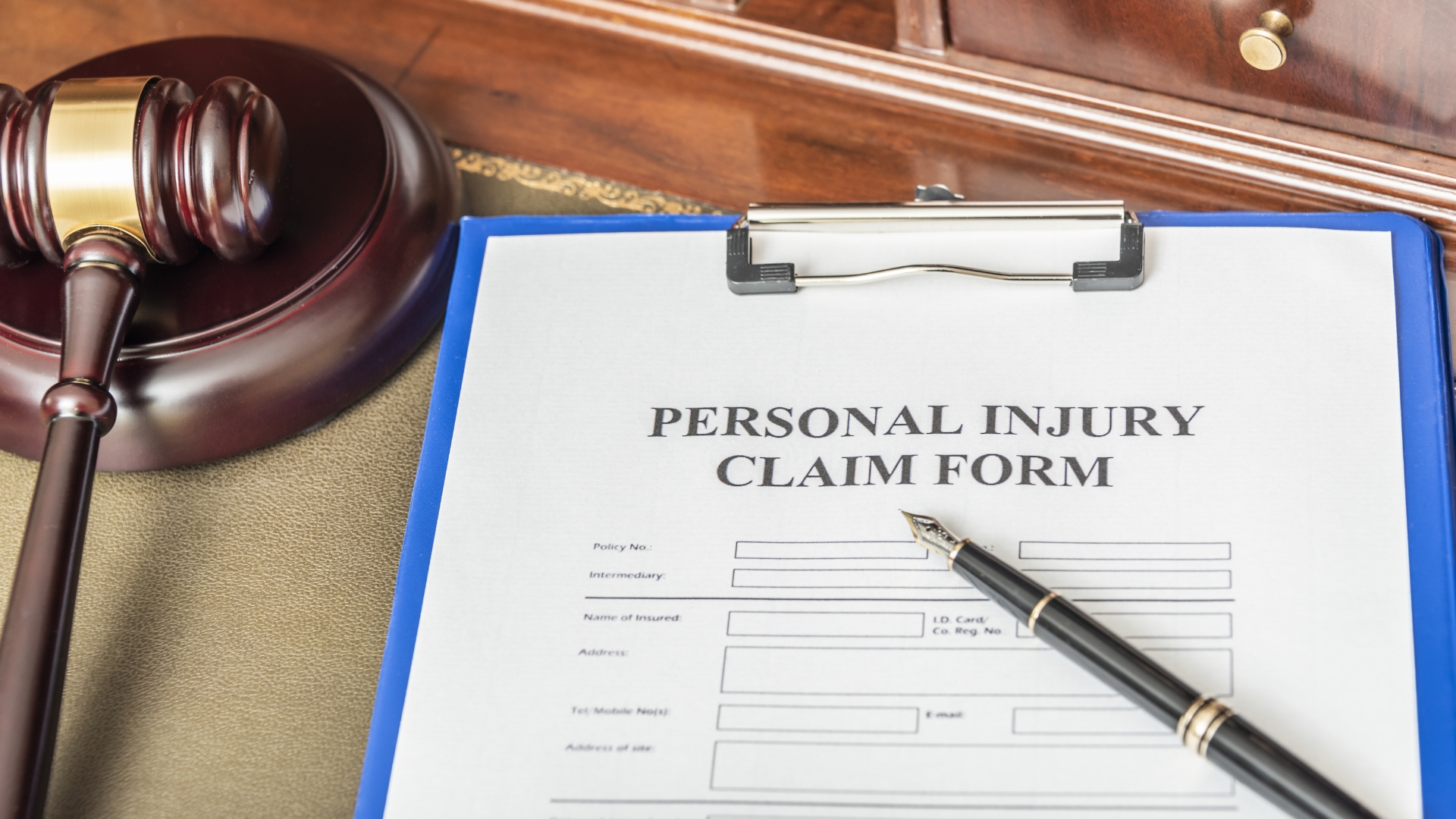
A Mesa personal injury claim develops through several connected stages. Justice On Demand first identifies deadlines, evidence, insurance, and treatment status. We then investigate fault, documents losses, present the claim, and respond to the insurer’s position.
Some claims settle after a demand and several rounds of negotiation. Others require a lawsuit because the parties disagree about fault, medical causation, or value.
The process should remain flexible. A new medical diagnosis may change the damages analysis. A business record may identify another defendant. A policy disclosure may reveal that the available coverage cannot address the loss.
The Free Case Review Identifies Immediate Problems
The initial consultation should produce useful answers. You should understand which information matters, what may disappear, and which insurer may contact you next.
Justice On Demand may ask for the accident date, location, treatment history, photographs, reports, insurance letters, and witness information. You do not need a perfect file before requesting help.
What Should You Bring to the Consultation
Bring any document connected to the injury. Useful items can include the police report number, incident report, medical discharge papers, insurance cards, photographs, repair estimate, and adjuster messages.
A short written timeline can help when the event involved several vehicles or changing symptoms.
Missing Records Do Not Automatically Defeat the Case
You may not have the surveillance video, full report, or other driver’s policy. A Mesa personal injury attorney can request many of those records.
The consultation should identify what exists and who may control it. That list creates the first investigation plan.
What If No Report Exists
Some people leave a crash scene without police involvement. Others fall at a property where an employee refuses to provide an incident report.
A missing report can make proof harder, but it does not automatically prevent a claim. Photographs, messages, medical records, witnesses, vehicle damage, and business data may still support the event.
Your First Medical Record Can Help Establish Timing
Tell the provider how the injury happened and when symptoms began. Accurate history helps connect the treatment to the event.
Avoid exaggeration and guessing. A direct account carries more value than dramatic language that later conflicts with the record.
The Investigation Establishes Fault
Negligence claims generally require proof that another person or business acted unreasonably and caused a measurable injury.
The exact proof changes with the accident. A vehicle claim may depend on lane movement or following distance. A property claim may depend on notice and control.
Witnesses Can Confirm Details Missing from Reports
Witnesses may remember statements, signal colors, warning signs, or employee activity. Early contact can preserve those details before memories fade. A witness who saw only part of the event may still provide useful information.
Independent Witnesses Can Carry Added Weight
An insurer may treat the drivers as interested parties. A person with no relationship to either side may provide a more neutral account.
Justice On Demand can compare the statement with photographs, video, and physical evidence.
Shared Fault Changes the Compensation Analysis
Arizona follows comparative negligence. A claimant’s damages may be reduced according to the claimant’s percentage of fault, rather than automatically barred by some degree of responsibility. (Arizona Legislature)
For example, suppose proven damages total $100,000 and the claimant receives 20 percent of the fault. The reduction would generally leave $80,000 before other case-specific adjustments.
Insurers May Assign Fault Without Enough Proof
A carrier may accuse a driver of speeding or a shopper of ignoring a warning. The accusation should connect to evidence.
Vehicle data, video, witness accounts, photographs, and measurements can test whether the proposed percentage makes sense.
Medical Treatment Documents the Injury
Treatment records create the medical timeline. They show symptoms, diagnosis, testing, referrals, restrictions, and response to care.
Consistency matters, but medical recovery rarely follows a perfect schedule. Referral delays, work demands, transportation problems, and provider availability can affect appointments.
Delayed Symptoms Need a Direct Explanation
Headaches, stiffness, dizziness, numbness, and radiating pain may develop after the initial event.
The record should state when those symptoms began and how they changed. Silence creates room for the insurer to suggest another cause.
Emergency Care May Miss Developing Problems
Emergency providers often focus on immediate threats. Later care may identify soft tissue, nerve, joint, or concussion symptoms that were less clear at first.
The treatment timeline should explain why additional testing or referrals became necessary.
Treatment Gaps Need Context
An insurer may treat a gap as proof of recovery. The actual reason may involve scheduling, transportation, job duties, or referral delays.
Appointment records, work schedules, and provider notes can explain the period.
Referral Records Can Protect the Timeline
A provider may issue a referral, yet the next appointment may not occur for several weeks.
The referral date shows that the patient continued pursuing care. It also explains why the treatment calendar contains an apparent gap.
The Claim Must Document Financial Loss
Medical charges form one part of the loss. A complete review may include wage loss, reduced earning capacity, transportation expenses, household support, and future treatment.
Justice On Demand gathers records that connect each claimed loss to the injury.
Medical Billing Requires More Than One Statement
A hospital visit can generate bills from the facility, physician, imaging provider, ambulance, and pharmacy.
Itemized statements help identify missing charges and insurance adjustments.
Liens Can Affect the Final Payment
Some providers treat under a lien or expect payment from a settlement. Health insurers or benefit programs may seek reimbursement in certain cases.
The client should know about those obligations before accepting a settlement. The gross figure does not equal the final amount received.
Wage Loss Can Continue After Returning to Work
A person may return with fewer hours, no overtime, or restricted duties. That difference can create a continuing loss.
Pay records, tax documents, schedules, and employer statements can show the change.
Self-Employed Clients Need Different Records
A business owner may prove loss through canceled jobs, reduced invoices, customer messages, bank records, and prior tax history.
The comparison should separate ordinary business changes from injury-related loss.
Settlement Negotiations Test the Evidence
The demand package explains fault, injury, financial loss, and the requested amount. It should address expected defenses instead of sending unexplained records.
The insurer may respond with a denial, request, or offer. The reasoning behind the response often shows which issue needs more proof.
Low Offers May Ignore Future Losses
An early offer may cover past bills but omit future therapy, surgery, or reduced work capacity.
The response should connect future losses to provider recommendations and employment evidence.
Policy Limits Can Shape the Strategy
A claim can exceed the available liability coverage. At that point, the Mesa personal injury attorney should investigate other defendants and policies. Commercial coverage, vehicle ownership, employer liability, rideshare insurance, and underinsured motorist protection may affect the available recovery.
Delay Can Lead to Litigation
Repeated requests, long review periods, and unanswered communications can stall a claim.
Justice On Demand can document the delay and decide whether filing suit creates a better path.
Filing Does Not Mean the Case Will Reach Trial
A lawsuit preserves the claim and creates formal evidence procedures. Settlement discussions may continue after filing.
Many cases resolve through negotiation or mediation before trial.
Litigation Creates Formal Evidence Tools
The complaint starts the lawsuit and identifies the parties and claims. The defendant then responds and raises defenses.
Discovery allows both sides to request documents, written answers, and testimony.
Discovery Can Reach Withheld Business Records
A property owner or trucking company may ignore voluntary requests. Formal discovery can require responses.
The process may produce maintenance files, contracts, policies, electronic data, or internal reports.
Depositions Preserve Sworn Testimony
A deposition allows a Mesa personal injury attorney to question parties and witnesses under oath.
Preparation helps the client answer based on personal knowledge without guessing or overexplaining.
Settlement Can Still Occur After Filing
Mediation may help both sides compare evidence and risk. A mediator does not decide the case but can help move negotiations.
Any settlement release requires careful review because it may end claims against several related parties.
The Closing Statement Explains Each Deduction
The final statement should list the gross settlement, fee, case costs, liens, medical balances, and net payment.
Clients should understand those figures before distribution.
How Much Is a Mesa Personal Injury Claim Worth
No fixed formula determines the value of a Mesa personal injury claim. Two people can suffer similar injuries and still have different claims based on treatment, recovery, work, fault, insurance, and future needs.
Online settlement calculators cannot review witness credibility, medical history, policy language, or disputed liability. A Mesa personal injury attorney values the case by examining the complete record.
Medical Care Affects Claim Value
The insurer will examine the diagnosis, treatment length, provider recommendations, and response to care.
A surgery does not create a guaranteed settlement amount. It does create additional questions about cost, recovery time, future restrictions, and work loss.
Future Treatment Must Have Support
A provider may recommend therapy, injections, imaging, surgery, medication, or follow-up care.
Written recommendations carry more weight than a general prediction.
Permanent Restrictions Can Affect Several Losses
A lasting restriction may affect job duties, household tasks, recreation, and independence.
The value analysis should connect the restriction to real changes rather than using broad descriptions.
Income Loss Requires Reliable Records
Lost income can include missed shifts, reduced hours, overtime, bonuses, commissions, or business revenue.
The claim should compare earnings before and after the injury.
Reduced Earning Capacity Looks Beyond Past Paychecks
A person may return to work but lose access to physical duties, promotions, or higher-paying positions.
Medical restrictions and employment history can support that future difference.
Career Changes Need Specific Proof
A claim becomes stronger when records show the former duties, current restrictions, and realistic alternatives.
Broad claims about career loss carry less weight without employment and medical evidence.
Pain and Daily Limitations Matter
Arizona personal injury claims may include noneconomic losses connected to pain, discomfort, emotional effects, and loss of normal activities.
These losses do not come with invoices. The record should describe them through specific changes.
Daily Examples Carry More Weight Than General Statements
A shoulder injury may prevent reaching shelves or lifting a child. A knee injury may affect stairs, driving, and standing at work.
These details help explain the injury without exaggeration.
Family Observations Can Add Context
Family members may notice sleep problems, reduced mobility, or the need for household help.
Their observations should stay grounded in what they personally saw.
Fault Percentages Can Reduce Recovery
Arizona comparative negligence can reduce damages in proportion to the claimant’s share of fault. (Arizona Legislature)
A strong damages record cannot erase a real fault issue. The case value must account for both.
Multiple Defendants May Receive Separate Fault Shares
Arizona generally treats each defendant’s liability separately, subject to statutory exceptions. The fact finder may allocate fault among people and entities connected to the injury. (Arizona Legislature)
A truck case might involve the driver, carrier, maintenance provider, and loader. A property case might involve the owner, tenant, and contractor.
Missing a Responsible Party Can Reduce Available Recovery
The investigation should identify every entity before important deadlines pass.
Contracts, ownership documents, employment records, and insurance policies may reveal parties outside the first report.
Insurance Limits Can Restrict Payment
A claim may have substantial documented value but limited available insurance.
The Mesa personal injury attorney should separate the value of the loss from the amount realistically collectible through identified policies and assets.
Commercial and Excess Policies Can Change the Outlook
Businesses may carry primary, umbrella, or excess coverage.
Policy terms, insured names, and notice requirements determine whether those layers apply.
A Serious Claim Needs Early Coverage Research
Waiting until settlement talks begin can leave little time to pursue another carrier.
Justice On Demand reviews coverage as the medical and liability evidence develops.
Wrongful Death Claims Require Separate Analysis
A fatal accident can create claims for surviving family members and the estate. The recoverable losses and proper claimants depend on Arizona law and the family circumstances.
These cases may involve funeral expenses, lost financial support, and the loss of the relationship.
Fatal Accidents Often Involve Several Investigations
Police, insurers, employers, and government agencies may collect separate evidence.
Justice On Demand can coordinate those sources and protect the family from repeated carrier contact.
Families Should Avoid Rushed Settlement Decisions
Early offers may arrive before the family understands insurance coverage or long-term financial loss.
A careful review should identify every policy and claimant before anyone signs a release.
Punitive Damages Apply Only in Limited Cases
Punitive damages do not apply to ordinary negligence claims. They require evidence of conduct beyond simple carelessness.
This issue may arise in a case involving extreme misconduct, intentional harm, or conscious disregard for a substantial risk.
Drunk Driving Does Not Create an Automatic Result
Impairment evidence can affect the analysis, but each claim still depends on its facts.
Police records, testing, witness accounts, and prior conduct may matter.
Compensation Should Not Depend on Unsupported Assumptions
The demand should separate compensatory losses from any punitive claim.
Justice On Demand can evaluate whether the evidence supports raising the issue.
Contact a Mesa Personal Injury Attorney at Justice On Demand – Call 24/7
You should not have to rely on an adjuster’s opinion when deciding what your injury claim is worth. Christian Pedersen can review the accident, identify possible insurance coverage, and explain which records may strengthen your position during a free consultation.
Justice On Demand accepts calls 24 hours a day and charges no upfront attorney fee for personal injury representation. Bring any photographs, reports, insurance messages, medical paperwork, or wage records you already have. Missing documents do not prevent you from starting the conversation.
Call (480) 934-0676 or contact us to speak with a Mesa personal injury attorney before an insurance deadline, missing record, or rushed settlement limits your options.