

A bad turn, a distracted driver, or a careless merge can disrupt your life immediately through injuries, missed work, and insurance pressure. A car accident lawyer in Chandler examines what happened, what steps still need to be taken, and which details may affect the claim under Arizona law. Justice On Demand works with injured drivers and passengers and helps them deal with the crash in a more organized way before early mistakes create bigger problems.
Medical care can connect symptoms to the collision, photos can preserve the damage and road conditions, witness names can help if the other driver changes their story, and insurance statements can create problems when given too soon. A car accident lawyer in Chandler can review those early issues before fault, treatment, and repair questions become harder to sort out. Call Justice On Demand today at (480) 934-0676 for a free consultation from our car accident lawyer in Chandler.
What To Do After a Car Crash in Chandler, Arizona
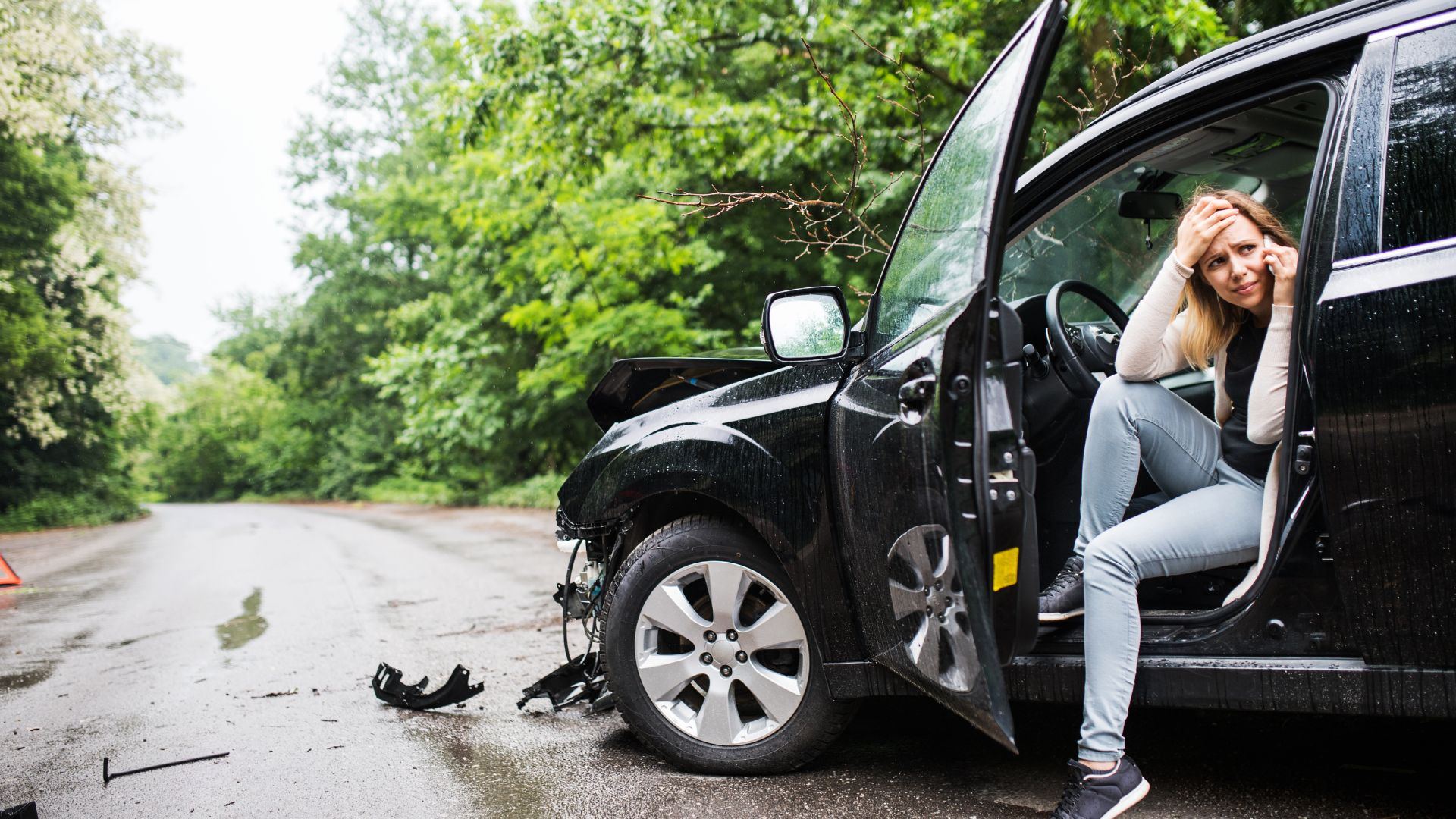
The right steps after a Chandler collision are not complicated, but they matter. Get safe, check for injuries, call for help when needed, and start preserving the details before traffic clears and memories shift. Insurance companies often look closely at what happened in the first hours after a crash because those early facts may shape the claim later. Photos, medical care, driver information, witness names, and a police report may become the difference between a claim with support and a claim built mostly on competing stories.
A rushed scene can leave important gaps that are difficult to fix later. The other driver may want to leave, traffic may force everyone to move, or pain may not feel serious until the next morning. Before the day ends, the crash should be documented as clearly as possible through photos, notes, medical attention, and saved contact information. The facts you save early may help explain fault, injury timing, vehicle damage, and the problems that followed.
Put Safety and Medical Care First
The first priority is getting out of danger and checking whether anyone needs medical help. Call 911 when someone is hurt, traffic is blocked, or the collision involves serious damage. Even if symptoms seem manageable, neck pain, back pain, headaches, dizziness, numbness, shoulder pain, or knee pain should not be ignored. Medical care creates a record of what hurt, when symptoms began, and how the injury developed after the crash. That record may become important if an insurer later argues that the injury came from something else.
Symptoms That Need Attention
Pain after a crash does not always appear at once. Stiffness, headaches, tingling, soreness, or dizziness may become stronger after the adrenaline fades. Reporting those symptoms early helps create a more accurate medical record and gives doctors a clearer picture of what changed after impact.
Treatment Close to the Crash
Treatment close to the crash helps connect the injury to the collision. Urgent care, emergency care, imaging, therapy, and follow-up visits may all become part of the claim. Delays may give insurance companies room to question what caused the pain, especially when symptoms become worse over time.
Get the Other Driver’s Information
Driver information should be saved before anyone leaves the scene. Take photos of the insurance card, driver’s license, license plate, vehicle damage, and vehicle position if it is safe. Keep the exchange factual and avoid arguing about who caused the crash. The other driver may say something important, but the scene is not the place to debate fault. Write down any key comments afterward so they are not forgotten or changed later.
Details Needed Before Leaving
Basic details may become harder to get later. Names, phone numbers, insurance information, plate numbers, vehicle descriptions, and photos should be saved while everyone is still present. These details help identify the people and coverage involved, especially when insurance information is incomplete or difficult to confirm afterward.
What the Other Driver Says
The other driver’s comments may matter later. Statements about texting, rushing, not seeing your car, missing a signal, or being distracted should be written down. Small comments can become useful when the story changes or when insurance disputes how the collision happened.
Preserve the Scene Before It Changes
Photos should show more than the damaged vehicles. Capture the lanes, traffic lights, stop signs, skid marks, debris, weather, road surface, nearby driveways, intersection layout, and final vehicle positions. Wider shots help explain how the crash happened, while close shots show the force and location of impact. Witnesses may also leave quickly, so ask for names and phone numbers when possible. A car accident lawyer in Chandler may use those early details to compare the crash scene with the police report and insurance statements.
Photos From Different Distances
Close photos and wide photos serve different purposes. Close photos show damage, debris, contact points, broken parts, and visible marks on the vehicles. Wide photos show lanes, signs, signals, visibility, and where each vehicle ended up before the scene was cleared.
Witness Names Saved Early
Witnesses may remember the turn, speed, signal, lane change, or impact more clearly than the drivers. Their contact information should be saved before they leave the scene. Waiting even one day may make them difficult to find, especially near busy intersections or commercial areas.
Contact a Car Accident Lawyer in Chandler
Legal guidance becomes important when insurance questions begin. An adjuster may ask for a recorded statement, broad medical authorization, repair decision, or early settlement before the full injury picture is known. A car accident lawyer in Chandler can help you understand what information should be shared and what should wait until the facts are clearer. This is especially important when the other driver blames you, the police report has errors, treatment is ongoing, or the insurer seems focused on closing the claim quickly. The claim should move forward based on documented facts, not pressure from the insurance company.
Insurance Calls After the Collision
Insurance calls may sound routine, but some questions carry risk. Statements about pain, speed, fault, or recovery may be used later when the claim is evaluated. It helps to understand the purpose of the call before giving detailed answers that could be incomplete or misunderstood.
Legal Help Before Big Decisions
Some decisions should wait until more is known. Treatment needs, repair costs, missed work, fault disputes, and long-term pain may take time to understand. Legal help can protect the claim before those decisions become final or before an insurer pushes for a fast resolution.
What Driver Mistakes Cause Car Accidents in Chandler
Many Chandler crashes begin with a driver making one poor choice at the wrong moment. A quick glance at a phone, a rushed turn across traffic, a rolling stop, or an aggressive lane change can give another person no fair chance to avoid impact. These cases often turn on the conduct immediately before the collision, not only the damage visible afterward. A car accident lawyer in Chandler can look at the driver’s actions, the road setting, and the injuries that followed to understand how the claim should be approached.
Driver mistakes are not always dramatic. A crash may happen because someone followed too closely through traffic, misjudged a left turn, drifted while distracted, entered a busy road too quickly, or failed to slow down near congestion. Small choices can create serious consequences when vehicles are moving through intersections, shopping areas, school traffic, freeway ramps, or neighborhood roads. The claim should connect the mistake to the collision instead of treating the wreck as something that simply happened.
Speeding That Leaves No Room to React
Speeding can make an ordinary driving decision dangerous. A driver traveling too fast may need more distance to stop, more time to adjust, and more space to avoid another vehicle. Even a slight speed increase can make a rear-end crash, intersection collision, or lane-change impact more severe. Speed may also affect how hard the vehicles hit and how serious the injuries become. When speed is part of the crash, the claim should examine how the driver’s pace changed the outcome.
Fast Driving Near Traffic Changes
Traffic can change quickly near signals, driveways, turn lanes, and freeway entrances. A speeding driver may not have enough time to respond when another vehicle slows, stops, or turns. That lack of reaction time can help explain why the collision happened.
Impact Force and Injury Severity
Higher speed can increase the force of impact. That force may affect neck injuries, back pain, head trauma, shoulder injuries, and other physical harm. Vehicle damage and medical records may help show how the crash affected the injured person.
Distracted Driving Behind the Wheel
Distracted driving can happen before anyone realizes the driver stopped watching the road. A phone, navigation screen, message, passenger, food, or in-car system may pull attention away long enough to cause a crash. The danger is not only the distraction itself. The problem is what the driver misses during that moment, including stopped traffic, brake lights, lane markings, pedestrians, cyclists, or a vehicle entering the road. A distracted driver may later give a vague explanation because they never saw the danger in time.
Missed Signals and Brake Lights
Distraction often shows up through what a driver failed to notice. A driver may miss a red light, stopped vehicle, turn signal, or slowing traffic ahead. Those missed details can become important when fault is disputed.
Phone Use Before Impact
Phone use may explain why a driver reacted late. Texting, navigation, calls, or app activity can take attention away from traffic. Timing, statements, and witness details may help identify whether distraction played a role.
Unsafe Turns Across Traffic
Unsafe turns can create serious crashes when a driver misjudges distance or ignores the right of way. Left turns across oncoming traffic, wide turns, rushed turns into parking lots, and turns from side streets can place another vehicle directly in danger. The driver turning may later say the other car appeared suddenly, but that explanation does not always match the roadway facts. Turn-related crashes should be reviewed based on timing, visibility, signals, lane position, and the vehicles’ paths. These details can show whether the turning driver had enough time and space to wait.
Left Turns and Side Street Entries
Left turns and side street entries require careful judgment. A driver who crosses too soon may leave the approaching vehicle with no safe option. The crash pattern may show whether the turn created the danger.
Right of Way Disputes
Drivers often disagree about who had the right of way. Traffic signals, signs, lane markings, witness accounts, and impact points may help answer that question. Those facts matter when each driver gives a different version.
Tailgating in Busy Chandler Traffic
Following too closely can turn a routine slowdown into a collision. A driver who stays too close may not have enough space to stop when traffic changes. Rear-end crashes often happen near intersections, freeway ramps, shopping centers, and crowded commuter routes where vehicles brake often. Tailgating may also lead to chain-reaction crashes when one impact pushes vehicles into others. The claim should look at the distance between vehicles and whether the rear driver had time to respond safely.
Sudden Stops With Little Space
Sudden stops happen often in normal traffic. A careful driver should leave enough room to slow down without hitting the vehicle ahead. When that space is missing, the rear driver’s conduct may become central to the claim.
Chain Reaction Crash Details
Chain reaction crashes can make fault harder to sort out. Vehicle order, impact sequence, witness accounts, and damage patterns may help show how the collision unfolded. Those details can matter when several drivers and insurers are involved.
How Justice On Demand Helps Chandler Drivers Take Control After a Serious Crash
A serious crash can leave the injured person reacting to phone calls, repair problems, medical appointments, and insurance questions all at once. The other driver may already be telling their version, the adjuster may be asking for details, and the first paperwork may not show everything the collision caused. Justice On Demand helps bring the claim back to the facts that need attention. A car accident lawyer in Chandler can help identify what should be documented, what should be questioned, and what should not be rushed.
The claim should not move forward on scattered information. Vehicle damage, pain reports, witness details, police notes, insurance messages, and repair updates each tell part of the story. When those pieces are handled separately, important connections may be missed. Justice On Demand helps organize the claim around what happened, what changed afterward, and what proof still needs to be gathered.
Same-Day Crash Details
The first account of a collision is not always the most complete one. A driver may remember the lane change differently, a police report may summarize the scene too briefly, and an insurer may focus on property damage before understanding the injury. Scene details should be saved while they are still fresh. Photos, notes, witness names, vehicle positions, and driver comments may help explain the crash more accurately later. Justice On Demand helps injured drivers preserve those details before the claim depends on someone else’s version.
Scene Notes From the Hours After the Collision
Notes made soon after the crash can preserve details that fade quickly. The injured person may remember what the other driver said, where the vehicles stopped, what hurt first, or how traffic moved before impact. Those notes may later help correct an incomplete report or disputed insurance summary.
Pain Levels, Driver Statements, and Road Conditions
The details from the same day may become important later. Pain levels, driver statements, traffic signals, weather, lane markings, and road conditions can help explain what happened. Those facts should be saved before the scene becomes harder to reconstruct.
Insurance Calls and Forms
Insurance contact often begins before the injured person understands the full claim. An adjuster may ask for a statement, a medical release, repair approval, or an early settlement conversation before treatment and fault questions are fully developed. Quick cooperation may feel harmless, but broad answers or early signatures can create problems later. Justice On Demand helps injured people understand what is being requested and why timing matters. A claim should not be shaped by insurance pressure before the important facts are known.
Recorded Statements, Medical Releases, and Early Offers
Some insurance requests deserve careful attention before the injured person responds. A recorded statement may lock in incomplete answers, a medical release may reach too broadly, and an early offer may arrive before treatment is finished. Each request should be understood before it affects the claim.
Answers Given Before Treatment and Repairs Are Clear
Early answers may not reflect what the crash ultimately caused. Symptoms may worsen, repairs may reveal hidden damage, and fault details may change after records are reviewed. Waiting for better information can prevent avoidable disputes.
Medical Records After the Crash
Medical records should show more than the fact that treatment happened. They should explain when symptoms began, how pain changed, which activities became harder, and why follow-up care was needed. A brief note about soreness may not capture a neck injury, back injury, concussion symptoms, shoulder pain, or worsening mobility. Justice On Demand helps keep the medical record connected to the collision and the problems that followed. Clear documentation can make the injury harder to dismiss as unrelated or minor.
New Symptoms Noted During Follow-Up Care
Some injuries become clearer after the first appointment. Headaches, numbness, stiffness, dizziness, back pain, and joint pain may appear or worsen as the body reacts to the crash. Follow-up care gives those symptoms a place in the record.
Treatment Progress and Limits Outside the Doctor’s Office
Recovery is not measured only during medical visits. Driving, sleeping, working, lifting, sitting, and household tasks may change after the collision. Those limits can help explain the injury’s effect beyond the diagnosis.
Fault Disputes and Driver Conduct
A fault dispute should be answered with details, not frustration. The other driver may deny responsibility, blame traffic, claim the injured person stopped too suddenly, or describe the impact in a way that does not match the damage. Photos, witness names, signal timing, lane position, vehicle damage, and driver statements can help test those claims. Justice On Demand helps compare the available facts against the story being told by the other side. The claim should stay focused on what the evidence shows.
Speed, Lane Position, Signals, and Driver Attention
Driver conduct before impact often explains why the crash happened. Speed, lane position, turn timing, traffic signals, following distance, and driver attention may all affect the fault review. Those details can show whether the other driver created the danger.
Photos and Witnesses Against the Other Driver’s Version
Photos and witness information can challenge an inaccurate account. Damage location, final vehicle positions, skid marks, debris, and witness descriptions may contradict what the other driver says. These details can help protect the claim from blame shifting.
Claim Gaps to Fix Early
Every car accident claim has details that need attention before they create problems. One claim may involve an incorrect police report, another may involve missing photos, delayed symptoms, an uninsured driver, or an insurer pushing for a fast settlement. Justice On Demand helps identify the issue most likely to affect the claim’s direction. That approach keeps the next steps focused instead of generic. The work should match the actual problems in the case.
Report Errors, Missing Photos, and Unconfirmed Witnesses
Small gaps can become larger disputes later. A wrong location, missing witness name, unclear photo angle, or incomplete injury description may affect how the claim is evaluated. Addressing those issues early can help prevent confusion from controlling the outcome.
Settlement Choices After Records Are Fully Reviewed
Settlement decisions should come after the important records are understood. Medical care, repair information, wage loss, fault details, and insurance coverage may all affect the claim’s value. A complete record helps the injured person make decisions with fewer unanswered questions.
Get Help From Justice On Demand’s Car Accident Lawyer in Chandler Today
The police report may not explain the injuries that appear later after the accident. The repair estimate may not show the time missed from work. The insurance call may not address the driver who looked down, turned too soon, followed too closely, or changed lanes without enough room. A Chandler car accident claim needs room for the details that do not fit inside the first round of paperwork to ensure that you get the compensation that you deserve, not just for the short-term losses, but also for the long-term consequences.
Your first conversation with Justice On Demand can cover the crash location, the driver’s conduct, the injuries showing up now, the insurance problems already starting, and the documents or photos you have so far. Our car accident lawyer in Chandler can help you decide what needs closer attention before the claim moves forward. Call Justice On Demand today at (480) 934-0676 or visit our contact page to speak with our lawyer and learn how we can help get you compensation for your claim.