

A commercial truck crash can leave you hurt, without transportation, and stuck between medical appointments and insurance calls. If you are searching for a Phoenix Truck Accident Attorney, you likely need help proving what happened, protecting evidence, and stopping the insurance company from shrinking your claim before you understand its full value.
Justice On Demand helps injured people in Phoenix and the East Valley after serious truck accident claims. The federal truck crash safety data also gives useful background on the safety or legal issue involved, but your claim depends on the facts of your accident and Arizona law.
You do not have to sort through medical bills, repair issues, missed work, and insurance questions alone. A lawyer can help you understand who may be responsible, what records matter, and why a quick offer may leave out treatment or losses that have not fully surfaced yet.
These claims move fast. A store may erase video, a trucking company may repair a vehicle, or an insurer may ask for a recorded statement before you know what injuries will cost. Call (480) 934-0676 now for a free consultation with Justice On Demand. The firm is open 24/7 and offers an initial 30-day satisfaction period so you can start with less risk and more control.
Why You Need a Phoenix Truck Accident Attorney After a Serious Commercial Crash

The first days after a commercial truck crash can feel chaotic because everyone wants information from you. Justice On Demand gives injured people a way to slow the process down, understand the claim, and avoid giving the insurance company a clean path to deny responsibility.
For example, a driver hurt near I-10, I-17, Loop 101, Loop 202, US 60, downtown Phoenix, and the East Valley may get calls from an adjuster before the police report arrives. A shopper who fell in a store may hear that no video exists even though cameras were visible above the aisle. A lawyer can move quickly to request records, preserve proof, and connect the injury to the unsafe decision or unsafe condition that caused it.
Trucking Companies and Insurers Move Fast After a Collision
Trucking Companies and Insurers Move Fast After a Collision can become one of the most important parts of a truck accident claim because it shows what happened before anyone rewrites the story. A driver may say traffic stopped suddenly, but photos, witness accounts, and vehicle damage may show that the commercial truck followed too closely or changed lanes without enough room. Justice On Demand uses that information to challenge shortcuts, gaps, and blame-shifting in Phoenix injury claims.
The claim also needs context. A Phoenix truck accident case may involve several records that seem ordinary on their own, but together they can show timing, fault, injury severity, and the need for future care. Justice On Demand can organize those pieces so the insurance company cannot ignore the parts of the story that hurt the claim value most.
What the Insurance Company Looks For Early
What the Insurance Company Looks For Early gives the claim more texture. A Phoenix truck accident case may involve driver logs, dispatch records, black box data, maintenance files, cargo records, photographs, crash reports, and witness statements, but those records only help when someone connects them to the injury. Justice On Demand reviews the details against treatment records, work limits, and the everyday effects of spinal injuries, fractures, brain trauma, internal injuries, burns, and long-term pain.
How This Plays Out in a Phoenix Claim
For example, a person hurt near I 10, I-17, Loop 101, Loop 202, US 60, downtown Phoenix, and the East Valley may leave with pain, a tow bill, and no clear answer about who pays. Justice On Demand can gather proof before memories fade and before video, app records, or inspection notes disappear from ordinary business systems.
Heavy Vehicle Evidence Can Disappear Within Days
Heavy Vehicle Evidence Can Disappear Within Days often separates a weak insurance dispute from a claim built on facts. A property owner may claim the floor was clean, but video, employee comments, and a fresh incident report may show that the hazard sat there long enough to fix. That work matters when the insurer tries to treat a serious injury as a routine claim.
The claim also needs context. A Phoenix truck accident case may involve several records that seem ordinary on their own, but together they can show timing, fault, injury severity, and the need for future care. Justice On Demand can organize those pieces so the insurance company cannot ignore the parts of the story that hurt the claim value most.
How Small Details Can Change the Claim
How Small Details Can Change the Claim gives the claim more texture. A Phoenix truck accident case may involve driver logs, dispatch records, black box data, maintenance files, cargo records, photographs, crash reports, and witness statements, but those records only help when someone connects them to the injury. Justice On Demand reviews the details against treatment records, work limits, and the everyday effects of spinal injuries, fractures, brain trauma, internal injuries, burns, and long-term pain.
How Phoenix Freeway Crashes Create Multiple Claims
How Phoenix Freeway Crashes Create Multiple Claims matters because serious injuries rarely fit into a simple adjuster checklist. A rider or passenger may feel sore at the scene and only later learn that the pain came from a fracture, torn ligament, concussion, or damaged disc. The goal is to connect the unsafe act, the resulting injuries, and the financial harm in a way the insurance company cannot casually ignore.
The claim also needs context. A Phoenix truck accident case may involve several records that seem ordinary on their own, but together they can show timing, fault, injury severity, and the need for future care. Justice On Demand can organize those pieces so the insurance company cannot ignore the parts of the story that hurt the claim value most.
How Justice On Demand Builds a Claim Around the Full Story
Justice On Demand builds a Claim Around the Full Story because a legal claim should not flatten the person into a claim number. Justice On Demand looks at where the incident happened, who had control, what safety steps were missed, and how the injuries changed your routine. A crash near I-10, I-17, Loop 101, Loop 202, US 60, downtown Phoenix, and the East Valley can affect commuting, childcare, medical visits, and income in ways that a quick settlement offer may not capture.
What This Means for Settlement Talks
Settlement talks work better when the demand has real evidence behind it. The firm can point to medical records, witness statements, photos, and the practical cost of the injury rather than letting the insurer focus only on a narrow bill total.
How a Phoenix Truck Accident Lawyer Investigates Liability

A strong truck accident claim depends on proof, not assumptions. Justice On Demand looks for records that explain how the incident happened, who controlled the risk, and why the injured person should not carry blame for someone else’s decision.
That proof can include driver logs, dispatch records, black box data, maintenance files, cargo records, photographs, crash reports, and witness statements. In a Phoenix claim, local details matter too. The difference between a crash on a freeway ramp and a crash inside a store parking lot can affect the evidence, the witnesses, and the insurance companies involved.
Driver Logs and Hours of Service Records
Driver Logs and Hours of Service Records can become one of the most important parts of a truck accident claim because it shows what happened before anyone rewrites the story. A property owner may claim the floor was clean, but video, employee comments, and a fresh incident report may show that the hazard sat there long enough to fix. That work matters when the insurer tries to treat a serious injury as a routine claim.
The claim also needs context. A Phoenix truck accident case may involve several records that seem ordinary on their own, but together they can show timing, fault, injury severity, and the need for future care. Justice On Demand can organize those pieces so the insurance company cannot ignore the parts of the story that hurt the claim value most.
How Small Details Can Change the Claim
How Small Details Can Change the Claim gives the claim more texture. A Phoenix truck accident case may involve driver logs, dispatch records, black box data, maintenance files, cargo records, photographs, crash reports, and witness statements, but those records only help when someone connects them to the injury. Justice On Demand reviews the details against treatment records, work limits, and the everyday effects of spinal injuries, fractures, brain trauma, internal injuries, burns, and long-term pain.
How This Plays Out in a Phoenix Claim
For example, a person hurt near I 10, I-17, Loop 101, Loop 202, US 60, downtown Phoenix, and the East Valley may leave with pain, a tow bill, and no clear answer about who pays. Justice On Demand can gather proof before memories fade and before video, app records, or inspection notes disappear from ordinary business systems.
Maintenance Files, Cargo Records, and Black Box Data
Maintenance Files, Cargo Records, and Black Box Data often separates a weak insurance dispute from a claim built on facts. A rider or passenger may feel sore at the scene and only later learn that the pain came from a fracture, torn ligament, concussion, or damaged disc. The goal is to connect the unsafe act, the resulting injuries, and the financial harm in a way the insurance company cannot casually ignore.
The claim also needs context. A Phoenix truck accident case may involve several records that seem ordinary on their own, but together they can show timing, fault, injury severity, and the need for future care. Justice On Demand can organize those pieces so the insurance company cannot ignore the parts of the story that hurt the claim value most.
Why Medical Documentation Matters
Why Medical Documentation Matters gives the claim more texture. A Phoenix truck accident case may involve driver logs, dispatch records, black box data, maintenance files, cargo records, photographs, crash reports, and witness statements, but those records only help when someone connects them to the injury. Justice On Demand reviews the details against treatment records, work limits, and the everyday effects of spinal injuries, fractures, brain trauma, internal injuries, burns, and long-term pain.
Crash Scenes on I-10, I-17, Loop 101, and US 60
Crash Scenes on I-10, I-17, Loop 101, and US 60 matter because serious injuries rarely fit into a simple adjuster checklist. A family may focus on the first hospital bill while future therapy, missed income, and home help quietly build in the background. This is where organized records can do heavy lifting for an injured person.
The claim also needs context. A Phoenix truck accident case may involve several records that seem ordinary on their own, but together they can show timing, fault, injury severity, and the need for future care. Justice On Demand can organize those pieces so the insurance company cannot ignore the parts of the story that hurt the claim value most.
Why Local Phoenix Details Can Strengthen the Evidence
Local Phoenix Details Can Strengthen the Evidence because a legal claim should not flatten the person into a claim number. Justice On Demand looks at where the incident happened, who had control, what safety steps were missed, and how the injuries changed your routine. A crash near I-10, I-17, Loop 101, Loop 202, US 60, downtown Phoenix, and the East Valley can affect commuting, childcare, medical visits, and income in ways that a quick settlement offer may not capture.
What This Means for Settlement Talks
Settlement talks work better when the demand has real evidence behind it. The firm can point to medical records, witness statements, photos, and the practical cost of the injury rather than letting the insurer focus only on a narrow bill total.
What Compensation Can Phoenix Truck Accident Lawyers Pursue
Compensation should reflect the real cost of the injury, not the first number an insurance adjuster puts on a screen. Justice On Demand reviews medical treatment, missed work, physical limits, and the way the injury changes normal life.
Picture someone who cannot lift groceries, drive to work, sleep through the night, or help a child get ready for school because of pain. Those losses may not appear in a hospital bill, but they can still matter when building a Phoenix injury claim.
Medical Bills, Surgery and Future Care
Medical Bills, Surgery and Future Care can become one of the most important parts of a truck accident claim because it shows what happened before anyone rewrites the story. A rider or passenger may feel sore at the scene and only later learn that the pain came from a fracture, torn ligament, concussion, or damaged disc. The goal is to connect the unsafe act, the resulting injuries, and the financial harm in a way the insurance company cannot casually ignore.
The claim also needs context. A Phoenix truck accident case may involve several records that seem ordinary on their own, but together they can show timing, fault, injury severity, and the need for future care. Justice On Demand can organize those pieces so the insurance company cannot ignore the parts of the story that hurt the claim value most.
Why Medical Documentation Matters
Why Medical Documentation Matters gives the claim more texture. A Phoenix truck accident case may involve driver logs, dispatch records, black box data, maintenance files, cargo records, photographs, crash reports, and witness statements, but those records only help when someone connects them to the injury. Justice On Demand reviews the details against treatment records, work limits, and the everyday effects of spinal injuries, fractures, brain trauma, internal injuries, burns, and long-term pain.
Lost Income, Reduced Earning Capacity, and Pain
Lost Income, Reduced Earning Capacity, and Pain often separate a weak insurance dispute from a claim built on facts. A family may focus on the first hospital bill while future therapy, missed income, and home help quietly build in the background. This is where organized records can do heavy lifting for an injured person.
The claim also needs context. A Phoenix truck accident case may involve several records that seem ordinary on their own, but together they can show timing, fault, injury severity, and the need for future care. Justice On Demand can organize those pieces so the insurance company cannot ignore the parts of the story that hurt the claim value most.
How Local Evidence Helps Your Case
How Local Phoenix Evidence Helps Your Case gives the claim more texture. A Phoenix truck accident case may involve driver logs, dispatch records, black box data, maintenance files, cargo records, photographs, crash reports, and witness statements, but those records only help when someone connects them to the injury. Justice On Demand reviews the details against treatment records, work limits, and the everyday effects of spinal injuries, fractures, brain trauma, internal injuries, burns, and long-term pain.
Wrongful Death Damages After Fatal Truck Crashes
Wrongful Death Damages After Fatal Truck Crashes matters because serious injuries rarely fit into a simple adjuster checklist. A driver may say traffic stopped suddenly, but photos, witness accounts, and vehicle damage may show that the commercial truck followed too closely or changed lanes without enough room. Justice On Demand uses that information to challenge shortcuts, gaps, and blame-shifting in Phoenix injury claims.
The claim also needs context. A Phoenix truck accident case may involve several records that seem ordinary on their own, but together they can show timing, fault, injury severity, and the need for future care. Justice On Demand can organize those pieces so the insurance company cannot ignore the parts of the story that hurt the claim value most.
How Attorney Contact Helps Reduce Insurance Pressure
How Attorney Contact Helps Reduce Insurance Pressure: A legal claim should not flatten the person into a claim number. Justice On Demand looks at where the incident happened, who had control, what safety steps were missed, and how the injuries changed your routine. A crash near I-10, I-17, Loop 101, Loop 202, US 60, downtown Phoenix, and the East Valley can affect commuting, childcare, medical visits, and income in ways that a quick settlement offer may not capture.
What This Means for Settlement Talks
Settlement talks work better when the demand has real evidence behind it. The firm can point to medical records, witness statements, photos, and the practical cost of the injury rather than letting the insurer focus only on a narrow bill total.
What Questions Do People Ask a Phoenix Truck Accident Attorney
People often have urgent questions after a commercial truck crash, especially when blame feels unclear. Justice On Demand answers those questions in plain English so you can make decisions without guessing.
No two claims move the same way. A claim involving the truck driver, the carrier, a maintenance company, a shipper, or another driver may raise insurance issues, deadline issues, and evidence issues at the same time. The answers below give a practical starting point, but a lawyer can review the specific facts and explain your next move.
How Long Do I Have To File a Truck Accident Claim in Arizona?
Arizona generally gives injured people two years to file many personal injury lawsuits, including claims for injuries and claims where death results from those injuries. That deadline can feel far away, but waiting can hurt the proof. Justice On Demand can review the date, facts, and parties involved before the claim gets boxed in by time.
What If the Truck Driver Blames Me?
The answer depends on evidence, insurance coverage, and Arizona fault rules. Arizona comparative fault can reduce damages when a claimant shares responsibility, but shared blame does not automatically end the claim. Justice On Demand can look at the crash report, medical records, photos, and witness accounts to see whether the insurer is using blame as a pressure tactic.
Should I Give a Recorded Statement After a Truck Crash?
This question needs a fact-specific answer. Justice On Demand can review what happened, who controlled the risk, and what proof exists before you decide whether to keep talking with the insurance company.
How a Phoenix Truck Accident Attorney Handles Insurance Pressure
Insurance pressure often starts before the injured person has a full diagnosis. Justice On Demand can step between you and the adjuster so you do not have to answer loaded questions while dealing with pain, appointments, and missed work.
For example, an adjuster may ask whether you feel better a few days after a commercial truck crash. You may not know yet. A sore neck may turn into a disc injury, a swollen knee may need imaging, and a headache may become a concussion diagnosis after symptoms get worse.
Recorded Statements and Early Settlement Offers
A recorded statement can lock you into answers before you know the full facts. The adjuster may ask about speed, lighting, pain levels, prior injuries, or where you were looking at the moment of impact or fall. Justice On Demand can help you understand what the insurer wants and why a rushed answer can create problems later.
Early settlement offers create a different risk. A fast check may look helpful when bills start arriving, but it can also close the claim before future treatment becomes clear. That matters when spinal injuries, fractures, brain trauma, internal injuries, burns, and long-term pain require weeks or months of care.
Medical Bills, Treatment Gaps, and Future Care
Medical records should explain the injury timeline in a way that makes sense. If you wait too long for care, skip appointments, or stop therapy because transportation becomes hard, the insurer may argue that you were not seriously hurt. Justice On Demand can help you document what happened and why treatment gaps occurred.
Future care deserves careful attention too. Some injuries need more imaging, injections, surgery, therapy, mobility equipment, or follow-up visits. A claim that ignores future care can leave you carrying costs that should have been part of the demand.
How Comparative Fault Can Affect Negotiations
Arizona comparative fault can reduce damages when an injured person shares blame. Insurance companies know this and often use blame as a negotiation tool. They may say you were distracted, moving too fast, wearing the wrong shoes, riding too aggressively, or standing in the wrong place.
That does not mean the insurer gets the last word. Evidence from I-10, I-17, Loop 101, Loop 202, US 60, downtown Phoenix, and the East Valley can help show who created the danger, who had time to prevent harm, and whether the blame argument rests on facts or pressure.
How Direct Attorney Access Helps During Insurance Calls
Direct attorney access can calm the process because you are not left guessing what to say next. Justice On Demand can explain why the adjuster wants certain information, whether a request makes sense, and when silence protects you better than a fast answer.
That kind of guidance helps when bills arrive, work asks for updates, or a claims representative keeps pushing for documents. You can focus on treatment while the legal strategy stays organized.
What Should You Do After a Phoenix Truck Accident Injury With Help From a Lawyer
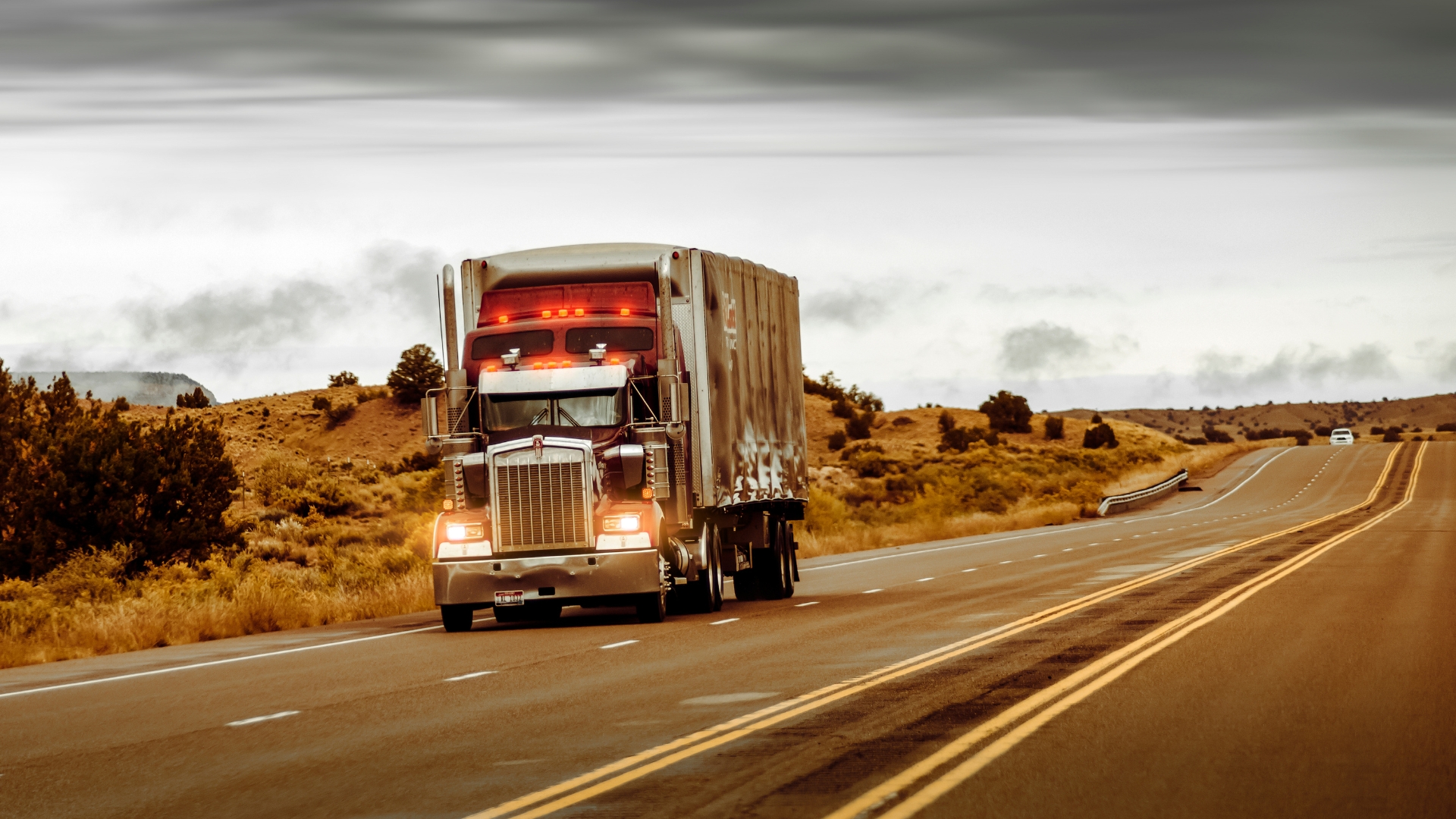
Your next steps can protect your health and your claim. Justice On Demand encourages injured people to get medical care, report the incident, save proof, and avoid signing insurance forms they do not understand.
A simple example shows the problem. Someone hurt in a commercial truck crash may leave the scene with only a phone photo and a name from one witness. Two days later, the witness forgets details, the video cycles out, and the insurance company says the proof is weak. Fast action can change that.
Report the Incident and Ask for the Record
Reporting creates a trail. In a crash, that may mean a police report or exchange of driver information. In a store, restaurant, mall, or apartment claim, that may mean an incident report with the manager or property owner.
Ask how to get a copy of the report if one exists. Do not guess at facts to fill blanks. Say what you know, avoid exaggeration, and let the evidence do its job.
Preserve Photos, Records, and Witness Names
Photos can capture details that disappear quickly. Take pictures of the vehicles, floor, lighting, injuries, shoes, clothing, weather, road conditions, signs, cameras, and nearby businesses when you can do so safely.
Witness names matter because people leave and memories fade. Save phone numbers, screenshots, messages, insurance letters, bills, and appointment notes. Justice On Demand can review those materials and decide what else needs to be requested before it disappears.
Avoid Signing Away Your Claim Too Early
Insurance paperwork can look routine, but some forms can give the insurer broad access to medical history or release claims before you know the full damage. Read everything before signing. Better yet, ask a lawyer to review it first.
Justice On Demand can explain what the form does, what information the insurer truly needs, and whether the request goes too far. That help can prevent one signature from turning into a bigger problem.
Why the Initial 30 Day Satisfaction Period Can Reduce Pressure
Starting a claim can feel like a major decision, especially when you are hurt and unsure what comes next. Justice On Demand offers an initial 30-day satisfaction period so new clients can begin the process with less pressure while the firm starts reviewing evidence, insurance issues, and treatment needs.
That service approach fits people who want clarity before the claim gets complicated. You can ask questions, understand the plan, and decide whether the relationship feels right early in the case.
Why Phoenix Truck Accident Lawyers Focus on the Full Recovery Story
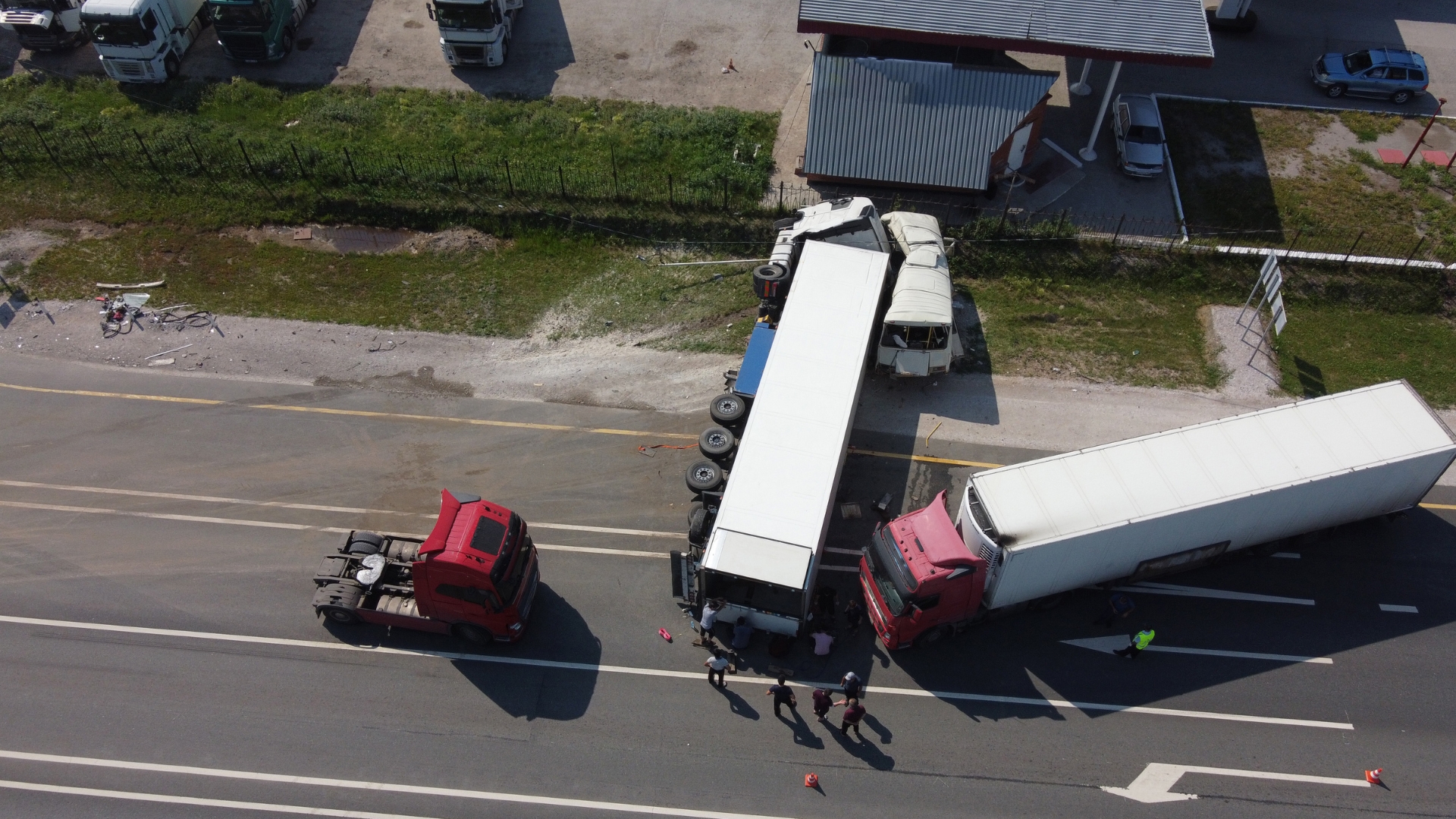
You want to know whether the claim is worth pursuing, what makes it strong, and how a lawyer can protect you while you heal. Justice On Demand builds the answer around the full recovery story, not a thin summary of the accident.
That story includes the incident, the medical treatment, the financial pressure, and the details that make your case different from the next one. A person hurt near I-10, I-17, Loop 101, Loop 202, US 60, downtown Phoenix, and the East Valley may deal with transportation issues, missed shifts, specialist referrals, and family stress while the insurer focuses on one narrow version of events.
How Daily Limitations Can Add Value to the Claim
Daily limits can show the human cost of the injury. Maybe you cannot lift a toddler, climb stairs, sleep through the night, drive to appointments, or stand long enough to work a shift. Those details help explain why the claim involves more than a bill stack.
Justice On Demand can document those limits through medical records, work notes, family observations, and your own timeline of recovery. Clear documentation can help the insurer understand what the injury changed.
Why Future Problems Need Attention Before Settlement
Some injuries do not resolve neatly. Pain may return when you go back to work, swelling may increase after activity, or a doctor may recommend more treatment after the first round of therapy. Settling too early can ignore those risks.
A careful claim review looks at future appointments, possible surgery, medication, therapy, transportation needs, and work restrictions. Justice On Demand can account for those issues before negotiation turns into a final release.
How Our Injury Firm Can Keep the Claim Personal
A smaller firm can keep the claim closer to the attorney and closer to the client. That matters when your questions change as treatment continues, when the insurer raises new defenses, or when you need someone to explain a decision without burying you in legal language.
Justice On Demand can focus on direct communication, practical guidance, and a case plan built around your injuries.
What a Strong Phoenix Injury Demand Should Explain
A strong demand should explain fault, injuries, treatment, work loss, future care, and the reasons the insurance company should pay attention. It should also answer likely defense arguments before the adjuster uses them to reduce the claim.
That means the demand should read like the full story, not a pile of bills. Justice On Demand can connect the evidence to the harm and push for a result based on the details of the case.
How Justice On Demand Keeps Phoenix Claims Moving
A claim can stall when nobody follows up on records, bills, lien questions, treatment updates, or insurance responses. Justice On Demand can keep those pieces moving while you focus on getting better.
That steady pressure helps prevent delays from becoming the insurance company’s advantage. It also gives you a clearer picture of what has happened, what still needs work, and what decision comes next. When the file stays organized, the next negotiation step can happen without rebuilding the claim from scratch today.
How Truck Accident Evidence Changes Negotiations
A strong claim benefits from practical details that people often overlook. Save medical bills, discharge papers, photos, repair estimates, shoes, clothing, app screenshots, and messages from insurers. Justice On Demand can use those records to connect the truck accident to the treatment, work problems, and daily limits that follow.
What To Save After a Phoenix Truck Accident
A strong claim benefits from practical details that people often overlook. Save medical bills, discharge papers, photos, repair estimates, shoes, clothing, app screenshots, and messages from insurers. Justice On Demand can use those records to connect the truck accident to the treatment, work problems, and daily limits that follow.
Why Medical Gaps Can Affect a Phoenix Truck Accident Claim
A strong claim benefits from practical details that people often overlook. Save medical bills, discharge papers, photos, repair estimates, shoes, clothing, app screenshots, and messages from insurers. Justice On Demand can use those records to connect the truck accident to the treatment, work problems, and daily limits that follow.
How Early Attorney Contact Helps Phoenix Injury Victims
A strong claim benefits from practical details that people often overlook. Save medical bills, discharge papers, photos, repair estimates, shoes, clothing, app screenshots, and messages from insurers. Justice On Demand can use those records to connect the truck accident to the treatment, work problems, and daily limits that follow.
Call Justice On Demand and Speak With a Phoenix Truck Accident Attorney

If you were hurt in a commercial truck crash, do not let the insurance company decide what your claim is worth before you know your options. Justice On Demand can review the facts, explain Arizona injury claim issues, and help you understand what evidence may support your case.
The firm handles personal injury cases in Phoenix and the East Valley, including claims involving the truck driver, the carrier, a maintenance company, a shipper, or another driver. You can ask questions, talk through your injuries, and learn what steps make sense before you sign anything from an insurance company.
You also deserve communication that does not leave you wondering what happens next. The firm can explain the process, review insurance pressure, and help you understand how medical care, evidence, and Arizona law fit together.
Justice On Demand offers free consultations, 24/7 availability, and an initial 30-day satisfaction period. If you need a Phoenix Truck Accident Attorney, call (480) 934-0676 or reach the firm through the contact page today.