

After a serious accident in Queen Creek, insurance pressure arrives before you can even finish healing from your injuries. A Queen Creek personal injury attorney can help you understand what needs attention now, what should be documented, and where an insurance company may try to narrow the claim too early. Justice On Demand works with injured people who need clear legal direction after a crash or other accident changes their daily stability.
You should not have to guess your way through medical bills, fault questions, claim forms, or settlement pressure while trying to recover. The first decisions after an accident can affect how the claim develops, especially when injuries are still being evaluated and records are still being gathered. Call Justice On Demand at (480) 934-0676 today to get a free consultation from our Queen Creek personal injury attorney about your accident and the next step.
Why You Should Contact a Queen Creek Personal Injury Attorney Immediately After an Accident

The first call after an accident should not wait until the claim already feels tangled. Pain, transportation problems, missed work, medical instructions, and insurance messages can start shaping the situation before you understand what the injury will require. A Queen Creek personal injury attorney gives you a way to slow those decisions down before an adjuster turns early confusion into a claim record. Justice On Demand helps injured people protect the first version of the story, the first medical timeline, and the first documents connected to the accident.
Immediate legal contact does not mean every claim becomes a lawsuit. It means someone is looking at the situation before mistakes become difficult to unwind. The early stage often includes statements, forms, photographs, medical choices, and conversations that carry more weight than they seem to carry in the moment. A Queen Creek personal injury attorney can explain which issues deserve action now and which decisions should wait until more facts are available.
Recorded Statements Before Symptoms Are Clear
The first conversations after an accident often become part of the record before anyone realizes it. An injured person might describe pain too casually, give an estimate they are not sure about, or answer a question without knowing why it was asked. Insurance adjusters often move quickly because early statements can influence how they evaluate the claim. The better approach is to speak carefully and avoid filling gaps with guesses. Legal direction early in the process helps keep uncertainty from becoming the other side’s favorite detail.
Statements Made Before Full Symptoms
A statement made too soon may not match the injury picture later. Pain can move, worsen, or reveal itself after shock and adrenaline fade. That difference can create problems if an insurer treats the first description as final.
Words Insurers May Reuse Later
Insurers often compare early words against later records. A small difference in wording can become a larger argument about credibility. Careful communication reduces the chance of giving the insurer unnecessary material.
Same Day Medical Records After Injury
Medical timing often becomes one of the first issues an insurer studies. A same-day visit, next-day appointment, urgent care note, or follow-up referral can show how the injury developed after the accident. Waiting too long may give the other side room to argue the injury came from something else. The medical timeline should reflect what the injured person actually felt, when symptoms appeared, and how the condition changed. That record becomes easier to understand when treatment starts before the claim is already disputed.
Delayed Pain After The Accident
Delayed pain is common after a stressful accident. Neck stiffness, back pain, headaches, dizziness, swelling, and joint soreness may appear after the first rush fades. Reporting those symptoms early helps create a record that follows the real recovery timeline.
Treatment Notes With Specific Complaints
Specific complaints make medical records more useful. A note that identifies the body part, pain level, movement limit, and timing says more than a general soreness complaint. Those details help connect treatment to the accident more clearly.
Insurance Pressure During Initial Recovery
Insurance pressure often arrives while the injured person still feels unsettled. An adjuster might ask for a recorded statement, a medical release, repair approval, or a quick description of what happened. Those requests can sound routine, but each one may affect the way the claim develops. The problem is not always the request itself, but the timing and scope of what the insurer wants. Early legal advice helps separate necessary communication from pressure that benefits the insurance company first.
Forms Signed Without Enough Context
Insurance forms can look simple while carrying serious consequences. A broad medical release may give access to records that have nothing to do with the accident. A settlement document may close the claim before treatment and losses are fully understood.
Quick Offers During Financial Stress
A quick offer can feel tempting when bills are already arriving. The first number rarely tells the whole story about treatment, missed income, or continued pain. Settlement decisions deserve patience when the injury picture is still changing.
Early Legal Review Before Settlement Pressure
Accident claims rarely create only one decision at a time. Medical appointments, vehicle repairs, missed work, insurance calls, and family responsibilities can all arrive together. Without direction, the injured person may handle each problem separately and miss how the pieces affect the claim. Legal guidance brings those pieces into one view before important details scatter. Contacting a lawyer early gives the claim a cleaner start when the situation still feels crowded.
Records Saved While Details Remain Fresh
Fresh records are easier to preserve than reconstruct later. Photos, receipts, names, appointment notes, insurance letters, and work records can all support the claim. Keeping them together from the beginning prevents avoidable gaps.
Questions Answered Before Mistakes Spread
Questions usually appear before the injured person knows which ones matter most. Early answers help prevent one rushed decision from creating several new problems.
What Types of Accident Claims Does a Queen Creek Personal Injury Attorney Handle
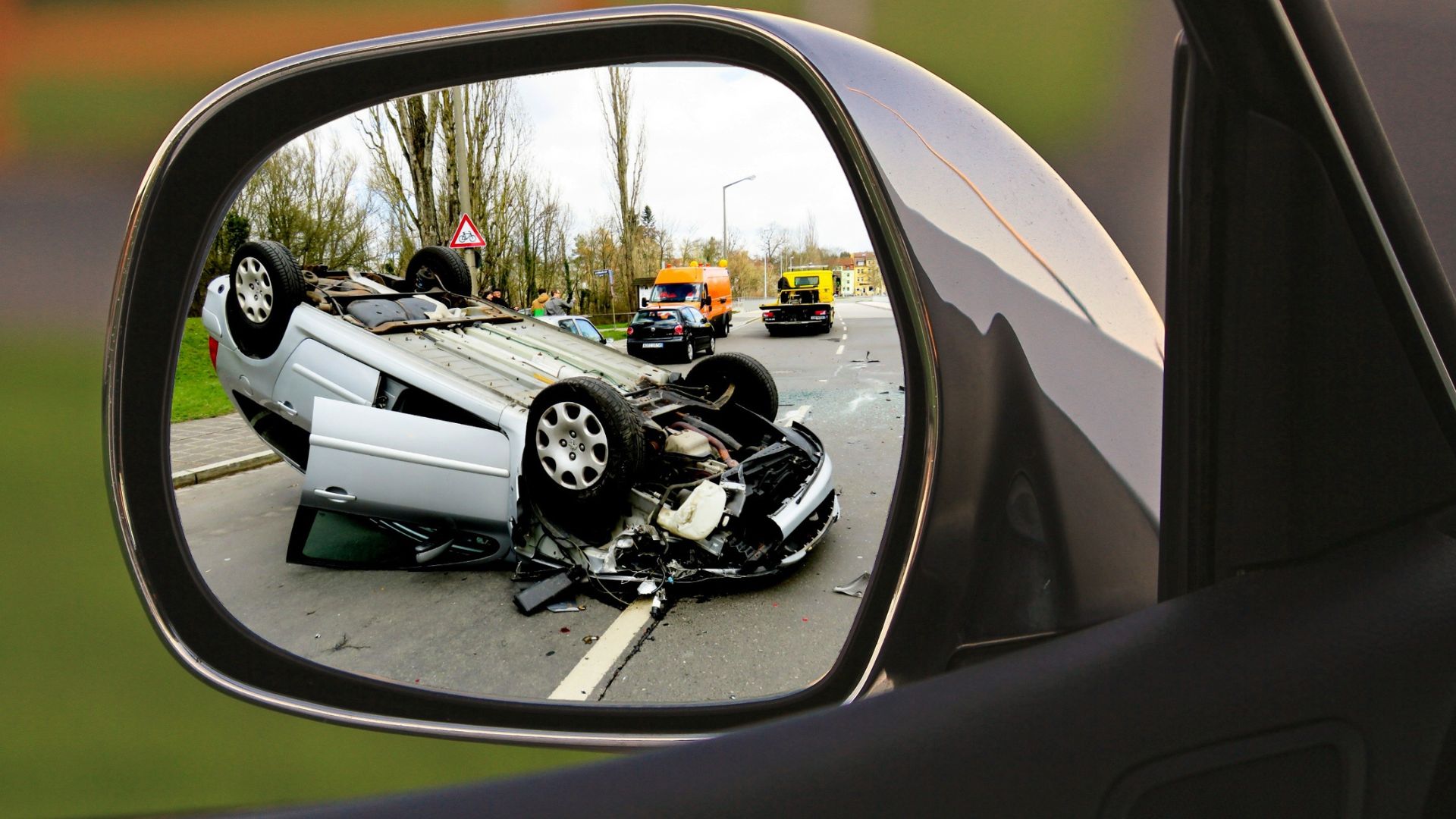
Personal injury work covers many situations, but the common thread is preventable harm. A Queen Creek personal injury attorney looks at the accident type, the injured person’s role, the available insurance, and the conduct that caused the loss. Some claims begin with a crash scene and damaged vehicles, while others begin with a fall, a dangerous property condition, or a company denying responsibility. The category matters because each accident creates different proof problems, deadlines, insurance questions, and recovery concerns.
A parent page should not treat every injury claim as the same story with a different label. A truck crash, motorcycle collision, rideshare accident, and slip and fall case each demand a different legal lens. The right claim strategy depends on who controlled the risk before the injury happened. A Queen Creek personal injury attorney uses those differences to decide what needs attention first and what should not be ignored.
Car Crashes With Disputed Details
Car accident claims often start with two drivers giving different versions of the same impact. One driver might describe a turn, stop, lane movement, or traffic signal in a way that protects their own position. The injured person then needs more than frustration to push back against that version. Vehicle damage, photos, witness details, medical timing, and insurance statements all begin carrying weight. A Queen Creek personal injury attorney reviews those details before an insurer treats the other driver’s account as the easier answer.
Driver Choices Before The Collision
The moments before impact often reveal the real issue. A driver might have followed too closely, looked away, moved without checking, or reacted too late. Those choices matter more than a polished explanation given after the crash.
Repair Records And Injury Timing
Repair records show one side of the collision story. Medical timing shows how the crash affected the injured person afterward. Together, those records help connect the property damage with the physical harm.
Truck Accidents With Company Involvement
Truck accident claims often bring a business into the background of the crash. The vehicle might have been used for deliveries, service work, hauling, construction, or another commercial purpose. That changes the claim because responsibility might extend beyond the driver who caused the impact. Company procedures, vehicle condition, work assignments, maintenance choices, and insurance coverage deserve attention. A Queen Creek personal injury attorney looks for those business connections before the case gets reduced to ordinary driver error.
Commercial Vehicles And Work Activity
Commercial vehicle claims depend heavily on why the truck was on the road. A work trip, delivery route, company assignment, or business errand can change the responsibility picture. Those facts should be identified before the insurer limits the claim to the driver alone.
Maintenance And Safety Records
Maintenance records may show whether the vehicle had known problems. Safety records may reveal whether a company took reasonable steps before the crash. Those documents can matter when the truck itself contributed to the collision.
Motorcycle And Rideshare Injury Claims
Motorcycle and rideshare claims both create problems that ordinary crash claims do not always raise. Riders often face unfair assumptions about speed, risk, and visibility after a collision. Rideshare passengers or drivers may face confusion over app status, trip records, and which insurance policy should respond. These claims require attention to the injured person’s position before the insurance process gets too narrow. A Queen Creek personal injury attorney separates those issues so the case does not get handled like a routine traffic collision.
Rider Bias After Motorcycle Crashes
Motorcycle claims often require a direct response to assumptions about the rider. The presence of a bike does not prove speeding, recklessness, or shared blame. The claim should focus on driver conduct, crash facts, injury patterns, and the proof available.
Rideshare Coverage And Trip Status
Rideshare claims often turn on whether the app was active. A driver waiting for a request creates different questions than a driver carrying a passenger. Trip records can point the claim toward the correct coverage path.
Falls And Unsafe Property Claims
Slip and fall claims usually depend on what the property owner knew before the injury occurred. A fall caused by liquid, uneven flooring, poor lighting, loose mats, broken surfaces, clutter, or missing warnings requires a close look at the condition itself. The strongest details often disappear quickly because a hazard can be cleaned, repaired, moved, or denied. Notice becomes important when the property had time to fix the danger or warn people away from it. A Queen Creek personal injury attorney examines the property condition before the fall gets dismissed as simple clumsiness.
Hazards That Should Be Fixed
Unsafe property conditions should not be ignored until someone gets hurt. Spills, broken walking surfaces, poor lighting, and loose materials can create risks for visitors using the space normally. The claim becomes stronger when the hazard shows the property had a chance to respond.
Reports, Witnesses, and Scene Photos
Fall claims often rely on proof gathered quickly. Reports, witness names, and scene photos can preserve details before the property changes. Those records help show what existed at the time of the injury.
What Evidence Is Important After an Accident in Queen Creek, Arizona

Evidence after an accident does one simple job, it keeps the claim from depending only on opinion. The strongest details usually come from things captured before the scene changes, before pain gets minimized, and before an insurer starts building a cleaner version of events. A Queen Creek personal injury attorney looks at the proof from several directions, including the scene, witnesses, medical care, and written communication. Each piece should answer a specific question about what happened, who was involved, and how the injury changed the injured person’s life.
Good evidence does not always look dramatic at first. A blurry photo, a short witness name, an urgent care note, or a saved insurance email might become important weeks later when fault, injuries, or damages are disputed. The key is preserving details while they still exist instead of trying to rebuild the claim from memory. A Queen Creek personal injury attorney can use those materials to keep the case grounded in records rather than assumptions.
Photos That Preserve the Accident Scene
Photos often capture details that disappear before anyone realizes they matter. A vehicle may get towed, a spill may get cleaned, damaged property may get repaired, or debris may be cleared away. Images taken from different distances can show both the larger setting and the smaller details connected to the injury. Good photos do not need to be perfect, but they should show what the injured person saw as accurately as possible. A claim built with visual proof is harder to reduce to someone else’s short explanation.
Vehicle Positions and Property Conditions
Vehicle positions can help explain movement, impact direction, and the location of the collision. Property conditions can show hazards such as uneven surfaces, poor lighting, wet areas, broken materials, or missing warnings. These details are strongest when photographed before anyone moves, repairs, or cleans the area.
Timestamps and Angles in Photos
Timestamps can show how soon the photos were taken after the accident. Multiple angles can prevent an insurer from claiming the image hides important context. Wide shots and close shots work together because each view answers a different question.
Witness Names Before Memories Fade
Witness information is often easier to get in the moment than later. People who saw the accident may leave quickly, forget details, or become impossible to identify after the scene clears. A witness does not need to explain the whole case to become useful. Even a short observation about timing, movement, a hazard, or someone’s behavior can support another piece of evidence. Names and contact information should be saved before the claim depends only on the people directly involved.
Independent Accounts From Nearby People
Independent witnesses can provide details without having a personal stake in the result. Their observations may confirm who moved first, where a hazard was located, or how the injury happened. The most useful accounts describe actions and conditions instead of broad opinions.
Contact Details Saved Right Away
A name without a phone number or email may not be enough later. Witnesses are much harder to find once they leave the scene. Saving contact details immediately gives the claim a better chance of preserving useful testimony.
Medical Records Showing Injury Progression
Medical records create a timeline that memory cannot always provide. The first visit may identify pain locations, visible injuries, movement limits, referrals, or symptoms that appeared soon after the accident. Later records can show whether the condition improved, worsened, or required additional care. This timeline becomes especially important when an insurer claims the injury was minor or unrelated. Detailed medical documentation helps connect the accident to the recovery process.
First Visit Notes After Injury
The first medical visit can anchor the injury timeline. Providers may record pain levels, swelling, bruising, dizziness, range of motion problems, or other physical complaints. Those notes often become important when symptoms continue after the initial appointment.
Follow-Up Care and Restrictions
Follow-up care shows whether the injury required more than one visit. Restrictions on lifting, driving, standing, walking, or working can explain how the injury affected daily life. Continued treatment also helps show that the harm did not end after the first evaluation.
Insurance Documents and Written Communication
Insurance communication should be saved instead of handled only through memory. Letters, emails, claim numbers, text messages, repair estimates, medical requests, and settlement papers can show how the claim developed over time. Written records also reveal what the insurer asked for, what it denied, and how it explained its position. That paper trail becomes important when the insurance company later changes tone or disputes what was discussed. Organized communication keeps the injured person from relying on scattered calls and incomplete notes.
Claim Numbers and Adjuster Letters
Claim numbers help track which insurer, adjuster, or policy is involved. Adjuster letters may show requests for records, coverage positions, deadlines, or settlement language. Keeping those documents together prevents confusion when several communications arrive close together.
Recorded Requests and Settlement Papers
Requests for recorded statements deserve careful attention before any response is given. Settlement papers should be read closely because they may release rights once signed. Saving these documents allows the claim to be reviewed before a rushed decision creates lasting consequences.
How Arizona Injury Laws Affect Personal Injury Claims in Queen Creek

Arizona law affects a personal injury claim before an insurance company ever makes a real offer. The rules can control how long you have to act, how fault gets divided, which reports become part of the record, and what happens when a settlement is signed. A Queen Creek personal injury attorney can look at those legal issues early so the claim does not move forward on assumptions alone. The injured person still needs treatment, records, and proof, but the law decides how those pieces fit inside the claim.
This section is not meant to turn your accident into legal jargon. It is meant to show why timing, fault, paperwork, and settlement language deserve attention before the insurance company sets the pace. Arizona injury laws can affect car accidents, truck accidents, motorcycle crashes, rideshare collisions, slip and fall claims, and other injury cases in different ways. A Queen Creek personal injury attorney can explain which rules matter most for your situation before a deadline, blame argument, or release creates avoidable problems.
Arizona Deadlines for Injury Claims
Arizona generally gives injured people two years to bring many personal injury claims, but waiting until the deadline gets close can create practical problems. Medical records may take time to collect, witnesses may become harder to reach, and insurance negotiations may slow down before the claim is ready for a final decision. The legal deadline does not move just because treatment continues or an adjuster says the claim is still under review. An injured person may think they have plenty of time while important records, photos, and claim details are becoming harder to organize. A Queen Creek personal injury attorney can track the legal timeline while the injured person focuses on recovery and treatment decisions.
Legal Time Limits After Accidents
A deadline can affect strategy long before the final day arrives. Claims need enough time for records, medical updates, settlement discussions, and filing decisions when negotiations do not resolve the case. Waiting too long can leave fewer options if the insurance company delays, disputes fault, or undervalues the injury.
Ongoing Treatment and Legal Timing
Treatment may continue for months after a serious accident. That does not mean the legal timeline pauses until the injured person feels fully recovered. The claim should account for future care while still respecting the deadline that applies under Arizona law.
Comparative Fault and Shared Responsibility
Arizona comparative fault rules matter because an insurance company may argue that the injured person shares some responsibility for the accident. That argument can affect the value of the claim, even when another person clearly did something wrong. A percentage of fault should not come from guesswork, pressure, or an adjuster’s preferred version of events. It should be tied to facts that show how the accident happened and whether the injured person’s conduct actually contributed to the injury. A Queen Creek personal injury attorney can challenge blame percentages that stretch beyond the evidence.
Fault Percentages and Claim Value
Fault percentages can change the amount an injured person may recover. Even a small percentage assigned unfairly can reduce the insurance company’s offer. That is why responsibility should be reviewed through evidence instead of quick assumptions made after the accident.
Blame Arguments Without Proof
Insurance companies may raise blame arguments based on timing, movement, attention, footwear, speed, or incomplete statements. Those arguments should be tested against records, photos, witness accounts, medical timing, and the full accident story. Unsupported blame should not become the reason a valid claim gets reduced.
Accident Reports and Official Records
Official records can shape how an injury claim begins, especially after a motor vehicle accident. Arizona law requires written reports for certain investigated crashes, including crashes involving injury, death, citation, or property damage above the statutory threshold. These reports may include identifying information, witness details, insurance information, a narrative, and a diagram. They can help organize the claim, but they do not always tell the whole story of injuries, recovery, or disputed responsibility. A Queen Creek personal injury attorney can review an accident report alongside the rest of the claim instead of treating it as the only version that matters.
Written Reports After Vehicle Crashes
A written crash report can provide a useful starting point after a collision. It may identify the drivers, vehicles, witnesses, insurance information, and the officer’s understanding of the crash. The report should still be compared with photos, medical records, repair information, and witness details before the claim depends on it.
Diagrams and Narrative Details
A diagram may show vehicle positions or movement in a simple way. A narrative may include important observations, but it may also leave out details that become important later. The claim should not ignore injuries, symptoms, or later evidence just because the first report was brief.
Insurance Releases and Final Settlements
A settlement release can close the claim permanently once it is signed. That matters because injuries may keep changing, bills may remain unresolved, and future treatment may still be uncertain when the insurance company presents paperwork. The payment may look helpful in the moment, but the release language often protects the insurer from further responsibility. An injured person should understand what losses the offer covers and what rights may be given up before accepting anything final. A Queen Creek personal injury attorney can review the settlement posture before a short-term payment creates a long-term problem.
Release Language Before Signing
Release language can be more important than the settlement number alone. It may end the right to seek additional payment for the same accident. That language deserves review before the injured person assumes the claim can be reopened later.
Future Medical Costs and Losses
Future medical costs can become a major issue when symptoms continue, or doctors recommend more care. Lost income, reduced mobility, therapy, injections, specialist visits, or ongoing pain may affect the claim after the first offer arrives. Those future losses should be considered before the settlement becomes final.
Legal Rules for Different Accident Types
Arizona injury laws do not affect every accident in the exact same way. A vehicle crash may involve police reports, insurance coverage, comparative fault, and repair documentation, while a slip and fall may turn on property notice, maintenance practices, and dangerous conditions. Truck accidents can add commercial insurance and company records, and rideshare claims can raise coverage questions tied to the driver’s app status. Motorcycle claims may require a direct response to blame arguments that unfairly target riders. A Queen Creek personal injury attorney can identify which legal issues fit the accident type instead of forcing every claim through the same process.
Vehicle Claims and Property Claims
Vehicle claims often focus on driver conduct, crash records, insurance coverage, medical treatment, and fault percentages. Property claims often focus on notice, unsafe conditions, maintenance, and whether the owner had a fair chance to correct the danger. Separating those claim types helps keep the legal review focused on the right issues.
Claim Strategy Based on Injury Type
The injury itself can also shape the legal strategy. A concussion, fracture, spinal injury, burn, road rash, or soft tissue injury may require different records and different medical explanations. The claim becomes stronger when the legal approach matches the actual harm, not just the accident category.
Why Queen Creek Residents Choose Justice On Demand After Serious Accidents

After a serious accident, people usually need more than someone to open a claim file. They need a legal team that can make sense of the pressure coming from medical bills, missed income, insurance calls, fault disputes, and decisions that feel too important to rush. Justice On Demand gives Queen Creek injury clients a place to bring the whole situation, not only the part an insurance company wants to discuss. A Queen Creek personal injury attorney should help you understand the claim before paperwork, adjuster questions, or settlement pressure start driving the process.
The right legal approach depends on the kind of accident, the severity of the injury, and the problems already building around the injured person. A fall on unsafe property does not need the same claim strategy as a motorcycle crash, a truck accident, a rideshare collision, or a serious car crash. Justice On Demand looks at what happened, what has changed since the accident, and what risks need attention before the claim moves forward. That practical approach helps injured people make decisions with better information instead of reacting to whatever the insurer sends next.
Direct Answers After Serious Accidents
A personal injury claim becomes harder when the injured person cannot get straight answers. Justice On Demand keeps communication practical, direct, and connected to the problems affecting recovery. Clients may need to ask about treatment, missed work, insurance paperwork, medical bills, or a settlement offer that arrived too soon. Those questions deserve real attention because they often shape decisions before the case ever reaches negotiation. A Queen Creek personal injury attorney should make the process easier to understand, not harder to follow.
Answers Before Claim Pressure Builds
Early answers can keep a difficult situation from becoming more stressful. An injured person may need to know whether to speak with an adjuster, save certain records, or respond to a form. Getting those answers before pressure builds can prevent rushed choices from weakening the claim.
Access During Urgent Claim Moments
Accident questions do not always wait for a convenient time. A call from an insurer, a new medical issue, or a confusing document can create concern quickly. Direct access matters when the next decision could affect the claim.
Claim Strategy Built Around the Accident
Different accidents create different claim problems, so the same approach will not fit every case. A truck accident may require attention to company involvement, while a slip and fall may turn on notice and property conditions. A rideshare crash can raise app status questions, and a motorcycle claim may require a response to unfair blame. Justice On Demand looks at those differences before deciding what the claim needs. This keeps the legal work tied to the facts instead of a generic personal injury routine.
Strategy Based on Claim Category
The type of accident can change the documents, arguments, and insurance issues involved. Vehicle crashes, fall injuries, rideshare collisions, and commercial vehicle cases all bring different proof concerns. A focused strategy helps the claim move in the right direction from the beginning.
Details That Change the Approach
Small facts can change how a claim should be handled. The person who caused the injury, the available insurance, the location of the accident, and the injury pattern can all affect the next step. Those details deserve attention before the claim is treated like a standard file.
Protection Against Insurance Pressure
Insurance companies often look for the fastest way to limit a claim. That shortcut may come through a narrow injury review, a recorded statement, a broad medical release, a quick offer, or a blame argument that does not match the facts. Justice On Demand helps clients recognize when a request needs caution before they respond. The goal is not to make the process more complicated, but to keep the injured person from giving up ground unnecessarily. A Queen Creek personal injury attorney can help slow down decisions that should not be rushed.
Requests That Deserve Care
Some insurance requests are routine, while others can affect the value or direction of the claim. Medical releases, recorded statements, written summaries, and settlement forms should be reviewed before they are treated as harmless paperwork. Careful handling can protect the claim from mistakes that are difficult to fix later.
Quick Offers With Missing Context
A fast offer may leave out important parts of the injury. Treatment may still be ongoing, wage loss may still be building, and pain may still be changing daily routines. Settlement discussions should not move ahead before the full claim picture is understood.
Settlement Guidance Before Final Decisions
A settlement should not feel like a guess. Before accepting an offer, the injured person should understand what the payment covers, what it leaves unresolved, and what rights may be released. Justice On Demand helps clients look at settlement decisions through the injury, treatment, financial losses, disputed facts, and future concerns connected to the accident. That review matters because settlement usually brings final consequences. A Queen Creek personal injury attorney can help clients decide whether the offer reflects the claim or simply ends it on the insurer’s terms.
Offers Compared Against Actual Losses
A settlement offer should be compared against the losses already documented and the problems still developing. Medical costs, missed income, treatment needs, pain limits, and practical expenses may all affect the decision. The number deserves review before it becomes final.
Final Paperwork Before Signing
Final paperwork can close the claim permanently. Release language may prevent future requests for more payment, even when symptoms continue or bills remain unresolved. Reading those terms carefully helps prevent surprises after the claim ends.
Call Justice On Demand After a Serious Accident in Queen Creek

After a serious accident in Queen Creek, medical care, missed work, insurance calls, and family responsibilities do not wait until you feel ready to deal with them. Justice On Demand helps injured people in Queen Creek take the next step with a claim that needs attention, organization, and a steady legal direction. A Queen Creek personal injury attorney can look at what happened, what has changed since the accident, and what needs to be protected before the insurance company pushes the claim forward.
You do not need to have every document ready or every question figured out before asking for help. Our firm can give you a better sense of your rights, your options, and the issues that may affect your recovery. Call Justice On Demand today at (480) 934-0676 or visit our contact page to get a free case review from our Queen Creek personal injury attorney.