

A serious injury in the East Valley can become overwhelming quickly as medical treatments and legal processes come at the same time immediately after an accident. The aftermath can involve pain, transportation problems, medical instructions, missed work, family concerns, and insurance contact that arrives before the facts are organized. An East Valley personal injury attorney can help sort the claim using all the crash evidence, including where the injury happened, who may be responsible, what evidence still exists, and how the losses are beginning to affect daily life. Justice On Demand helps injured people take control of the process before early settlement pressure starts to minimize the claim.
Personal injury claims across the East Valley may involve car crashes, truck collisions, motorcycle wrecks, rideshare accidents, unsafe property conditions, or other serious incidents caused by another person’s negligence. The right legal review looks at more than the accident category because medical care, Arizona law, insurance coverage, fault disputes, and long-term recovery can all influence the direction of the claim. Each early decision can affect what gets documented, how responsibility is presented, and whether the insurance company receives an incomplete picture of the harm done. Call Justice On Demand today at (480) 934-0676 for a free consultation from our East Valley personal injury attorney.
What Accident Cases Does an East Valley Personal Injury Attorney Handle
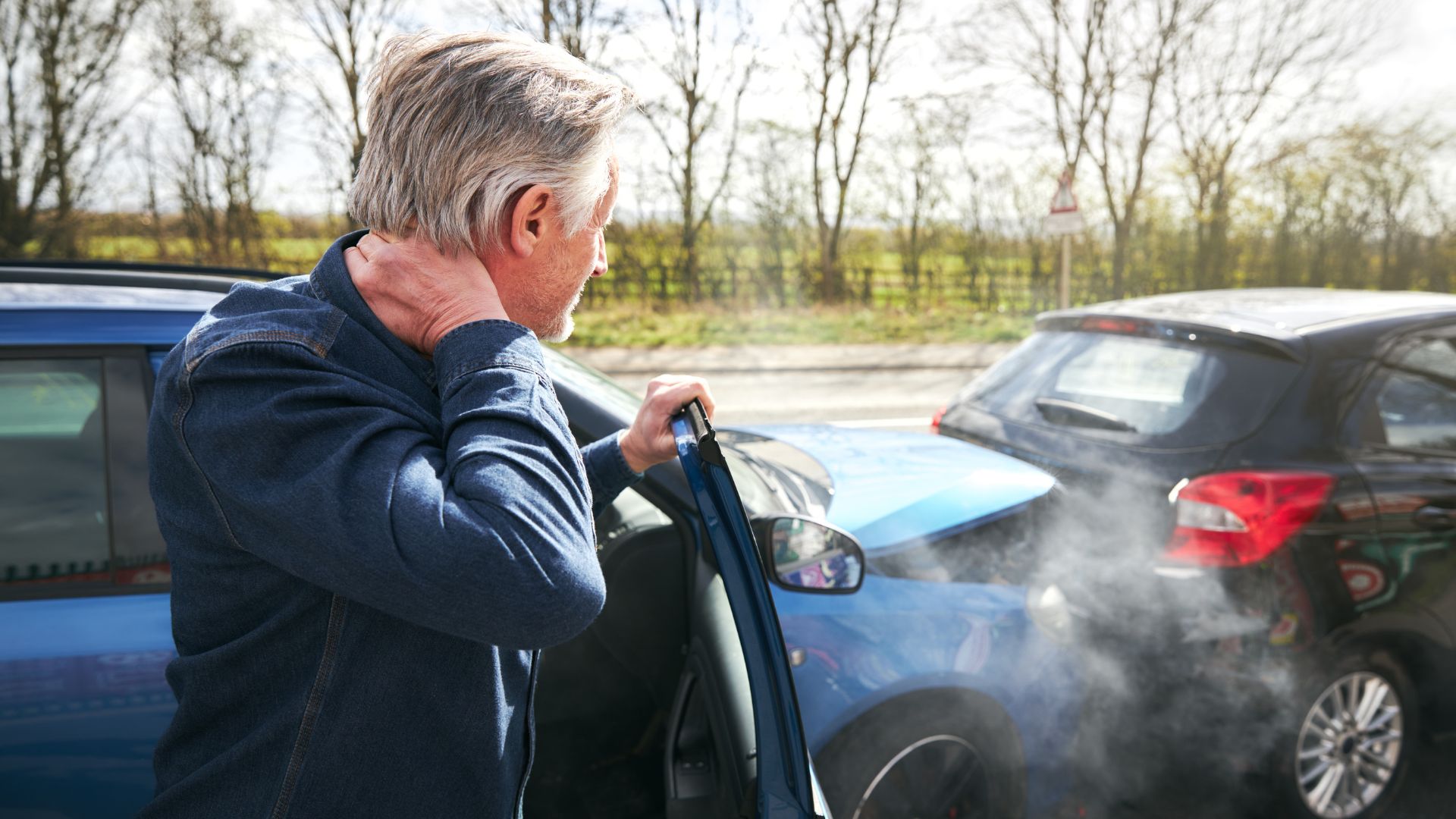
Personal injury cases in the East Valley do not all begin the same way. One claim may come from a rear-end crash on a busy road, while another may involve a delivery truck, a motorcycle rider, a rideshare trip, or a fall inside a business. Justice On Demand looks at the type of accident first because each category brings different evidence, insurance questions, injury patterns, and fault arguments. The claim becomes easier to understand when the accident is reviewed through the specific circumstances that caused the injury.
Justice On Demand handles injury claims involving crashes, falls, and other accidents that leave people facing medical care, missed work, and pressure from insurance companies. A car crash may depend on vehicle movement and driver distraction, while a fall may depend on property conditions and notice. A motorcycle or rideshare accident may raise completely different questions about bias, app records, or insurance coverage. The right legal review starts by identifying the claim type before building the facts around it.
Car Accidents With Disputed Fault
Car accident claims often turn on details that drivers remember differently after impact. One person may blame following distance, another may point to a sudden lane change, and an insurer may focus on anything that reduces its own driver’s responsibility. Vehicle damage, crash reports, photos, witness statements, and medical records can help explain what actually happened. An East Valley personal injury lawyer can review those details before the insurance company treats one version as complete. The goal is to connect the collision, the injury, and the losses in a way that supports the full claim.
Rear-End and Intersection Crashes
Rear-end and intersection crashes can involve speed, distraction, traffic lights, turns, and failure to yield. These cases often require more than a basic exchange of insurance information. The exact movement of each vehicle can affect how fault gets argued.
Vehicle Damage and Driver Statements
Vehicle damage may show more than the drivers describe. Impact points, repair estimates, and photographs can support or challenge statements made after the crash. Those details become important when an insurer tries to shift blame.
Truck Accidents With Company Involvement
Truck accident claims often involve more than the driver behind the wheel. A company may own the truck, assign the route, control the schedule, maintain the vehicle, or carry the commercial insurance policy. Those business details can affect how responsibility gets reviewed after a serious collision. Truck crashes may also cause heavier injuries because of vehicle size, weight, braking distance, and impact force. An East Valley personal injury attorney can examine the driver’s actions along with the company decisions that may have contributed to the crash.
Commercial Coverage After Truck Crashes
Commercial coverage can create a different claim process than a regular car accident. The insurer may request more documentation, review company records, or dispute who should be responsible. Those issues should be addressed before the claim is narrowed too early.
Driver Records and Vehicle Maintenance
Driver records and maintenance history may reveal safety problems before the crash. Log information, repair records, inspection details, and company policies can all matter. Those records may show whether the collision resulted from preventable choices.
Motorcycle Accidents With Rider Blame
Motorcycle accident claims can become unfair when the rider gets judged before the facts are reviewed. A driver may say the motorcycle appeared suddenly, while an insurer may question speed, lane position, or riding choices without enough proof. The claim should focus on the driver’s movement, the rider’s visibility, the impact point, and the physical evidence left at the scene. Motorcycle injuries may also involve road rash, fractures, head symptoms, shoulder damage, back pain, and long recovery periods. An East Valley personal injury lawyer can help keep the claim focused on evidence instead of assumptions about riding.
Visibility Claims From Other Drivers
Visibility claims often appear when a driver failed to notice a motorcycle. The issue should be whether the driver looked carefully, yielded properly, and respected the rider’s lane. A smaller vehicle does not excuse unsafe driving decisions.
Gear Damage and Crash Mechanics
Helmet damage, torn clothing, scraped gloves, and motorcycle damage can help explain impact force. These details may support the injury record when vehicle damage alone looks limited. Physical evidence can make the rider’s account harder to dismiss.
Rideshare Accidents With Coverage Questions
Rideshare accident claims may depend on what the driver was doing in the app when the crash happened. A driver could be offline, waiting for a ride request, heading toward a pickup, carrying a passenger, or using the vehicle outside the rideshare platform. Each status can affect which insurer responds and how the claim is reviewed. Injured passengers, other drivers, pedestrians, or riders waiting for pickup may all face confusing answers after the crash. An East Valley personal injury attorney can review app activity, trip records, crash facts, and insurance responses before the claim gets placed in the wrong category.
App Status and Trip Timing
App status and trip timing can shape the coverage path. Accepted rides, pickup movement, passenger entry, and completed trip records may all matter. The claim should be based on the actual digital timeline.
Insurers Disputing Ride Coverage
Insurers may disagree about whether personal or rideshare coverage applies. One carrier may delay while another denies responsibility. Those conflicting positions should be compared against app records and policy language.
Slip and Fall Accidents on Unsafe Property
Slip and fall claims usually begin with a condition that changed the safety of a walking area. A neglected spill, uneven surface, loose mat, poor lighting, broken step, or missing warning can turn an ordinary visit into a serious injury. Property owners may later argue the danger was obvious, new, minor, or unrelated to the injury. The claim should examine what caused the fall, how long the danger existed, and how the property owner responded afterward. An East Valley personal injury attorney can help preserve the facts before cleanup, repairs, or incomplete reports change the claim.
Hazards in Walking Areas
Walking area hazards should be reviewed by location, visibility, timing, and condition. A wet floor near an entrance creates different questions than a cracked walkway outside. The specific hazard helps explain why the fall happened.
Reports, Photos, and Witnesses
Incident reports, photos, and witnesses can preserve details that disappear quickly. A cleaned spill or repaired surface may look harmless after the fact. Early proof helps connect the unsafe condition to the injury.
What Evidence and Arizona Laws Influence East Valley Personal Injury Claims
Accident evidence and Arizona law work together in an injury claim long before settlement talks begin. An East Valley personal injury attorney may review photographs, medical records, crash reports, witness details, repair documents, app data, property records, and insurance letters alongside the rules that affect timing, fault, and recovery. A claim becomes stronger when the record explains what happened, why another party may be responsible, and how the injury changed the person’s life. The legal framework gives those facts direction instead of leaving them scattered across documents.
Arizona personal injury claims can involve filing deadlines, shared fault arguments, insurance defenses, and proof requirements that change with the accident type. A car crash may depend on driver movement and vehicle damage, while a fall inside a business may depend on property records and notice evidence. A rideshare accident may require digital trip data that never appears in a basic crash report. Justice On Demand reviews those differences early so the claim is built from connected proof, not incomplete paperwork.
Arizona Deadlines for Injury Claims
Arizona generally gives injured people a limited time to bring a personal injury claim. Missing the filing deadline can damage the case even when the accident, injuries, and losses are serious. Timing matters from the beginning, especially when treatment continues or an insurer keeps asking for more information. An East Valley personal injury lawyer can review the accident date, the claim timeline, and any facts that may affect the filing analysis. The claim should be organized before the legal clock creates avoidable risk.
Dates That Control the Claim
The accident date is often the starting point for deadline review. Medical visits, insurance communications, settlement discussions, and repair delays do not automatically remove the need to protect the claim. Keeping key dates organized helps prevent a serious timing issue.
Delays That Create Legal Risk
Delay can create problems before a formal deadline arrives. Witnesses may become harder to reach, camera footage may disappear, and records may take longer to collect. Early action helps preserve the claim while facts are easier to confirm.
Comparative Fault Under Arizona Law
Arizona allows fault to be divided between more than one person. That rule matters when an insurer argues the injured person caused part of the accident or made the injury worse. A driver may be blamed for speed, a rider may be blamed for lane position, or a fall victim may be blamed for missing a hazard. An East Valley personal injury attorney can respond by showing what the other party did wrong and why the blame argument does not match the evidence. The percentage of fault assigned can affect how much compensation is recovered.
Blame Arguments After Accidents
Blame arguments often appear when an insurer wants to reduce payment. The argument may focus on a statement, a photograph, a traffic movement, or the injured person’s conduct. Those claims should be tested against the full record, not accepted from the insurance company.
Evidence That Limits Fault Shifting
Evidence can keep fault arguments from becoming exaggerated. Photos, video, witness accounts, vehicle damage, property records, and medical documentation may show what really caused the injury. That proof matters when responsibility gets stretched beyond what the facts support.
Accident Reports and Scene Evidence
Accident reports can provide a useful starting point, but they rarely tell the whole story. A report may include names, location, insurance information, citations, witness details, weather notes, or a brief description of what happened. Scene evidence adds the details reports often miss, including vehicle positions, debris, road markings, lighting, damaged property, visible injuries, warning signs, or nearby cameras. An East Valley personal injury attorney can compare the report with photographs, medical records, witness information, and other available proof. The goal is to keep the claim grounded in facts instead of relying on a short summary.
Details Missing From Reports
Reports may leave out important facts because the scene was busy or injuries were still developing. A brief description may not capture pain, vehicle movement, driver distraction, unsafe property conditions, or later medical findings. Missing details should be filled in before an insurer treats the report as complete.
Photos Preserving the Scene
Photos can preserve what changed after the accident. Vehicle damage, road conditions, warning signs, spills, lighting, broken pavement, and surrounding obstacles may all matter. Those images can support the claim when written records leave out important details.
Medical Records and Settlement Documents
Medical records and settlement documents can decide whether the claim reflects the full harm caused by the accident. Emergency care, imaging, therapy notes, specialist referrals, prescriptions, work restrictions, and follow-up appointments can show how the injury developed. Settlement paperwork may also close the claim permanently, even if pain continues or bills arrive later. An East Valley personal injury lawyer can review the medical timeline, the offer, the release language, and the losses included before anything is signed. The final documents should match the full claim record, not only the insurer’s preferred version.
Treatment Notes After the Injury
Treatment notes should explain what hurts, when symptoms began, and how the injury affects movement or daily activity. Those details help connect the medical record to the accident itself. Vague notes can make it easier for an insurer to question the claim.
Release Terms Before Signing
Release terms should be reviewed before any agreement becomes final. The document may prevent future claims against certain people, companies, or insurers. Understanding those limits helps avoid signing away rights without knowing what is being closed.
How Liability Arguments and Insurance Disputes Affect East Valley Injury Cases

Insurance companies often begin with the part of the story that lowers their exposure. A driver may be described as careful, a property owner may be described as unaware, or an injury may be treated as unrelated to the accident. Those positions can shape the claim before medical care is finished or every record has been collected. An East Valley personal injury attorney can respond by separating what the insurer is arguing from what the evidence actually supports.
Liability disputes are not always direct denials. Sometimes the insurer accepts that something happened but questions the severity, timing, cause, or financial value of the harm. A claim may stall because the company wants more records, challenges treatment, or suggests the injured person shares responsibility. The response needs to address each argument without letting the insurer redefine the accident in its own favor.
Fault Disputes After Vehicle Collisions
Vehicle collision claims often become disputes over movement, distance, attention, and timing. One driver may claim the other vehicle stopped too fast, changed lanes without warning, turned too late, or appeared from an unexpected direction. These arguments need to be compared against damage patterns, road position, witness accounts, video, and the sequence of events before impact. An East Valley personal injury attorney can examine whether the insurer’s version matches the physical evidence. A claim becomes stronger when the fault analysis follows the crash mechanics instead of the loudest statement.
Driver Statements After the Crash
Driver statements can change once insurance coverage and financial exposure become clear. A person may describe the crash one way at the scene and another way later. Comparing those statements with photographs, reports, and witness details helps expose inconsistencies.
Impact Points on the Vehicles
Impact points can reveal how the vehicles came together. Front damage, side damage, rear damage, and scrape direction may each support or weaken a liability argument. Those details help test whether the insurer’s version fits the collision.
Property Owners Denying Unsafe Conditions
Property owners may deny responsibility by saying the area was safe, clean, inspected, or properly marked. That response can leave out the condition the injured person actually encountered before falling. A spill, broken walkway, dim entrance, loose mat, or missing warning may not appear in the owner’s description if the property changed afterward. The claim should review what the walking area looked like before cleanup, repair, or report writing changed the picture. Liability depends on the unsafe condition and the owner’s response, not only the owner’s explanation.
Maintenance Records Before the Injury
Maintenance records can show whether the property was being checked with reasonable care. Missing entries, long inspection gaps, repeated problems, or vague notes may raise questions about safety practices. Those records can matter when the owner claims the hazard was not known.
Conditions Corrected After the Fall
A condition fixed after the fall may still help explain what happened earlier. A moved mat, cleaned spill, added sign, repaired edge, or replaced light can show what needed attention. Those changes should be documented before they are treated as unrelated.
Insurers Questioning Injury Causation
An insurer may argue that the accident did not cause the injury being claimed. The company may point to prior pain, delayed treatment, a gap in appointments, or symptoms that developed after the first medical visit. Those arguments can sound convincing when the medical timeline is incomplete. An East Valley personal injury attorney can review whether the treatment record explains how the injury appeared, progressed, and affected daily activity. The issue is whether the medical evidence connects the accident to the harm, not whether the insurer can isolate one weak point.
Prior Conditions Raised by Insurers
Prior conditions often become part of an insurance defense. The company may argue that pain came from an earlier injury rather than the accident. Medical records can help distinguish old symptoms from new limitations, worsening pain, or changed treatment needs.
Treatment Gaps Used Against Claims
Treatment gaps can give insurers room to question the injury. A gap may happen because of scheduling issues, cost concerns, transportation problems, or a belief that pain would improve. Explaining the reason helps prevent the insurer from treating silence as recovery.
Low Offers Before Losses Are Clear
A low settlement offer can arrive before the injured person knows the full cost of the accident. The insurer may focus on early medical bills while leaving out future care, missed income, pain, reduced mobility, or household strain. That approach can make the claim appear smaller than it is. An East Valley personal injury attorney can compare the offer against the medical record, wage information, treatment status, and unresolved losses. Settlement discussions should not move faster than the facts needed to value the claim.
Early Numbers From the Adjuster
Early numbers may reflect the insurer’s risk calculation, not the full injury picture. An offer can look useful while treatment is still developing and work losses are still growing. Reviewing the basis for the number helps reveal what the offer ignores.
Losses Left Out of Offers
Some losses do not appear clearly in the first documents sent to an insurer. Ongoing pain, limited movement, missed shifts, transportation issues, and future appointments may all be overlooked. Those losses should be documented before the claim is evaluated for settlement.
What Compensation Can an East Valley Personal Injury Attorney Pursue After an Accident

Compensation in a personal injury claim should reflect the disruption the accident caused, not just the first bill that arrived. An East Valley personal injury attorney may review treatment costs, income loss, vehicle or property damage, physical pain, reduced mobility, household strain, and future recovery needs. The value depends on proof, injury severity, fault, available insurance, and how clearly the losses are documented. A settlement demand should explain the actual effect of the accident in financial, medical, and personal terms.
Different accidents create different compensation issues. A truck crash may involve long recovery and commercial insurance, while a fall may involve physical limitations that make work or home responsibilities harder. A rideshare accident may create transportation costs and coverage questions, while a motorcycle crash may involve gear damage, surgery, therapy, and lasting pain. The claim should place each loss in the right category so the insurer cannot treat serious harm like a short inconvenience.
Medical Costs Through Recovery
Medical costs often begin with emergency treatment, urgent care, ambulance services, imaging, prescriptions, or the first doctor visit after the accident. Those early expenses matter, but they may not show the full recovery picture. Follow-up appointments, therapy, injections, specialist care, medical equipment, and future treatment recommendations can increase the value of the claim. An East Valley personal injury attorney can review whether the medical record accounts for the care already received and the treatment still expected. The compensation analysis should follow the recovery timeline instead of stopping at the first invoice.
Emergency Care and Diagnostic Testing
Emergency care can create major costs within hours of the accident. Diagnostic testing may include X-rays, CT scans, MRIs, bloodwork, or other evaluations needed to identify injuries. Those records can also help connect the treatment to the accident date.
Future Treatment and Specialist Referrals
Future treatment may become necessary when pain, weakness, stiffness, or mobility problems continue. Specialist referrals can show that the injury requires more than basic follow-up. Those recommendations should be included before the claim is valued.
Lost Income and Work Limits
An accident can affect income in more than one way. Some people miss full workdays for treatment, while others return with shorter hours, lighter duties, or pain that limits performance. Lost income may include missed shifts, used sick time, reduced commissions, lost overtime, or interrupted self-employment work. An East Valley personal injury attorney can compare wage records, employer notes, work restrictions, and treatment schedules to show how the injury affected earning ability. The claim should account for both immediate income loss and work problems that continue during recovery.
Missed Paychecks After the Injury
Missed paychecks can show the direct financial pressure created by the accident. Time away from work may result from pain, appointments, medication, transportation problems, or doctor restrictions. Pay stubs and employer records help document those losses clearly.
Work Restrictions Limiting Earnings
Work restrictions can reduce income even after someone returns to the job. Limits on standing, lifting, driving, bending, or sitting may affect available hours or duties. Those restrictions help show why earning capacity changed after the injury.
Pain Limits and Daily Function Changes
Pain affects the claim when it changes how the injured person moves, sleeps, works, drives, cares for family, or handles ordinary tasks. These losses may not appear neatly on a bill, but they still matter. A person who cannot climb stairs, carry groceries, sit through a shift, sleep comfortably, or walk without pain has experienced more than a financial setback. An East Valley personal injury attorney can use medical records, daily limitations, photographs, and consistent symptom reports to explain those effects. The compensation claim should show what daily life looks like after the accident, not only what treatment costs.
Mobility Problems After the Accident
Mobility problems can affect nearly every part of recovery. Trouble walking, standing, reaching, lifting, bending, or driving may limit work and home responsibilities. These details help explain the seriousness of the injury beyond the diagnosis alone.
Sleep and Household Disruption
Sleep disruption can make pain harder to manage and recovery harder to maintain. Household disruption may include difficulty cooking, cleaning, shopping, caring for children, or completing routine errands. Those changes can show how deeply the injury affected daily life.
Property Damage and Out-of-Pocket Expenses
Accidents often create expenses outside the medical record. A damaged vehicle, broken phone, torn clothing, ruined motorcycle gear, rental car costs, rides to appointments, parking fees, and home supplies may all become part of the financial picture. These costs are easier to overlook because they arrive in smaller pieces instead of one large bill. An East Valley personal injury attorney can review receipts, repair estimates, replacement costs, and travel expenses connected to the accident. The claim should include the practical costs that followed the injury instead of focusing only on medical treatment.
Vehicle Repairs and Replacement Costs
Vehicle damage can affect transportation, work attendance, family obligations, and medical appointments. Repair estimates, towing bills, storage fees, and replacement costs can show the financial effect of the crash. Those records should be saved even when the injury claim is the main concern.
Receipts for Recovery Expenses
Receipts can document costs that might otherwise be forgotten. Medical travel, braces, prescriptions, assistive devices, parking, and replacement items may all connect to the accident. Keeping those records helps prevent smaller losses from disappearing during settlement review.
Why East Valley Injury Victims Choose Justice On Demand After Serious Accidents

A serious accident can leave important decisions scattered across medical offices, repair estimates, insurance calls, employer notes, and family responsibilities. Justice On Demand helps East Valley injury victims bring those pieces into one claim strategy instead of treating each problem separately. Our firm looks at how the accident happened, how the injury is being documented, what insurance coverage is available, and what pressure is already building around the injured person. An East Valley personal injury attorney can give the claim structure before delay, blame shifting, or incomplete records weaken the recovery process.
Justice On Demand also understands that injury claims are not built from paperwork alone. A person may be missing work, avoiding normal movement, arranging rides to appointments, managing pain at night, or trying to keep daily obligations from falling apart. Those details matter because they show how the accident changed life beyond the first report or first medical bill. Our firm’s role is to connect those real losses to the proof needed for a stronger claim.
Claim Strategy Built Around the Injury
A claim should start with the injury itself, rather than only the accident category. Justice On Demand reviews the treatment path, symptoms, work limits, mobility problems, and recovery concerns that affect the person’s daily life. A car crash, slip and fall, rideshare collision, motorcycle wreck, or truck accident may each require a different evidence plan. The strategy should match the physical harm and the facts that caused it. An East Valley personal injury lawyer can help keep the claim focused on what the injury has actually changed.
Treatment Timeline and Recovery Needs
The treatment timeline can show how the injury developed after the accident. Emergency care, imaging, therapy, referrals, and work restrictions may each add important detail. Justice On Demand reviews those records to understand what recovery still requires.
Symptoms Affecting Daily Decisions
Symptoms can influence ordinary choices throughout the week. Pain while driving, walking, lifting, sleeping, or working may show a deeper disruption than bills alone explain. Those daily problems help show why the claim deserves careful review.
Insurance Pressure Answered With Records
Insurance pressure often begins before the injured person knows the full value of the claim. An adjuster may request statements, ask for medical authorizations, question treatment, or suggest an early settlement while recovery is still developing. Justice On Demand responds by using records, timelines, and documented losses rather than relying on quick explanations. That approach helps keep the claim from being shaped by the insurer’s preferred version of events. The response should make the insurance company address the proof instead of controlling the pace.
Adjuster Requests During Recovery
Adjuster requests can arrive while the injured person is still in pain. Questions about fault, treatment, missed work, and prior health issues may affect the claim later. Justice On Demand helps review those requests before rushed answers create problems.
Records Supporting the Response
Records give the claim a firmer foundation than memory alone. Medical notes, wage documents, photographs, repair estimates, and witness information may all support the response. Organized proof helps prevent the insurer from narrowing the claim unfairly.
Legal Guidance Before Major Claim Decisions
Major claim decisions should not be made while the facts are still incomplete. A recorded statement, signed release, settlement offer, or broad medical authorization can affect the claim long after the document is submitted. Justice On Demand helps injured people understand what those decisions may mean before they move forward. This guidance is especially important when the insurer presents a request as routine. A careful review can prevent one early choice from limiting the claim later.
Statements Before Facts Are Complete
Statements can become difficult to correct once they are recorded. Pain, stress, medication, and incomplete information may affect how details are described. Justice On Demand reviews the situation first so the injured person does not answer beyond what is known.
Documents With Legal Consequences
Some documents do more than move the claim forward. Releases, authorizations, and settlement paperwork may limit privacy, close claims, or affect future recovery. Reviewing them before signing helps protect important rights.
Free Consultations for East Valley Cases
Justice On Demand offers free consultations for injured people who need answers after an East Valley accident. The first conversation can review what happened, what treatment has started, which insurer is involved, and what problems are already appearing. That review helps identify whether evidence needs to be preserved, whether deadlines need attention, or whether settlement pressure should be handled carefully. An East Valley personal injury attorney can explain the next step without forcing the injured person to sort through the claim alone. The goal is to give the case direction before the insurance process becomes harder to manage.
Questions Reviewed From the Start
Early questions often involve medical bills, missed work, fault, insurance calls, and what records should be saved. Justice On Demand helps identify which issues need immediate attention. That guidance can make the first stage of the claim easier to manage.
Direction Before Settlement Talks
Settlement talks should wait until the claim is understood. Treatment status, wage loss, pain, future care, and available insurance may all affect the decision. Justice On Demand helps review those issues before any final agreement is considered.
Schedule a Free Case Review With Justice On Demand About Your East Valley Injury Claim Today

After a serious accident, the claim can start taking shape before the injured person has fully recovered from their injuries. Justice On Demand brings the accident facts, medical timeline, insurance pressure, and unresolved losses into one organized claim before the other side’s early narrative becomes the only story. The focus is on what happened, what the injury has changed, and what needs to be protected before any statement or settlement decision moves forward.
A serious injury claim should be valued by the full record, not by the insurer’s earliest version of events. The records, deadlines, treatment needs, wage loss, pain, and other long-term effects all deserve legal review before the claim is closed or reduced. Call Justice On Demand today at (480) 934-0676 or visit our contact page to speak with our lawyer and learn how we can help you with your injury claim.