

A Gilbert personal injury attorney can help you protect an injury claim before missing records, insurance pressure, or an early settlement offer reduces its value. Justice On Demand represents injured people throughout Gilbert and nearby East Valley communities. Attorney Christian Pedersen handles claims involving vehicle crashes, commercial trucks, motorcycles, rideshare services, and unsafe properties.
The legal work should match the incident. A collision near Loop 202 and Williams Field Road may require vehicle data, signal records, repair findings, and several insurance policies. A fall inside a store near SanTan Village may turn on surveillance footage, inspection logs, employee schedules, and earlier maintenance complaints. Justice On Demand examines the records that answer the real dispute instead of treating every injury claim the same way.
Insurance carriers may ask for recorded statements or broad medical authorizations before your condition becomes clear. They may offer money before doctors identify the need for surgery, therapy, injections, or work restrictions. Justice On Demand offers free consultations, takes calls 24 hours a day, and charges no upfront attorney fee under its contingency policy. Call (480) 934-0676 to discuss your Gilbert injury claim.
How Can a Gilbert Personal Injury Attorney Protect Your Claim

A Gilbert personal injury attorney protects a claim by controlling the evidence, insurance communication, medical record, and filing schedule. Each part supports a different question. Accident evidence explains what happened. Medical records connect the incident to the injury. Employment documents show income loss. Insurance policies identify available recovery sources.
Justice On Demand can begin that work before an adjuster assigns fault or places a dollar value on the case. Early legal action does not mean rushing into a lawsuit. It means protecting records, avoiding unnecessary statements, and giving the medical picture time to develop.
How Can a Gilbert Personal Injury Attorney Handle Insurance Communication
An adjuster may contact you soon after the incident. The questions may sound routine, but each answer becomes part of the claim file. Early statements can create disputes about fault, symptoms, prior conditions, or treatment.
A Gilbert personal injury attorney can decide what information the carrier needs and how to provide it accurately. Legal representation can keep the conversation tied to verified facts.
Recorded Statements Can Capture an Incomplete Medical Picture
You may feel neck pain on the first day and learn later that imaging shows a disc injury. You may report soreness before a doctor identifies a torn shoulder or damaged knee.
That change does not make the first statement false. It shows that diagnosis takes time. A Gilbert personal injury attorney can prevent the carrier from treating an early symptom description as the final medical conclusion.
Do Not Guess About Speed Distance or Recovery
An adjuster may ask you to estimate speed, distance, or how long recovery will take. A guess can conflict with later evidence.
Say what you know and avoid filling gaps with assumptions. Vehicle data, photographs, medical opinions, and witness accounts can answer those questions more accurately.
Broad Medical Authorizations Can Expose Unrelated History
An insurer may request years of medical records through one authorization. Prior treatment involving the same body part can matter, but unrelated care may have little connection to the claim.
Justice On Demand can gather relevant medical records and explain the difference between an old condition and new harm. The comparison should focus on symptoms, treatment frequency, imaging, work ability, and daily function before and after the incident.
An Aggravated Condition Can Still Support Recovery
A person with mild back discomfort may suffer radiating pain and reduced movement after a rear-end crash. A prior knee injury may become symptomatic again after a twisting fall.
The question is not whether the body part received treatment years earlier. The question is what the new incident changed and what care became necessary because of that change.
What Injury Cases Does Justice On Demand Handle in Gilbert
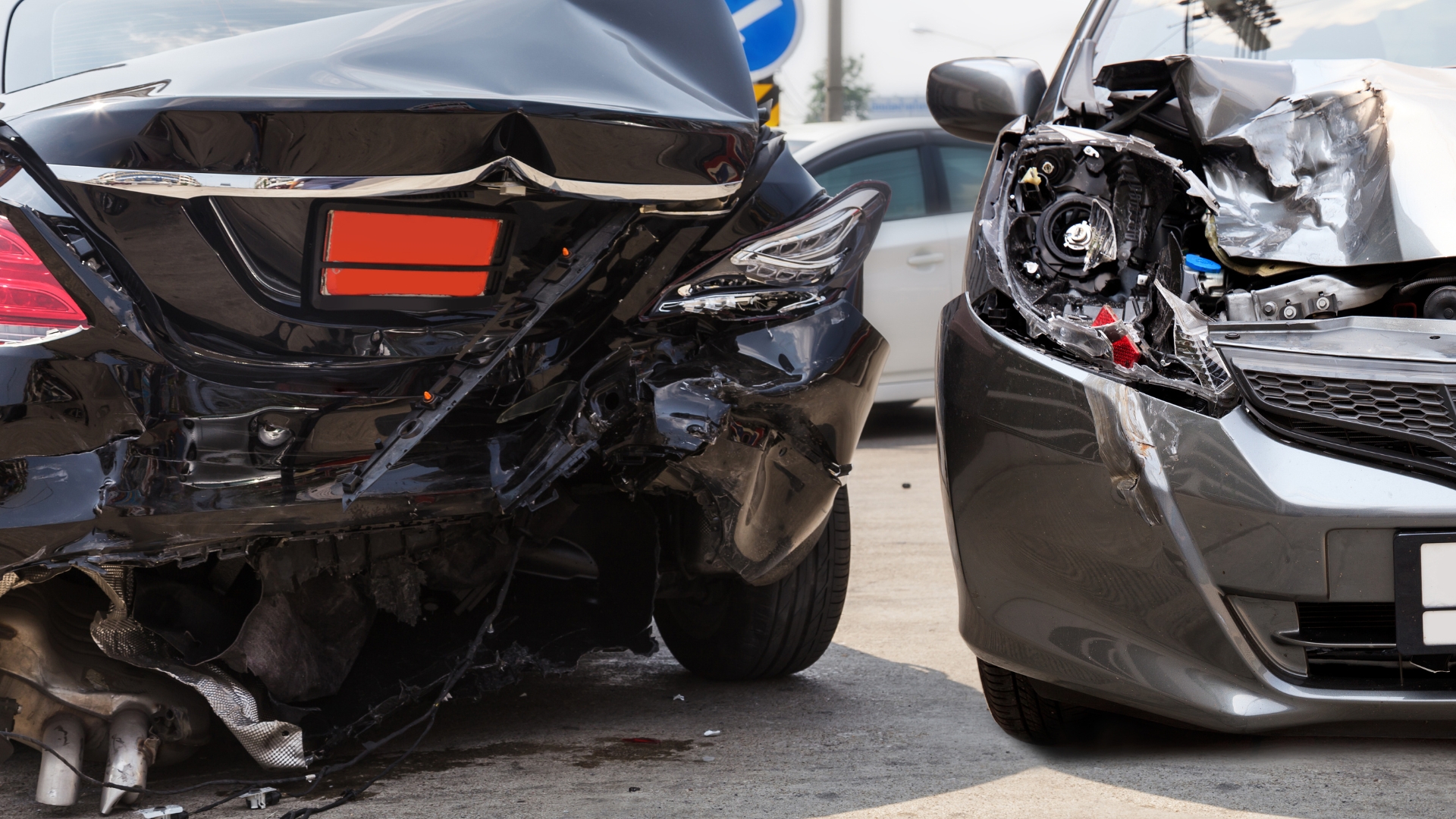
Justice On Demand handles injury cases involving car accidents, commercial trucks, motorcycles, rideshare vehicles, and dangerous property conditions. These practice areas share basic negligence rules, but they do not rely on the same evidence.
We evaluate how the incident occurred and where the proof exists. Each section below can connect readers to the related Gilbert practice-area page for more detailed information.
Car Accident Lawyer in Gilbert
A car accident lawyer in Gilbert handles rear-end collisions, red-light crashes, unsafe turns, lane-change impacts, distracted driving claims, and uninsured motorist cases. Local crashes may occur along Gilbert Road, Higley Road, Val Vista Drive, Williams Field Road, or Loop 202 access routes.
The investigation should reconstruct vehicle movement before connecting the collision to treatment and financial loss. Damage patterns, lane markings, report statements, and video can test each driver’s account.
Intersection Claims Often Begin With Conflicting Stories
One driver may claim a green light. The other may say the first vehicle entered late or turned without yielding. Police may arrive after both vehicles move.
Signal sequence, witness location, nearby cameras, impact points, and final vehicle positions can help resolve the disagreement. A citation can support the case, but it should sit beside the full physical record.
Turn-Lane Design Can Explain the Collision Path
Some Gilbert intersections contain several turn lanes, raised dividers, and protected signals. A driver may turn from the wrong lane or drift during the movement.
Roadway photographs should show arrows, lane boundaries, and sight obstructions. Vehicle damage can then show whether the collision path matches the driver’s account.
Rear-End Crashes Can Still Produce Fault Disputes
The rear driver may claim that the front vehicle stopped suddenly, changed lanes, reversed, or had broken brake lights. Those claims require proof.
Repair records, brake-light inspections, witness statements, dash-camera footage, and vehicle data can test the defense. Normal traffic often requires drivers to stop, especially near signals, shopping entrances, and congested roadways.
Vehicle Data May Confirm Pre-Impact Braking
Some vehicles record speed changes, throttle use, braking, seat belt status, and airbag deployment. This information may clarify whether a driver reacted before impact.
The data needs proper interpretation. It should match damage, scene conditions, and witness accounts rather than stand alone.
Property Damage Records Can Support the Injury Case
Repair estimates may reveal frame damage, suspension problems, sensor damage, or internal components hidden behind exterior panels. Tow records can show that the vehicle could not leave the scene safely.
These documents can help explain impact severity. They can support rental costs, repair expenses, total-loss issues, and transportation disruption too.
A Total Loss Does Not Set the Injury Value
The vehicle’s market value and the person’s injury damages involve different questions. An older car may become a total loss after moderate damage because repair costs exceed its value.
Medical findings, treatment, restrictions, and recovery determine the injury claim. The insurer should not use the vehicle valuation as a shortcut for judging physical harm.
Truck Accident Lawyer in Gilbert
A truck accident lawyer in Gilbert handles tractor-trailers, box trucks, moving vehicles, construction trucks, delivery vans, and commercial fleets. Truck claims often involve several companies and a larger set of business records.
The driver may work for a carrier, retailer, contractor, delivery service, or local company. Justice On Demand can investigate the driver, employer, owner, maintenance provider, and business that controlled the trip.
Company Records May Explain the Unsafe Driving Decision
Electronic logs, dispatch messages, delivery schedules, inspection forms, and maintenance files can show what happened before the collision. They may reveal fatigue, rushed work, ignored repairs, or route pressure.
A truck company may begin its own investigation soon after impact. Early preservation requests help protect records that the injured person cannot access directly.
Dispatch Messages Can Show Delivery Pressure
Messages may show that a driver fell behind schedule or received repeated instructions to continue moving. Delivery timestamps can reveal an unrealistic route.
Those records do not prove negligence by themselves. They can explain why the driver sped, skipped a break, made an unsafe turn, or continued after reporting fatigue.
Maintenance History Can Identify Preventable Mechanical Problems
Commercial vehicles require regular inspections and repair. Brake trouble, worn tires, steering issues, faulty lights, and damaged mirrors can affect safe operation.
Daily inspection forms, repair invoices, mechanic notes, and earlier driver complaints can establish when the company learned about a defect. Continued operation after notice can create a separate liability issue.
Post-Crash Repairs Should Not Erase the Earlier Condition
A company may repair the truck soon after the collision. Photographs, inspection records, tow reports, and preserved components can document the pre-repair condition.
A timely request may prevent loss of parts or data. The request should identify the truck, date, component, and records at issue.
Delivery Trucks Create Distinct Gilbert Traffic Risks
Drivers delivering to neighborhoods, apartments, and shopping centers may reverse into narrow areas, block sightlines, or stop near active lanes. Busy routes near SanTan Village and new residential developments can create frequent delivery movements.
Route data and delivery records can place the driver at the scene. Nearby doorbell cameras or business surveillance may show reversing, parking, or turning behavior.
Blind Zones Require Safe Backing Procedures
A box truck driver may have limited rear visibility. Safe backing may require mirrors, cameras, alarms, or a spotter depending on the setting.
Video can show whether the driver checked the area. Witnesses may describe warnings, horn use, or the absence of a spotter.
Motorcycle Accident Lawyer in Gilbert
A motorcycle accident lawyer in Gilbert handles left-turn impacts, unsafe lane changes, rear-end collisions, intersection crashes, and roadway hazard cases. Motorcycle injuries often involve direct contact with both a vehicle and the road.
Drivers may claim they did not see the rider or that the motorcycle appeared too quickly. The investigation should test those statements through sightlines, distance, lighting, traffic flow, damage, and witness accounts.
Left-Turn Crashes Depend on Timing and Visibility
A driver turning across oncoming traffic must judge the available distance. A claim may turn on when the driver started the turn and where the motorcycle traveled.
The Gilbert personal injury attorney can review signal phases, vehicle angle, impact location, debris, and final resting positions. Wider scene photographs can show whether parked vehicles, landscaping, or traffic blocked the driver’s view.
A Failure to See the Rider Does Not End the Inquiry
Drivers must watch for motorcycles, bicycles, pedestrians, and smaller road users. Saying “I did not see the motorcycle” may describe the problem rather than excuse it.
Phone activity, mirror use, turn timing, and sightline evidence can show why the driver missed a visible rider.
Motorcycle Injury Records Need Functional Detail
A wrist fracture can affect tool use and typing. Knee damage can limit stairs, standing, and balance. A shoulder tear can disrupt driving, lifting, dressing, and sleep.
Medical diagnosis codes do not explain those daily effects. Therapy measurements, work restrictions, photographs, and personal records can show how the injury changed function.
Road Rash Can Require Extended Treatment
Road rash may involve tissue damage, infection, nerve symptoms, scarring, or grafting. Repeated wound cleaning and dressing changes can cause pain and limit movement.
Dated photographs can document healing. Dermatology, surgery, and wound-care records can support future treatment or scar evaluation.
Helmet Arguments Should Remain Tied to the Actual Injury
An insurer may focus on helmet use after any motorcycle crash. The relevance depends on the injury claimed and the facts.
Helmet evidence does not explain a broken leg, torn shoulder, or driver’s unsafe turn. The liability analysis should remain focused on the conduct that caused the collision.
Damaged Safety Gear Can Preserve Impact Evidence
Keep the helmet, jacket, gloves, boots, and protective equipment after the crash. Scrape marks and fractures may show contact points.
Do not clean or repair these items before legal review. Photograph them and store them safely.
Rideshare Accident Lawyer in Gilbert
A rideshare accident lawyer in Gilbert handles Uber and Lyft claims involving passengers, drivers, pedestrians, cyclists, and other motorists. Insurance coverage can change based on the driver’s activity inside the app.
The driver may be offline, waiting for a request, traveling to a pickup, or transporting a passenger. A precise digital timeline can identify which policy applies.
Trip Status Can Determine the Available Rideshare Coverage
Trip receipts, app screenshots, navigation data, route records, pickup times, and platform timestamps can establish driver status. The personal insurer and rideshare carrier may each deny responsibility based on different versions of that status.
Justice On Demand can compare the records rather than accepting either denial at face value. The timeline should identify when the driver logged in, accepted the ride, reached the pickup, and ended the trip.
Passenger Receipts Can Confirm an Active Trip
A passenger receipt may identify the driver, vehicle, route, pickup time, and trip completion. Save the receipt and take screenshots of the trip details.
The platform may hold deeper records that the passenger cannot see. A preservation request can identify the account, trip, date, and location.
Two Drivers May Share Responsibility for One Rideshare Crash
A rideshare driver may make an unsafe turn as another motorist speeds through the intersection. Both actions may contribute to the impact.
A passenger does not need to choose one driver before the investigation finishes. Vehicle damage, traffic controls, statements, and video can separate each driver’s conduct.
Competing Insurers Can Delay the Claim
Each carrier may wait for the other insurer to accept fault. That delay can continue when reports remain unclear.
A combined liability presentation can compare both vehicles, both statements, and the scene evidence. This approach makes blame shifting harder.
App Activity May Support a Distraction Claim
Rideshare drivers use navigation, ride requests, passenger messages, and route prompts during work. Digital activity close to the crash may explain delayed braking or unsafe movement.
The evidence must match the collision time. A general claim that the driver used an app does not prove distraction without a close connection to the event.
Phone Records Need a Focused Request
A broad demand for every phone record may create unnecessary disputes. The request should target the relevant period, application, and activity.
Digital evidence can disappear through deleted messages, phone replacement, or lost account access. Early preservation remains important.
Slip and Fall Accident Lawyer in Gilbert
A slip and fall accident lawyer in Gilbert handles claims involving grocery stores, restaurants, apartment communities, hotels, parking areas, and commercial walkways. These cases often depend on who controlled the area and what that party knew about the hazard.
A fall does not create automatic liability. The investigation must show how the condition developed, how long it remained, and whether the business had a reasonable chance to correct or warn about it.
Retail Falls Often Depend on Inspection History
Stores may use written or digital inspection routines. Logs can show when employees last checked the aisle and whether the store missed required walkthroughs.
Surveillance can test the accuracy of the log. An entry does not prove an inspection occurred when video shows no employee entering the area.
Employees Passing the Hazard Can Establish Notice
Video may show workers walking near a spill, loose mat, or broken display before the fall. Employee statements may reveal earlier knowledge.
The timing matters. One employee passing the condition seconds earlier raises different questions than several workers ignoring it for an extended period.
Recurring Leaks Create Different Notice Evidence
Water near a refrigerated case may come from condensation, a blocked drain, or failed equipment. A store may clean the floor repeatedly without fixing the source.
Repair invoices, work orders, and prior incident records can show that the condition returned. Repeated service calls may prove knowledge that a one-time spill cannot.
Temporary Cleanup May Not Correct the Underlying Risk
Mopping water without repairing a leak can leave the same hazard for later customers. The store should address both the floor and the source.
Maintenance records can show whether repairs occurred and whether the business delayed them.
Parking Lot Falls Require Measurements and Control Records
Broken curbs, potholes, poor lighting, loose gravel, and uneven pavement can cause serious injuries. Responsibility may rest with the owner, tenant, management company, or maintenance contractor.
Leases and service agreements can identify who inspected and repaired the area. Photographs should include measurements, lighting, walking direction, and the surrounding route.
Night Conditions Can Change Hazard Visibility
A defect visible at noon may become difficult to see after dark. Burned-out fixtures, shadows, parked vehicles, or poor contrast can hide the danger.
Photograph the area at a similar time when safe. Lighting maintenance records may show earlier complaints or delayed repairs.
How Is Fault Proven in a Gilbert Personal Injury Claim
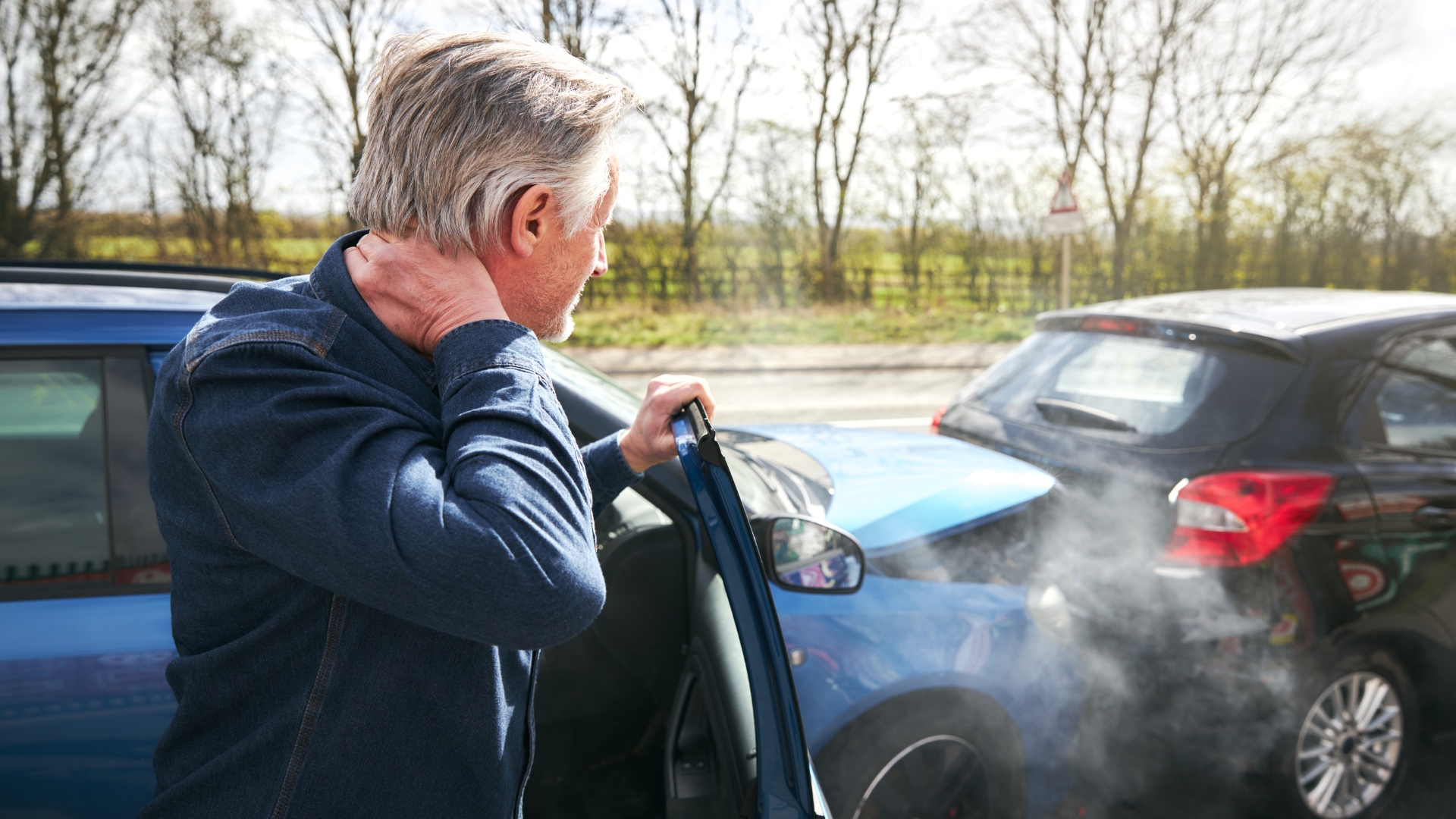
Fault requires proof that another person or business owed a duty, failed to use reasonable care, and caused an injury with measurable losses. A Gilbert personal injury attorney should connect each legal element to specific evidence.
The burden does not disappear because an insurance carrier accepts that an accident occurred. The carrier may still dispute who caused it, whether the condition was dangerous, or whether the event caused the medical diagnosis.
Who Owes You a Duty of Care in Gilbert
Drivers owe duties to other road users. Businesses must use reasonable care in areas they control. Employers may bear responsibility for employees acting within assigned work.
The correct duty depends on the relationship between the parties and the accident setting. Identifying it guides the evidence request.
Drivers Must Use Reasonable Care on Gilbert Roads
Drivers must watch traffic, obey signals, yield when required, and maintain control. The analysis may involve lane position, following distance, speed, distraction, or turn timing.
A traffic citation can support the case, but the physical evidence should confirm how the violation caused the collision.
Right of Way Does Not Excuse Unsafe Driving
A driver with a green light still must watch for traffic already inside the intersection. A motorist cannot speed through a visible hazard simply because another person made an earlier mistake.
Fault can involve more than one driver. The sequence matters.
Businesses Must Inspect Areas Under Their Control
Stores and property managers should use reasonable inspection and maintenance procedures. The required response depends on the hazard, location, customer traffic, and prior problems.
Inspection logs, policies, video, employee testimony, and maintenance records can show whether the business acted reasonably.
Notice Can Be Actual or Based on Available Facts
Actual notice may come from an employee seeing the hazard or receiving a complaint. Other evidence may show that the condition existed long enough for a reasonable inspection to find it.
Video timestamps, dirt patterns, cart tracks, footprints, and dried edges may help estimate duration.
What Conduct Can Prove Negligence in Gilbert
Negligence should focus on a defined act or omission. Examples include entering against a red light, making an unsafe turn, ignoring a reported leak, or operating a truck with known brake trouble.
Specific conduct gives the insurer and court a clear liability question. Broad claims that someone acted carelessly provide less direction.
Physical Evidence Can Test Driver Statements
Impact location, scrape marks, debris, vehicle angles, and damage patterns may support one account over another. Roadway markings can show whether a vehicle crossed lanes.
Statements should make sense beside the physical record. A driver’s version loses force when the damage contradicts it.
Interior Damage Can Explain Occupant Movement
A cracked dashboard, deployed airbag, bent steering component, or damaged seat can show where the body moved during impact.
These details can connect the crash mechanics to knee, wrist, chest, or head injuries. Medical opinion remains important.
Business Records Can Prove Missed Safety Work
Inspection logs, schedules, work orders, emails, and contracts can show whether a business followed its procedures. Missing entries may reveal a gap in inspections.
Prior complaints can show knowledge of a recurring condition. Repair delays may explain why the hazard remained.
Metadata Can Test When a Record Was Created
Digital records may include timestamps, user information, edits, and upload history. That data can show whether a log existed before the incident or appeared afterward.
This issue usually requires formal document review. It can become important when video conflicts with the written record.
How Does Arizona Comparative Fault Affect a Gilbert Claim
Arizona follows comparative negligence. A claimant’s damages can be reduced according to the percentage of fault assigned to that claimant. Shared fault does not automatically bar the entire action. (Arizona Legislature)
This rule gives insurers a financial reason to assign part of the blame to the injured person. Objective evidence can challenge an inflated percentage.
Driver Claims Often Focus on Speed and Attention
The opposing carrier may claim that the injured driver sped, used a phone, or failed to react. Those claims require support from video, vehicle data, witnesses, or physical evidence.
An accusation should not control the evaluation simply because the other driver repeated it.
Fault Percentages Should Match the Full Collision Sequence
One driver may create the initial danger, and another may react imperfectly. The analysis should compare the cause and effect of each decision.
A small reaction error should not receive the same weight as conduct that created the collision.
Property Insurers May Blame Footwear or Warning Signs
A carrier may argue that the injured person wore unsafe shoes, looked away, or ignored a sign. Scene evidence should test those claims.
A warning sign placed far from the hazard may provide little notice. Ordinary footwear does not erase a dangerous condition.
Visibility Depends on Real Conditions
Lighting, contrast, store displays, crowds, parked cars, and walking direction can affect whether a person could see a hazard.
Photographs taken under similar conditions provide better evidence than daylight images captured weeks later.
How Can Justice On Demand Challenge a Fault Denial
A denial often relies on one driver statement, incomplete report, missing video, or claim that the business lacked notice. The denial does not end the factual review.
Justice On Demand can identify the carrier’s stated reason and answer it with evidence tied to that issue.
A Liability Denial Should Identify the Supporting Facts
The carrier may cite disputed right of way, lack of notice, policy exclusions, or insufficient proof. Each explanation calls for a different response.
Ask which facts, records, and policy terms support the decision. A vague conclusion provides little basis for meaningful review.
New Evidence Can Support Reconsideration
Video, repair findings, witness statements, phone records, or maintenance history may change the carrier’s analysis.
Present each item with a short explanation of what it proves. An organized comparison makes the dispute easier to evaluate.
A Lawsuit Can Provide Formal Evidence Tools
A lawsuit can permit document requests, depositions, subpoenas, and sworn testimony. These procedures can obtain records that a company refused to provide voluntarily.
Arizona civil cases can involve pleadings, service, discovery, motions, settlement discussions, and trial. The Arizona Judicial Branch publishes general civil-law resources about court procedure. (Arizona Courts)
Filing a Lawsuit Does Not End Settlement Discussions
Parties can continue negotiating after filing. Depositions, records, and expert review may change how each side values the case.
Some cases settle during discovery or mediation. Others require trial preparation.
How Much Is a Gilbert Personal Injury Claim Worth

No formula can value every Gilbert injury claim. The amount depends on fault evidence, medical findings, future care, income loss, personal limitations, insurance coverage, and litigation risk.
A Gilbert personal injury attorney can calculate supported losses and explain which facts raise or lower settlement value. The analysis should avoid guesses based only on medical bill totals.
What Compensation Can a Gilbert Injury Claim Include
An injury claim may include medical expenses, lost income, reduced earning capacity, property damage, and personal harm. The available categories depend on the facts and applicable law.
Documentation should support each requested amount. Unsupported estimates give the carrier room to reduce the demand.
Medical Expenses Include More Than Emergency Care
Medical losses may include ambulance charges, emergency treatment, imaging, surgery, therapy, medication, injections, braces, and follow-up visits.
The claim should distinguish charges from amounts paid and outstanding. Health insurance adjustments and medical liens can affect the final distribution.
Future Care Requires Medical Support
A doctor may recommend surgery, therapy, medication, or future imaging. The recommendation should explain why the care remains necessary and when it may occur.
Cost information can then connect the medical plan to the damages calculation. Speculation alone carries less weight.
Lost Income Requires Reliable Employment Proof
Employees can use pay statements, schedules, tax records, and employer letters. Self-employed claimants may need invoices, contracts, calendars, bank records, and prior-year earnings.
The documents should show what work the person missed and how the injury caused the loss.
Overtime and Commissions May Affect the Calculation
Base pay may understate earnings for workers who regularly received overtime, tips, bonuses, or commissions.
Historical records can establish a pattern. Compare similar months or seasons when the work changes during the year.
Personal Harm Depends on Daily Effects
Pain, sleep disruption, mobility limits, scarring, and lost activities do not appear on a standard invoice. The claim should explain them through medical notes and specific examples.
A shoulder injury may prevent lifting a child. A knee injury may stop a worker from climbing stairs. A concussion may limit screen time and concentration.
Specific Examples Carry More Weight Than Broad Statements
Saying “the injury changed everything” gives little detail. Describe which tasks became painful, impossible, or slower.
Treatment notes, family observations, photographs, and activity records can support those examples.
What Factors Can Increase Claim Value
Clear fault, serious, documented injuries, consistent care, future treatment, permanent restrictions, and sufficient insurance can strengthen a claim.
No single factor guarantees a result. The complete record controls the evaluation.
Objective Medical Findings Can Support Injury Severity
Fractures, imaging findings, surgical recommendations, measured weakness, and reduced range of motion provide concrete medical evidence.
Symptoms remain real without an imaging finding, but objective evidence can reduce certain insurance arguments.
Permanent Restrictions Affect Future Loss
A lasting lifting limit or inability to return to the same occupation may create future wage loss. Medical opinion and employment history should support the calculation.
Vocational or financial analysis may help in larger claims.
Commercial Coverage Can Change Available Recovery
Business vehicles and commercial properties often carry policies with different limits than personal auto policies. Several companies may carry separate coverage.
Identifying every responsible party prevents the claim from relying on one policy too early.
Policy Limits Can Control Practical Recovery
A claim can have substantial damages but limited insurance. Coverage research becomes important when the responsible person lacks assets or carries a low limit.
Uninsured or underinsured motorist coverage may become part of the review.
What Can Reduce a Gilbert Injury Settlement
Shared fault, inconsistent statements, missing medical support, treatment gaps, limited insurance, and unsupported wage claims can reduce settlement value.
An attorney should identify these issues early and address them with facts. Hiding a weakness rarely improves the case.
Treatment Gaps Need an Accurate Explanation
A long gap may let the insurer claim that symptoms resolved. Referral delays, transportation problems, work demands, or financial barriers may explain the interruption.
Scheduling records and provider notes can document the reason. The explanation should remain truthful and specific.
Unnecessary Treatment Can Create Separate Problems
More appointments do not automatically create a stronger case. Treatment should follow medical need.
Insurers may challenge repetitive care without progress or clear medical support. Follow provider recommendations and ask questions about the treatment plan.
Social Media Can Conflict With the Injury Claim
Photographs and comments may appear without context. An insurer may use a single image to argue that the person recovered or exaggerated limits.
Avoid posting about the accident, treatment, settlement, or physical activities. Do not delete existing material after a legal dispute begins without speaking to counsel.
Private Accounts Do Not Guarantee Privacy
Other people may share screenshots or public comments. Tagged photographs may remain visible through another account.
Treat online content as potentially discoverable.
How Do Medical Liens Affect the Final Recovery
Health insurers, benefit plans, and medical providers may seek payment from a settlement. The amount paid to the client can differ from the gross settlement after fees, costs, and valid reimbursement claims.
Justice On Demand states that it negotiates medical bills under our policy. The engagement agreement should explain the scope of that work.
Lien Review Should Begin Before Final Distribution
The legal team should identify potential claims from health insurance, Medicare, Medicaid, hospitals, or providers. Each source may follow different rules.
Final settlement decisions should consider the expected repayment amount.
A Settlement Figure Does Not Equal the Client’s Net Amount
The gross recovery may need to cover attorney fees, case costs, medical balances, and reimbursement claims.
Ask for a written settlement statement before distribution. That document should show each deduction.
How Long Do Gilbert Personal Injury Claims Take

Gilbert personal injury claims do not follow one fixed timeline. A claim with clear fault and a short recovery may resolve within months. A case involving surgery, disputed liability, several defendants, or litigation can take longer.
Speed matters, but an early settlement can leave future treatment and income loss unpaid. The legal team should move the investigation forward without closing the claim before the damages become clear.
What Happens During the Early Investigation
The first phase usually includes client interviews, report requests, preservation letters, insurance notices, photographs, witness contact, and medical record collection.
The length depends on record availability and the number of parties. Commercial defendants and rideshare companies may take longer to identify or respond.
Evidence Collection Should Start Before Treatment Ends
The attorney does not need to wait for medical recovery before protecting video, vehicles, electronic data, or witnesses.
Liability work and medical treatment can proceed at the same time. This prevents evidence loss without forcing an early demand.
Some Records Require Formal Requests
A business may provide an incident report yet refuse video or internal logs. A trucking company may not release driver files voluntarily.
A lawsuit or subpoena may become necessary to obtain withheld material.
How Does Medical Recovery Affect the Timeline
Doctors need time to diagnose injuries and measure the response to treatment. Some conditions improve with therapy. Others require injections, surgery, or specialist care.
Settlement discussions become more accurate once the medical team can describe future needs and lasting restrictions.
Reaching a Stable Medical Point Helps Value the Claim
A stable medical point means providers can give a clearer opinion about recovery, future treatment, and permanent limitations. It does not always mean the person has fully healed.
The Gilbert personal injury attorney can use this information to calculate future costs and work effects.
Surgery Can Extend Treatment and Claim Preparation
Surgery may involve preoperative care, the procedure, rehabilitation, and follow-up. Recovery time affects medical expenses and income loss.
Settling before the surgical outcome becomes clear creates risk.
What Happens During Insurance Negotiations
After gathering liability and damages evidence, the Gilbert personal injury attorney may submit a demand. The carrier reviews the records, evaluates coverage, and responds.
The first offer may not reflect the full claim. Negotiations can involve several rounds of questions, added records, and counteroffers.
A Complete Demand Can Reduce Avoidable Delay
A demand should identify fault, injuries, treatment, wage loss, future needs, and requested compensation. Supporting records should appear in an organized order.
Missing bills or unclear wage proof can give the carrier a reason to pause its review.
Carrier Authority Can Affect Response Time
An adjuster may need approval from a supervisor or committee for a larger settlement. Claims involving several policies may require coordination among carriers.
The Gilbert personal injury attorney should track requests and follow up on unanswered issues.
When Does a Gilbert Injury Case Need a Lawsuit
A lawsuit may become necessary when the insurer denies fault, disputes injuries, refuses a reasonable settlement, or withholds evidence.
Filing starts formal court procedures. It does not guarantee trial.
Discovery Can Add Time and Better Evidence
Discovery may include written questions, document requests, depositions, medical examinations, and expert review.
These steps take time, but they can reveal evidence that informal negotiation did not produce.
Depositions Test Witness Accounts Under Oath
Drivers, employees, managers, doctors, and injured claimants may provide sworn testimony. Attorneys can compare that testimony with documents and earlier statements.
Conflicts may affect settlement positions.
Mediation Can Create Another Settlement Opportunity
Mediation brings the parties together with a neutral mediator. The mediator does not decide the case but helps the parties evaluate risk and discuss resolution.
Some cases settle at mediation. Others continue toward trial.
Trial Scheduling Depends on the Court Calendar
Court availability, motions, expert schedules, and case complexity affect the trial date.
Arizona’s public-access system provides information for many state court cases, though access and available documents vary. (Arizona Judicial Branch)
How Long Do You Have to File in Arizona
Arizona law generally gives two years to begin many personal injury and property damage actions. Different rules or exceptions can change that deadline. (Arizona Legislature)
Do not use the general period as a reason to wait. Evidence can disappear long before the filing deadline.
Government Claims Can Carry Much Shorter Deadlines
Claims against an Arizona public entity, public school, or public employee generally require a notice of claim within 180 days after accrual. The notice must contain information required by the statute. (Arizona Legislature)
A crash involving a government vehicle or a fall on public property may trigger these rules. Legal review should begin quickly.
Filing the Wrong Document May Not Protect the Claim
An incident report, complaint, or insurance notice may not satisfy a statutory notice requirement.
The notice must go to the proper recipient and meet legal content rules. Speak with counsel about any injury involving the Town of Gilbert, a public school, or another government body.
What Happens During a Free Gilbert Injury Consultation
A free consultation allows the Gilbert personal injury attorney to ask how the incident happened, what treatment you received, and which insurers contacted you. You can ask about deadlines, fees, evidence, and the likely next steps.
Bring any records you already have, but do not delay the consultation because documents remain missing.
The Gilbert Personal Injury Attorney Will Review Fault, Injury, and Coverage
The conversation may cover accident location, witnesses, reports, medical care, prior injuries, employment, and insurance policies.
Honest answers help the Gilbert personal injury attorney identify strengths and problems. A prior condition or treatment gap does not always end the case.
You Do Not Need to Know the Legal Terms
Explain the event in your own words. The Gilbert personal injury attorney can identify the legal issues.
Ask who will handle the case and how we communicate with clients. Justice On Demand positions direct attorney access as part of its service approach.
Review the Fee Agreement Before Signing
A contingency agreement should explain the attorney fee, case costs, termination terms, and distribution process.
Justice On Demand states that clients pay no upfront attorney fee under its contingency policy. Confirm every term in the written agreement.
Ask About the Initial Satisfaction Period
We promote an initial 30-day satisfaction period. Ask how it works, which terms apply, and whether any case costs or obligations remain if representation ends. Written terms should control the arrangement.
Contact a Gilbert Personal Injury Attorney at Justice On Demand

An insurer may already be reviewing your statement, medical history, and share of fault. Justice On Demand can examine the accident record, identify missing evidence, and explain which insurance policies may apply before you sign a release or accept an offer.
Attorney Christian Pedersen represents people injured in Gilbert car crashes, truck collisions, motorcycle accidents, rideshare wrecks, and dangerous property incidents. Your free consultation can address filing deadlines, medical documentation, attorney fees, disputed liability, and the next legal step.
Justice On Demand accepts calls 24 hours a day and charges no upfront attorney fee under its contingency policy. Call (480) 934-0676 or contact us to speak with a Gilbert personal injury attorney.