


You booked a ride so you would not have to worry about the drive. Then a crash flipped that trust upside down. A Phoenix Rideshare Accident Attorney steps in when an Uber or Lyft trip ends in an emergency room instead of your front door. The app makes the ride feel simple. The claim afterward is anything but.
Rideshare crashes carry a wrinkle that ordinary car wrecks do not. Which insurance pays depends on what the app was doing at the exact second of impact. Get that detail wrong, and your claim can stall for months while three insurers point fingers.
Call (480) 934-0676 now for a free consultation with Justice On Demand. The firm answers around the clock and backs new clients with an initial 30-day satisfaction period.
How Phoenix Rideshare Accident Lawyers Help Passengers, Drivers, and Pedestrians
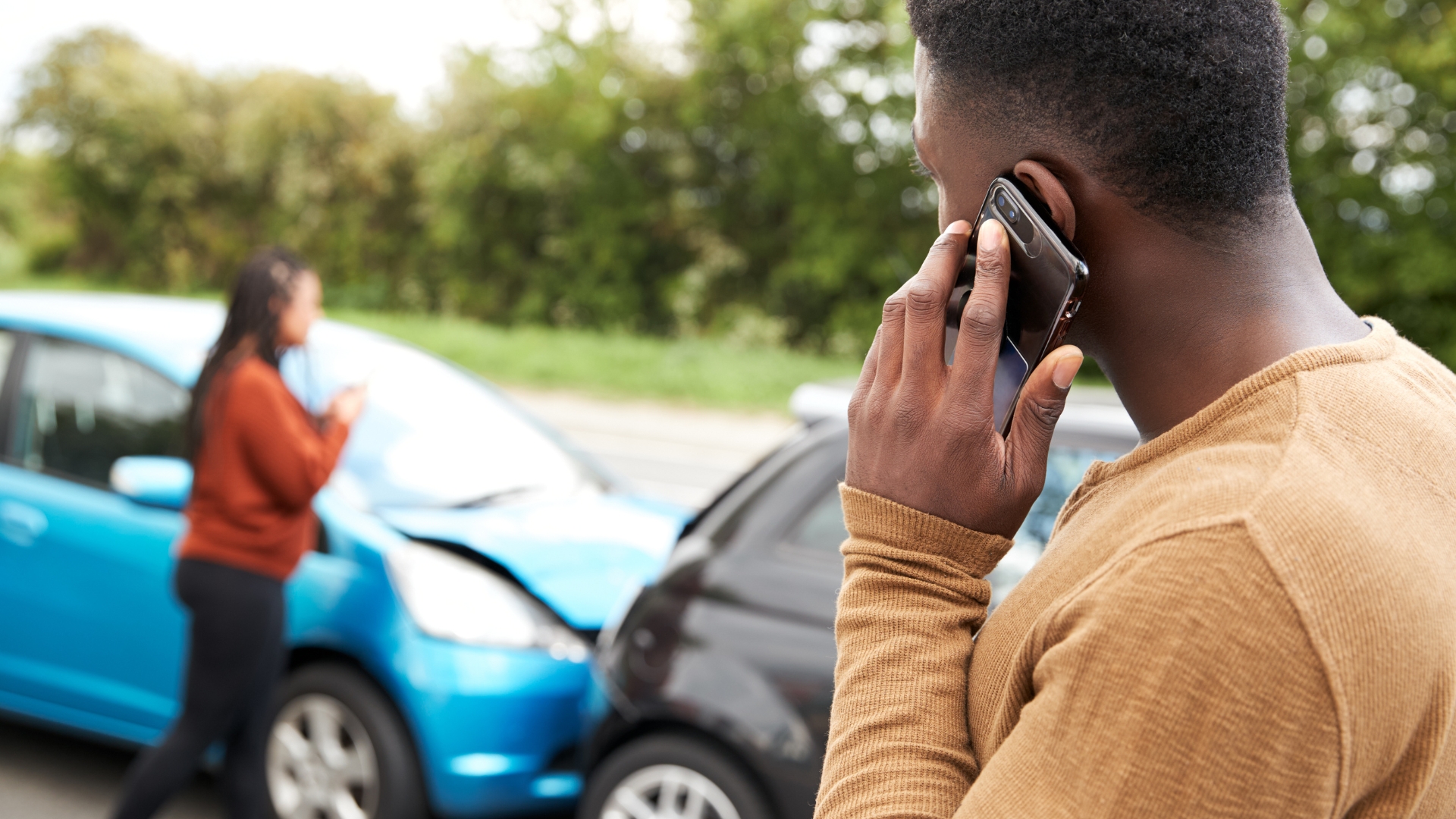
A rideshare crash does not only hurt passengers. Drivers, other motorists, and people on foot near a pickup can all end up injured. Each of them faces a different insurance path, and each deserves a claim built for their situation.
Consider a busy Friday night near Roosevelt Row, where drop-offs happen on crowded curbs. A pedestrian struck by a turning car and a passenger jolted in the back seat both have real claims, but the coverage that answers is not the same.
Injured Passengers Who Did Nothing Wrong
Passengers are almost never at fault, which makes their claims strong on liability. The challenge is coverage, not blame. With a passenger, the focus shifts fast to which policy pays and how to document injuries that showed up hours after the ride ended.
Rideshare Drivers Hurt by Other Motorists
Drivers get hurt too, often by someone else’s careless driving. A rideshare driver rear-ended on the Loop 101 may have a claim against the other motorist plus access to rideshare coverage depending on trip status. Both avenues deserve a close look.
Pedestrians Hit During Pickups and Drop-Offs
Pickups and drop-offs put people on foot right next to moving traffic. A pedestrian struck during a curbside stop may pursue the driver, the rideshare policy, or both. These claims turn on exact positioning, so early evidence gathering is critical.
How Phoenix Rideshare Accident Lawyers Untangle Uber, Lyft, and Personal Insurance

Three insurers can touch a single rideshare crash. The driver’s carrier, the rideshare company’s carrier, and the other motorist’s carrier all have reasons to pay as little as possible. Sorting out who owes what is where a claim either grows or collapses.
Take a crash on the I-10 where an Uber carrying a passenger gets rear-ended by an uninsured driver. The Uber commercial policy may need to cover the loss through its uninsured motorist protection. Finding that layer takes someone who knows how these policies stack.
- Transportation network company policies tied to the trip period
- The driver personal or rideshare endorsement coverage
- The at-fault motorist bodily injury liability limits
- Uninsured and underinsured motorist coverage across policies
Transportation Network Company Records
Uber and Lyft operate as transportation network companies, and they keep detailed digital records of every trip. Those records confirm the driver, the route, the timing, and the trip status. Pulling them early locks in the facts before anyone has a reason to dispute them.
Driver Policy Limits and Coverage Disputes
Insurers love to argue about whose policy applies first. A driver’s carrier may claim the commercial policy owes the money, while the commercial carrier says the opposite. Your recovery should not wait on that fight, so a lawyer forces the issue and keeps the claim moving.
Third Party Drivers Who Caused the Crash
Sometimes the rideshare driver did nothing wrong, and another motorist caused the whole thing. That does not make your claim simpler. You may still pursue the at-fault driver while the rideshare coverage backs you up, and coordinating both sources takes a steady hand.
What Evidence Matters When a Phoenix Rideshare Accident Attorney Reviews App Records
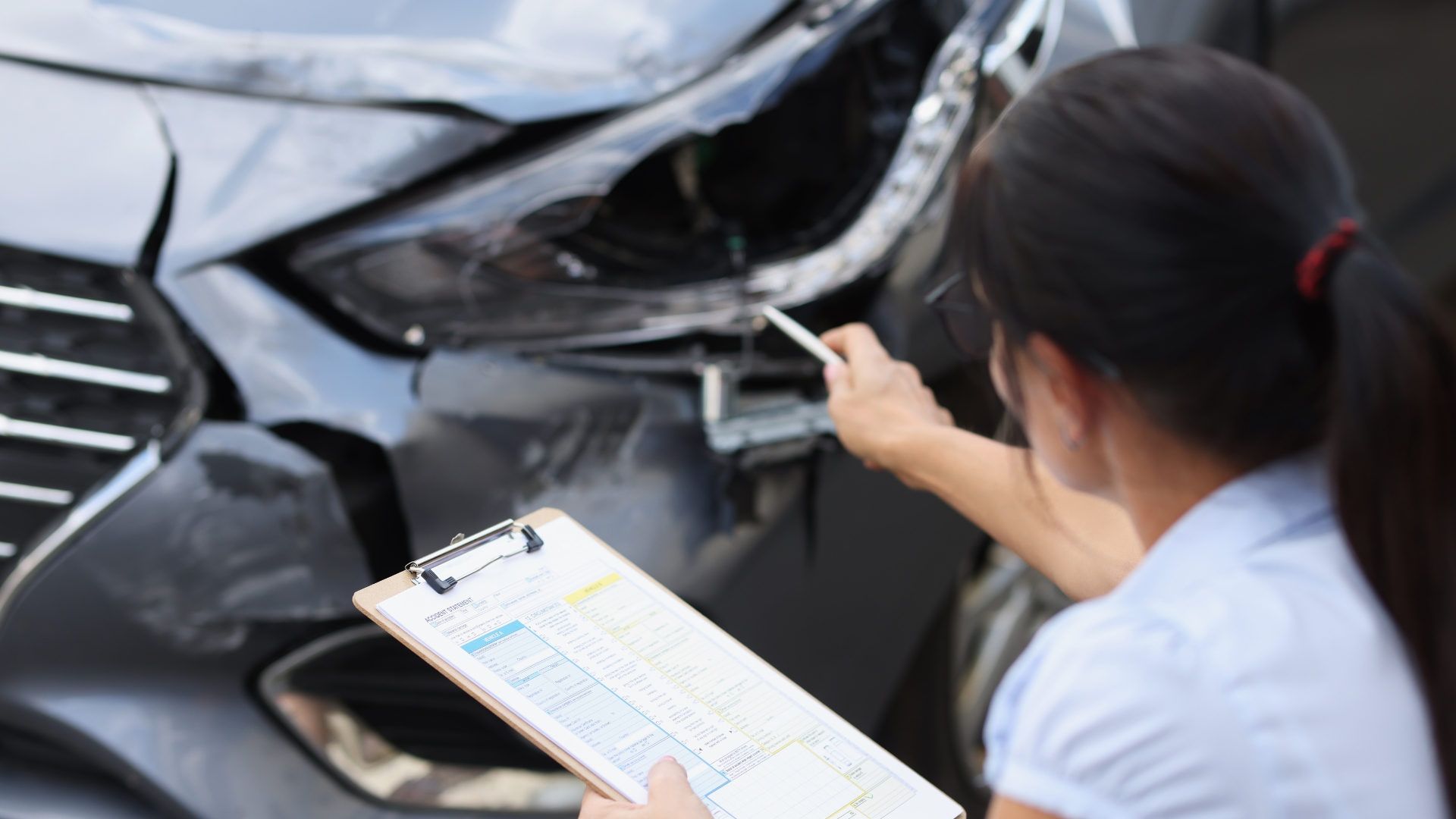
The app that arranged your ride also recorded it. That digital trail is some of the strongest evidence a rideshare claim can have, and it does not last forever. Trip data, timestamps, and driver details all live inside the system until someone requests them.
A screenshot of your trip receipt taken the night of a crash near Old Town Scottsdale can anchor the entire timeline later. It shows the driver, the route, and the exact minute the ride was active. Small captures like that carry real weight.
- Trip receipts showing driver name, route, and timing
- In-app screenshots that confirm the ride was active
- GPS route history and pickup coordinates
- Support chat messages and ride confirmation emails
Trip Receipts Screenshots and Driver Profiles
Your trip receipt is more than a payment record. It names the driver, marks the pickup and drop-off, and stamps the time. Save the driver profile and the receipt right away, because app records can change once a claim is reported.
GPS Data Pickup Locations and Route History
The route the app logged can confirm speed, direction, and location in ways memory cannot. GPS pins near a spot like the Camelback corridor place the vehicles precisely. That data turns a fuzzy recollection into a hard fact the insurer cannot wave off.
Photos, Witnesses, and Police Reports
The scene still matters even when the app has the digital story. Photos of the vehicles, names of witnesses, and the responding officer’s report fill in what the app cannot capture. Together they build a record that holds up under pressure.
What Injuries Can a Phoenix Rideshare Accident Attorney Include in a Claim

Rideshare passengers often sit unbelted in a back seat or turned toward a phone, which changes how a crash injures the body. The forces are real even when the car looks barely dented. Insurers count on you underestimating what you feel.
Someone rear-ended while checking the app near ASU may walk away feeling shaken, then wake up the next morning unable to turn their neck. That delay is normal, and documenting it early keeps the insurer from calling the injury unrelated.
- Whiplash and neck strain from sudden impact
- Concussions and other head injuries
- Broken bones and knee trauma from bracing
- Seat belt bruising and abdominal injuries
Whiplash, Concussions, and Back Injuries
Soft tissue and spine injuries dominate rideshare crashes because passengers rarely see the hit coming. Whiplash, a concussion, or a herniated disc can sideline you for weeks. Prompt treatment creates the paper trail that proves the injury was serious.
Broken Bones, Seat Belt Injuries and Knee Trauma
A braced arm or a knee jammed into a seat back can fracture in a hard stop. Seat belts save lives and still leave deep bruising across the chest and abdomen. These injuries need imaging and follow-up, not a quick urgent care visit and nothing more.
Anxiety, Sleep Loss, and Long Recovery
Not every injury shows up on a scan. Trouble sleeping, dread about getting back in a car, and lingering anxiety are real consequences of a violent crash. When a provider documents them, they belong in your claim alongside the medical bills.
What Phoenix Rideshare Accident Attorneys Explain Before You Deal With the App Company

Uber and Lyft support teams respond fast after a crash, and that speed is not purely for your benefit. The messages you exchange become part of the record. What you say in a chat window can help or hurt you later.
A support agent asking for a quick summary near the time of a crash sounds helpful. It is also fact gathering. Understanding that before you type anything keeps a casual reply from turning into a problem for your claim.
Why Support Messages Are Not Legal Advice
The person answering an app chat works for the company, not for you. Their job is to close tickets and manage risk, not to protect your recovery. Treat those messages as communication with the other side, because that is exactly what they are.
What To Save Before the Trip Record Changes
App records can update once a crash is reported, so capture what you can immediately. Screenshot the trip, the receipt, and any messages. A few taps in the hours after a wreck near downtown Phoenix can preserve evidence that would be hard to recreate.
How To Avoid a Low Early Settlement
An early offer through the app can feel like relief when bills are stacking up. It is usually far below what your injuries are worth, and accepting it often closes the claim for good. Slow down and learn the full cost before you agree to anything.
How a Phoenix Rideshare Accident Attorney Uses the App Timeline

The app timeline is not just background detail. It is the backbone of a rideshare claim. Every minute the app logged can confirm who was driving, where, and under which coverage. Used well, it removes the guesswork insurers rely on.
A trip that shows a passenger aboard at the moment of impact points straight to the commercial policy. A timeline that a lawyer preserves early cannot be reshaped later, which keeps your claim standing on solid ground.
Why Screenshots Can Protect a Passenger Claim
A screenshot freezes the truth. It captures the trip status, the driver, and the time before any record updates. For a passenger, that single image can settle a coverage dispute that would otherwise drag on for weeks.
How Multiple Policies Can Delay Payment
When several insurers are involved, each one has a reason to wait for another to move first. That delay costs you while bills come due. A clear timeline and firm pressure push the responsible carrier to stop stalling and start paying.
How Your Phoenix Rideshare Accident Attorney Keeps the Claim Focused on Real Losses

Insurers win by shrinking your losses to a tidy number. A good claim refuses to play along. It keeps the focus on what the crash actually took from you, from your health to your paycheck to your daily routine.
A rider who cannot commute to work after a crash near the SR-51 loses more than a car ride. Missed shifts, rescheduled appointments, and the cost of finding new transportation all add up. Those real losses belong in the claim.
Medical Proof and Daily Limits
Numbers on a chart mean little without context. Notes on what you can no longer do, from lifting to sleeping to driving, turn a diagnosis into a lived reality. Those limits are the losses insurers try hardest to ignore.
Work Records and Missed Income
Pay stubs, schedules, and employer letters show exactly what the crash cost your income. For hourly and gig workers, the hit runs deeper than base pay. Clear work records keep the insurer from lowballing lost earnings.
What a Phoenix Rideshare Accident Attorney Reviews Before Settlement Talks
Never negotiate blind. Before settlement talks begin, a lawyer maps out what the case is really worth and what traps hide in the fine print. That preparation is what keeps a fast, low offer from looking tempting.
A settlement is final. Once you sign, you cannot come back for the surgery you did not know you needed. That is why future costs and release language get scrutinized before anyone shakes hands.
- Future care, surgery, and long-term treatment costs
- Lost earning capacity, not just wages already missed
- The exact scope of any release or waiver you are asked to sign
- Every insurance policy that might apply to the crash
Future Care and Treatment Costs
Serious injuries keep billing long after the case closes. A realistic claim accounts for follow-up surgery, therapy, and care you will need years from now. Leaving that out hands the insurer a discount.
Insurance Releases and Broad Waivers
A release often reaches further than the crash in front of you. Signing a broad waiver can wipe out claims you did not mean to give up. Reading every line before you sign protects your future options.
How a Phoenix Rideshare Accident Attorney Handles Disputed Fault in Arizona
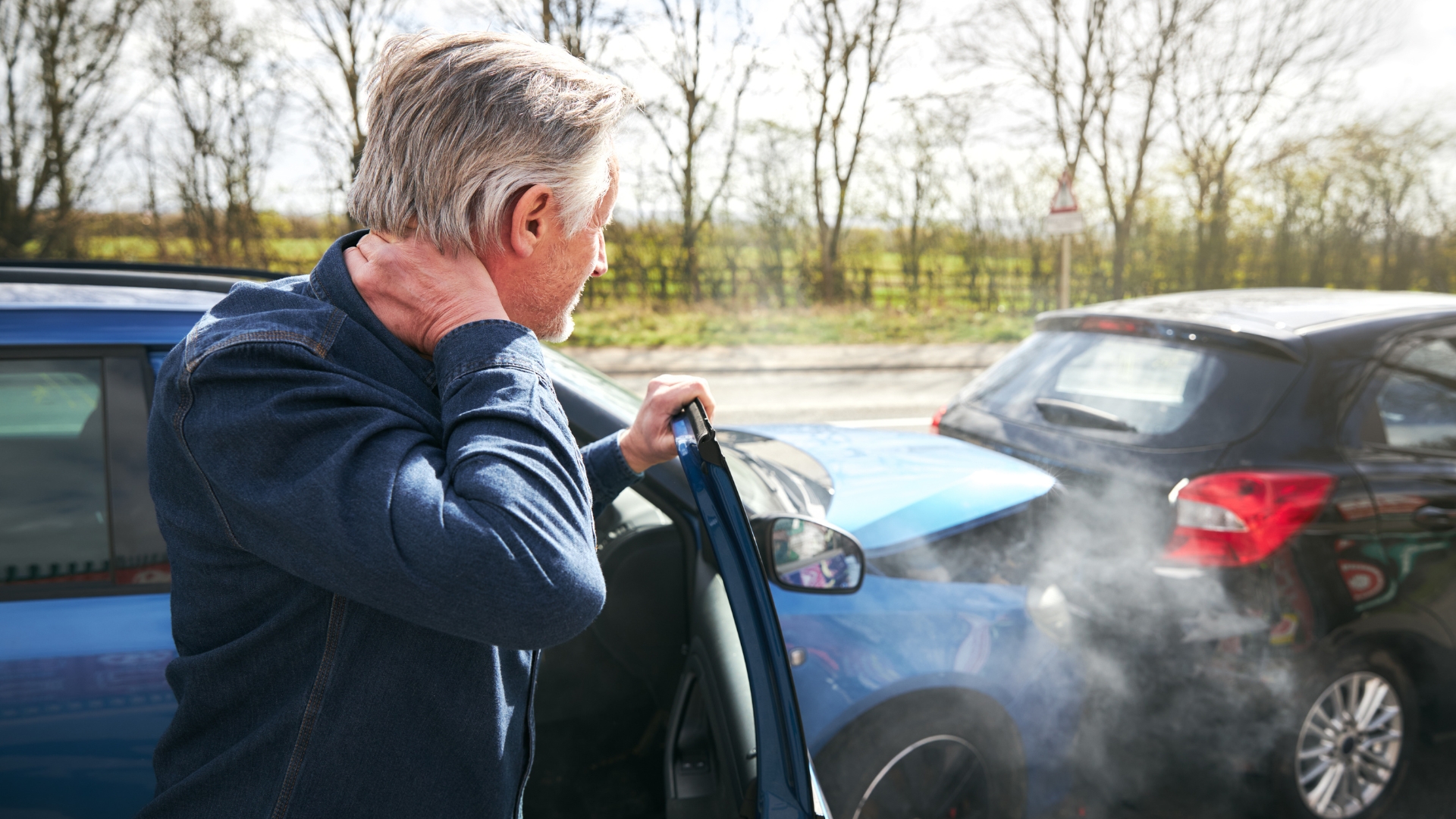
Rideshare insurers rarely accept blame quietly. They dispute it, delay it, and try to spread it onto you. Handling that fight takes proof organized well enough to survive pushback, not just a version of events you believe is true.
Under Arizona’s pure comparative fault rule, even a share of blame does not erase your claim, but it can shrink your recovery. A strong evidence file keeps that share as small as the facts allow.
Photos, Video, and Witness Accounts
Independent proof beats argument every time. Photos, dashcam video, and neutral witnesses can settle a fault dispute that would otherwise drag on. Gathering them early keeps the record from tilting toward whoever spoke first.
Medical Timing and Causation
Insurers attack the link between the crash and the injury. Prompt, consistent treatment builds a clean line from impact to diagnosis. When the medical timing holds up, the causation argument holds up with it.
Why a Phoenix Rideshare Accident Attorney Should Review Every Insurance Contact
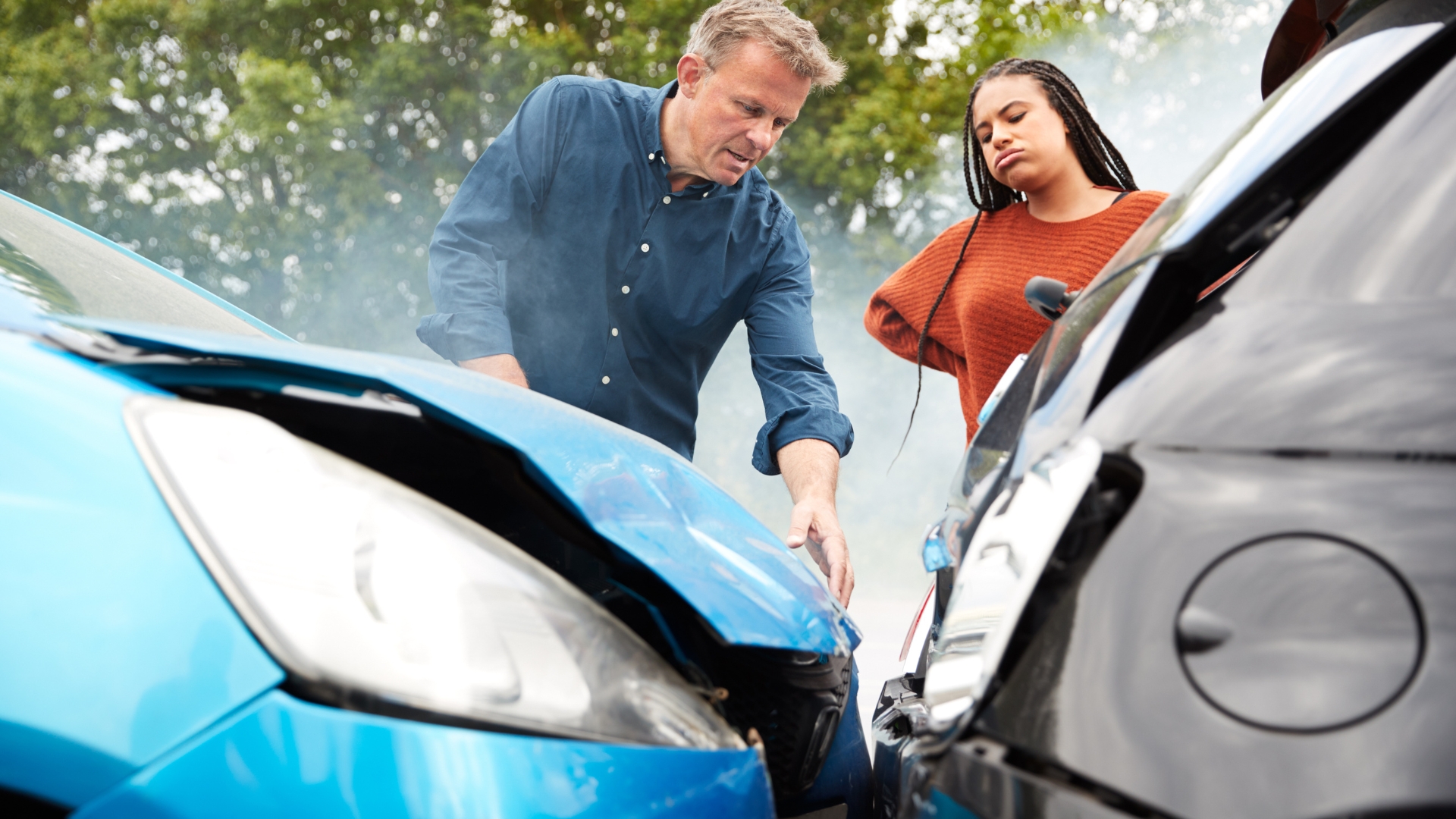
Every call, letter, and form from an insurer serves a purpose, and that purpose is not your recovery. Routing those contacts through a lawyer keeps a careless word from becoming a weapon against your claim.
An adjuster asks how you are doing, you say fine out of habit, and that word shows up later as proof you were not hurt. A lawyer handles the contact so ordinary politeness does not cost you money.
Recorded Statements and Claim Numbers
A claim number feels like progress, but a recorded statement is a trap dressed as a courtesy. You are not required to give one to the other side’s insurer. Letting a lawyer manage it keeps your words in context.
Policy Limits and Coverage Questions
Rideshare crashes often involve layered coverage worth far more than a single car policy. Finding every applicable limit takes digging. Knowing the real coverage available shapes how the whole claim gets handled.
How a Phoenix Rideshare Accident Attorney Uses Local Phoenix Details To Strengthen the Claim

Local knowledge is not a nice extra in a rideshare case. It is leverage. Knowing the roads, the nightlife corridors, and where the cameras live can turn a vague claim into a precise one that an insurer cannot brush aside.
A crash near a busy pickup zone like Old Town Scottsdale leaves clues all over the area, from bar and restaurant cameras to regular patrons who saw it happen. Local roots make those clues findable while they still exist.
Roads, Businesses, and Witness Locations
Phoenix and the East Valley are full of potential witnesses and cameras, from hotels to entertainment venues. Knowing which businesses face the curb can uncover footage no one else thought to request. Local familiarity finds it fast.
Local Medical Care and Follow-Up
Consistent local treatment builds a stronger record than scattered visits across town. Familiar Phoenix and Mesa providers make follow-up easier to keep, and steady care keeps the medical timeline clean and credible.
When To Call a Phoenix Rideshare Accident Attorney After the Injury
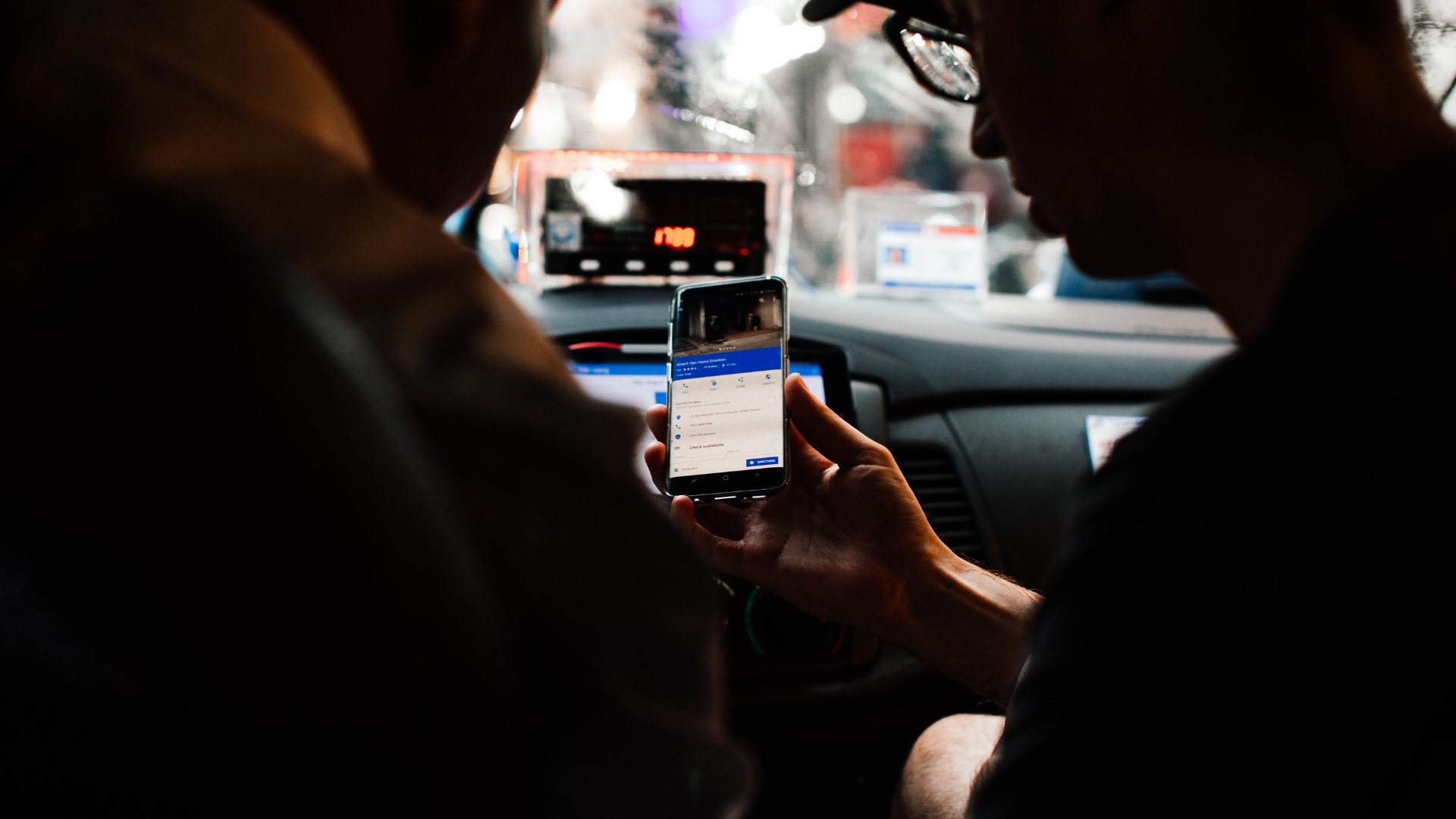
The best time to call is before you sign anything and before the app record gets harder to reach. Waiting rarely helps a rideshare claim, and it often helps the company that would rather pay less. Early moves protect the case.
You do not need every answer before you call. That is the point of the free consultation. You bring what you have, and the firm helps you protect the rest before it slips away.
Before You Sign a Release
Once you sign a release, the claim is usually over for good. Getting the document reviewed first can save the compensation you would otherwise sign away. A quick call beats a permanent mistake.
Before Evidence Gets Harder To Find
Trip records age, footage loops, and witnesses move on. Calling early lets the firm request app data and lock down proof while it still exists. Every week that passes makes the record harder to rebuild.
Call Justice On Demand for a Phoenix Rideshare Accident Attorney

You should not have to manage a serious rideshare crash claim while three insurance companies decide how little they want to pay. Justice On Demand can review what happened, pinpoint the app records that still need protecting, and lay out the steps that make sense for your situation.
The right legal help makes the whole process feel less chaotic. You get real answers about trip status, insurance coverage, medical bills, lost income, and settlement pressure. You also get someone who knows how fast rideshare evidence disappears across Phoenix and the East Valley.
Justice On Demand offers free consultations, around-the-clock availability, and an initial 30-day satisfaction period so you can move forward with confidence. If you need a Phoenix Rideshare Accident Attorney, call (480) 934-0676 or reach the firm through our contact page today to start your free review.