

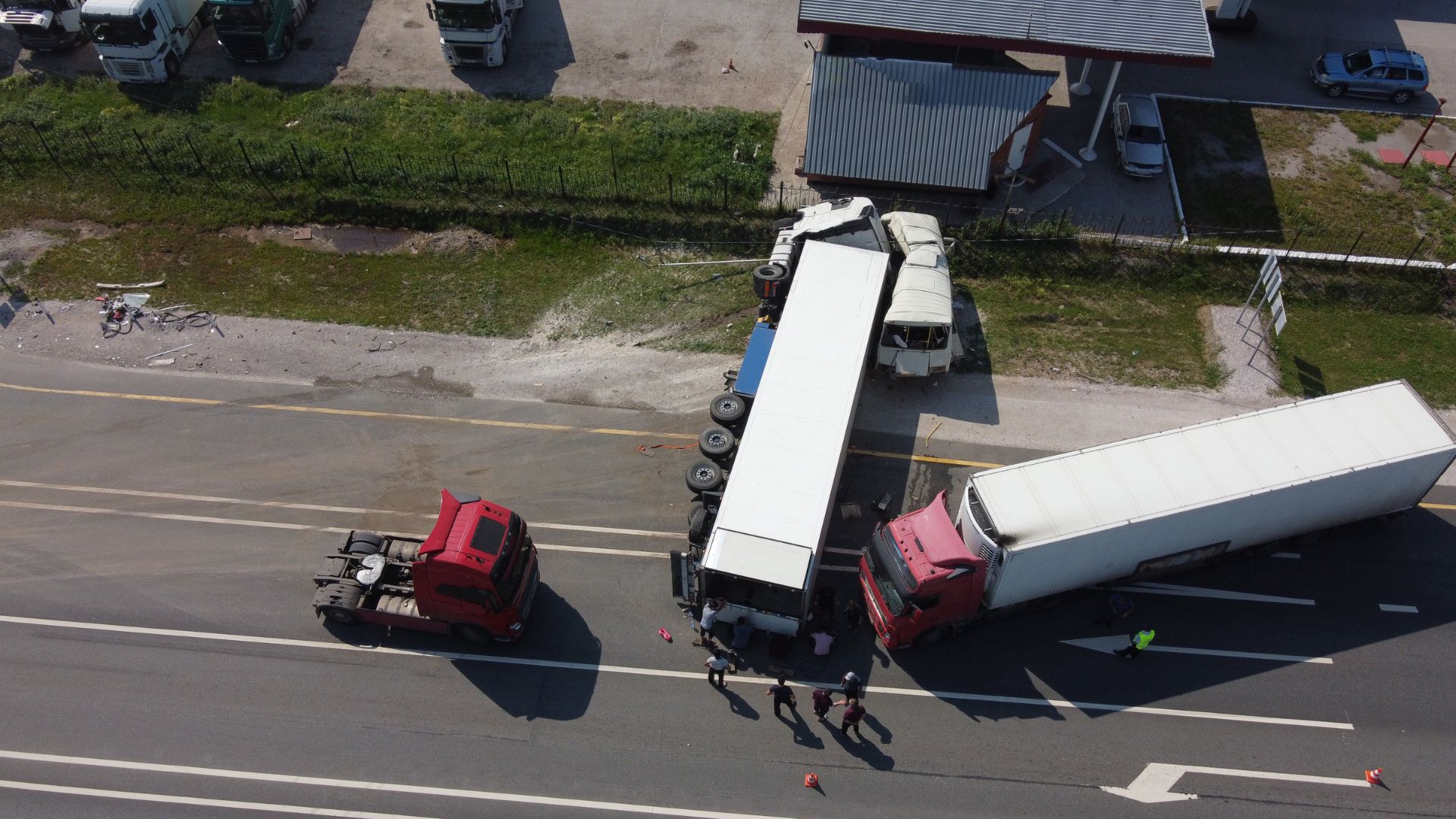
A truck crash in Chandler can put the injured person up against a business operation, rather than just another driver. A truck accident lawyer in Chandler can review the crash through the records behind the vehicle, including who used it, who maintained it, who insured it, and what happened before impact. Justice On Demand helps injured people look past the truck crash itself and examine the decisions that may have led to the accident occurring.
After a Chandler truck crash, the injured person can be waiting for answers while the company side already knows the driver, the route, the vehicle history, and the insurance structure. Treatment, missed income, transportation problems, and pain can continue before those records are shared. The claim should account for both the crash injuries and the business evidence needed to prove what went wrong. Call Justice On Demand today at (480) 934-0676 for a free consultation from our truck accident lawyer in Chandler.
How Long Does a Truck Accident Claim Usually Take in Chandler, Arizona
A truck accident claim can take longer when important answers sit with the company connected to the vehicle. The injured person may know where the crash happened and what injuries followed, but the business may control the driver file, route information, vehicle inspection history, repair records, load details, and insurance contacts. Justice On Demand looks over what needs to be requested, what may affect the timeline, and which records may help explain responsibility under Arizona law. The length of the claim often depends on how quickly the injury picture develops and how much the company side disputes fault.
Some Chandler truck claims move slowly because medical treatment is still ongoing. Others take longer because the crash involved several vehicles, a business-owned truck, disputed speed, maintenance questions, or insurance companies arguing over coverage. A claim should not be rushed before the full injury record and the truck-related records are reviewed together. Moving too quickly may leave out future care, missed income, vehicle damage, or company documents that could affect the claim’s value.
Medical Treatment Can Affect the Claim Timeline
A truck accident claim often cannot be fully valued on the first day. The injured person may need emergency care, imaging, specialist appointments, therapy, medication, surgery discussions, or follow-up visits before the full medical picture is known. Serious truck crashes may cause injuries that change over time, especially when pain, mobility limits, nerve symptoms, or work restrictions develop after the initial treatment. A claim timeline should allow enough room for doctors to understand recovery and future care needs. A truck accident lawyer in Chandler can review the treatment record before an insurer tries to value the claim too early.
Recovery Progress Takes Time to Measure
Recovery progress may look different from one appointment to the next. A person may improve in one area while pain, stiffness, or weakness remains in another. Those changes can affect how the claim is evaluated.
Future Care Before Settlement
Future care should be considered before major claim decisions are made. Doctors may recommend therapy, imaging, injections, specialist care, surgery, or continued restrictions. Those needs may affect both timing and value.
Company Records May Not Arrive Quickly
Truck accident claims may depend on records the injured person does not have. The company may control documents about the driver, vehicle, maintenance, delivery route, inspection history, cargo, scheduling, or prior safety concerns. Those records may not be shared immediately, especially when fault is disputed. Delays can happen when a business, insurer, or vehicle owner reviews what must be produced. A truck accident lawyer in Chandler can identify which records may matter and why they should be preserved early.
Records Connected to the Truck
Truck records may explain what happened before the crash. Inspection reports, repair history, driver assignments, route details, and company communications may all become relevant. These records can help show whether the crash involved more than a driving mistake.
Information Held by the Business
The business connected to the truck may already have important information. Driver status, vehicle ownership, insurance coverage, and work purpose may sit inside company files. Those details can affect how quickly the claim moves.
Fault Disputes Can Slow the Process
A truck accident claim may take longer when the company or insurer disputes responsibility. They may argue that another driver caused the crash, that the injured person contributed to the collision, or that the truck driver acted reasonably. Those arguments need to be compared with roadway evidence, vehicle damage, witness accounts, police records, and truck-related documents. Arizona fault issues may also affect how responsibility is divided between involved parties. A truck accident lawyer in Chandler can review those disputes before one side controls the explanation.
Different Versions of the Crash
Truck crashes often produce different accounts from drivers and insurers. One person may describe the truck’s movement differently than another. Physical evidence and records can help test those competing versions.
Responsibility Shared Between Parties
More than one party may affect the same crash. A truck driver, another motorist, vehicle owner, company, or maintenance provider may each require review. Shared responsibility questions can extend the claim timeline.
Insurance Review May Add More Delay
Truck accident insurance review may involve more than one policy. A business policy, driver policy, vehicle owner policy, or other coverage source may need to be examined before the claim moves forward. Insurers may request medical records, wage records, crash details, vehicle information, or statements before taking a position. That process can delay payment when each side wants more documentation. The injured person should not be pressured into moving faster than the facts allow.
Commercial Coverage Questions
Commercial coverage can take time to sort out. The insurer may need to know whether the truck was being used for work, delivery, hauling, construction, or another business purpose. That information may affect which policy responds.
Delays From Multiple Insurers
Multiple insurers may slow communication after a truck crash. One company may wait for records while another questions fault or coverage. Careful organization can help keep the claim from getting buried in those delays.
How a Truck Accident Lawyer in Chandler Proves Fault Under Arizona Law
Proving fault after a truck crash starts with the conduct that made the collision happen. Arizona law looks at whether a driver, business, vehicle owner, or another party acted carelessly and caused injury. A truck accident lawyer in Chandler can review the truck’s movement, the driver’s choices, the surrounding traffic, and the records that explain why the vehicle was on the road. The claim should connect each careless act to the crash instead of relying on a broad statement that the truck was involved.
Fault may also depend on what happened before the truck reached the collision point. A driver may have been assigned a route, sent out with a mechanical issue, pressured by a schedule, or allowed to operate a vehicle that needed attention. Those facts can matter when responsibility reaches beyond the person behind the wheel. The legal review should measure the crash against what a reasonably careful driver or company should have done under the circumstances.
Truck Movement Before Impact
The truck’s movement before impact can show whether the driver acted safely. A truck may need more distance to stop, more space to turn, and more time to react than a smaller vehicle. Fault may become clearer when the truck changed lanes, turned wide, followed too closely, drifted, backed up, or entered traffic without enough room. These movements should be compared with vehicle damage, lane markings, witness accounts, and the location of the impact. A truck accident lawyer in Chandler can use those details to evaluate whether the driver’s actions created the crash risk.
Position of the Truck in Traffic
The truck’s position can explain what options the driver had before impact. A truck entering a lane, blocking an intersection, crowding a turn, or stopping too late may create danger for nearby drivers. That position should be reviewed against the road layout and traffic conditions.
Space Needed for Safe Operation
Large trucks require more operating room than passenger vehicles. Stopping distance, turn radius, blind spots, and vehicle weight can affect whether a maneuver was safe. Those limits do not excuse careless driving when other people are placed in danger.
Driver Conduct Measured Against Arizona Rules
Driver conduct matters when proving fault under Arizona law. A truck driver may violate traffic rules by speeding, failing to yield, following too closely, making an unsafe lane change, running a red light, or driving while distracted. Even without a citation, the driver’s choices may still show careless conduct. The claim should examine what the driver did, what the driver should have seen, and whether safer driving would have prevented the crash. Arizona fault review depends on specific conduct, not assumptions about who caused the collision.
Traffic Violations and Unsafe Choices
Traffic violations can help show why the crash happened. Speeding, unsafe turns, distracted driving, improper passing, or failure to control the vehicle may all support fault. These choices should be connected to the collision itself.
Conduct Without a Citation
A missing citation does not always end the fault review. Police may not see every detail, and reports may not address every unsafe choice. Other evidence can still show careless driving.
Company Decisions Behind the Driver
A truck accident may involve decisions made before the driver entered traffic. A company may have selected the route, scheduled the delivery, assigned the vehicle, approved the driver, or handled maintenance. Those choices can matter when they contributed to the crash. Fault may involve the business if the company ignored safety issues, sent out an unsafe truck, or created conditions that made careless driving more likely. A truck accident lawyer in Chandler can review whether company conduct played a role under Arizona law.
Dispatch and Route Pressure
Dispatch decisions can influence how a truck is driven. A tight schedule, unfamiliar route, rushed delivery, or poorly planned stop may create added risk. Those details deserve review when the crash involves business activity.
Company Knowledge Before the Crash
Company knowledge may affect responsibility when safety concerns existed earlier. Prior complaints, repair notes, driver issues, or route concerns may show the business had information before the collision. Those records can help explain whether the crash was preventable.
Evidence Linking Negligence to Injury
Fault requires more than showing someone acted carelessly. The careless act must be connected to the crash and the injury that followed. Vehicle damage, medical records, photographs, witness statements, roadway details, truck documents, and insurance records may all help connect those pieces. A truck accident lawyer in Chandler can review whether the evidence shows how the truck crash caused the injured person’s losses. That connection matters when insurers dispute either fault or the seriousness of the injury.
Crash Facts Matched to Medical Records
Crash facts and medical records should support the same story. The impact location, force of collision, symptom timing, and treatment history may help connect the injury to the wreck. That connection can become important when causation is challenged.
Proof That Connects the Pieces
Strong proof links conduct, impact, injury, and loss. Photos, reports, records, witness details, and treatment notes may each explain part of the claim. Together, they can help show why the responsible party should be held accountable.
How Justice On Demand Builds Chandler Truck Claims Around Records the Company May Control

Truck accident claims often depend on information the injured person cannot collect at the scene. The company connected to the truck may have driver files, inspection notes, repair records, dispatch instructions, insurance documents, and route details that explain what happened before impact. Justice On Demand reviews those records because a truck crash is rarely limited to the few moments captured in a police report. A truck accident lawyer in Chandler can help identify which company-controlled details may affect fault, timing, and claim value.
Those records matter because a business may already know facts the injured person has not been given. The truck’s purpose, driver assignment, maintenance condition, route, cargo, and insurance structure may all sit inside company systems. A claim can become harder to prove when those details are delayed, incomplete, or never requested. Justice On Demand works to connect the crash scene with the business information behind the truck.
Driver Background Held in Company Files
A driver file may explain whether the person operating the truck was properly assigned, trained, licensed, or cleared for the work being done. The file may also show prior issues, work status, employment relationship, or other details that affect responsibility. These records can matter when the company tries to separate itself from the driver’s choices. A basic exchange at the scene usually does not reveal that information. The claim should examine who placed the driver in the truck and what the company knew before the crash.
Records Beyond a Driver’s Name
A driver’s name is only the beginning of the review. Work status, assignment details, training history, licensing information, and company policies may all matter. Those records can help show whether the driver was operating under company responsibility.
Company Knowledge About the Driver
Company knowledge may affect the claim when warning signs existed before the crash. Prior complaints, safety concerns, schedule issues, or driving history may deserve review. Those details can show whether the crash followed a preventable company decision.
Vehicle Service History Before the Crash
Truck maintenance records may show whether the vehicle was safe before it entered Chandler traffic. Brake issues, tire problems, lighting defects, steering concerns, inspection failures, or delayed repairs may help explain why the crash happened. The company may have records showing when the truck was inspected, serviced, reported for repairs, or cleared for use. Those documents can become important when a business argues that the collision was only driver error. A truck accident lawyer in Chandler can review whether vehicle condition played a role in the injury.
Repair History Before the Collision
Repair history may show whether problems existed before the truck reached the road. Missed service, repeated complaints, worn parts, or incomplete repairs can affect the fault review. These records help explain whether the vehicle should have been used at all.
Inspection Notes With Claim Value
Inspection notes can reveal details that are not visible after the crash. They may mention tires, brakes, lights, mirrors, steering, or other safety concerns. Those notes can help show whether the truck was ready for safe operation.
Dispatch Records Showing the Truck’s Purpose
Dispatch records may explain why the truck was in that place at that time. A delivery, service call, construction route, warehouse run, or business errand may connect the vehicle to company activity. Those details can affect insurance coverage, responsibility, and which records should be reviewed next. Dispatch information may also show timing pressure, route instructions, stop locations, or communication before the crash. Justice On Demand looks at those details because the trip itself may help explain the collision.
Route Instructions Before Impact
Route instructions can show where the driver was supposed to go and why. A company may have directed the truck through certain roads, stops, or job locations. That information can help connect the crash to business activity.
Timing Pressure During the Trip
Timing pressure may affect driver decisions before a crash. A rushed delivery, tight appointment, or delayed route can create added risk. Those details deserve review when the truck was operating for work.
Insurance Policies Connected to the Truck
Truck accident claims may involve insurance coverage that is not obvious from the scene. A business policy, vehicle policy, driver policy, contractor policy, or other coverage source may affect how the claim proceeds. Insurance documents can show which company should respond and whether coverage disputes are delaying the claim. Without those records, the injured person may be passed between insurers while treatment and financial pressure continue. A truck accident lawyer in Chandler can help review which policies may apply after the crash.
Coverage Connected to Business Use
Business use may change the insurance review. A truck used for delivery, hauling, construction, service work, or company travel may involve different coverage than a personal vehicle. That distinction can affect who must respond to the claim.
Policy Disputes Between Insurers
Insurers may disagree about which policy applies. One company may point to the driver, another may point to the business, and another may request more records. Those disputes should not push the injury claim out of focus.
Internal Messages About the Route and Collision
Company communications may reveal what the business knew before and after the collision. Messages, calls, emails, dispatch notes, repair requests, supervisor instructions, or internal reports may show how the company handled the truck and driver. After a crash, those communications may also explain what was reported, who responded, and how the company described the incident internally. These records can help test whether the company’s later explanation matches what happened in real time. Justice On Demand reviews those communications as part of the broader claim record.
Messages About the Truck or Route
Messages may show concerns about the vehicle, schedule, stop, load, route, or driver before the crash. Those details may not appear in the police report or insurance summary. Internal communications can help fill in what happened before the collision.
Reports Created After the Collision
Post-crash reports may show how the company first understood the incident. They may identify employees, vehicle problems, route details, or safety concerns. Those reports should be compared with the injured person’s account and the physical evidence.
Schedule With Justice On Demand Today to Speak With Our Truck Accident Lawyer in Chandler
After a Chandler truck crash, the injured person may only have the damage in front of them, but none of the evidence needed for their claim. Work orders, route instructions, service notes, policy documents, and internal reports may hold answers the injured person cannot get from the crash scene alone. Those records can explain why the truck was on the road, whether it was safe to operate, and who was responsible for decisions made before impact. They can also change the direction of the truck claim when the first traffic summary leaves out the business activity behind the vehicle.
Justice On Demand can help press the claim toward the records that explain the truck’s role in the crash. A truck accident lawyer in Chandler discusses the collision, the injuries, the company connection, and the missing information that matter before the insurer’s version of the story controls the case. Call Justice On Demand at (480) 934-0676 or visit our contact page to speak with our truck accident lawyer in Chandler today.