


A grocery store rarely looks dangerous. Bright lighting, polished floors, neatly stocked shelves, and familiar aisles create the impression that everything has been carefully maintained. Yet appearances can be misleading. Water may collect beneath a refrigeration case for hours. A recently dropped container may remain on the floor while employees focus on restocking shelves. An entrance can become slick after dozens of customers track in moisture. Many grocery store accidents happen because a hazard blends into the environment instead of standing out. By the time an injured shopper realizes something is wrong, they are already on the ground.
The days that follow often become just as frustrating as the fall itself. You may leave with more questions than answers. Did the store know about the hazard? Was anyone inspecting the aisles? Is surveillance video still available? Who is responsible if a cleaning company or outside vendor created the dangerous condition? Instead of receiving clear information, many injured shoppers quickly hear from insurance representatives whose priorities differ from their own. Those early conversations can shape a claim long before the full extent of an injury becomes clear.
If you need a Grocery Store Slip and Fall Lawyer in Phoenix who values preparation, communication, and personalized legal guidance, call Justice on Demand today at 480-934-0676 for a free consultation. We are ready to listen to your story and help you understand your legal options.
What Evidence Helps Prove a Grocery Store Slip and Fall in Phoenix
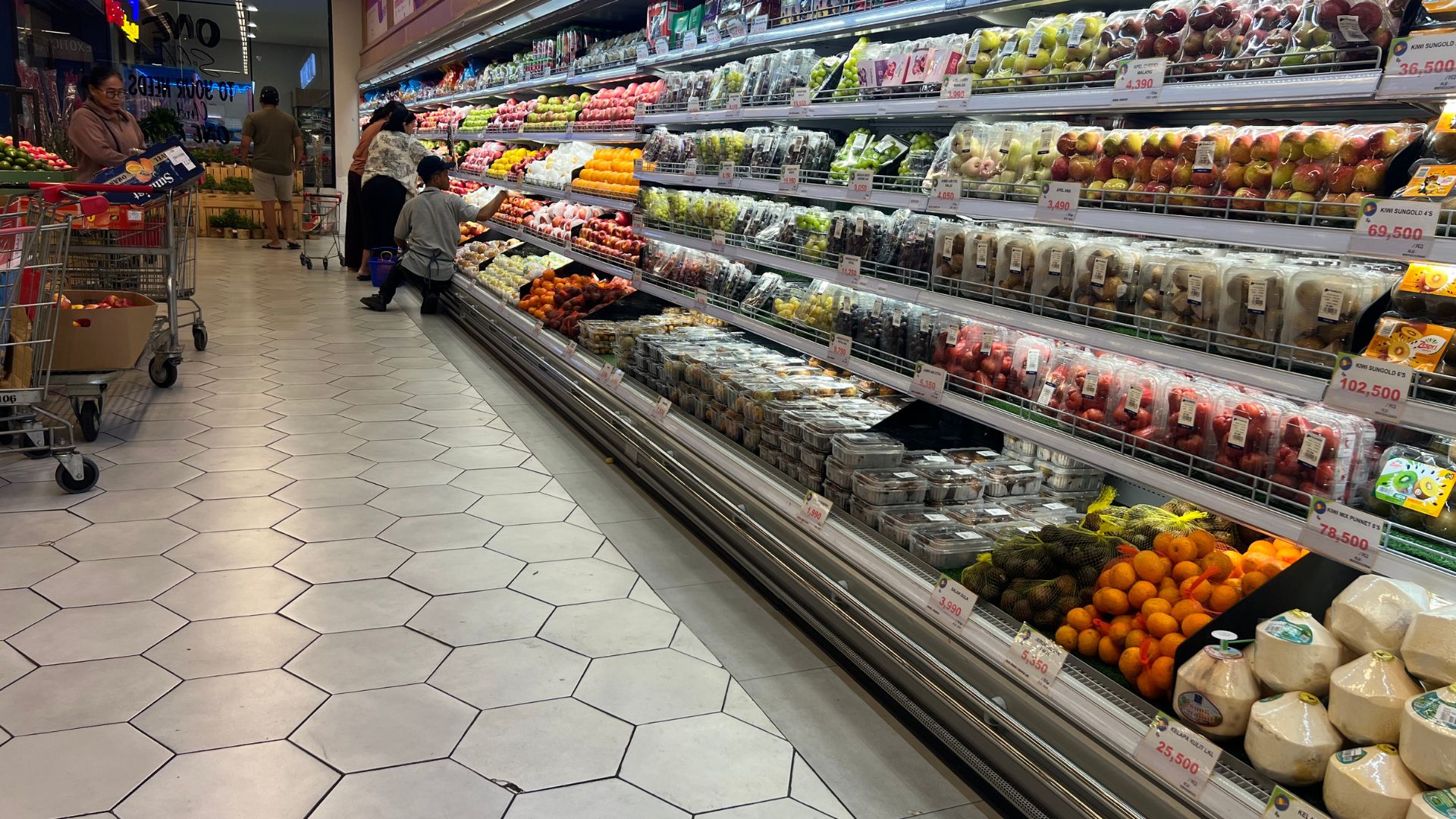
Every grocery store slip and fall claim depends on the quality of the evidence supporting it. Simply showing that an accident occurred inside a supermarket does not automatically establish that the business acted negligently. Instead, the facts must explain what dangerous condition existed, why it remained long enough to create an unreasonable risk, whether the grocery store knew or should have known about the hazard, and how that condition directly caused your injuries. Those details often determine whether an insurance company takes a claim seriously or attempts to dispute liability from the very beginning.
At our firm, we begin every grocery store slip and fall case by building a complete picture of what happened instead of relying solely on an incident report prepared by the store. Founding attorney Christian Pedersen believes every injured client deserves a thorough investigation that uncovers facts other people may overlook. That approach allows us to develop a stronger grocery store slip and fall claim while giving our clients confidence that every important detail receives careful attention. Whether your accident occurred because of a leaking freezer, spilled liquid, broken flooring, or another unsafe condition, preserving evidence quickly often becomes one of the most important decisions you make.
Grocery Store Surveillance Video Can Protect Your Phoenix Slip and Fall Claim
Surveillance video frequently becomes one of the most valuable pieces of evidence after a grocery store accident. Most modern supermarkets operate numerous security cameras throughout the building, including entrances, produce departments, checkout lanes, frozen food sections, pharmacy areas, customer service counters, and exterior walkways. These cameras may capture much more than the actual fall. They often document what happened before the accident, how employees responded afterward, and whether the dangerous condition remained on the floor long enough that someone should have addressed it.
Many injured shoppers never realize how quickly this evidence can disappear. Some grocery stores routinely overwrite surveillance recordings as part of their normal business operations. If nobody requests that the footage be preserved, important evidence may no longer exist by the time an insurance company begins investigating the claim. For that reason, we move quickly to identify potential video evidence and request that the appropriate footage be retained before it is permanently lost.
Surveillance Footage May Establish How Long the Hazard Existed
Video recordings often answer questions that witness testimony alone cannot fully explain. Rather than relying on estimates or assumptions, surveillance footage may reveal exactly when liquid reached the floor, when merchandise fell into a walkway, or when another customer reported the hazard to store employees. Establishing that timeline often becomes an important part of proving that the grocery store had sufficient opportunity to discover and correct the dangerous condition.
The longer a hazard remains unaddressed, the more significant that information may become during a premises liability claim. Every case is different, but understanding how the dangerous condition developed helps us present a clearer explanation of why the accident occurred.
Multiple Camera Angles Can Strengthen a Grocery Store Injury Investigation
Large grocery stores often use overlapping camera systems that capture different parts of the same department. One camera may record the actual accident, while another may show employees walking past the hazard several minutes beforehand. A third camera may document cleaning activity or customer traffic that provides additional context.
Reviewing multiple camera angles allows us to understand the entire sequence of events instead of focusing on only the moment of impact. That broader investigation often uncovers important details that would otherwise remain hidden.
Grocery Store Inspection Records Can Reveal Unsafe Safety Practices
Responsible grocery stores typically develop inspection procedures designed to identify hazards before customers encounter them. Employees may perform scheduled floor inspections, complete cleaning logs, document maintenance issues, and report hazards throughout the day. Those records sometimes become important evidence because they help demonstrate whether the store followed its own safety procedures or allowed dangerous conditions to remain without correction.
Inspection records also help explain how the grocery store approached customer safety before the accident occurred. If inspection schedules contain significant gaps or maintenance concerns appear repeatedly without being addressed, those facts may become relevant during the investigation. Rather than relying on assumptions, we carefully compare inspection records with other available evidence to determine whether the property was reasonably maintained.
Cleaning Logs Can Help Reconstruct the Timeline
Many supermarkets require employees to document routine inspections and cleaning activities throughout the business day. Those logs may identify when a particular aisle was inspected, when spills were cleaned, or when employees responded to customer complaints.
Although written records alone rarely tell the entire story, they often become much more meaningful when viewed alongside surveillance footage, photographs, witness statements, and maintenance documentation. Comparing each source allows us to evaluate whether the available evidence presents a consistent timeline.
Routine Inspection Policies May Become Important Evidence
Every grocery store develops its own internal procedures for monitoring customer safety. Some locations require frequent inspections in departments where spills commonly occur, while others assign employees to monitor multiple areas throughout the store during each shift.
Understanding those internal procedures helps us evaluate whether employees followed established safety practices on the day of the accident. If the grocery store failed to follow its own policies, that information may help explain why the hazardous condition remained long enough to injure a customer.
Witness Statements Can Strengthen a Grocery Store Slip and Fall Case
People who witnessed the accident often provide valuable information that cannot be found anywhere else. Another shopper may remember seeing liquid on the floor several minutes before the fall. Someone standing nearby may have heard another customer warn an employee about the hazard. Even individuals who never saw the actual accident may remember important details about the condition of the aisle, the location of warning signs, or how employees responded after the incident.
Because memories naturally become less reliable as time passes, identifying witnesses early can make a meaningful difference. Speaking with individuals while events remain fresh often produces more detailed and accurate information than waiting several weeks after the accident.
Grocery Store Employees May Possess Important Information
Employees frequently understand how their departments operate on a daily basis. They may know whether refrigeration equipment had leaked repeatedly, whether customers previously complained about the same area, or whether staffing shortages affected routine inspections.
Those observations do not automatically establish negligence, but they often help us better understand the circumstances surrounding the accident. We evaluate employee statements together with every other available piece of evidence to develop a complete understanding of what happened.
Independent Witnesses Often Provide Unbiased Observations
Independent customers generally have no financial interest in the outcome of a claim. Their observations often focus on simple facts, including what they saw, what they heard, and how the accident unfolded.
Objective witness testimony frequently adds credibility to a grocery store slip and fall claim because it comes from someone who has no connection to either party. Those observations may support other evidence gathered during the investigation.
Photographs Preserve Dangerous Grocery Store Conditions
Accident scenes inside grocery stores change very quickly. Employees often clean spills immediately after an incident, replace damaged merchandise, remove obstacles, reposition warning signs, or reopen closed aisles within minutes. As a result, photographs taken shortly after the accident frequently become one of the best ways to preserve the appearance of the scene before those conditions disappear.
Photographs should capture much more than the location where the fall occurred. They may document lighting conditions, surrounding displays, floor materials, nearby warning signs, shopping carts, refrigeration equipment, visible injuries, damaged clothing, footwear, and anything else that helps explain the environment where the accident happened.
Close Up Images Often Reveal Critical Details
Wide photographs establish the overall layout of the grocery store, but close-up images frequently reveal details that become equally important later. A photograph may show dirty footprints passing through a spill, moisture collecting beneath a refrigeration case, worn flooring, cracked tile, damaged mats, or leaking equipment that otherwise would have gone unnoticed.
Those seemingly small details often help explain why the dangerous condition existed before the accident occurred. They also provide valuable context when combined with surveillance footage and witness testimony.
Photographs Should Capture Conditions Before Employees Make Changes
Once employees begin cleaning or repairing the area, it becomes much more difficult to recreate the original scene. That is why photographs taken immediately after the accident often provide the most accurate representation of the conditions that existed when the fall occurred.
Even if every photograph does not appear significant at first, each image may later contribute to understanding how the accident happened. Preserving those details early allows us to evaluate every aspect of the grocery store slip and fall claim.
Medical Records Connect Your Injuries to the Grocery Store Accident
Evidence extends well beyond the grocery store itself. Medical records explain how the accident affected your health, your mobility, your ability to work, and your daily routine. Emergency department records, physician evaluations, diagnostic imaging, physical therapy notes, orthopedic consultations, surgical recommendations, and follow-up appointments all help establish the progression of your injuries after the fall.
Insurance companies frequently review medical documentation when evaluating a grocery store slip and fall claim. Consistent treatment records often create a clearer connection between the accident and the injuries that followed. That documentation also helps explain how your recovery continues to affect your everyday life.
Medical Documentation Supports Every Stage of Your Injury Claim
Medical providers carefully document symptoms, physical limitations, diagnostic findings, treatment recommendations, and recovery progress throughout your care. Those records provide objective information that often becomes an essential part of presenting a complete premises liability claim.
Rather than relying solely on verbal descriptions of your injuries, we use medical documentation to demonstrate how the grocery store accident continues to influence your health, employment, and quality of life.
Every Medical Appointment Helps Tell Your Recovery Story
Each appointment adds another chapter to your recovery. Initial evaluations document the immediate effects of the accident, while follow-up visits show how symptoms evolve over time and whether additional treatment becomes necessary.
Taken together, those records help explain the full impact of the grocery store slip and fall accident. They also allow us to present a comprehensive claim that reflects both your current condition and the challenges you continue to face as you recover.
Can You Pursue Compensation After Falling Outside a Phoenix Supermarket
Many people assume a grocery store slip and fall claim only applies to accidents that happen inside the building. In reality, dangerous conditions often exist well beyond the checkout lanes. Grocery stores have a responsibility to maintain reasonably safe conditions throughout areas customers are expected to use, including sidewalks, entrances, exits, parking lots, loading zones, and other pedestrian walkways connected to the property. When those areas become hazardous because of poor maintenance or neglected repairs, serious injuries can occur before a shopper even walks through the front doors.
Determining who is legally responsible for an accident outside a supermarket is not always straightforward. Some parking lots are maintained by the grocery store itself, while others fall under the responsibility of a shopping center owner or commercial property management company. At our firm, we carefully investigate ownership records, maintenance agreements, inspection procedures, and other evidence to identify every party that may share responsibility for maintaining a safe property. That detailed approach allows us to build a stronger premises liability claim while helping clients understand exactly how their accident occurred.
Grocery Store Parking Lot Hazards Can Cause Serious Injuries
A grocery store parking lot experiences constant traffic throughout the day. Customers walk between parked vehicles while pushing shopping carts, carrying groceries, assisting children, or helping family members. Because of that activity, even a relatively minor maintenance issue can quickly become a significant safety hazard.
Unlike hazards inside the store, outdoor conditions are exposed to weather, vehicle traffic, landscaping equipment, and years of wear. As a result, surfaces may deteriorate gradually until someone suffers a preventable injury. We investigate whether the dangerous condition existed long enough that reasonable inspections should have identified and corrected the problem before anyone was hurt.
Uneven Pavement Creates Hidden Walking Hazards
Parking lots rarely deteriorate overnight. Instead, asphalt slowly develops cracks, depressions, loose gravel, and uneven walking surfaces that become more dangerous over time. Customers often focus on nearby vehicles or shopping carts rather than the pavement directly beneath their feet, making these defects difficult to notice until it is too late.
Our investigation focuses on whether the condition had existed long enough that routine maintenance would have identified it. We also evaluate whether temporary repairs had failed or whether the property owner delayed necessary improvements despite obvious signs of deterioration.
Worn Walking Surfaces May Indicate Ongoing Maintenance Problems
Surface damage sometimes reflects more than ordinary aging. Poor drainage, inadequate repairs, repeated vehicle traffic, or neglected maintenance can accelerate deterioration throughout heavily traveled pedestrian areas.
When those conditions continue without proper attention, they may demonstrate that the property was not maintained with customer safety in mind. We carefully examine photographs, maintenance records, and inspection documentation to better understand how the hazard developed.
Wheel Stops and Curbs Can Become Unexpected Obstacles
Concrete wheel stops and raised curbs help organize parking lots, but they can also create dangerous tripping hazards when they become damaged, displaced, or difficult to see. Faded paint, broken concrete, and poor lighting may reduce visibility, especially during early morning or evening shopping trips.
These hazards often appear in areas where customers are unloading groceries or returning shopping carts. Because attention is naturally divided during those activities, properly maintaining these walking areas becomes especially important.
Poor Visibility Can Increase the Risk of Outdoor Falls
Many outdoor accidents occur because hazards blend into the surrounding pavement. A broken curb or deteriorated wheel stop may appear almost identical to the asphalt around it, particularly when shadows or changing sunlight reduce visibility.
We evaluate lighting conditions, surrounding structures, and the overall layout of the property to determine whether customers had a reasonable opportunity to recognize and avoid the hazard before the accident occurred.
Grocery Store Sidewalk Accidents Can Lead to Premises Liability Claims
Sidewalks connect parking areas, entrances, pharmacies, garden centers, and neighboring businesses. Customers use these walkways continuously throughout the day, making proper maintenance essential for public safety. Even relatively small defects can create serious tripping hazards when hundreds or thousands of people pass through the same location each week.
Sidewalk accident claims frequently involve broken concrete, uneven expansion joints, loose pavers, deteriorated ramps, and other conditions that develop gradually over time. We investigate how long those defects existed and whether routine inspections should have identified the hazard before someone suffered an injury.
Entryways Require Ongoing Inspection and Maintenance
The area immediately outside a grocery store entrance often experiences the highest concentration of pedestrian traffic anywhere on the property. Shopping carts, automatic doors, promotional displays, and changing weather conditions all contribute to an environment that requires consistent attention.
Our firm examines whether employees regularly monitored entrance areas, addressed hazardous conditions promptly, and maintained safe walking surfaces for customers entering and leaving the store.
Entrance Mats Can Become Dangerous Instead of Helpful
Floor mats are intended to improve safety by reducing moisture and providing additional traction. However, damaged mats, curled edges, bunching material, or improperly placed runners may create the very hazard they were meant to prevent.
When entrance mats shift unexpectedly or remain in poor condition, customers may trip before they even reach the shopping area. We evaluate whether the mats were properly maintained and whether employees had an opportunity to correct the condition before the accident occurred.
Grocery Store Cart Areas Can Present Unexpected Slip and Fall Risks
Shopping cart corrals, return stations, and loading areas receive constant use throughout the day. These locations often accumulate loose debris, standing water, damaged pavement, and abandoned carts that interfere with safe pedestrian travel.
Customers frequently divide their attention between unloading groceries, supervising children, locating vehicles, and returning carts. Because distractions naturally occur in these areas, property owners should anticipate the need for consistent inspections and prompt maintenance.
Cart Return Areas Deserve the Same Attention as Store Interiors
A grocery store’s responsibility to maintain reasonably safe conditions does not stop at the front entrance. Outdoor cart return stations should receive regular inspections just like interior walkways and shopping aisles.
Our investigation considers whether maintenance staff routinely monitored these locations and whether dangerous conditions remained long enough that corrective action should have occurred before the accident.
Debris and Loose Materials Can Increase Fall Risks
Loose gravel, discarded packaging, broken cart components, landscaping materials, and other debris may interfere with safe footing throughout outdoor shopping areas. Although each condition may appear relatively minor on its own, the combination of multiple hazards can substantially increase the likelihood of a serious fall.
We examine photographs, witness statements, and maintenance documentation to determine whether these conditions developed because routine property maintenance was neglected.
We Investigate Every Area Surrounding a Grocery Store Accident
Successful grocery store slip and fall claims often require looking beyond the exact location where the injury occurred. We evaluate the entire property to understand whether unsafe conditions existed elsewhere, whether similar maintenance issues appeared throughout the premises, and whether recurring hazards demonstrate larger inspection failures.
Founding attorney Christian Pedersen approaches every Grocery Store Slip and Fall Lawyer in Phoenix case with the understanding that careful preparation often uncovers facts that are not immediately obvious. By thoroughly investigating parking lots, sidewalks, entrances, loading areas, and pedestrian walkways, we develop claims supported by evidence instead of assumptions. That preparation allows us to pursue compensation for clients injured outside grocery stores while providing the personalized guidance they deserve throughout the legal process.
Speak With a Grocery Store Slip and Fall Lawyer in Phoenix
A serious fall inside or outside a grocery store can leave you dealing with much more than physical pain. Medical appointments begin to fill your schedule, missed work can place added pressure on your finances, and insurance companies often start asking questions before you have had an opportunity to understand the full extent of your injuries. During a time like this, having knowledgeable legal guidance can make a meaningful difference. We take the time to listen to your concerns, answer your questions in plain language, and explain the legal process so you know what to expect from beginning to end.
If you are looking for a Grocery Store Slip and Fall Lawyer in Phoenix, do not wait to learn about your legal options. Important evidence can disappear quickly, and early action often places you in a stronger position as your claim moves forward. Call Justice on Demand today at 480-934-0676 to schedule your free consultation. We are available 24 hours a day, 7 days a week, and we are ready to help you pursue the compensation you deserve while you focus on moving forward with confidence.