


Every restaurant competes for the same thing. They want customers to feel comfortable enough to come back. Owners invest in their menus, train their staff, renovate dining rooms, and work hard to build a reputation people trust. None of those efforts matter, however, if basic safety falls behind. A beautiful dining room cannot excuse a slick walkway. Outstanding service cannot erase a dangerous entrance. When a preventable hazard leaves someone seriously injured, the focus shifts from hospitality to accountability. That is where Justice on Demand steps in.
A successful restaurant slip and fall lawyer in Phoenix must understand far more than how a fall occurred. These claims often require immediate action to preserve surveillance video, identify witnesses, review maintenance practices, and determine whether the restaurant had a reasonable opportunity to correct a dangerous condition. We begin that work while you focus on your recovery, and we remain available to answer your questions throughout the process. If you were injured after slipping inside a restaurant, call 480-934-0676 today to schedule your free consultation with Justice on Demand.
Restaurant Slip and Fall Lawyer in Phoenix for Wet Floor Injuries
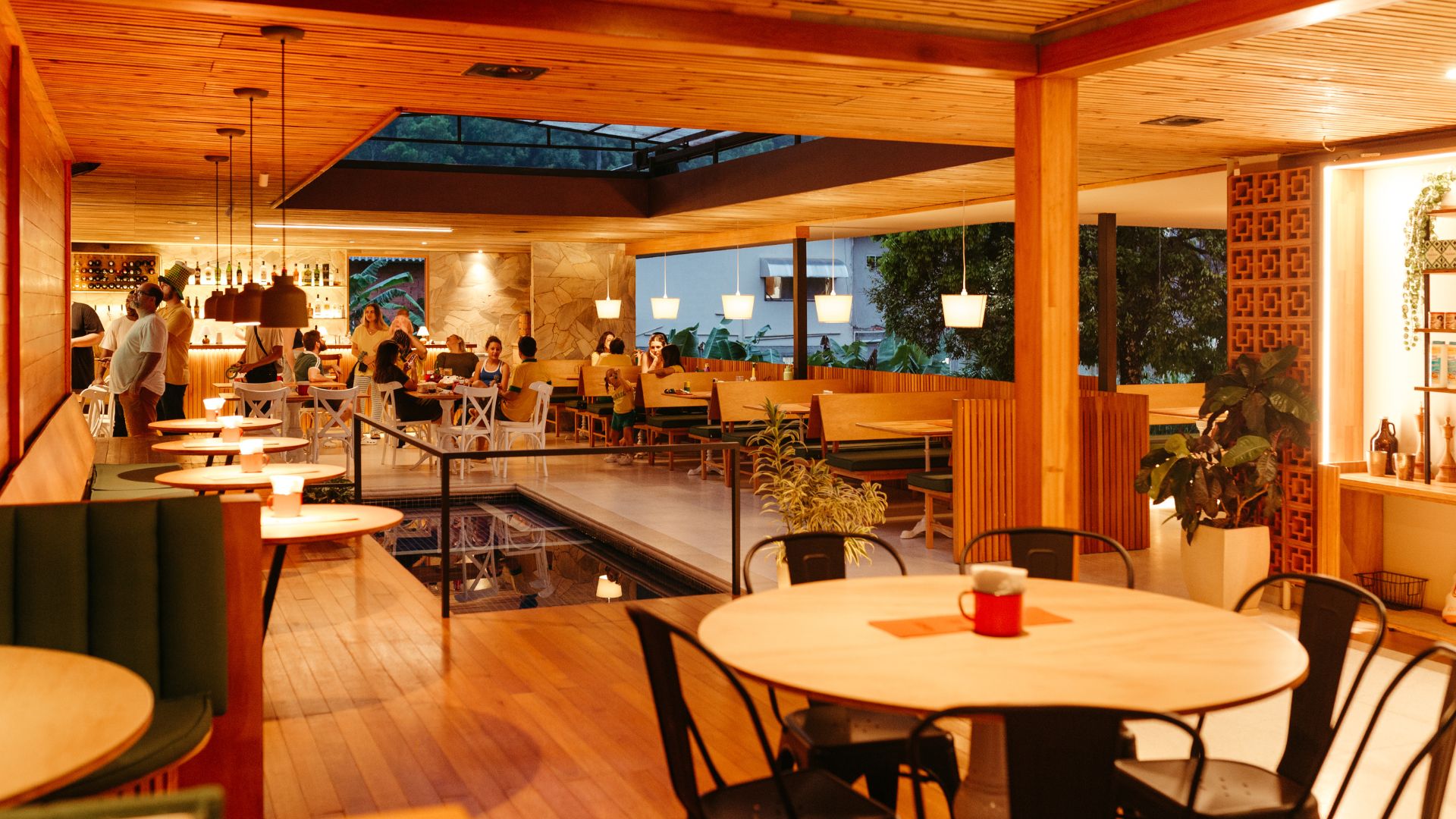
Restaurant slip and fall claims often involve much more than proving a floor was wet. The central question is whether the restaurant acted reasonably after a dangerous condition developed. Our team carefully evaluates how the hazard occurred, how long it existed, what employees knew about it, and whether reasonable inspection procedures could have prevented the accident. Every restaurant slip and fall lawyer in Phoenix should understand that these details often determine how a premises liability claim moves forward.
If you are looking for legal guidance after suffering injuries inside a restaurant, we encourage you to learn more about our broader Phoenix personal injury representation. Our approach focuses on thorough preparation, responsive communication, and helping injured clients make informed decisions throughout every stage of their claim.
Common Wet Floor Hazards Inside Phoenix Restaurants
Restaurants experience constant activity from opening until closing. Employees move quickly between tables, kitchens, beverage stations, and storage areas, while customers enter and exit throughout the day. Because conditions change rapidly, restaurant owners should establish consistent inspection practices that identify hazards before someone gets hurt.
A restaurant slip and fall lawyer in Phoenix understands that every wet floor develops differently. Some hazards appear within seconds, while others remain unnoticed for much longer. Understanding the source of the condition helps establish whether the business acted reasonably under Arizona premises liability law.
Beverage Spills Create Unexpected Walking Hazards
Soft drinks, coffee, tea, water, smoothies, cocktails, and other beverages frequently spill near self-service stations, host stands, and dining tables. These liquids often spread across smooth flooring, creating surfaces that appear dry until someone steps onto them.
Restaurants should respond quickly when spills occur because every passing minute increases the possibility that another customer may be injured. Employees who walk past a spill without addressing it may unintentionally allow an avoidable hazard to remain where guests continue walking.
Busy Dining Rooms Can Delay Hazard Recognition
Peak lunch and dinner hours often place tremendous demands on restaurant staff. Employees focus on seating guests, delivering meals, processing payments, and cleaning tables, which sometimes causes dangerous floor conditions to go unnoticed.
Heavy customer traffic does not eliminate a restaurant’s obligation to maintain reasonably safe premises. Instead, increased activity often requires more frequent inspections because conditions can change much faster during busy periods.
Ice and Condensation Around Beverage Stations
Drink machines, self-service beverage stations, and ice dispensers frequently generate water that spreads onto surrounding flooring. Condensation may accumulate throughout the day, particularly during Arizona’s warmer months when equipment works continuously.
These areas deserve regular attention because customers naturally focus on filling drinks instead of examining the floor beneath them. We frequently investigate whether employees routinely inspected these locations or allowed moisture to accumulate for extended periods.
Freshly Mopped Floors Can Still Present Serious Risks
Cleaning restaurant floors is an important part of maintaining a safe business. However, cleaning itself can create hazards if employees fail to dry the surface properly or provide adequate warning while customers continue walking nearby.
A warning cone alone does not automatically eliminate responsibility. Placement, visibility, surrounding lighting, customer traffic patterns, and the overall circumstances all influence whether reasonable precautions were taken.
Restaurant Kitchen Conditions Can Affect Customer Safety
Many restaurant slip and fall accidents begin in areas customers never see. Water, grease, cooking oils, sauces, and food debris frequently accumulate inside kitchen workspaces before employees unknowingly carry those substances into public walkways.
Understanding how hazards migrate from employee work areas into customer spaces often becomes an important part of a restaurant premises liability investigation. We evaluate cleaning procedures, employee movement, flooring materials, and maintenance practices when determining how an accident occurred.
Grease Transfer Can Extend Beyond Food Preparation Areas
Restaurant employees often move rapidly between kitchens and dining rooms while carrying meals and beverages. During those trips, grease or moisture attached to footwear may spread across tile or polished flooring where customers expect a clean, dry walking surface.
Grease creates particularly dangerous conditions because it often blends into darker flooring and remains difficult to identify before someone slips. Our investigation focuses on whether routine inspections should have identified and corrected the hazard sooner.
Flooring Materials Influence Slip Resistance
Not every restaurant uses the same flooring material. Polished concrete, ceramic tile, sealed stone, vinyl flooring, and decorative surfaces each respond differently when exposed to moisture or grease.
Some flooring becomes significantly more slippery after minimal exposure to liquids. Understanding the type of surface involved helps explain why an otherwise ordinary spill created an unreasonable risk for customers.
Restaurant Inspection Procedures Can Reveal Important Evidence
Most restaurants establish internal policies for inspecting customer areas throughout the day. Those procedures often require employees or managers to monitor entrances, dining rooms, beverage stations, hallways, and restrooms at regular intervals.
When injuries occur, those inspection policies may become valuable evidence. We compare written procedures with what actually happened before the accident to determine whether employees followed their own safety practices.
Inspection Logs Can Support a Restaurant Slip and Fall Claim
Some businesses maintain written or electronic inspection records documenting when employees examined customer walkways. These records sometimes reveal significant gaps between inspections or inconsistencies that deserve additional investigation.
Even when formal logs do not exist, employee schedules, surveillance footage, point-of-sale activity, and witness testimony may help establish whether reasonable inspections occurred before the accident.
Employee Training May Affect Liability
Restaurants should train employees to identify hazardous walking conditions quickly and respond appropriately. Training often includes spill cleanup procedures, inspection responsibilities, reporting requirements, and customer safety practices.
When employees receive little guidance or inconsistent instruction, dangerous conditions may remain uncorrected much longer than they should. Those circumstances often become relevant during a restaurant slip and fall case.
A Restaurant Slip and Fall Lawyer in Phoenix Investigates More Than the Accident
Many people assume a premises liability claim begins and ends with the fall itself. In reality, experienced investigations focus on everything that happened before, during, and after the incident.
We work to understand how the dangerous condition developed, who may have observed it, whether similar hazards occurred previously, and how restaurant employees responded after the injury. Looking beyond the immediate accident often uncovers important evidence that insurance companies overlook.
Surveillance Video Can Answer Critical Questions
Many restaurants use surveillance cameras throughout customer areas, entrances, cash registers, and dining rooms. Video footage may reveal when the spill first appeared, whether employees walked past it, and how the injured person fell.
Because many surveillance systems automatically overwrite older recordings, early action remains important. Preserving this evidence may significantly strengthen a restaurant slip and fall claim.
Video Can Show More Than the Moment of Impact
The most valuable footage often begins long before the actual fall. Earlier recordings may capture employees creating the hazard, failing to inspect the area, or ignoring warning signs that a dangerous condition existed.
Video may also confirm customer traffic patterns, lighting conditions, floor visibility, and whether warning devices remained properly positioned throughout the day.
Witness Statements Help Complete the Timeline
Customers, restaurant employees, delivery drivers, and nearby businesses sometimes observe important details that cameras never capture. Their observations may explain how long the hazard existed or whether someone previously reported the dangerous condition.
Collecting witness information promptly often makes a meaningful difference because memories naturally fade over time. Early interviews frequently produce more accurate accounts of what occurred.
Why Prompt Action Protects Restaurant Slip and Fall Claims
Many injured people understandably focus first on medical treatment. While health should always remain the highest priority, preserving evidence shortly after the accident also helps protect a potential claim.
Restaurant conditions change quickly as employees continue cleaning, serving customers, and rearranging dining areas. Waiting too long may allow valuable evidence to disappear before it can be documented.
Medical Records Connect the Injury to the Fall
Prompt medical evaluation creates documentation showing how the accident affected your health. Physicians, imaging studies, treatment recommendations, and rehabilitation records help explain the nature and severity of your injuries.
Medical records also establish a timeline that connects the restaurant accident with your physical condition. This documentation often becomes one of the most important parts of any restaurant slip and fall claim.
Restaurant Slip and Fall Lawyer in Phoenix for Patio Injuries
Outdoor dining has become a popular part of the restaurant experience throughout Phoenix, especially during the cooler months when patios remain full from morning through late evening. While these spaces create an inviting atmosphere, they also introduce safety concerns that indoor dining areas may not face. Uneven walking surfaces, irrigation runoff, decorative hardscaping, loose pavers, and changing weather conditions can all increase the risk of a serious fall. When restaurant owners fail to inspect and maintain these areas, customers may suffer injuries that require extensive medical treatment and weeks or months away from normal activities.
A restaurant slip and fall lawyer in Phoenix understands that patio accident claims often require a different investigation than falls inside a dining room. Outdoor hazards constantly change as businesses clean patios, move furniture, water landscaping, and accommodate large crowds. We carefully evaluate the condition of the property, maintenance practices, inspection procedures, and the actions taken before the accident occurred to determine whether negligence contributed to the incident.
Uneven Restaurant Patio Surfaces Can Create Dangerous Walking Conditions
Restaurant patios experience continuous wear from customer traffic, outdoor furniture, changing temperatures, and daily business operations. Over time, surfaces that once appeared level may shift, crack, settle, or deteriorate. Small elevation changes may seem insignificant until someone catches a foot, loses balance, and falls unexpectedly.
Many outdoor restaurant accidents occur because hazards gradually develop instead of appearing suddenly. This often means the property owner had opportunities to identify the problem before someone became injured. We investigate whether routine inspections should have discovered the dangerous condition and whether reasonable repairs could have prevented the accident.
Loose Pavers Can Become Hidden Trip Hazards
Many Phoenix restaurants install brick or concrete pavers to create attractive outdoor dining areas. Although these materials perform well for years, they may eventually loosen because of soil movement, tree roots, or repeated customer traffic.
A loose paver can shift beneath a customer’s foot without warning. Even a slight movement may cause someone carrying food or beverages to lose balance. We examine whether the restaurant knew, or reasonably should have known, that these conditions existed before the fall occurred.
Minor Elevation Changes Can Lead to Serious Injuries
Many restaurant owners assume small height differences do not present meaningful safety concerns. However, customers often focus on conversations, menus, servers, or other guests instead of studying every step they take across a patio.
When elevation changes blend into surrounding materials, they become even more difficult to recognize. Proper maintenance helps reduce these risks before they result in preventable injuries.
Cracked Concrete Can Increase the Risk of Falling
Concrete patios naturally expand and contract over time. Arizona’s climate, combined with frequent use, can contribute to cracking, surface deterioration, and uneven walking paths that become progressively worse if left unrepaired.
Not every crack creates liability. However, substantial surface defects that remain unaddressed despite regular customer use may support a restaurant premises liability claim when they create an unreasonable danger.
Outdoor Restaurant Furniture Can Contribute to Slip and Fall Accidents
Restaurant owners frequently rearrange tables, chairs, umbrellas, planters, and waiting areas to accommodate changing customer demand. While these adjustments improve seating capacity, they can also create unexpected walking hazards when furniture blocks pathways or becomes unstable.
Our investigation considers how the patio was arranged on the day of the accident. We evaluate whether customers had adequate room to walk safely and whether furniture placement contributed to the fall.
Unstable Tables and Chairs Can Cause Unexpected Falls
Customers reasonably expect restaurant furniture to provide stable seating and support. Chairs with damaged legs, loose hardware, or uneven footing may shift suddenly when someone attempts to sit or stand.
Likewise, unstable tables can move unexpectedly as customers lean against them or reposition themselves during a meal. These conditions deserve prompt attention because they place guests at unnecessary risk.
Crowded Patio Layouts Can Reduce Safe Walking Space
Many restaurants maximize outdoor seating by placing tables closer together. While this approach increases capacity, it can also create narrow walking paths where customers must maneuver around chairs, serving trays, and other guests.
Congested layouts become especially challenging for older adults, families with children, and individuals carrying food or beverages. Maintaining clear walkways helps reduce unnecessary hazards throughout the dining area.
Weather Conditions Can Affect Restaurant Patio Safety
Although Phoenix enjoys abundant sunshine, outdoor restaurant conditions still change throughout the year. Rainstorms, dust, wind, and seasonal temperature changes may create hazards that require immediate attention from property owners.
Restaurant management should anticipate these changing conditions rather than simply reacting after an accident occurs. Reasonable inspection practices become especially important when weather affects outdoor walking surfaces.
Rainwater Can Create Slippery Patio Surfaces
Rainfall may be less frequent in Phoenix than in many other parts of the country, but even brief storms can leave outdoor patios slick for extended periods. Smooth concrete, decorative tile, and sealed stone surfaces often become more slippery after they become wet.
Restaurants should inspect customer walkways during changing weather and respond promptly when standing water develops. Ignoring these conditions may expose visitors to avoidable risks.
Irrigation Systems Can Leave Walkways Wet
Many restaurants rely on landscaping to enhance their outdoor dining areas. Sprinklers, drip systems, decorative fountains, and irrigation equipment may unintentionally allow water to spread across sidewalks and patios.
These conditions often develop gradually, making them difficult for customers to recognize. Regular inspections help identify irrigation-related hazards before someone gets hurt.
Outdoor Lighting Plays an Important Role After Sunset
Many restaurant patios remain open well into the evening. Decorative lighting creates an inviting atmosphere, but it should also provide enough visibility for customers to identify changes in walking surfaces.
Poor lighting may make cracks, loose pavers, uneven steps, and standing water significantly harder to see. We evaluate whether lighting conditions contributed to the accident and whether additional illumination could have reduced the danger.
A Restaurant Slip and Fall Lawyer in Phoenix Investigates Patio Maintenance Practices
Every restaurant should establish reasonable procedures for inspecting and maintaining outdoor customer areas. Those responsibilities continue throughout the day because patio conditions change as customers arrive, furniture moves, and weather evolves.
We review maintenance records, employee responsibilities, inspection schedules, repair history, and the overall condition of the patio to determine whether reasonable care was exercised. A careful investigation often reveals whether the dangerous condition existed long enough that corrective action should have occurred before the accident.
Routine Inspections Help Identify Developing Hazards
Outdoor surfaces rarely become dangerous without warning. Cracks grow larger, pavers become increasingly unstable, furniture deteriorates, and drainage problems often worsen over time.
Routine inspections provide opportunities to identify these issues before they cause injuries. When inspections do not occur consistently, hazardous conditions may remain unnoticed far longer than they should.
Delayed Repairs May Increase Restaurant Liability
Some property defects require immediate repairs, while others worsen gradually over weeks or months. Delaying necessary maintenance may allow a relatively minor issue to become a significant safety concern for restaurant customers.
Our team evaluates repair timelines alongside inspection records and witness testimony to understand whether the restaurant had sufficient opportunity to correct the condition before the accident occurred.
Why Prompt Action Matters After a Restaurant Patio Fall
Evidence from an outdoor restaurant accident can disappear quickly. Furniture may be moved, damaged pavers replaced, standing water removed, and the overall appearance of the patio changed within hours of the incident.
Prompt legal guidance allows us to begin documenting conditions while they remain substantially the same. We work to preserve photographs, witness statements, surveillance footage, maintenance records, and other evidence that may support your restaurant slip and fall claim. While you focus on your recovery, we focus on building a thorough case that reflects the full impact your injuries have had on your life.
Speak With a Restaurant Slip and Fall Lawyer in Phoenix Today
At Justice on Demand, we understand that every restaurant slip and fall case tells a different story. We take the time to investigate what happened, preserve important evidence, evaluate the full impact of your injuries, and pursue the compensation you may deserve under Arizona law. Throughout the process, we remain available to answer your questions and help you make informed decisions with confidence. From the initial consultation until your case reaches a resolution, we stay focused on protecting your interests every step of the way.
If you are looking for a trusted restaurant slip and fall lawyer in Phoenix, now is the time to take action. The sooner we begin investigating your claim, the greater the opportunity to preserve valuable evidence and build a strong case on your behalf. Call Justice on Demand today at 480-934-0676 to schedule your free consultation and learn how we can help you move forward after a serious restaurant slip and fall accident.