


Every retail store is carefully designed to encourage people to keep moving. Wide aisles, seasonal displays, polished floors, promotional signs, and product endcaps all compete for a shopper’s attention. Customers naturally focus on what they came to buy because that is exactly how retail spaces are intended to work. They should not have to scan every step for hidden dangers that could send them to the emergency room. When a store allows unsafe conditions to develop, the consequences can last long after the shopping trip ends.
Retail store slip and fall cases rarely begin with complicated legal questions. They usually begin with confusion. One moment you are standing, and the next you are surrounded by employees, customers, and managers trying to determine what happened. Before long, an incident report appears, medical treatment becomes necessary, and the business’s insurance company starts building its own version of events. While the retailer begins protecting its interests, many injured shoppers have not yet had an opportunity to understand their own legal rights.
If you were injured because a retail business failed to provide a reasonably safe environment, Justice on Demand is ready to help. Call 480-934-0676 today to schedule your free consultation with a Retail Store Slip and Fall Lawyer in Phoenix and learn how we can help you move forward.
What a Retail Store Slip and Fall Lawyer in Phoenix Looks for During an Investigation
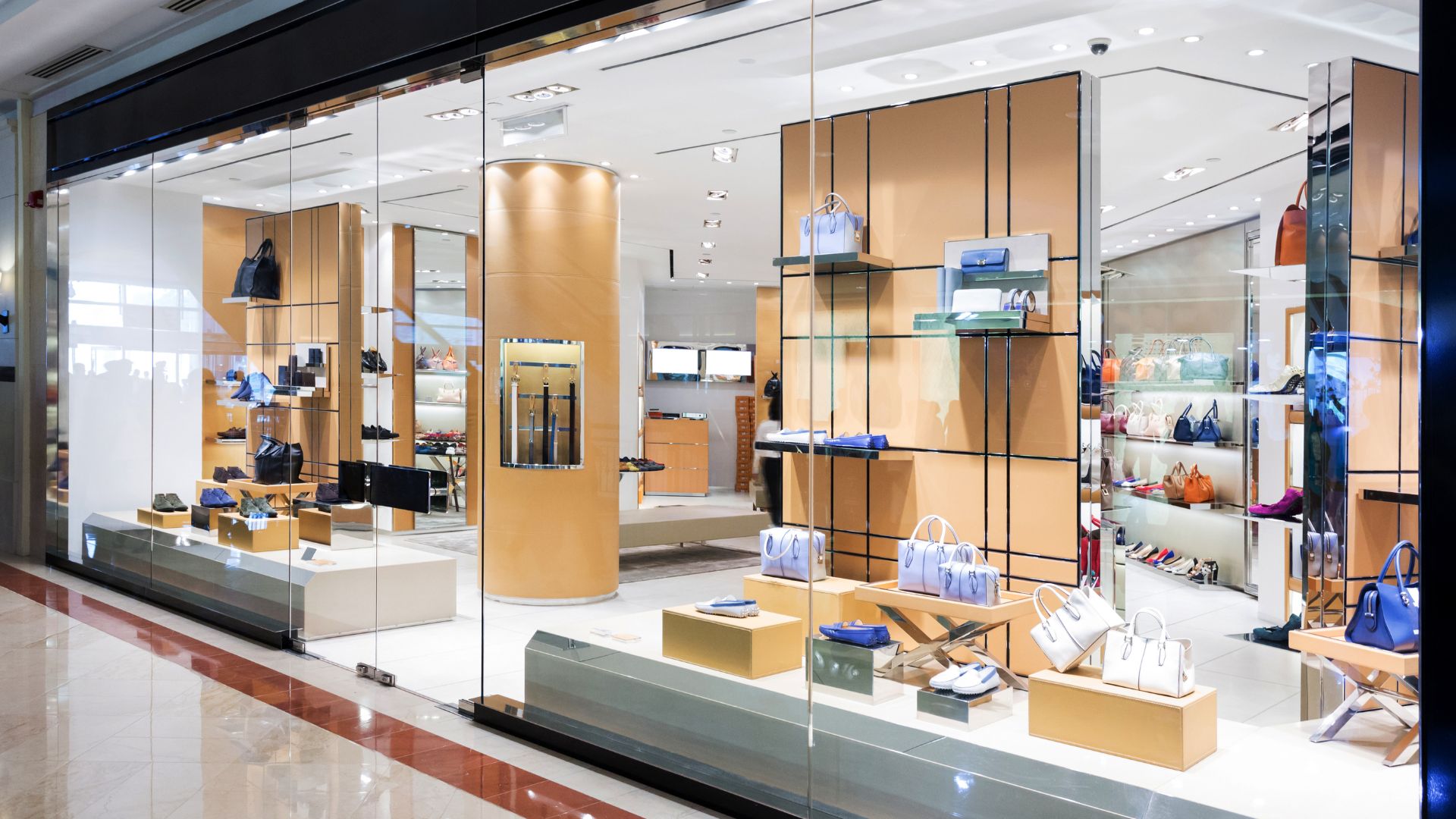
Every retail store slip and fall case begins with a simple question that often has a complicated answer. Why did this accident happen? Although the answer may appear obvious immediately after a fall, the evidence frequently tells a much different story. What initially looks like an isolated accident may actually involve poor maintenance practices, inconsistent inspections, recurring hazards, or decisions that placed customer safety behind operational convenience. A thorough investigation uncovers those details while preserving evidence that helps explain how the incident occurred. When you hire a Retail Store Slip and Fall Lawyer in Phoenix, you deserve more than someone who reviews an incident report and waits for the insurance company to respond. We approach every investigation with the understanding that valuable evidence often begins disappearing within hours or days after an accident. Surveillance footage may be overwritten, hazardous conditions may be repaired, and employee memories naturally fade over time. Consequently, beginning the investigative process as early as possible often places injured shoppers in a stronger position throughout the claims process.
Unlike many accidents that occur on public roads, retail store injuries happen inside controlled environments. Businesses establish inspection procedures, train employees, develop maintenance policies, and assign staff to monitor customer areas throughout the day. Those internal practices often become some of the most valuable evidence available because they help demonstrate whether the retailer acted reasonably before the accident occurred. We carefully evaluate every available source of information while building a retail store slip and fall claim that reflects both the facts of the incident and the full extent of our client’s injuries.
How We Investigate Retail Store Slip and Fall Accidents in Phoenix
Every successful premises liability investigation begins by reconstructing the events leading to the accident. We do not simply focus on the moment someone slipped and fell. Instead, we evaluate everything that happened before, during, and after the incident. By understanding the complete sequence of events, we can identify whether the retailer created the hazard, ignored warning signs, failed to follow inspection procedures, or overlooked dangerous conditions that should have been corrected.
Our investigation also focuses on understanding how the hazardous condition affected our client’s life. Medical records, treatment recommendations, work restrictions, rehabilitation plans, and other documentation all help explain how the accident continues to impact everyday activities. That broader perspective allows us to present a claim that reflects much more than the initial emergency room visit.
Examining the Dangerous Condition That Caused the Fall
No two retail store accidents happen for exactly the same reason. A customer may slip on a spilled beverage inside a grocery store, trip over unsecured floor mats near a retail entrance, lose footing because of broken flooring, or fall after walking through an area with poor lighting. While every accident presents unique facts, each investigation begins by identifying the specific condition that caused the injury.
Many hazards develop gradually rather than suddenly. Refrigeration units may leak throughout the day. Entrance areas may become slippery during changing weather conditions. Display fixtures may shift into customer walkways. Floor tiles may loosen over time without receiving proper repairs. Understanding how the condition developed often becomes just as important as documenting the condition itself.
Looking Beyond the Obvious Cause of the Accident
The visible hazard is not always the entire story. A puddle on the floor may have resulted from equipment that had been leaking for weeks. A loose floor tile may reflect ongoing maintenance problems throughout the building. A cluttered walkway may demonstrate that employees routinely stored merchandise where customers were expected to walk.
Rather than accepting the retailer’s initial explanation, we examine whether the dangerous condition reflects a larger pattern of inadequate maintenance or poor safety practices. Those details frequently provide valuable insight into how preventable the accident truly was.
Gathering Evidence Before Important Information Disappears
Time becomes one of the most important factors after any retail store slip and fall accident. Businesses continue operating after an incident occurs. Employees clean the area, repair hazards, move merchandise, and continue serving customers. Although those actions help restore normal operations, they may also eliminate valuable evidence if the investigation does not begin promptly.
For that reason, we work diligently to preserve available documentation before it becomes unavailable. Every photograph, surveillance recording, maintenance record, inspection log, and witness statement helps create a clearer understanding of what happened inside the retail store.
Reviewing Surveillance Footage From Throughout the Store
Many retail businesses utilize sophisticated surveillance systems that monitor entrances, checkout lanes, aisles, departments, stockrooms, and customer service areas. While many people assume video only matters during the actual fall, recordings captured well before the incident often provide equally valuable information.
Video footage may show when a hazardous condition first appeared, whether employees walked through the area without addressing the danger, whether another customer reported the hazard, or whether similar incidents occurred earlier in the day. Reviewing multiple camera angles often provides a much more complete picture than relying upon a single recording.
Identifying Employee Activity Before the Slip and Fall
Employee actions frequently become an important part of the investigation. Video recordings may reveal workers stocking shelves, cleaning floors, transporting inventory, moving displays, or performing inspections shortly before the accident occurred. Those activities may help establish whether employees observed the hazard or had a reasonable opportunity to correct the dangerous condition before someone suffered an injury.
That information also helps us evaluate whether store policies were followed consistently or whether important safety procedures were overlooked during routine operations.
Analyzing Maintenance Records and Safety Procedures
Retail businesses often maintain written procedures that explain how employees should inspect customer areas, respond to spills, document hazards, and perform routine maintenance. Those policies help establish the standard the business expects its own employees to follow.
We compare those written procedures with what actually occurred on the day of the accident. If inspection logs contain unexplained gaps, maintenance requests remained unresolved, or employees failed to follow established safety practices, those facts may become important evidence in a Phoenix retail store slip and fall lawsuit.
Reviewing Cleaning Schedules and Inspection Logs
Cleaning schedules often reveal how frequently employees inspected customer walkways throughout the day. Inspection logs may identify when employees documented hazardous conditions or completed routine safety checks. By comparing those records with surveillance footage, witness testimony, and incident reports, we develop a detailed timeline that helps explain how the accident occurred.
When documentation reveals that inspections were skipped or performed inconsistently, it may support the conclusion that the hazardous condition existed long enough for the retailer to discover and correct the problem before someone was injured.
Interviewing Witnesses After a Retail Store Slip and Fall Accident
Witnesses often notice details that cameras cannot capture. Other shoppers may remember seeing the hazard before the accident. Employees may recall previous complaints involving the same area. First responders and nearby customers may also provide valuable observations regarding the condition of the floor, the lighting, warning signs, or the retailer’s response after the incident.
We speak with witnesses as early as possible because memories naturally become less detailed over time. Prompt interviews often preserve important information that strengthens a retail premises liability claim while helping us understand events from multiple perspectives.
Comparing Witness Statements With Physical Evidence
Every witness experiences an accident differently. Rather than relying upon one person’s recollection, we compare witness statements with photographs, surveillance recordings, maintenance documentation, incident reports, and medical records. That careful review helps identify consistent facts while resolving differences that may arise during the investigation.
Building a strong retail store slip and fall case requires more than collecting evidence. It requires understanding how each piece of evidence supports the overall sequence of events.
Building a Complete Timeline of the Retail Store Accident
One of the most effective investigative tools involves creating a detailed timeline beginning well before the accident and continuing through the retailer’s response afterward. That timeline may include inspection activities, employee observations, customer complaints, surveillance footage, emergency medical treatment, and post-incident cleanup efforts.
By organizing the evidence chronologically, we create a clear presentation that demonstrates how the dangerous condition developed, how long it remained present, and how the incident affected our client’s recovery.
Building a Strong Retail Store Slip and Fall Claim in Phoenix
Every investigation serves one purpose. We want to build a claim supported by reliable evidence rather than speculation. Insurance companies often search for opportunities to dispute liability, minimize injuries, or argue that the customer should have noticed the dangerous condition. A detailed investigation allows us to respond with documented facts that accurately reflect what occurred.
Our approach remains focused on preparation from the very beginning. We examine every available source of evidence, communicate openly with our clients, and continue strengthening the claim as additional information becomes available. Whether the case involves a grocery store slip and fall accident, a department store injury, a warehouse retailer premises liability claim, or another commercial property accident, we remain committed to protecting our clients while helping them pursue the compensation they deserve after a serious retail store slip and fall accident in Phoenix.
What Makes Retail Store Slip and Fall Cases Different From Other Premises Liability Claims
Not every premises liability case develops under the same circumstances. Although Arizona premises liability law applies to many types of property-related injuries, retail store slip and fall accidents present challenges that rarely exist in other cases. Stores experience constant customer traffic, frequent employee activity, changing floor conditions, and ongoing maintenance throughout the business day. Those constantly changing conditions often create complex questions about how the hazard developed, who knew about it, and whether the business had a reasonable opportunity to correct the problem before someone suffered an injury.
A Retail Store Slip and Fall Lawyer in Phoenix must often investigate much more than the condition of the floor itself. The investigation frequently extends into store policies, employee responsibilities, inspection procedures, surveillance footage, maintenance practices, and corporate safety protocols. Every piece of evidence helps create a more complete picture of what happened and why the accident could have been prevented. By understanding the unique nature of retail premises liability claims, we build stronger cases that accurately reflect the circumstances surrounding each client’s injuries.
Retail Businesses Operate Under Constantly Changing Conditions
Retail stores rarely remain the same from one hour to the next. Employees stock merchandise, clean aisles, move displays, unload deliveries, reorganize inventory, and assist customers throughout the day. While these routine activities help stores operate efficiently, they also create situations where dangerous conditions may develop without warning if employees fail to remain attentive.
Unlike many other commercial properties, retail environments invite customers to browse, compare products, read signs, and interact with displays. As a result, shoppers naturally divide their attention between the merchandise around them and the path beneath their feet. Store owners understand this reality because it is part of the shopping experience they intentionally create. Consequently, businesses must take reasonable steps to identify hazards before they place customers at unnecessary risk.
Customer Traffic Creates Constant Safety Challenges
Retail stores often welcome hundreds or even thousands of visitors every day. Heavy foot traffic increases the likelihood that spills, dropped merchandise, damaged flooring, and other hazards will develop between routine inspections. A dangerous condition that did not exist minutes earlier may quickly become a serious safety concern if employees fail to notice it.
High customer volume also means hazards can spread throughout the store. Water tracked in from outside entrances, leaking beverage containers, fallen products, or damaged packaging may create unsafe walking surfaces in multiple departments before employees become aware of the problem.
Busy Shopping Hours Can Increase Accident Risks
Certain times of day naturally create additional challenges for retail businesses. Weekend shopping, holiday sales, promotional events, and seasonal rushes often bring larger crowds into stores while employees attempt to restock shelves, assist customers, and maintain the property at the same time.
Although increased business activity does not excuse unsafe conditions, it often becomes an important part of understanding how an accident occurred. We carefully examine whether the retailer adjusted its inspection procedures to account for heavier customer traffic or whether important safety responsibilities were overlooked during busy periods.
Retail Store Employees Play an Important Role in Customer Safety
Employee responsibilities extend far beyond assisting customers and operating cash registers. Staff members regularly inspect walking surfaces, respond to reported hazards, place warning signs, remove obstacles, and communicate safety concerns to management. Those everyday responsibilities often become central issues in a retail store slip and fall claim.
Our investigation focuses on whether employees followed the procedures established by the retailer. If workers observed a dangerous condition without addressing it, failed to report recurring problems, or neglected routine inspections, those facts may become important evidence when determining liability.
Employee Actions May Prevent or Contribute to Retail Store Falls
Many retail accidents involve hazards that employees had the opportunity to discover before anyone was injured. For example, an employee may have walked past a spill several times while stocking shelves or assisting customers. In another situation, workers may have moved merchandise into a walkway without recognizing that it created a tripping hazard.
Understanding employee activity before the accident helps explain whether the dangerous condition resulted from ordinary store operations or whether it reflected a failure to follow reasonable safety practices. Every investigation considers those details because they often reveal information that cannot be gathered from an incident report alone.
Routine Safety Procedures Matter After a Retail Store Accident
Well-managed retail businesses often establish inspection schedules, cleanup procedures, and reporting requirements to reduce the risk of customer injuries. These policies exist because hazards develop throughout the business day, even in stores that prioritize cleanliness and organization.
When those procedures are ignored or applied inconsistently, dangerous conditions may remain present far longer than they should. Reviewing those internal practices allows us to better understand whether the retailer responded appropriately under the circumstances.
Retail Store Slip and Fall Claims Often Involve Corporate Insurance Companies
Many retail businesses operate under national or regional corporate structures supported by experienced insurance carriers and risk management departments. Shortly after an accident occurs, representatives may begin reviewing surveillance footage, interviewing employees, documenting the scene, and evaluating potential liability.
At the same time, injured customers often remain focused on obtaining medical care and recovering from their injuries. This difference in preparation frequently places individuals at a disadvantage unless they begin protecting important evidence early in the process. We work to level that playing field by conducting our own investigation while the facts remain fresh.
Insurance Investigations Begin Much Earlier Than Most People Realize
Large retailers frequently have established procedures that activate immediately after an incident report is completed. Managers may document the area, preserve selected evidence, interview employees, and communicate directly with corporate representatives before the injured person even leaves the property.
Because these investigations begin so quickly, waiting several weeks before speaking with a Retail Store Slip and Fall Lawyer in Phoenix may allow valuable evidence to become more difficult to obtain. Early legal guidance often provides the best opportunity to preserve information that accurately reflects the circumstances surrounding the accident.
Every Piece of Evidence Helps Tell the Complete Story
A successful retail premises liability claim rarely depends upon one photograph or one witness. Instead, strong cases develop through the careful collection of many different forms of evidence that work together to explain how the accident occurred.
Photographs, surveillance recordings, maintenance records, witness statements, employee observations, medical documentation, and inspection procedures each contribute important details. When combined, they often provide a much clearer understanding of the events leading to the accident than any single piece of evidence could provide on its own.
Every Retail Store Slip and Fall Case Deserves an Individual Investigation
No two retail stores operate exactly alike, and no two accidents develop under identical circumstances. A fall inside a grocery store may involve refrigeration equipment, while a department store accident may involve clothing displays, damaged flooring, or merchandise left in customer walkways. Warehouse retailers, home improvement centers, pharmacies, electronics stores, and specialty retailers each present different operational challenges that require careful evaluation.
For that reason, we never approach retail premises liability claims with a standard formula. We investigate every retail store slip and fall accident based on its unique facts, the available evidence, and the specific ways the injuries have affected our client. That individualized approach allows us to build stronger claims while providing thoughtful guidance throughout every stage of the legal process.
Call a Retail Store Slip and Fall Lawyer in Phoenix Today
A serious fall inside a retail store can affect far more than your physical recovery. Medical appointments, lost income, ongoing pain, and uncertainty about what comes next can quickly become overwhelming. While the retail business and its insurance company begin evaluating the incident, you deserve a legal team that focuses on protecting your interests from the very beginning. We take the time to understand how your injuries have affected your daily life, investigate every available source of evidence, and pursue compensation that reflects the full impact of your accident. Whether your injuries occurred inside a grocery store, department store, warehouse retailer, pharmacy, shopping center, or another commercial business, we are prepared to help you move forward with confidence.
If you are searching for a Retail Store Slip and Fall Lawyer in Phoenix, do not wait to learn about your legal options. The sooner we begin investigating your case, the greater the opportunity to preserve important evidence and build a strong claim. Call Justice on Demand today at 480-934-0676 to schedule your free consultation. We are ready to answer your questions, explain your rights under Arizona law, and help you pursue the compensation you deserve after a serious retail store slip and fall accident.