


An apartment complex is more than a place to live. It is where families carry groceries upstairs, children play outside, neighbors walk their dogs, and visitors come and go throughout the day. Those ordinary moments should not end with an ambulance ride because a dangerous condition remained ignored. Yet apartment owners and management companies sometimes postpone repairs, overlook recurring hazards, or fail to inspect common areas often enough to prevent serious injuries. When that happens, the physical pain is only part of the challenge. Questions about medical bills, missed work, and accountability usually follow just as quickly.
Justice on Demand approaches apartment complex injury claims differently because we believe every case begins with listening before investigating. Founding attorney Christian Pedersen takes the time to understand what happened before developing a legal strategy. That conversation often uncovers details that insurance companies overlook, including repeated maintenance problems, prior complaints from tenants, or unsafe conditions that had existed long before the fall occurred. We believe those details matter because they help explain not only how the accident happened, but also why it could have been prevented.
If you were injured because an apartment complex failed to maintain a reasonably safe property, call Justice on Demand today at 480-934-0676 for a free consultation.
What an Apartment Complex Slip and Fall Lawyer in Phoenix Can Investigate
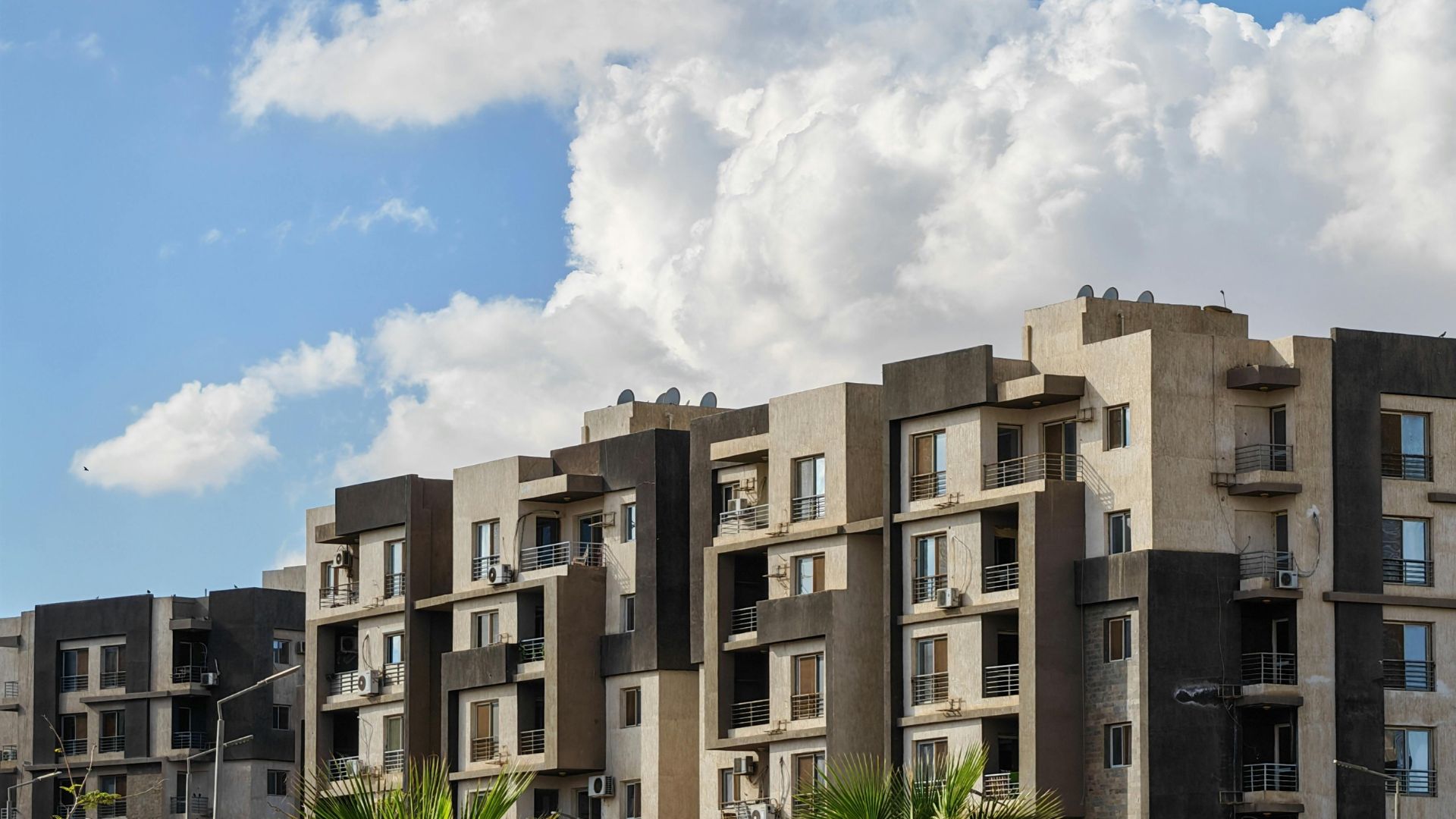
Every apartment complex slip and fall case begins with one important question. Why did the dangerous condition exist in the first place? The answer is rarely as simple as a wet floor or a broken step. In many cases, hazardous conditions develop because routine inspections were skipped, maintenance requests went unanswered, or repairs were delayed long after someone recognized the problem. Determining exactly what happened requires far more than reviewing an incident report. It requires a complete investigation into the property, the people responsible for maintaining it, and the evidence that explains how the accident occurred.
When we represent someone injured at an apartment community, we approach the investigation from multiple angles. We evaluate the physical condition of the property, review maintenance practices, identify every potentially responsible party, and preserve evidence before it disappears. Whether you are a tenant, guest, visitor, delivery driver, or contractor, our goal is to uncover the facts that insurance companies often overlook. That attention to detail allows us to build apartment complex slip and fall claims that accurately reflect both the cause of the accident and the impact the injuries have had on your life.
How an Apartment Complex Slip and Fall Lawyer Investigates Dangerous Property Conditions
Apartment communities contain dozens of common areas that people use every day. Sidewalks connect residential buildings. Staircases provide access to upper floors. Parking lots, mail centers, breezeways, clubhouses, and pool decks remain active from morning until late at night. Every one of those areas requires regular inspection and maintenance because even a relatively small hazard can create a serious risk of injury.
Our investigation begins by examining the entire environment rather than focusing only on the exact location where the fall occurred. We evaluate surrounding conditions, maintenance practices, lighting, visibility, drainage, pedestrian traffic, and any other factor that may have contributed to the accident. By looking at the complete picture, we can better determine whether the dangerous condition developed suddenly or existed long enough that reasonable maintenance should have corrected it.
Apartment Sidewalk Hazards and Broken Walkways That Cause Serious Falls
Apartment sidewalks experience constant foot traffic every day. Over time, concrete settles, tree roots shift pavement, expansion joints separate, and weather gradually weakens walking surfaces. When repairs are delayed, residents and visitors may encounter uneven concrete, raised sidewalks, broken pavement, loose bricks, deteriorating asphalt, or unexpected elevation changes that create dangerous walking conditions.
Sidewalk defects often appear insignificant until someone trips and falls. Unfortunately, these hazards frequently lead to broken wrists, fractured hips, torn knee ligaments, shoulder injuries, facial injuries, and traumatic brain injuries. We carefully document every visible defect while also determining whether nearby conditions contributed to the accident.
Small Apartment Property Defects Can Lead to Major Injury Claims
Property owners sometimes argue that a defect appeared too minor to create liability. That assumption ignores how quickly seemingly insignificant hazards can cause devastating injuries. A slight difference in pavement height or a loose section of concrete may easily catch someone’s foot without warning.
We investigate whether the property owner had sufficient time to discover the hazard through reasonable inspections. We also determine whether prior repairs, temporary patches, or recurring maintenance issues indicate that the dangerous condition had existed long before the apartment complex slip and fall occurred.
Unsafe Apartment Staircases and Common Area Hazards
Apartment staircases require ongoing attention because residents rely on them throughout the day. Loose handrails, uneven stair heights, worn stair nosings, cracked concrete, damaged landings, and inadequate lighting can all increase the likelihood of a serious fall. Likewise, breezeways, entrances, hallways, mail areas, and other shared spaces require consistent maintenance to remain reasonably safe.
Our investigation examines every condition surrounding the accident rather than limiting the review to one obvious hazard. We look for maintenance concerns that may have worked together to create an unsafe environment. Multiple smaller issues often combine to produce one preventable accident.
Temporary Apartment Repairs Can Still Create Dangerous Walking Conditions
Quick repairs sometimes create new hazards instead of eliminating existing ones. Uneven concrete patches, unsecured mats, temporary plywood coverings, poorly installed flooring materials, and makeshift repairs may leave residents facing additional risks every time they walk through the area.
We determine whether apartment management chose temporary solutions when permanent repairs were reasonably necessary. Maintenance records, contractor invoices, photographs, and witness statements frequently provide valuable insight into how long those conditions remained on the property.
Apartment Complex Maintenance Records Can Strengthen Your Phoenix Injury Claim
One of the most valuable sources of evidence often exists inside the apartment management office rather than at the accident scene. Maintenance logs, inspection reports, repair invoices, internal communications, vendor records, and work order histories may establish exactly when management became aware of the dangerous condition.
These records frequently help create a timeline that explains whether the apartment owner or property manager acted reasonably before the injury occurred. They may also demonstrate repeated maintenance issues affecting the same location over an extended period.
Apartment Maintenance Requests Can Prove Property Owner Negligence
Residents regularly notify apartment management when they discover unsafe conditions. Maintenance requests may involve broken stairs, leaking pipes, standing water, damaged sidewalks, loose railings, poor lighting, or deteriorating pavement. Every report creates another opportunity for management to investigate and make repairs before someone gets hurt.
We carefully review available maintenance requests because they often reveal whether the apartment complex had actual knowledge of the hazard. Multiple requests involving the same dangerous condition may significantly strengthen a premises liability claim.
Tenant Complaints Can Show the Apartment Complex Knew About the Hazard
Apartment residents often notice recurring hazards long before an accident occurs. They may report the same broken step several times, complain about poor lighting, or notify management that a walkway becomes slippery after routine irrigation.
Those complaints help establish whether the dangerous condition was isolated or ongoing. When management repeatedly receives notice of the same problem without correcting it, those communications may become important evidence during settlement negotiations or litigation.
Apartment Inspection Reports Can Reveal Neglected Safety Problems
Routine inspections play an important role in maintaining apartment communities. Property managers and maintenance personnel should regularly evaluate common areas to identify hazards before they cause injuries. Inspection reports often reveal what management discovered, when inspections occurred, and whether recommended repairs were completed.
Our investigation compares inspection records with maintenance activity and the condition of the property. That comparison often helps explain whether safety concerns received the attention they deserved.
Missed Property Inspections Can Increase Apartment Slip and Fall Liability
An inspection program provides little value if inspections are delayed, rushed, or performed inconsistently. When routine evaluations are skipped, dangerous conditions may remain unnoticed until someone suffers a preventable injury.
We determine whether inspection schedules were followed, whether hazards were documented accurately, and whether management acted promptly after identifying dangerous property conditions. Those details often provide important context when evaluating liability.
Who Can Be Liable for an Apartment Complex Slip and Fall in Phoenix
Many people assume only the apartment owner can be responsible after a slip and fall accident. In reality, several individuals or businesses may share responsibility depending on who owned the property, managed daily operations, performed maintenance, or created the dangerous condition.
Identifying every potentially responsible party allows us to conduct a more complete investigation while pursuing every available source of recovery. Ownership records, management agreements, maintenance contracts, insurance policies, and vendor relationships often become valuable pieces of that process.
Apartment Owners and Property Management Companies May Share Liability
Apartment ownership and apartment management frequently involve separate organizations. One company may own the property while another oversees leasing, maintenance, inspections, and day-to-day operations. Understanding how those responsibilities were divided often becomes an important part of a premises liability investigation.
We evaluate available documentation to determine who exercised control over the location where the injury occurred. That investigation helps establish which parties had the authority and responsibility to correct dangerous conditions before the accident happened.
Apartment Ownership Records Can Identify Every Responsible Party
Apartment communities sometimes operate through multiple business entities that are not immediately visible to tenants or visitors. Ownership structures, management companies, investment groups, and affiliated organizations may each play different roles in maintaining the property.
We review available public records and property documentation to identify every organization connected to the apartment complex. Building a complete picture of ownership often helps prevent important sources of liability from being overlooked.
Apartment Maintenance Contractors Can Be Responsible for Dangerous Conditions
Apartment communities frequently hire outside contractors to perform landscaping, roofing, electrical work, concrete repairs, flooring installation, janitorial services, painting, and other maintenance projects. When those companies create unsafe conditions or perform negligent repairs, they may also become responsible for resulting injuries.
Our investigation includes reviewing contractor responsibilities, repair histories, and the work completed before the accident. Those details often reveal whether an outside company contributed to the dangerous condition.
Third Party Vendors Can Contribute to Apartment Complex Injury Claims
Third party vendors sometimes leave equipment in walkways, create uneven surfaces during construction, fail to clean work areas, or perform repairs that do not meet appropriate safety standards. Even when property management hires another company, responsibility may still extend beyond the contractor alone.
We investigate how each vendor interacted with the property before the apartment complex slip and fall accident. That comprehensive review helps us understand every factor that contributed to the injury.
How an Apartment Complex Slip and Fall Lawyer Preserves Critical Evidence
Evidence begins changing almost immediately after an apartment accident. Hazardous conditions may be repaired within hours, surveillance footage may automatically overwrite itself, weather conditions may change, and witnesses may become difficult to locate. Taking prompt action often preserves valuable information that would otherwise disappear.
We move quickly because every piece of evidence contributes to understanding what happened. The sooner an investigation begins, the greater the opportunity to document conditions as they existed when the accident occurred.
Apartment Security Camera Footage Can Strengthen Your Slip and Fall Case
Many apartment complexes use security cameras throughout common areas, including parking lots, building entrances, leasing offices, mail centers, stairwells, elevators, clubhouses, and recreational facilities. Those recordings may capture the hazardous condition before the accident, show how the fall occurred, or reveal maintenance activity leading up to the incident.
Video evidence often provides valuable context that photographs alone cannot. We work to identify potential surveillance sources before routine recording schedules permanently erase important footage.
Digital Evidence Can Disappear After an Apartment Complex Accident
Modern apartment communities rely heavily on electronic records. Maintenance software, digital work orders, inspection databases, text messages, emails, security footage, and resident communications may all become relevant during a premises liability claim.
Many of these records exist for only a limited period before routine deletion occurs. Preserving digital evidence early helps ensure important information remains available throughout the legal process.
Witness Statements Can Support a Phoenix Apartment Slip and Fall Claim
People who live or work at the apartment community often possess information unavailable anywhere else. A neighbor may have witnessed previous falls involving the same location. A delivery driver may remember repeatedly avoiding a damaged walkway. A maintenance employee may know when repairs were first requested.
We speak with witnesses whenever possible because their observations often provide important context regarding the property’s condition before the accident occurred. Combined with physical evidence and maintenance records, those statements help us present a detailed account of how the apartment complex slip and fall happened and why it could have been prevented.
Apartment Residents Often Provide Valuable Evidence After a Serious Fall
Residents frequently observe daily conditions that visitors never notice. They may know about recurring drainage problems, broken lighting that remained unrepaired for weeks, uneven sidewalks that caused previous trips, or maintenance delays that affected the entire community.
Those firsthand observations can help establish that the dangerous condition was neither temporary nor unexpected. Instead, they often demonstrate that the apartment complex had opportunities to make the property safer before someone suffered a serious injury.
Apartment Complex Slip and Fall Lawyer in Phoenix for Common Area Accidents
Apartment complexes contain dozens of shared spaces that residents, visitors, and service providers use every day. Unlike the inside of a private apartment, these common areas remain under the control of the property owner or management company. That responsibility extends far beyond keeping the property attractive. Common areas should receive regular inspections, timely maintenance, and prompt repairs whenever hazardous conditions develop. When those responsibilities are ignored, serious injuries can occur without warning.
An apartment complex slip and fall lawyer in Phoenix investigates whether the common area was maintained in a reasonably safe condition before the accident occurred. We evaluate how long the hazard existed, whether management knew or should have known about it, and whether reasonable repairs could have prevented the injury. Every common area accident deserves a detailed investigation because the smallest maintenance failure can produce significant physical, emotional, and financial consequences.
Apartment Common Area Hazards Can Lead to Serious Slip and Fall Injuries
Many apartment communities include amenities that encourage residents to spend time outside their homes. Walking paths, staircases, mail centers, fitness rooms, clubhouses, parking lots, and recreational areas all experience steady foot traffic throughout the day. As those areas age, they require continuous attention to remain safe for everyone who uses them.
Our investigation focuses on whether the apartment owner or management company took reasonable steps to inspect and maintain these shared spaces. Dangerous conditions often develop gradually, making regular inspections one of the most important parts of responsible property management.
Apartment Walkways and Breezeways Create Everyday Safety Risks
Walkways connect nearly every part of an apartment community. Residents rely on them while carrying groceries, walking pets, checking the mail, visiting neighbors, or simply returning home after work. When those walking surfaces become uneven or slippery, everyday routines can suddenly become dangerous.
We frequently investigate apartment complex slip and fall accidents involving cracked sidewalks, deteriorated concrete, loose pavers, uneven expansion joints, damaged flooring, worn coatings, standing water, loose gravel, and accumulated debris. Each of these hazards can create unnecessary risks when property owners delay repairs.
High Traffic Apartment Walkways Require Consistent Maintenance
The busiest areas of an apartment complex often experience the greatest amount of wear. Heavy pedestrian traffic gradually damages walking surfaces while increasing the likelihood that hazards will affect multiple people before repairs are completed.
Regular maintenance helps identify developing problems before they become serious safety concerns. When inspections are delayed or maintenance is postponed, apartment owners increase the risk that someone will suffer a preventable fall.
Apartment Mail Areas and Package Centers Can Become Dangerous
Modern apartment communities receive hundreds of deliveries every week. As residents gather around mailrooms and package lockers, these common areas often become crowded during peak hours. Water tracked inside, uneven flooring, damaged entryways, loose mats, and poor lighting can all contribute to hazardous conditions.
We examine whether apartment management maintained these heavily used areas with the same level of care expected throughout the rest of the property. A neglected package room or mail center presents the same potential for injury as any other common area.
Apartment Entryways Can Hide Unexpected Slip Hazards
Apartment entrances often experience changing conditions throughout the day. Residents may track in water, dirt, landscaping materials, or other substances that create slippery walking surfaces. Damaged thresholds, loose floor coverings, and worn entry flooring may also increase the likelihood of a fall.
Our investigation considers how management monitored these conditions and whether reasonable cleaning procedures or maintenance practices could have reduced the danger before the accident occurred.
Apartment Parking Lots and Shared Outdoor Areas Require Ongoing Attention
Parking lots serve as one of the busiest sections of any apartment community. Residents, visitors, rideshare drivers, delivery personnel, maintenance workers, and emergency responders all rely on these areas every day. Unfortunately, they often receive less attention than interior spaces despite constant use.
A thorough investigation examines whether the parking lot and surrounding outdoor areas were reasonably safe. We evaluate pavement conditions, drainage, lighting, curbs, wheel stops, sidewalks, and pedestrian pathways to determine whether hazardous conditions contributed to the apartment complex slip and fall accident.
Apartment Parking Lot Defects Can Cause Preventable Falls
Apartment parking lots gradually deteriorate because of vehicle traffic, weather exposure, and aging pavement. Potholes, broken asphalt, loose concrete, deteriorating curbs, uneven walking surfaces, and damaged pedestrian pathways can all create dangerous conditions for residents and visitors.
These hazards become even more dangerous when they are difficult to see or when poor lighting limits visibility. Property owners should identify and repair these conditions before someone gets hurt.
Apartment Curbs and Wheel Stops Often Create Trip Hazards
Curbs and wheel stops help organize parking areas, but they can also create unexpected dangers when they become damaged or poorly maintained. Broken concrete, faded markings, shifting wheel stops, and uneven elevations increase the likelihood of serious falls.
We determine whether these features remained reasonably visible and whether apartment management performed appropriate maintenance to keep pedestrian routes safe.
Apartment Landscaping Can Contribute to Dangerous Walking Conditions
Landscaping improves the appearance of an apartment community, but neglected landscaping can also create hazards. Tree roots may lift sidewalks, irrigation systems may create standing water, loose gravel may spread across walkways, and overgrown vegetation may obstruct safe pedestrian travel.
Our investigation considers whether landscaping practices contributed to the dangerous condition. We also evaluate whether routine maintenance could have prevented the apartment slip and fall accident.
Irrigation Systems Can Create Repeated Slip Hazards
Apartment irrigation systems operate frequently throughout Arizona. Broken sprinkler heads, leaking valves, overspray, and poor drainage may leave sidewalks and walkways wet long after watering cycles end.
Recurring moisture problems often indicate an ongoing maintenance issue rather than an isolated event. Identifying those patterns may help establish how long the dangerous condition existed before the injury occurred.
Apartment Recreational Amenities Must Remain Safe for Residents
Many apartment communities advertise recreational amenities as an important benefit for residents. Fitness centers, clubhouses, swimming pools, picnic areas, playgrounds, dog parks, and gathering spaces attract regular use throughout the year. These amenities also require consistent maintenance because they often expose residents to changing surface conditions.
An apartment owner who invites residents to use these shared facilities should also make reasonable efforts to identify and address dangerous conditions. We carefully evaluate maintenance procedures, inspection practices, and repair histories involving these common areas.
Apartment Pool Areas Frequently Produce Slip and Fall Accidents
Pool decks naturally become wet, but that does not eliminate the responsibility to maintain reasonably safe walking surfaces. Damaged decking, deteriorated concrete, slippery coatings, inadequate drainage, broken gates, loose tiles, and poor maintenance may significantly increase the risk of injury.
Our investigation focuses on whether the apartment complex maintained the pool area appropriately while considering the predictable presence of water. Every pool deck requires ongoing attention because residents rely on these amenities throughout much of the year.
Pool Deck Maintenance Can Reduce Preventable Injuries
Routine cleaning, drainage maintenance, surface repairs, and regular inspections all play an important role in reducing slip hazards around apartment swimming pools. Delaying those responsibilities allows hazards to become more dangerous over time.
We evaluate whether maintenance practices reflected the level of care expected for one of the busiest recreational areas within the apartment community.
Apartment Clubhouses and Fitness Centers Need Safe Walking Surfaces
Community clubhouses and fitness centers often contain tile, polished concrete, vinyl flooring, and other smooth walking surfaces. Beverage spills, water from exercise equipment, recently cleaned floors, damaged flooring, and loose entrance mats can quickly create dangerous conditions.
We investigate how these facilities were maintained before the accident occurred. By examining inspection schedules, cleaning procedures, and maintenance practices, we work to determine whether reasonable care could have prevented the apartment complex slip and fall accident.
Speak With an Apartment Complex Slip and Fall Lawyer in Phoenix Today
Every apartment complex slip and fall case deserves individual attention because no two accidents happen under the same circumstances. We take the time to understand how your injuries have affected your health, your finances, your family, and your future before developing a strategy tailored to your situation. Whether your accident involved unsafe stairs, a broken sidewalk, poor lighting, standing water, a parking lot hazard, or another dangerous condition, we are prepared to help you move forward with confidence.
If you need an experienced Apartment Complex Slip and Fall Lawyer in Phoenix, contact Justice on Demand today for a free consultation. Call 480-934-0676 to discuss your case, learn about your legal options, and find out how we can help you pursue the accountability and financial recovery you deserve.