

A truck crash in Glendale can cause serious harm with one unsafe turn, late stop, overloaded trailer, or missed repair. These cases frequently involve more than the truck driver because companies, vehicle owners, maintenance providers, or cargo handlers may have played a role. A truck accident lawyer in Glendale reviews who controlled the truck, why it was on the road, and what caused the collision. Justice On Demand focuses on the commercial details that may affect the claim to make sure liability is properly assigned.
The injured person may not know which company owns the truck, which insurer applies, or whether the vehicle was properly maintained. The crash may also create medical needs, missed work, transportation problems, and daily limitations right away. Those issues deserve early legal review before the claim gets treated like a routine traffic accident. Call Justice On Demand today at (480) 934-0676 for a free consultation with our truck accident lawyer in Glendale.
Who Can Be Liable After a Truck Crash in Glendale, Arizona
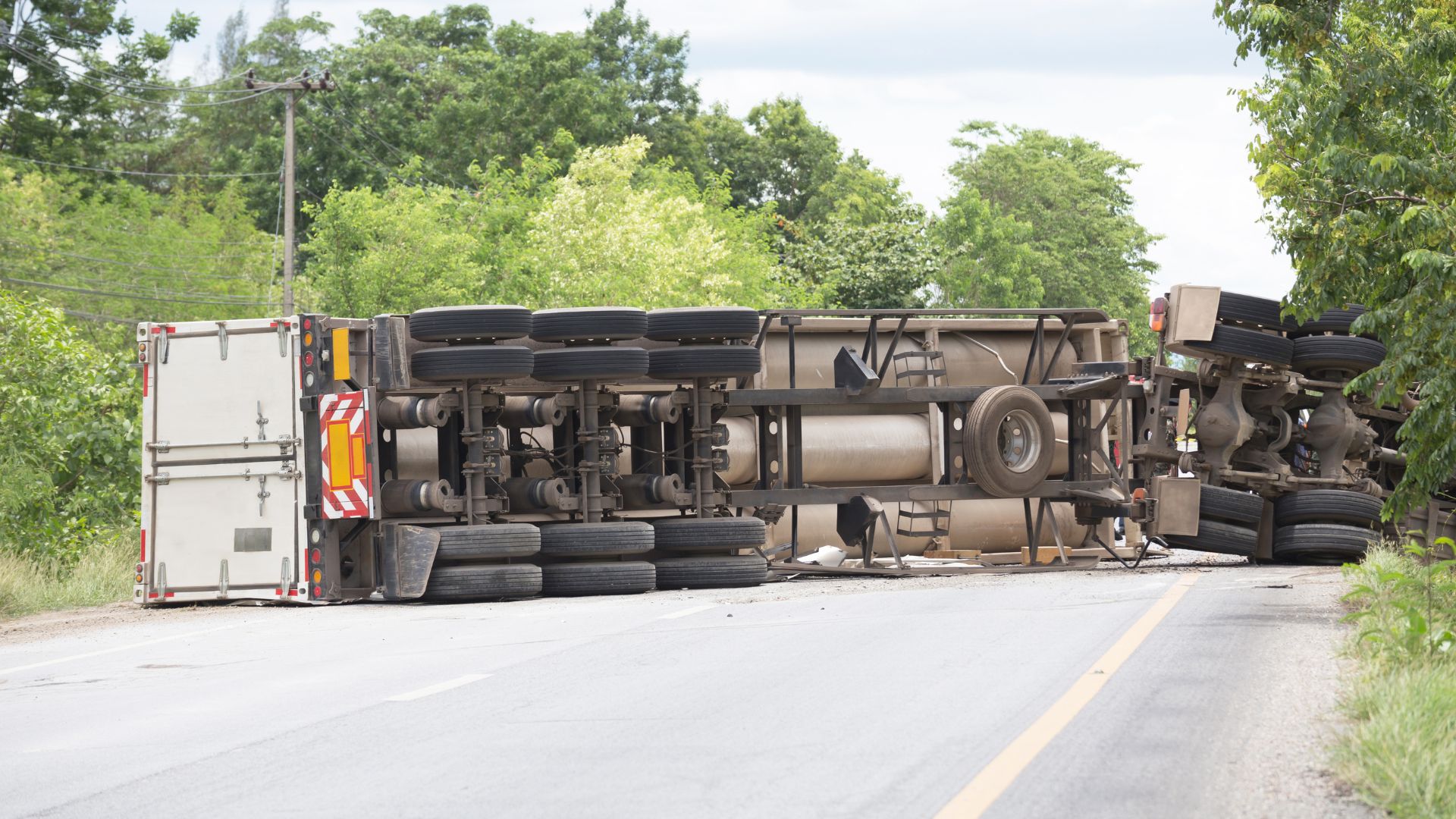
Liability after a Glendale truck crash may begin with the driver, but it typically does not stop there. Commercial vehicles usually operate through business relationships, delivery demands, repair decisions, and ownership arrangements that the injured person cannot see from the roadside. Our truck accident lawyer in Glendale at Justice On Demand can review which people or companies had control before the collision happened. This legal review helps identify whether the crash came from one unsafe act or a chain of decisions.
The liable party may depend on why the truck was being used, who benefited from the trip, and who had authority over the vehicle. A delivery van, dump truck, box truck, moving truck, or tractor-trailer may involve different businesses and insurance layers. Justice On Demand looks at those connections so the claim is not limited to the easiest name on the police report. The question is not only who hit you, but who caused the danger in the first place.
Truck Driver Mistakes Behind the Crash
A truck driver may be liable when careless choices behind the wheel cause the crash. Unsafe speed, distraction, missed blind spots, wide turns, sudden lane changes, and following too closely can create serious danger around smaller vehicles. A driver’s responsibility may also depend on whether they ignored company safety rules, traffic conditions, vehicle warnings, or required driving standards. Glendale truck crashes may happen during deliveries, construction trips, service calls, freight movement, or local business routes. A truck accident lawyer in Glendale can review the driver’s conduct alongside the work purpose behind the trip.
Driving Choices Before the Impact
The moments before impact often show whether the driver acted safely. Braking distance, lane position, mirror use, speed, and traffic awareness may all matter. These details can help explain whether the truck driver had enough time and space to avoid the crash.
Blind Spots and Turning Space
Large trucks need more space to turn, merge, and stop. A driver who ignores blind spots or swings wide without checking nearby traffic may create avoidable danger. Those movements can become important when determining fault.
Company Responsibility for the Driver’s Route
An employer may be liable when the truck driver caused harm while working. The company may have assigned the route, controlled the schedule, approved the driver, or required the task that placed the vehicle on the road. Liability may also depend on whether the company trained the driver properly or allowed unsafe driving habits to continue. A business should not avoid responsibility by blaming only the employee when the trip served the company’s interests. These issues often require review of the work relationship behind the crash.
Company Control Over the Trip
Company control may appear through schedules, delivery instructions, route expectations, or driver assignments. A business that directs the trip may share responsibility for unsafe conditions created during that work. Those details can show whether the crash involved more than personal driving.
Work Purpose Behind the Route
The reason for the trip can affect liability. A driver hauling materials, making deliveries, or traveling between job sites may be acting for a company. That work purpose can connect the business to the crash.
Truck Owners and Fleet Safety Duties
The vehicle owner may be different from the driver or employer. A truck may be leased, borrowed, rented, or managed through a separate fleet arrangement. The owner or fleet manager may have responsibility for inspection, registration, repairs, safety equipment, or deciding whether the truck should remain in service. If the vehicle had unsafe brakes, worn tires, broken lights, steering problems, or other mechanical issues, ownership and maintenance control may become important. A truck accident lawyer in Glendale can review who had authority over the truck’s condition before it entered traffic.
Safety Duties for the Vehicle
A truck should be kept safe before anyone uses it for work. Brakes, tires, lights, mirrors, steering, and warning systems may all affect whether the vehicle can operate safely. The person or business responsible for those systems may become part of the claim.
Leasing and Fleet Arrangements
Leasing arrangements can make liability less obvious. One company may own the truck while another company operates it daily. Sorting out those roles helps identify who controlled maintenance and use.
Loading Crews and Jobsite Operators
Some truck crashes begin before the driver ever reaches the road. Loading crews, warehouse staff, construction teams, or jobsite operators may create risk through overloaded cargo, loose materials, poor weight distribution, or unsafe loading instructions. A truck that carries unstable equipment or uneven weight may become harder to stop, turn, or control. Jobsite operators may also direct trucks into unsafe entry points, narrow lanes, crowded loading areas, or blind backing zones. These parties may be liable when their decisions contributed to the crash.
Cargo Problems That Affect Control
Cargo can change how a truck moves. Excess weight, shifting materials, unsecured tools, or uneven loading may affect braking and turning. These problems may show that the crash involved more than driver conduct.
Jobsite Directions and Truck Movement
Jobsite directions can place trucks in risky positions. A crew may send a truck through a crowded entrance, tight driveway, or blind backing area. Those instructions may matter when the movement caused the injury.
How a Truck Accident Lawyer in Glendale Proves Fault
Proving fault after a truck crash requires more than pointing to the damaged vehicles. The claim may need to show how the truck moved, what the driver did, whether the vehicle was safe, and whether a company decision created risk before the collision. A truck accident lawyer in Glendale can review the proof from several angles instead of relying only on the first account given at the scene. The purpose is to connect the crash to the choices, conditions, and conduct that made it happen.
Truck crashes can become disputed when drivers, employers, insurers, and vehicle owners each describe the event in a way that protects them. One party may focus on traffic, another may blame the injured person, and another may claim the truck had no mechanical issue. Fault becomes clearer when the available proof is placed against the physical details of the collision. A strong review looks for facts that do not shift with opinion.
Physical Damage Compared Across Vehicles
Vehicle damage can help explain how the crash happened. The location of dents, broken lights, crushed panels, tire marks, trailer contact, or undercarriage damage may show the direction and force of impact. A truck accident lawyer in Glendale may compare the damage on both vehicles to see whether it matches the statements from each driver. This review can matter when the truck driver claims the smaller vehicle appeared suddenly or moved into the truck’s path. Damage patterns may not tell the whole story, but they often help test whether the story makes sense.
Impact Points That Explain Movement
Impact points can show where the vehicles met and how they were positioned. Side damage, rear damage, front corner damage, or trailer contact may each suggest a different movement before impact. These details can help clarify whether the truck turned, merged, backed, or failed to stop.
Damage Patterns Against Driver Statements
Driver statements should match the physical evidence. If the damage does not support a claimed lane change, stop, or turn, the account may need closer review. Comparing words against vehicle damage can reveal important fault issues.
Truck Records Checked for Safety Issues
Truck records may show whether the vehicle had safety problems before the crash. Inspection notes, repair orders, tire records, brake reports, warning lights, and service histories may all become important. A truck accident lawyer in Glendale can review whether the truck was safe enough to operate or whether a known problem was ignored. These records may also identify who had responsibility for finding and fixing the issue. Fault may involve the driver, the owner, or another party connected to the vehicle’s condition.
Inspection History Before the Trip
Inspection history may show whether safety checks were done properly. Missing inspections, repeated notes, or unresolved problems may point to preventable danger. These details can help explain whether the truck should have been on the road.
Repair Records and Missed Warnings
Repair records may reveal warnings that were overlooked. Brake complaints, tire problems, steering issues, or lighting defects may appear before the collision. Missed warnings can connect the crash to earlier safety decisions.
Driver Choices Measured Against Truck Size
Commercial trucks do not respond like passenger vehicles. Their size, weight, stopping distance, blind spots, and turning radius affect what a safe driver must do in traffic. A truck accident lawyer in Glendale can review whether the driver allowed enough room, checked mirrors, controlled speed, and adjusted for the truck’s limits. This matters because a maneuver that seems minor in a car may be dangerous in a loaded truck. Fault may be proven by showing that the driver ignored the extra care the vehicle required.
Stopping Distance and Following Space
A truck needs more time and room to stop safely. Following too closely, braking late, or failing to adjust speed can make a crash harder to avoid. These facts may be important when the collision involved rear-end impact or sudden traffic changes.
Wide Turns and Lane Position
Wide turns require planning and awareness of nearby vehicles. A truck that cuts across lanes, swings wide, or crowds another vehicle may create avoidable risk. Lane position can help show whether the driver used reasonable care.
Witness and Scene Details That Confirm Fault
Witnesses and scene details can help prove fault when the parties disagree. A nearby driver, pedestrian, worker, passenger, or business employee may remember the truck’s speed, lane movement, turn path, or braking before impact. Scene details may include skid marks, debris location, traffic signal timing, road layout, and where the vehicles stopped. A truck accident lawyer in Glendale can compare those observations with the physical evidence and driver statements. Fault becomes easier to evaluate when the scene is reviewed as a complete setting.
Neutral Accounts From Nearby Witnesses
Neutral witnesses may provide details the drivers missed. They may remember whether the truck drifted, turned wide, stopped late, or entered traffic unsafely. Their accounts can be useful when neither driver’s version is complete.
Scene Details That Support Fault
Scene details can show how the collision developed. Debris, tire marks, vehicle positions, signage, and traffic flow may all provide context. These facts help place the crash in a more reliable sequence.
Why Glendale Truck Accident Victims Choose Justice On Demand for Their Crash Claims

A truck crash can leave an injured person facing companies that already know how to protect themselves. The driver may have a supervisor, the truck may have a separate owner, and the insurance process may involve more than one business interest. Justice On Demand gives Glendale truck accident victims a place to bring those concerns before the claim gets narrowed to the driver’s version alone. A truck accident lawyer in Glendale can review the commercial side of the crash while still keeping the injured person’s losses at the center of the claim.
This approach matters when the other side has access to records, policies, repair information, and internal details that are not handed over at the scene. An injured person should not have to guess which company controlled the truck, which insurer applies, or whether the vehicle had safety problems before the collision. Justice On Demand looks at those questions with a practical focus on what needs to be identified, preserved, and reviewed. The goal is to keep the claim grounded in the full picture of the crash, not only the simplest explanation.
Commercial Defendants Reviewed With Care
Truck accident claims often involve defendants with business structures behind them. Justice On Demand reviews whether the crash involved an employer, vehicle owner, contractor, maintenance provider, cargo company, or other business connected to the truck. These relationships can affect responsibility because several parties may have made decisions before the vehicle entered Glendale traffic. A claim may look simple from the outside, but the business arrangement behind the truck can change the legal review. A truck accident lawyer in Glendale can help identify which parties need attention before the claim moves too far forward.
Business Roles Behind the Truck
Business roles may explain who controlled the trip. One company may employ the driver, another may own the truck, and another may direct the work. Sorting those roles helps prevent the claim from focusing on the wrong party.
Company Connections That Affect Liability
Company connections can affect how responsibility gets evaluated. Dispatch instructions, service contracts, leasing documents, and work assignments may show who had control. Those connections may reveal responsibility beyond the driver.
Early Safety Questions About the Vehicle
Justice On Demand asks safety questions early because truck crash evidence can change quickly. The firm may review whether the truck had brake problems, tire issues, lighting defects, inspection concerns, or maintenance gaps before the collision. These questions matter because a truck may be repaired, moved, inspected, or returned to service before the injured person knows what to request. Early attention can help preserve information that may later explain why the crash occurred. A truck accident lawyer in Glendale can help make sure safety concerns are not ignored.
Truck Condition Before the Collision
Truck condition can reveal whether the vehicle was safe enough for the road. Brakes, tires, lights, mirrors, steering, and load securement may all affect crash risk. Reviewing those details helps determine whether mechanical problems played a role.
Maintenance Issues Needing Follow-Up
Maintenance issues may not appear in a basic crash report. Prior repair notes, driver complaints, missed inspections, or repeated service problems may provide important context. Follow-up can show whether a preventable issue existed before impact.
Driving Decisions Behind the Collision
A truck driver’s actions should be reviewed against the demands of operating a large commercial vehicle. Justice On Demand considers speed, following distance, mirror checks, blind spots, turns, lane changes, and braking decisions in light of the truck’s size and weight. A maneuver that seems minor in a passenger car may create serious danger when a heavy truck is involved. This context helps explain why certain driving choices were unsafe under the circumstances. A truck accident lawyer in Glendale can use that review to show how the driver’s conduct contributed to the crash.
Road Decisions With Greater Risk
Truck drivers must account for the space their vehicles require. Late braking, tight turns, unsafe merges, and close following may create risks smaller vehicles cannot avoid. These choices deserve close attention after a serious crash.
Truck Size and Driver Judgment
Truck size changes what safe driving requires. A driver must leave enough room, watch blind spots, and avoid movements that crowd nearby vehicles. Poor judgment can have serious consequences when the vehicle is large.
Injury Consequences After a Glendale Truck Crash
A truck accident claim should not become only a dispute about companies and vehicle records. Justice On Demand also reviews how the crash affected the injured person’s health, work, transportation, and daily routine. Large truck crashes may cause injuries that require ongoing treatment, missed income, mobility limits, or long recovery periods. Those effects need to stay connected to the fault review so the claim reflects both cause and consequence. A truck accident lawyer in Glendale can help present the injury with specific detail rather than generic descriptions.
Recovery Changes After Truck Crashes
Recovery after a truck crash may take longer than expected. Pain, limited movement, therapy needs, work restrictions, and transportation problems may continue after the first medical visit. These changes help show the real impact of the collision.
Daily Limits From Serious Injuries
Daily limits can make the injury easier to understand. Trouble driving, lifting, sleeping, standing, or completing work tasks may show ongoing harm. These details help explain losses beyond the medical bills.
Call Justice On Demand Today for a Free Case Review On Your Glendale Truck Accident Claim
A truck crash can involve more liable parties than just the driver who caused it. The claim may depend on who owned the truck, who sent it onto the road, whether the vehicle was safe, and whether the route created added risk. Those questions deserve attention before a company or insurer minimizes the settlement offer.
The first conversation can start with the truck type, the company name on the vehicle, the injuries you are dealing with, and the questions already coming from insurance. Our truck accident lawyer in Glendale can help identify which details may affect responsibility and recovery. Call Justice On Demand at (480) 934-0676 or visit our contact page to speak with our lawyer today and get a free consultation regarding your truck accident claim.