


A fall on someone else’s property can turn into a serious injury before anyone treats the hazard seriously. A slip and fall accident lawyer in Glendale examines what made the area unsafe, who controlled the property, and how the injury has affected your daily stability, work, and finances. Justice On Demand works with injured people and helps them look beyond the quick assumption made by the property owner and insurer that a fall was just an accident.
Glendale slip and fall claims depend on details that can change quickly. A spill may be cleaned, a warning sign may appear later, a damaged surface may be repaired, or an incident report may leave out important facts. Medical care, photos, witness names, and the condition of the walking area may all matter. Call Justice On Demand today at (480) 934-0676 for a free consultation from our slip and fall accident lawyer in Glendale.
What Property Accidents Can Lead to Slip and Fall Claims in Glendale, Arizona
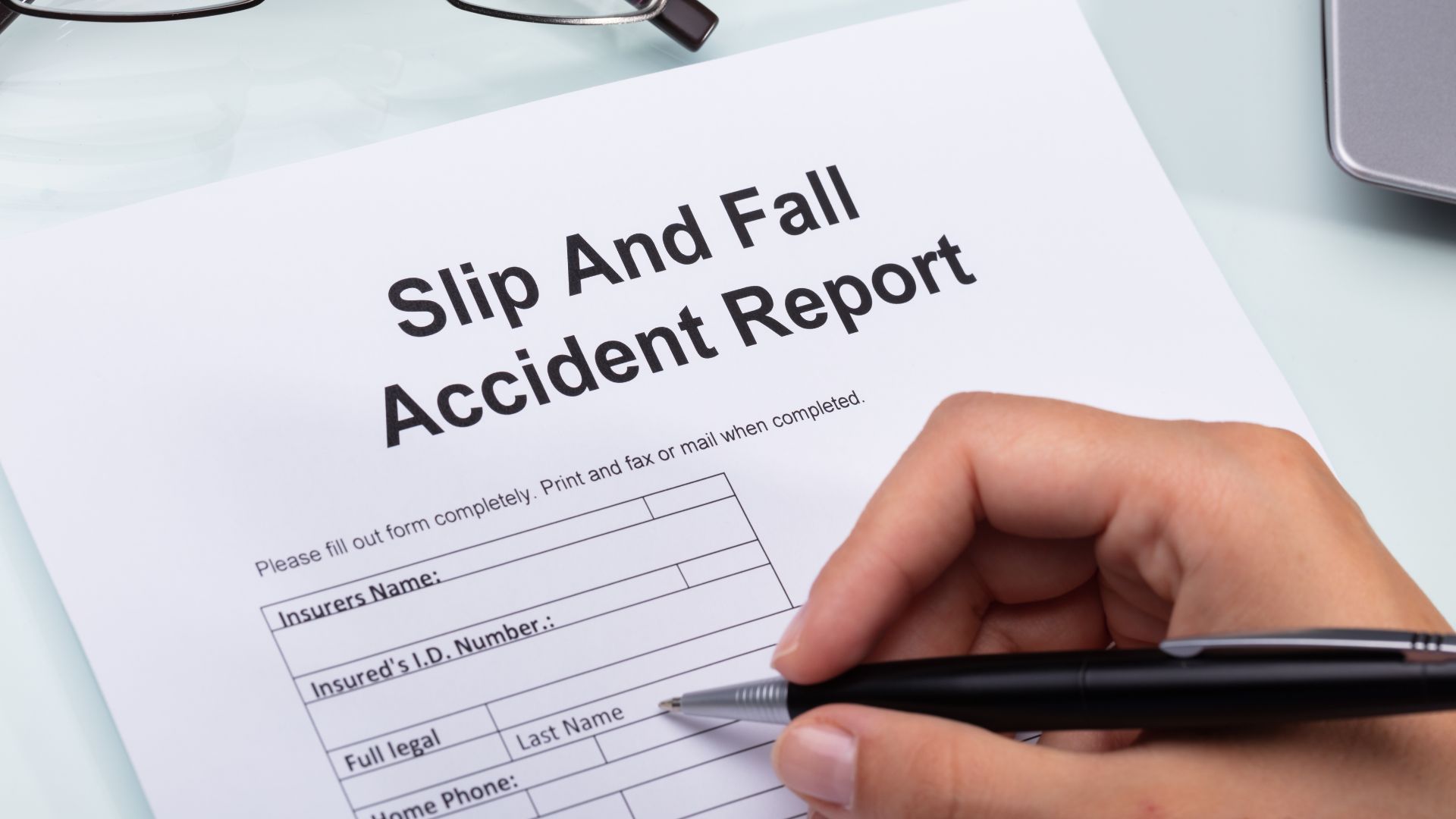
A slip and fall claim usually starts with a location that was supposed to be safe for regular foot traffic. The issue may be a store aisle, apartment walkway, restaurant floor, office stairwell, parking lot path, or entry area where people had a reason to walk. Justice On Demand looks at the specific place where the fall happened because the setting often explains who was responsible for keeping it safe. A slip and fall accident lawyer in Glendale can review whether the property condition created a preventable risk instead of treating the fall as a random accident.
Different properties create different fall risks. A business may have customers moving through crowded aisles, while an apartment complex may have residents using the same stairs, sidewalks, and parking areas every day. A restaurant may need to manage spills and grease, while an office building may need safe flooring, lighting, and entry mats. The type of property helps show what safety steps should have been taken before someone got hurt.
Falls Inside Stores and Retail Businesses
Retail falls can happen when customers walk through aisles, checkout areas, entrances, restrooms, or product displays. A spill, broken tile, loose floor mat, fallen merchandise, or crowded walkway may create danger before a shopper ever notices it. Store employees may also have information about when the condition appeared, whether anyone reported it, or how often the area was checked. These details matter because businesses invite customers onto the property for shopping. A slip and fall accident lawyer in Glendale can review whether the store handled that walking area with reasonable care.
Aisle Conditions That Create Fall Risks
Aisles can become unsafe when products, liquids, cords, boxes, or display pieces block normal movement. A customer may be looking at shelves, signs, prices, or other shoppers when the hazard appears underfoot. The store layout can make the danger harder to see before the fall.
Store Activity Before the Injury
Store activity may help explain how the hazard developed. Employee stocking, cleaning, customer traffic, spills, or recent floor work may all matter. Those details can show whether the business had time to act.
Falls at Apartment and Rental Properties
Apartment and rental property falls often involve areas used by residents, guests, delivery workers, and maintenance staff. Stairs, sidewalks, laundry rooms, parking areas, mailrooms, gates, and shared walkways may create risk when they are not maintained. A broken step, uneven walkway, poor lighting, loose railing, or slick surface can cause serious injury. These claims may require review of property management duties, maintenance requests, inspection routines, and prior complaints. The fall may involve a condition that residents had reported before the injury occurred.
Shared Areas With Repeated Use
Shared areas need regular attention because many people rely on them. A stairwell, walkway, hallway, or parking path may create danger when repairs are delayed. Repeated daily use can make a neglected condition more serious.
Maintenance Requests Before the Fall
Maintenance requests may show that the property knew about the problem. A prior complaint about lighting, pavement, stairs, or drainage may become important. Those records can help explain whether the danger was ignored.
Falls at Restaurants and Entertainment Venues
Restaurants and entertainment venues can create fall risks because guests move through crowded spaces with food, drinks, changing lighting, and busy staff nearby. A fall may happen near a dining area, bar, restroom, patio, entrance, aisle, or service walkway. Spilled drinks, grease, uneven flooring, loose rugs, dark pathways, and crowded seating arrangements may all contribute to the injury. These businesses often need active cleanup and floor monitoring because hazards can appear during normal operations. A slip and fall accident lawyer in Glendale can review whether the venue responded reasonably to conditions created by its own activity.
Food and Drink Spills Underfoot
Food and drink spills can create immediate slipping hazards. A wet spot near a table, counter, restroom, or walkway may be difficult to see in dim lighting. The question often becomes how long the spill remained and whether staff should have found it.
Crowded Layouts and Walking Space
Crowded layouts can make falls more likely when guests have limited room to move. Chairs, tables, cords, signs, and narrow paths may force people around obstacles. A cramped walking route can make a small hazard harder to avoid.
Falls in Parking Lots and Outdoor Walkways
Outdoor falls may involve pavement, curbs, drainage, lighting, landscaping, or walkway design. A person may trip on raised concrete, step into a pothole, slip on pooled water, or miss a curb edge in poor lighting. Parking lots and walkways are still part of the property when customers, tenants, guests, or workers are expected to use them. These areas may require repair, warning signs, drainage fixes, or lighting improvements. A fall outside the building can still support a claim when the walking path was not reasonably safe.
Pavement Defects Along Walking Paths
Pavement defects can interrupt a normal walking stride. Raised edges, cracks, holes, broken asphalt, and uneven transitions may catch a foot without warning. These conditions deserve attention when people must cross the area to enter or leave the property.
Lighting Problems After Dark
Lighting problems can make outdoor hazards harder to see. A curb, crack, pothole, or slope may blend into the surface when visibility is poor. Photos taken after dark may help show how the area looked when the fall occurred.
What Evidence Matters After a Slip and Fall Accident in Glendale, Arizona
Evidence after a fall should show what the property looked like before the scene was changed. The most useful information often comes from the exact walking area, not a general description of the business, apartment complex, restaurant, or parking lot. A slip and fall accident lawyer in Glendale can look for details that explain why the person fell and whether the danger should have been found sooner. Photos, reports, witnesses, maintenance records, and medical documentation can help turn a brief fall into a claim with facts behind it.
The timing of evidence can be just as important as the evidence itself. Floors are cleaned, mats are moved, spills disappear, lighting changes, and broken surfaces may be repaired before anyone asks harder questions. A claim may become harder to explain when the only remaining proof is a memory of where the injury happened. Saving the right details early can help show what existed at the time of the fall.
Photos Taken Before the Area Changes
Photos can preserve the walking area before the property owner repairs, cleans, or rearranges it. A close photo may show the liquid, crack, raised edge, loose mat, missing warning sign, or damaged flooring involved in the fall. A wider photo may show how the hazard sat within the walkway, aisle, stairway, entrance, or parking path. Both views can matter because the claim may depend on whether the danger was visible and avoidable. A slip and fall accident lawyer in Glendale can use those images to compare the hazard with the way people were expected to move through the property.
Close Details and Wider Views
Close photos help show the condition itself with more precision. Wider photos help show lighting, traffic flow, nearby displays, stairs, doors, curbs, or other surroundings. Together, they can explain the fall more completely than either view alone.
Images From the Same Angle
Photos from the injured person’s walking direction can be especially useful. The hazard may look different from the approach than it does afterward. That viewpoint can help show what was visible before the fall.
Incident Reports and Property Responses
An incident report can create a record that the fall happened on the property. It may include the date, time, location, names of employees, description of the condition, and what the property did immediately afterward. The report may also leave out details that need to be documented separately. Injured people should ask for a copy when possible and write down who received the report. The property’s response after the fall may help show whether employees recognized a dangerous condition.
Employee Names and Report Details
Employee names can matter when different people handled the fall. One person may have seen the hazard, another may have cleaned the area, and another may have completed the report. Writing those names down can help preserve who was involved.
Notes About What Was Said
Statements made after the fall may become important later. An employee may mention prior complaints, recent cleaning, missing signs, or a known problem. Those comments should be written down while they are still fresh.
Witnesses Who Saw the Hazard
Witnesses may help explain what the walking area looked like before and after the fall. Another shopper, tenant, guest, employee, driver, or passerby may have seen the spill, defect, lighting issue, or missing warning sign. A witness may also know whether the condition had been there for several minutes, several hours, or longer. This information can matter because property claims often depend on notice and reasonable response. A slip and fall accident lawyer in Glendale can review witness details to understand what the property may have known before the injury.
People Nearby Before the Fall
People nearby may have seen the condition before the injured person reached it. A customer may have avoided the same spot, or a tenant may have reported the issue earlier. Those observations can help show the hazard was not imaginary or sudden.
Contact Information Saved Early
Witness contact information should be saved before everyone leaves. A name and phone number may be enough to preserve the lead. Waiting too long can make helpful witnesses impossible to find.
Medical Records Connected to the Fall
Medical records can show how the fall affected the injured person’s body. Emergency care, urgent care visits, imaging, physical therapy, specialist appointments, prescriptions, and work restrictions may all help document the injury. These records should connect the pain to the fall with specific details about when symptoms started and how they changed. A general statement about being sore may not explain the full effect of the injury. Clear medical documentation helps show the difference between a minor incident and a fall that disrupted normal life.
Symptoms Reported With Specific Detail
Medical providers need accurate details about where the pain appears. Back pain, wrist pain, knee pain, hip pain, shoulder pain, headaches, dizziness, and numbness should be described carefully. Specific reporting helps create a useful record from the beginning.
Treatment That Shows Progression
Follow-up treatment can show whether the injury improved, worsened, or created new limits. Missed appointments or long gaps may make the injury harder to explain. Consistent care helps document the recovery process after the fall.
How Justice On Demand Reads the Full Property Story Behind Falls in Glendale

A fall claim should not begin and end with the injured person’s footing. The more important question is what the property allowed to exist before the fall happened. Justice On Demand reviews the walkway, lighting, surface condition, cleanup activity, repair history, and property response as part of one connected sequence. A slip and fall accident lawyer in Glendale can use that sequence to understand whether the injury followed from a hazard the property should have addressed.
The property story may include details the injured person never saw before falling. A store may have had employees working nearby, an apartment complex may have received earlier complaints, or a restaurant may have known guests were walking through a slick service path. The claim becomes stronger when those details are connected to the injury instead of treated as separate facts. Justice On Demand works to identify what happened before, during, and after the fall so the claim reflects more than the moment someone hit the ground.
The Walking Route Before the Fall
The walking route can show whether the injured person had a fair chance to move safely through the property. A route may lead through an entrance, aisle, stairway, apartment path, restaurant walkway, curb area, or parking lot where hazards should have been controlled. The condition may have interrupted normal movement by forcing a person across wet flooring, broken pavement, poor lighting, loose material, or a crowded path. Those details help explain why the fall happened at that exact location. A slip and fall accident lawyer in Glendale can review the route to see whether the property created or ignored an unsafe path.
The Path People Were Expected to Use
The expected path matters because visitors often follow the route the property presents to them. A customer, tenant, guest, or worker may have no reasonable reason to choose another way. When the property directs people through danger, responsibility may require closer review.
The Hazard Within the Route
A hazard becomes more serious when it sits directly in the walking path. People should not have to search for hidden dangers while entering a business, crossing a lot, or using shared stairs. The location of the hazard can help explain why the fall was difficult to avoid.
The Property’s Response After the Injury
What happens after the fall may reveal how the property understood the condition. Employees may clean the floor, move a mat, place a sign, adjust lighting, call a manager, fill out a report, or repair the area quickly. Those actions do not prove fault by themselves, but they may show which condition drew attention immediately after the injury. A delayed or incomplete response can also raise questions about how the property handled safety before the fall. Justice On Demand reviews those reactions because the response can help place the hazard in context.
Changes Made Soon Afterward
A scene may look different within minutes after someone falls. The spill may disappear, the mat may be straightened, the broken area may be blocked, or the warning sign may appear later. Those changes can affect how the claim is understood.
What the Response May Reveal
The response may point toward the condition the property considered important. A rushed cleanup, repair, or report may help identify the hazard involved. Details about that response should be preserved whenever possible.
Earlier Complaints and Repeated Problems
Some fall hazards are not new when the injury happens. A tenant may have reported a broken light, a customer may have complained about a slick entrance, or employees may have known a floor section became dangerous during normal operations. Repeated problems can help show whether the property had a chance to act before someone got hurt. Maintenance logs, complaint records, inspection notes, and witness accounts may all help identify earlier warnings. A slip and fall accident lawyer in Glendale can review whether the fall followed a problem that had already been noticed.
Warning Signs Before the Incident
Earlier warning signs can come from many sources. Complaints, prior falls, repair requests, employee notes, or repeated cleanup needs may show the hazard was not unexpected. The property’s knowledge may become important when responsibility is disputed.
A Pattern the Property Ignored
A repeated problem may show that a quick fix was not enough. Wet entry floors, loose mats, broken pavement, and poor lighting can return when the deeper issue remains unresolved. Ignored patterns may help explain why the injury happened.
The Injury Connected to the Property Failure
The property story should always connect back to the person who was hurt. A dangerous condition matters because it caused pain, medical care, missed work, mobility limits, transportation problems, or lasting physical difficulty. Justice On Demand reviews the injury alongside the hazard so the claim does not become a technical argument about flooring, lighting, or maintenance alone. The focus stays on how the property failure changed the injured person’s life after the fall. That connection can help show why the claim deserves serious attention.
Medical Care After the Property Accident
Medical care helps connect the fall to the physical harm that followed. Records may show emergency treatment, imaging, therapy, prescriptions, restrictions, or specialist visits after the property accident. Those details can explain the injury beyond the scene itself.
Daily Limits After the Fall
A fall injury may affect more than medical appointments. Walking, lifting, sleeping, driving, working, cooking, or caring for family may become harder. Those daily limits can show the human impact of the property failure.
Choose Justice On Demand After a Glendale Fall Injury
A fall on someone else’s property can leave questions that are hard to answer once the area has changed. By the time questions begin, the hazard may be gone, the walkway may be altered, and the best view of the danger may already be lost. The claim should start with what made the property unsafe and how the fall changed your health, work, and daily life.
Justice On Demand can review the fall location, the condition that caused it, the people or business responsible for the property, and the medical problems that followed. A slip and fall accident lawyer in Glendale can help determine which records, photos, witnesses, and property details may still be available before the scene becomes harder to prove. Call Justice On Demand today at (480) 934-0676 or visit our contact page to get a free case review with our lawyer.