


An Uber or Lyft crash in Glendale can become overwhelming quickly for the injured person with pieces of information that do not feel complete. The app may show a trip receipt, the driver may provide limited details, and the insurance question may not have a clear answer at the scene. A rideshare accident lawyer in Glendale looks at what happened during the ride, who was involved, and which facts need attention before the claim becomes harder to sort out. Justice On Demand helps injured passengers, drivers, and pedestrians look past the app screen and focus on the injury claim itself.
The first steps after a rideshare collision may be different from a regular car accident. Screenshots, driver information, pickup or dropoff details, photos, medical care, and messages from the platform may all become important. The claim should account for the crash, the ride status, and the harm caused afterward. Call Justice On Demand today at (480) 934-0676 for a free consultation with a rideshare accident lawyer in Glendale.
What To Do Immediately After a Rideshare Accident in Glendale, Arizona
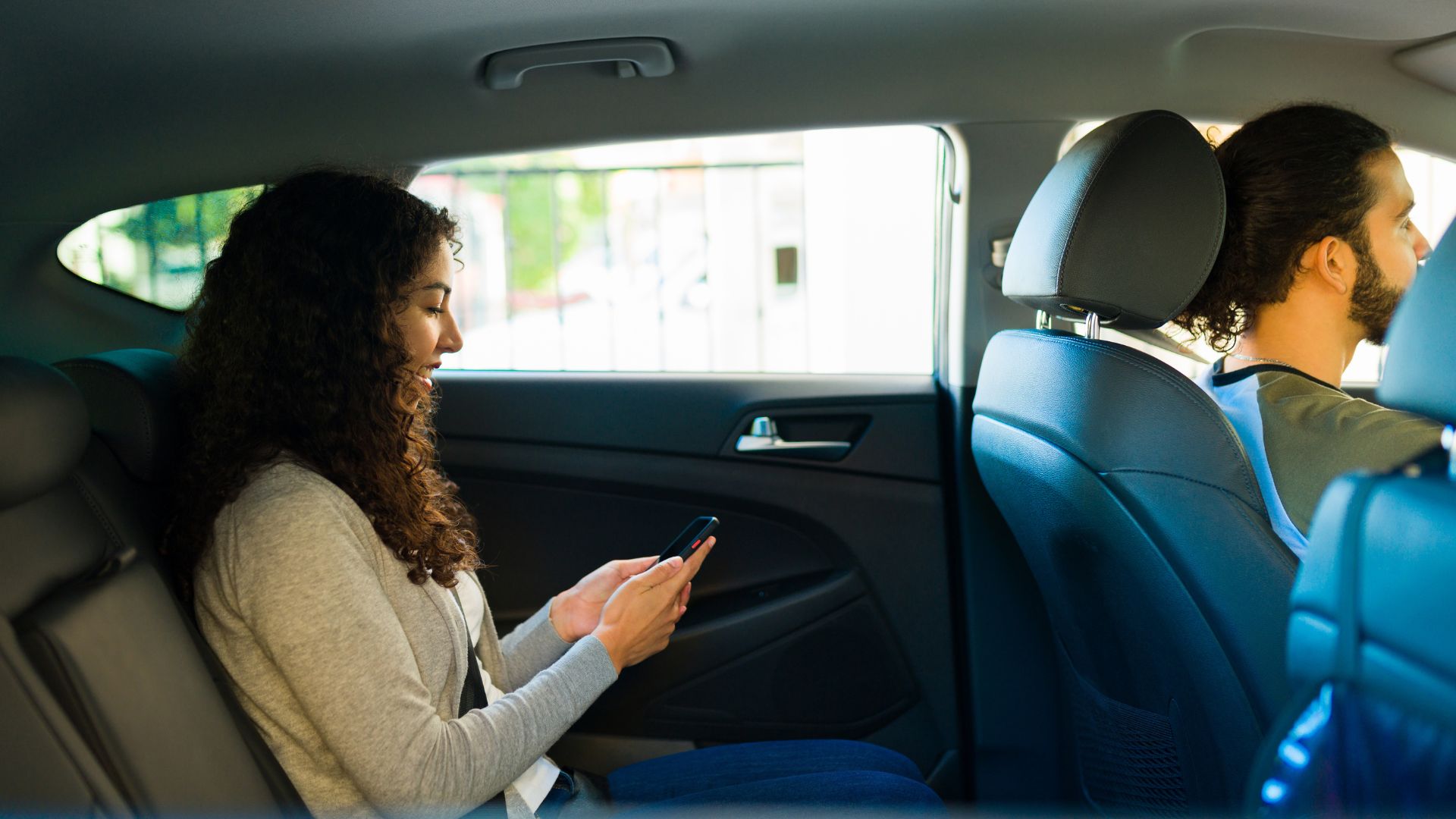
The first moments after an Uber or Lyft crash should be used to protect your safety and preserve the ride details. Move out of traffic if you can, call for medical help if anyone is hurt, and report the collision to law enforcement when the situation requires it. A rideshare accident lawyer in Glendale may later need information that is harder to find once the trip closes or the driver leaves. Justice On Demand looks at those early details because rideshare claims often depend on both the crash scene and the digital record of the ride.
Do not rely only on the app to keep everything you may need. Save screenshots of the trip, the driver’s name, the pickup location, the destination, the route, messages, receipts, and any crash-related notifications. If you can do so safely, take photos of the vehicles, license plates, damage, roadway conditions, injuries, and the surrounding area. These steps can help create a clearer starting point before insurance companies, drivers, or platform representatives begin giving different instructions.
Confirm the Ride and Driver Details
A rideshare crash should be documented as a ride, not only as a vehicle collision. The driver’s profile, vehicle description, license plate, trip receipt, pickup point, and route may help connect the crash to the app-based trip. A passenger may not receive the same insurance exchange that drivers usually collect after a normal accident. Saving the ride details can help show who was driving, where the trip was headed, and whether the crash happened during an active ride. A rideshare accident lawyer in Glendale can use those details to understand how the claim should begin.
Trip Information Saved Before It Changes
Trip information may become harder to access after the ride ends. Screenshots can preserve the driver name, vehicle, route, time, and fare before the app display changes. Those records may help confirm the ride’s connection to the crash.
App Screenshots With Claim Value
App screenshots can support details that people forget later. The pickup location, destination, route map, driver messages, and ride status may all matter. Saving them immediately gives the claim a stronger digital record.
Get Medical Attention After the Crash
Medical care should come before trying to sort out every insurance question. A rideshare passenger, driver, pedestrian, cyclist, or occupant in another vehicle may feel shaken at first and worse later. Neck pain, headaches, back pain, shoulder injuries, dizziness, knee pain, and soreness may become clearer after the first hours pass. A medical visit also creates a record of what hurt and when symptoms began. Waiting too long may make the injury harder to connect to the collision.
Symptoms Reported With Specific Detail
Medical providers need more than a general statement about pain. Explain where symptoms appear, when they started, and what movements make them worse. Specific details help create a more useful injury record.
Follow-Up Care After Delayed Pain
Delayed pain should still be taken seriously after a rideshare crash. Follow-up visits may show whether symptoms are improving, spreading, or limiting normal activity. That care can help document the injury’s progression.
Document the Scene Without Arguing Fault
The scene may hold useful information that the app will not show. Photos can capture the vehicles, impact points, traffic signals, curbside areas, weather, road conditions, and where everyone stopped after the collision. Witness names, business locations, and nearby cameras may also matter if accounts later conflict. You do not need to argue about fault at the scene or guess about what happened. Focus on saving what you can see while the details are still available.
Photos of Vehicles and Surroundings
Photos can show details that reports may summarize too briefly. Vehicle damage, plate numbers, lane position, intersection layout, curb location, and debris may all help explain the crash. Wider photos can be just as useful as close-ups.
Witness Names and Nearby Cameras
Witnesses and cameras may disappear quickly after the scene clears. A nearby driver, pedestrian, store employee, or security camera may have captured important details. Saving that information early can help later review.
Avoid Rushed App or Insurance Statements
After a rideshare collision, several people may ask for information quickly. The rideshare platform, the driver, another motorist, an insurer, or a claims representative may request a description before you know the full injury picture. Basic reporting may be necessary, but detailed statements about fault, pain, speed, or long-term recovery can create problems when given too early. A rideshare accident lawyer in Glendale can review what is being asked and whether the request is reasonable. The safer approach is to avoid guessing and keep your answers accurate.
Early Questions From Several Sources
Rideshare crashes may involve more follow-up than a regular collision. Uber, Lyft, insurers, drivers, and other parties may each ask for details. Those requests should be handled with attention to timing and accuracy.
Statements Made Before Injuries Develop
Early statements may not reflect how the injury develops. Pain, mobility limits, headaches, and work restrictions may appear after the first conversation. Waiting for medical context can prevent incomplete answers from shaping the claim.
How Can a Rideshare Accident Lawyer in Glendale Prove Fault After a Crash
Proving fault after a rideshare crash often starts with separating the ride from the collision. The app may show where the trip began, where it was going, and which driver accepted the ride, but it may not explain why the crash happened. A rideshare accident lawyer in Glendale can compare the digital trip information with the physical details of the collision. That review can help show whether the rideshare driver, another motorist, or another party caused the injury.
Fault may also depend on the injured person’s position during the crash. A passenger inside the rideshare vehicle may need different proof than a driver hit by an Uber, a pedestrian struck near a pickup point, or a cyclist injured during a dropoff. The same crash can involve app data, witness accounts, vehicle damage, traffic movement, and medical records. Justice On Demand reviews those facts together so fault is not based only on the first explanation given after impact.
Ride Status Matched to the Rideshare Crash
Ride status can help show what was happening when the crash occurred. The driver may have been waiting for a request, headed to a pickup, transporting a passenger, or finishing a ride when the collision happened. That timing may affect which records matter and which people need closer review. A rideshare accident lawyer in Glendale can use trip history, receipts, screenshots, and app messages to connect the crash to the ride activity. Those records can help confirm the context before fault arguments begin.
Active Trip Details With Fault Value
An active trip may create useful details about the driver’s role. Pickup time, route movement, dropoff plans, and passenger status may help place the vehicle in context. Those details can help show what the driver was doing before the crash.
Screenshots That Confirm Timing
Screenshots may preserve timing details that later become harder to retrieve. The app may show driver information, route progress, messages, and ride status. Saving those images can help support the fault review.
Vehicle Damage Compared With Driver Accounts
Vehicle damage can test whether a driver’s account fits the crash. Dents, scraped panels, broken lights, bumper damage, side impact marks, and final vehicle positions may show how the collision developed. A rideshare accident lawyer in Glendale may compare those details with what the rideshare driver, another motorist, or a witness says happened. This matters when one person claims the crash was unavoidable or blames someone else without supporting facts. Physical damage can make the fault picture more reliable.
Impact Points That Show Movement
Impact points may reveal which vehicle moved into danger. Side damage, rear damage, corner impact, or bumper crush can each suggest a different sequence. These details may help explain whether a driver turned, merged, stopped, or followed too closely.
Photos Before Repairs Begin
Photos should be taken before repairs change the vehicles. Different angles can show license plates, damage location, road position, and surrounding conditions. Those images may help preserve facts that the repair process removes.
Witnesses Near the Pickup or Dropoff
Rideshare crashes often happen where other people are nearby. A restaurant employee, apartment resident, store customer, passenger, pedestrian, or nearby driver may have seen the pickup, dropoff, turn, stop, or lane movement before impact. A rideshare accident lawyer in Glendale can use witness information to compare independent observations with the drivers’ accounts. Witnesses may also remember whether the rideshare vehicle stopped suddenly, blocked traffic, opened a door, or moved unexpectedly. Those accounts can help clarify fault when the app record does not tell the whole story.
People Who Saw the Ride Activity
People nearby may notice details the injured person missed. A witness may remember the rideshare vehicle’s position, passenger movement, or the other driver’s approach. Those observations can help explain how the crash began.
Contact Information Saved Early
Witness contact information can become difficult to find later. A name, phone number, workplace, or short note about what the person saw may help. Saving that information early gives the claim more support.
Traffic Rules Applied to App-Based Driving
A rideshare driver still must follow traffic rules while using the app. Navigation instructions, pickup pressure, passenger communication, and route changes do not excuse unsafe driving. A rideshare accident lawyer in Glendale can review whether the driver failed to yield, followed too closely, stopped unsafely, made a careless turn, or merged without enough room. The same review may apply when another driver caused the crash by ignoring the rideshare vehicle’s position. Fault becomes clearer when the driver’s choices are measured against normal roadway duties.
Unsafe Driving During Ride Activity
Unsafe driving may happen while the driver manages the ride. Looking at navigation, searching for a passenger, stopping near traffic, or rushing toward a pickup may create danger. Those facts can help show why the crash occurred.
Driver Duties Despite App Use
App use does not lower a driver’s responsibility. Drivers must still watch traffic, keep proper distance, signal movements, and choose safe stopping places. Those duties remain important in a rideshare accident claim.
How Justice On Demand Keeps Glendale Rideshare Claims Focused on the Injury
Rideshare claims can get pulled away from the person who was hurt. The conversation may shift toward app status, coverage layers, driver accounts, platform messages, and which company should respond first. Justice On Demand keeps the injury claim centered on the harm caused by the crash, including medical care, missed work, transportation problems, and the physical limits that followed. A rideshare accident lawyer in Glendale can address the rideshare issues without letting them overshadow the injured person’s recovery.
That focus matters because Uber and Lyft crashes often create confusion before the injury is fully understood. A passenger may be waiting for answers from the app, another driver may be dealing with multiple insurers, and a pedestrian or cyclist may not know how the rideshare trip affects the claim. The legal review should connect the platform details to the injury, not turn the case into a technical dispute that ignores pain, treatment, and daily disruption. Justice On Demand works to keep those pieces in the right order.
Injuries Documented Apart From the App
The app may help explain the trip, but it does not explain the full injury. Justice On Demand reviews the person’s medical care, pain progression, work limits, and daily problems separately from the platform information. This matters because the claim should not depend only on ride receipts, driver status, or insurance routing. A rideshare accident lawyer in Glendale can use the app details where they help while still keeping the injury record complete. The harm caused by the crash should remain the center of the claim.
Medical Care After the Rideshare Crash
Medical care can show how the injury developed after impact. A person may need emergency treatment, follow-up visits, imaging, therapy, prescriptions, or specialist care. Those records help document the injury beyond the rideshare trip itself.
Symptoms That Affect Daily Movement
Symptoms may affect ordinary movement in specific ways. Neck pain, back stiffness, headaches, shoulder pain, or dizziness may interfere with work, sleep, driving, and home responsibilities. These details help show the real effect of the crash.
Passenger Losses After the Ride Ends
A rideshare receipt may show the trip, but it does not show what the crash changed afterward. The injured person may need another ride home, miss work, cancel plans, seek medical care, or deal with pain that continues for days. Justice On Demand reviews those losses because the aftermath may matter more than the fare or canceled route. A passenger’s claim should account for the injury and disruption created by the collision. The receipt is only one piece of a larger story.
Missed Work and Schedule Disruption
A rideshare crash may affect work and daily scheduling immediately. A person may miss a shift, lose paid time off, reschedule appointments, or need help getting around. Those disruptions should be documented when they connect to the injury.
Costs That Follow the Collision
Costs may appear after the ride ends. Medical bills, transportation expenses, prescriptions, parking fees, and replacement travel may all connect to the crash. Tracking those costs helps prevent smaller losses from being overlooked.
Platform Issues Kept in Their Place
Uber or Lyft involvement may raise important questions, but it should not control the entire case. Justice On Demand reviews platform details to understand the ride, the driver, the timing, and the available information. Those issues matter because they may help identify records or coverage, but they do not replace the injury claim. A rideshare accident lawyer in Glendale can keep the platform questions organized while still focusing on the injured person’s actual losses. The case should not become buried under app terminology.
Ride Information Used for Context
Ride information may explain where the vehicle was headed and what the driver was doing. Trip receipts, route details, messages, and driver information may help create context. Those records support the claim when they connect to the crash and injury.
App Records Without Distraction
App records should serve the injury claim. They may help confirm timing, route, driver identity, and ride activity. They should not distract from treatment, work loss, pain, and recovery needs.
Insurance Delays Measured Against Recovery
Insurance questions may become complicated after a rideshare accident. Different companies may point to different policies, ask for repeated information, or delay answers while they review the trip. Justice On Demand looks at those issues through the injured person’s needs rather than letting the claim stall around coverage confusion. A rideshare accident lawyer in Glendale can review what information is needed and which questions may affect recovery. The injury should not wait while companies sort out responsibility among themselves.
Coverage Issues After Uber and Lyft Crashes
Coverage issues may depend on the ride status and the people involved. A passenger, another driver, pedestrian, or cyclist may face different insurance questions after the same crash. Reviewing coverage carefully helps identify where the claim should be directed.
Claim Delays That Need Attention
Delays may create stress when medical bills and work problems continue. An insurer may wait on app records, driver statements, or internal review before responding. Timely follow-up can help keep the injury claim from drifting.
Schedule With Justice On Demand After a Glendale Uber or Lyft Accident For Legal Help Today
A Glendale rideshare accident can have important details trapped between the driver, the app, and the insurer. The ride may end in the app before the injury questions are answered, and the driver may not provide enough details at the scene. That can leave a passenger or another driver trying to deal with medical care while still unsure who is responsible for responding to the claim.
Justice On Demand reviews Uber and Lyft crashes by looking at the ride status, pickup or dropoff details, driver information, platform records, and the injuries caused by the rideshare crash. Our rideshare accident lawyer in Glendale identifies the details that matter before the claim becomes harder to sort out. Call Justice On Demand today at (480) 934-0676 or visit our contact page to speak with our rideshare accident lawyer in Glendale.