


A motorcycle accident in Glendale causes riders to face serious injuries, damaged gear, and a damaged bike that may not be usable anymore. The crash may involve a driver who turned across traffic, changed lanes without looking, followed too closely, or failed to give the motorcycle enough space. A motorcycle accident lawyer in Glendale can review the driver’s actions, the damage, the medical treatment, and the losses tied to the collision. Justice On Demand helps injured riders focus on the facts that may affect their claim and build their case around all losses, short-term and long-term.
A strong motorcycle claim should show all the details surrounding the crash, such as the bike damage, helmet condition, impact location, medical treatment, missed work, and riding limits. Those facts can also address unfair assumptions about speed, visibility, or rider fault that the insurer tries to use to minimize the settlement offer. Call Justice On Demand today at (480) 934-0676 for a free consultation with our motorcycle accident lawyer in Glendale to take the first steps towards getting the compensation that you deserve.
Common Causes of Motorcycle Accidents in Glendale, Arizona
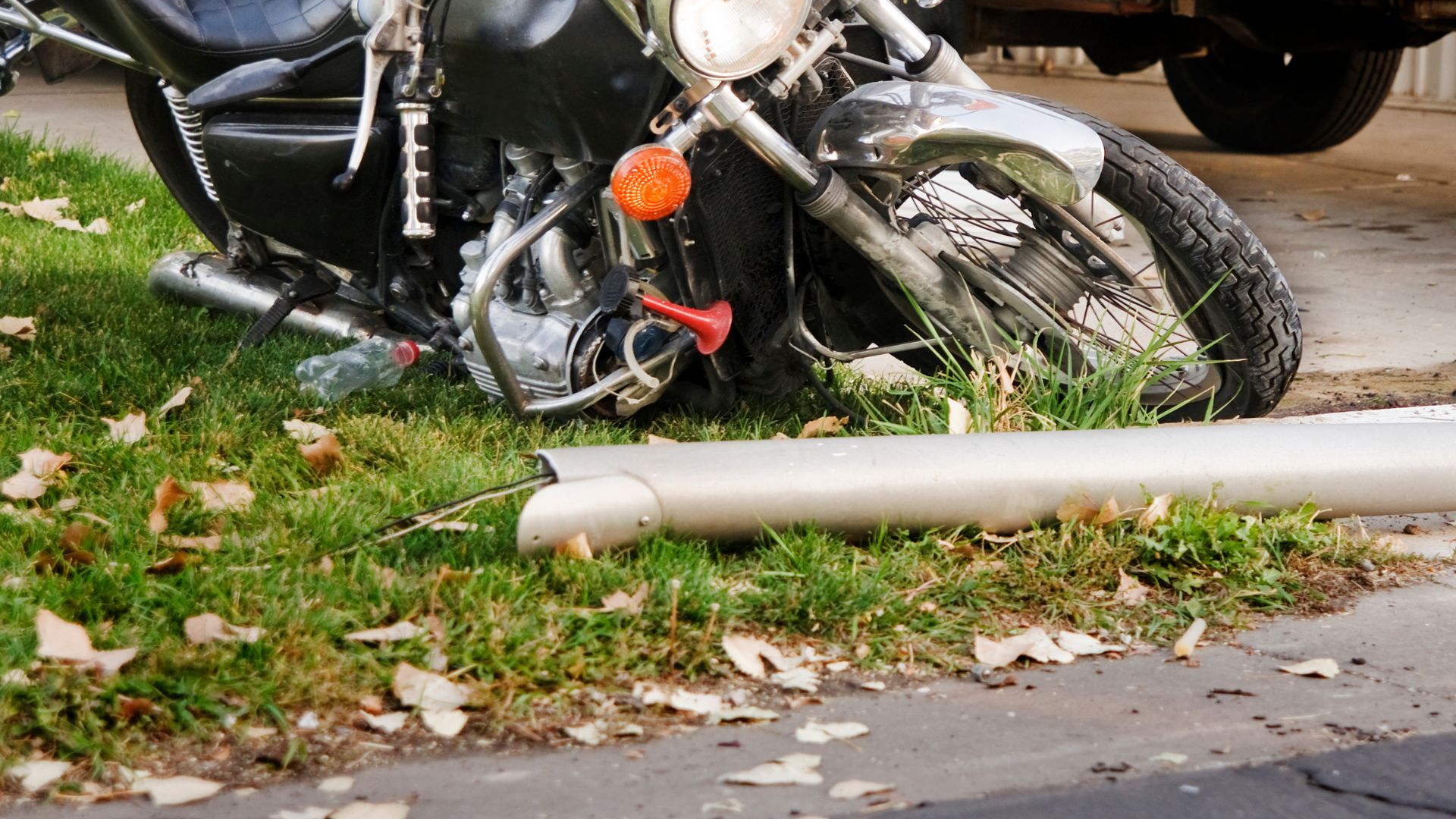
Motorcycle crashes in Glendale often come from drivers failing to leave enough space for a rider’s smaller, more exposed vehicle. A driver may crowd a lane, drift during a turn, stop without warning, or enter traffic without judging the motorcycle’s position correctly. Justice On Demand reviews these crashes by focusing on the driver conduct that created the danger, not broad assumptions about motorcycles. A motorcycle accident lawyer in Glendale can examine whether the crash involved poor attention, unsafe spacing, or a failure to follow basic traffic rules.
Glendale motorcycle accidents may happen in traffic, near business entrances, around parking areas, or on roads where vehicles change speed quickly. The cause may depend on a short movement that becomes serious because the rider has little protection during impact. A driver’s mistake can push the motorcycle toward another vehicle, a curb, a rough surface, or the pavement itself. Understanding the specific cause helps explain why the rider had limited options once the danger appeared.
Drivers Turning Across a Motorcycle’s Path
A turning vehicle can create a serious crash when the driver misjudges the motorcycle’s distance or speed. The rider may be traveling lawfully when a car turns in front of the bike with little warning. These crashes often happen because the driver looks for larger vehicles and fails to register the motorcycle in time. The impact may throw the rider forward, sideways, or onto the roadway. A motorcycle accident lawyer in Glendale can review whether the turn left the rider with a reasonable chance to avoid the crash.
Left Turn Decisions With Too Little Space
A driver making a left turn must wait until the path is safe. Trouble starts when the driver accepts a small opening and assumes the motorcycle can slow or move away. That decision can create a dangerous impact zone directly in the rider’s lane.
Turn Timing Before the Collision
Turn timing may show why the rider could not avoid impact. The vehicle’s angle, the motorcycle’s lane position, and the distance between them may all matter. These details help explain whether the driver moved too soon.
Cars Lane Drifting Into Motorcycle Space
A motorcycle needs a full lane and enough room to stay balanced. Drivers sometimes treat the motorcycle’s space as if it leaves extra room for a car, truck, or SUV to move closer. A slight drift, wide curve, or careless lane adjustment can force the rider toward the edge of the lane. The rider may have to brake, swerve, or hold position while traffic limits safe escape routes. These crashes often begin with a driver acting as if the motorcycle is not fully occupying the lane.
Unsafe Lane Movement Near Motorcycles
Unsafe lane movement can happen without a complete lane change. A driver may drift while checking a phone, adjusting navigation, or watching another vehicle. Even a small movement can crowd a rider into a dangerous position.
Rider Space Inside the Lane
Rider space should not be treated as leftover road. A motorcycle has the same right to occupy its lane as any other vehicle. Lane crowding can become a major factor in the crash.
Sudden Stops That Give Riders No Room
A sudden stop can create danger when the driver behind, ahead, or beside the motorcycle reacts unpredictably. Motorcycles need stable braking space, especially when traffic changes quickly. A driver who stops abruptly near a driveway, pickup area, or traffic backup may leave the rider with no safe option. The rider may have to choose between hard braking, swerving, or hitting another vehicle. These moments can cause serious injury even when the traffic movement looked ordinary seconds earlier.
Abrupt Braking in Active Traffic
Abrupt braking can affect several vehicles at once. A motorcycle rider may have less room to recover when cars surround the bike. The danger increases when the stop happens without a signal or visible reason.
Reaction Time for the Rider
Reaction time may be measured in seconds or less. The rider must judge distance, traffic, road surface, and balance immediately. A driver’s sudden stop can remove those options almost instantly.
Drivers Entering Traffic From Side Areas
Many motorcycle crashes happen when a driver pulls out from a parking lot, driveway, side street, or business entrance. The driver may focus on larger traffic gaps while overlooking the approaching motorcycle. A rider may have the right of way but still face a vehicle moving into the lane. These crashes can happen quickly because the motorcycle reaches the conflict point before the driver fully reacts. A motorcycle accident lawyer in Glendale can review the driver’s entry point and the rider’s available space.
Pullouts From Parking Lots and Driveways
Pullouts become dangerous when a driver enters traffic without a safe opening. The motorcycle’s smaller profile does not excuse a failure to look carefully. A driver must judge all approaching traffic before moving forward.
Visibility Near Entry Points
Visibility near entry points can affect the crash analysis. Parked vehicles, signs, landscaping, traffic backups, or poor lighting may limit what drivers and riders see. Those conditions help explain how the collision developed.
What Evidence Can a Motorcycle Accident Lawyer in Glendale Use
Motorcycle accident evidence needs to explain the crash from the rider’s position, not only from the view of the other driver. A motorcycle accident lawyer in Glendale may use photos, impact marks, gear damage, medical records, witness accounts, and vehicle damage to show how the collision happened. The evidence should help answer practical questions about where the motorcycle was, how the other vehicle moved, and what the rider could realistically do before impact. Justice On Demand reviews these details so the claim does not depend on a short report that leaves out the rider’s experience.
The best evidence often comes from the details people do not think about right away. A scraped helmet, torn glove, bent handlebar, broken mirror, damaged boot, or photo of the bike’s resting position may help explain the direction and force of the crash. Road surface conditions, nearby traffic, lighting, and lane position may also affect how the accident gets understood. The stronger the evidence, the harder it becomes for someone to reduce the collision to a vague statement about speed or visibility.
Motorcycle Damage That Shows the Impact
Motorcycle damage can help show how the crash unfolded. Scrapes, dents, broken controls, bent handlebars, cracked fairings, damaged foot pegs, and wheel alignment problems may all point to the direction of force. A motorcycle accident lawyer in Glendale may compare that damage with the other vehicle’s damage and the rider’s account. Those details can matter when the driver claims the motorcycle came from nowhere or moved unpredictably. The bike itself may preserve facts that a written statement misses.
Broken Parts With Crash Meaning
Broken motorcycle parts may show where the force landed. A bent handlebar, damaged fork, scraped peg, or crushed fairing can help explain the impact path. These details may support the rider’s version when the other driver disputes what happened.
Photos Before Repair or Storage
Photos should be taken before the motorcycle gets repaired, moved, or stored for long periods. Different angles can show damage, resting position, scraped surfaces, and missing parts. Those images may preserve details that disappear after repairs begin.
Damaged Riding Gear That Supports Injury Claims
Riding gear may help show how the rider contacted the ground, vehicle, or surrounding surface. A scraped helmet, torn jacket, ripped pants, cracked boot, or damaged glove may connect the crash to the rider’s injuries. Gear damage can also show the force of impact in a way that medical records alone may not capture. A motorcycle accident lawyer in Glendale may use the gear to help explain how the rider fell and which body parts absorbed the impact. The gear should be saved whenever possible because it may carry important claim details.
Helmet and Jacket Damage
Helmet and jacket damage may reveal the areas of contact. Scratches, cracks, torn fabric, and worn protective padding may show how the rider hit the ground. These details can help connect the crash mechanics to the injuries.
Gear Kept After the Crash
Damaged gear should not be thrown away too quickly. Even when it cannot be used again, it may help document the collision. Keeping the gear gives the claim another source of physical proof.
Witness Accounts From Nearby Drivers
Witness accounts can help when the driver and rider describe the crash differently. A nearby driver, pedestrian, passenger, worker, or person at a business may have seen the motorcycle’s position before impact. That witness may remember whether the other driver turned, drifted, stopped suddenly, or pulled out into traffic. A motorcycle accident lawyer in Glendale may compare those accounts with the damage, photos, and scene details. Independent observations can help clarify the crash when the parties disagree.
People Who Saw the Movement
Witnesses may notice movement that the rider could not track during impact. They may remember a turn signal, lane drift, sudden stop, or unsafe pullout. Their account can help explain what happened before the crash.
Contact Details Saved Early
Witness information can become difficult to find later. A name, phone number, workplace, or short note about what the person saw may help. Saving contact details early gives the claim a better chance of using that account.
Medical Records That Track Rider Injuries
Medical records help show what the crash did to the rider’s body over time. Emergency care may document the first injuries, while follow-up appointments may show worsening pain, mobility limits, wound care, imaging results, therapy needs, or work restrictions. A motorcycle accident lawyer in Glendale may review whether the treatment record explains the full injury path. This matters because some symptoms become more serious after swelling, stiffness, or nerve irritation develops. The records should connect the crash to the rider’s actual recovery, not just list a diagnosis.
Symptoms Reported Over Time
Symptoms may change after the first medical visit. A rider may later report headaches, shoulder pain, knee pain, numbness, road rash complications, or back stiffness. Consistent reporting helps show how the injury developed.
Treatment Notes With Daily Limits
Treatment notes can show how the injury affects normal life. Driving, walking, sleeping, working, lifting, or standing may become harder after the crash. Those limits help explain the injury beyond the medical term.
How Justice On Demand Reviews Motorcycle Accident Cases in Glendale, Arizona

A motorcycle case needs a review that respects how fast the crash happened and how exposed the rider was during impact. Justice On Demand looks at the driver’s conduct, the motorcycle’s position, the damage to the bike, the condition of the gear, and the treatment that followed. The firm does not start from assumptions about speed, risk, or rider behavior. A motorcycle accident lawyer in Glendale can focus the claim on the facts that show what the rider faced before, during, and after the collision.
This review also helps when the crash description sounds shorter than the injury itself. A report may say a vehicle turned, merged, stopped, or changed lanes, but those words may not show how little room the rider had to react. Justice On Demand examines the space around the motorcycle, the timing of the other driver’s movement, and the physical damage that followed. That approach helps the claim stay tied to the rider’s actual experience rather than a simplified version of the crash.
Rider Position Reviewed Before Fault Is Assigned
Justice On Demand reviews where the motorcycle was before the crash before accepting a broad fault argument. The rider’s lane position, distance from nearby vehicles, speed relative to traffic, and available escape path may all affect how the collision should be understood. A driver may claim the rider appeared suddenly, but the physical setting may show the motorcycle was already where it had a right to be. The review looks at what the rider could see and what the driver should have seen. A motorcycle accident lawyer in Glendale can use those details to challenge assumptions that do not fit the facts.
Lane Position and Available Space
Lane position may show whether the rider had room to avoid impact. A motorcycle may be boxed in by traffic, a curb, another vehicle, or a rough shoulder. Available space matters because a rider cannot always brake or swerve safely.
Rider Choices During the Final Seconds
The final seconds before impact may reveal limited options. A rider may have to choose between braking, holding position, or moving toward another danger. Those choices should be reviewed in the context of the traffic around the motorcycle.
Driver Conduct Tested Against the Crash Details
Driver conduct often decides whether a motorcycle crash could have been avoided. Justice On Demand reviews whether the driver checked for the motorcycle, left enough space, used a signal, obeyed traffic rules, and reacted reasonably before impact. A driver’s statement may sound simple, but the damage pattern, witness account, or road layout may tell a different story. The review focuses on what the driver did, not only what the driver later says. This helps keep the claim grounded in observable facts.
Movements That Put Riders at Risk
Certain driver movements create immediate danger for motorcyclists. A wide turn, sudden merge, rushed pullout, or close stop may leave a rider without a safe reaction. These movements deserve close review when they caused the crash.
Driver Statements Compared With Damage
Driver statements should match the physical evidence. Scrapes, dents, broken parts, and resting positions may support or contradict the account given later. Comparing those details can expose weak or incomplete explanations.
Gear and Bike Damage Preserved Carefully
Motorcycle claims often involve evidence that does not exist in ordinary car accident cases. Justice On Demand looks at the helmet, jacket, gloves, boots, pants, bike damage, broken controls, scraped fairings, and any parts replaced after the crash. These items may show where the rider hit the road, which side took the force, and how the motorcycle moved after contact. Gear and bike damage can help explain the crash when the written record feels incomplete. Preserving those items can give the claim a stronger factual base.
Protective Gear With Claim Value
Protective gear may show the force and direction of the impact. A scraped helmet, torn jacket, cracked boot, or damaged glove can help connect the crash to the injury. Those items should be saved when possible.
Motorcycle Parts Before Repair
Motorcycle parts may change quickly once repairs begin. Broken mirrors, bent handlebars, damaged pegs, and wheel problems may help explain the collision. Photos and repair notes can preserve those details before they disappear.
Recovery Details Tied to Riding Injuries
Justice On Demand reviews recovery with attention to the specific injuries riders often face. Road rash, fractures, shoulder injuries, knee trauma, wrist damage, back pain, head injuries, and nerve symptoms may affect movement in different ways. A rider may have trouble working, driving, sleeping, walking, lifting, or getting back on a motorcycle. Those limits should be documented with specific detail instead of broad statements about pain. A motorcycle accident lawyer in Glendale can help connect the treatment record to the rider’s daily reality.
Treatment That Shows Injury Progression
Treatment may show how the injury changed over time. Emergency care, wound care, imaging, therapy, specialist visits, and restrictions may each add important detail. That progression helps explain why the injury should not be judged only by the first appointment.
Riding Limits After the Crash
A rider may face limits that affect transportation and independence. Fear in traffic, reduced mobility, damaged gear, and an unsafe bike may all matter. These limits can help show how the crash changed daily life.
Choose Justice On Demand Today For Your Motorcycle Accident Lawyer in Glendale, Arizona
A Glendale motorcycle accident should be reviewed in great detail to avoid any blame-shifting being done by the insurer. A rider may be hurt because a driver turned across the lane, merged too close, stopped suddenly, or failed to see the motorcycle before impact. Your claim should account for the bike damage, medical treatment, missed work, and daily limits that follow the crash to ensure all losses are looked at for compensation.
Justice On Demand keeps the claim focused on the facts surrounding the collision and the harm caused by it. Small details can make a large difference in a motorcycle claim. A scraped helmet, bent handlebar, torn jacket, or missed week of work may help show the real force and disruption of the crash. Call Justice On Demand at (480) 934-0676 or visit our contact page to speak with our lawyer and learn how we can help you today.