

A slip and fall accident lawyer in Surprise can assist you when a fall leaves you hurt, out of work, and unsure why the property owner will not give clear answers. Justice On Demand helps injured people after falls at stores, restaurants, apartment buildings, parking lots, medical offices, sidewalks, and public areas across Surprise, Arizona.
Attorney Christian Pedersen has built his practice around helping injured people throughout Arizona recover after serious accidents. His background includes degrees from Brigham Young University and Arizona State University, and his work in personal injury law has earned recognition as a Super Lawyers Rising Stars honoree and Lead Counsel Verified attorney. When you work with Justice On Demand, you work directly with an attorney who takes the time to understand how your fall happened, gather the evidence that matters, and build a strategy focused on recovering the compensation you deserve.
A fall near Bell Road, Prasada, Loop 303, Surprise Stadium, or a neighborhood shopping plaza can turn into a legal dispute fast. The property may change, video may disappear, and the insurance company may blame you before your doctor knows the full extent of the injury. Justice On Demand works to preserve evidence, review the unsafe condition, identify responsible parties, and document medical and financial losses tied to the fall. You can ask questions before making any decision. Justice On Demand offers free consultations, 24/7 availability, and an initial 30-day satisfactory period. Call (480) 934-0676 to discuss your fall injury claim today.
How Can a Slip and Fall Accident Lawyer in Surprise Help
A slip and fall accident lawyer in Surprise helps by moving the claim away from guesswork and toward proof. The first few days matter because property owners often fix hazards quickly. A spill gets cleaned, a loose mat gets removed, a broken stair gets patched, or a manager says nobody reported the danger. Justice On Demand looks at what happened before the fall, not just what happened after. That means reviewing the walking surface, the lighting, the warning signs, the maintenance history, and the people or companies that controlled the area.
How Surprise Property Control Affects Fall Claims
A fall injury claim depends on who had control over the unsafe area. A store may control the aisle where you slipped, but the shopping center owner may control the parking lot. An apartment manager may control stairs, sidewalks, laundry rooms, pool decks, and common walkways.
This matters because the wrong insurance company may deny responsibility and point to another party. Justice On Demand reviews the property setup early so your claim does not stall while businesses blame each other.
Retail Centers Near Bell Road May Involve Several Parties
Large retail areas near Bell Road and Prasada may involve tenants, property owners, management companies, security vendors, and cleaning contractors. Each one may have a different duty depending on where the fall happened.
For example, a grocery store may handle wet floors inside the store, while the landlord may handle broken exterior concrete. A slip and fall accident lawyer in Surprise can review these details and look for every available insurance path.
Lease Terms May Show Who Had Repair Duties
Lease documents can help show who had to inspect, clean, warn, or repair the area. These documents may matter after a fall near an entrance, shared walkway, curb, ramp, or parking lot.
Justice On Demand can use those details to keep the case focused. This prevents an insurer from denying the claim without answering who actually controlled the hazard.
Apartment Falls Need Common Area Review
Apartment falls often happen on stairs, walkways, parking areas, pool decks, mail areas, laundry rooms, and poorly lit paths. These cases may involve tenant complaints, repair requests, prior incidents, and maintenance logs.
A fall at an apartment complex in Surprise needs more than a photo of the injury. The claim should show whether management ignored a defect, delayed repairs, or failed to warn residents and guests.
Repair Requests Can Support Prior Notice
Repair requests can show that management knew about broken concrete, loose railings, bad lighting, slippery surfaces, or damaged stairs before the fall. Tenant complaints may also show that the problem was not new.
Justice On Demand can review these records and compare them against what the property owner says now. If the records tell a different story, that can strengthen the claim.
How Evidence Gets Preserved After a Surprise Fall
A strong slip and fall claim needs proof that still exists when the insurance company reviews the case. That proof can disappear faster than most injured people expect. Video systems may overwrite footage, employees may forget details, and hazardous areas may change within hours.
Justice On Demand helps identify what needs to be preserved. This may include surveillance video, incident reports, witness names, cleaning logs, inspection records, repair orders, photos, medical records, and wage documents.
Video Footage Can Answer the Timing Question
Video can show when the hazard appeared, who walked past it, and whether employees had time to respond. It may also show whether warning cones appeared after the fall instead of before it.
Many businesses do not keep video for long periods. A slip and fall accident lawyer in Surprise can request footage early so the business cannot claim the video vanished before anyone asked for it.
Camera Angles May Show More Than the Fall
Useful footage may not show the exact fall. It may still show employees walking by the hazard, customers stepping around it, or a leak forming before you reached the area.
Those details can help prove notice. They can also show that the property had enough time to clean the danger, block the area, or warn people.
Incident Reports May Protect Early Details
Businesses often create incident reports after a fall. These reports may include the time, location, employee names, witness names, manager notes, and a short description of the hazard.
You should ask for a copy when possible, but many businesses refuse or delay. Justice On Demand can still request the report and compare it to photos, medical records, and witness statements.
Report Language Can Affect Insurance Review
The wording in an incident report can matter. A report that mentions “water near freezer case” helps more than a vague note that says “customer fell.”
A slip and fall accident lawyer in Surprise can review the report for missing facts. If the report leaves out important details, other evidence can help fill the gaps.
How Insurance Pressure Can Reduce Claim Value
Insurance companies often act friendly at first. Then they ask questions that shift blame. They may ask what shoes you wore, whether you looked down, why you walked that route, or whether you had prior pain.
Justice On Demand keeps the claim focused on the unsafe condition and the injuries it caused. This helps stop the insurer from turning your claim into a debate about small comments made during a stressful moment.
Recorded Statements Can Create Problems
A recorded statement can hurt the claim when you answer too soon. You may say you feel better before swelling, headaches, knee pain, shoulder pain, or back pain gets worse.
Adjusters may use those early statements later. They may argue that your injuries were minor or unrelated because you did not describe every symptom on the first call.
Short Answers Can Still Get Misused
Even simple phrases can cause trouble. Saying “I did not see it” may lead the insurer to blame you for not watching the ground. Saying “I am okay” may lead the insurer to argue that you were not badly hurt.
Justice On Demand can handle insurance communication for you. That lets you focus on treatment while the claim stays organized.
Early Settlement Offers Can Miss Future Care
A quick offer may look helpful when medical bills arrive. Yet many early offers fail to include future imaging, physical therapy, injections, surgery consults, mobility limits, missed income, and long-term pain. Justice On Demand reviews the medical timeline before settlement decisions. The goal is to value the injury after the facts develop, not while you still lack answers.
Knee and Shoulder Injuries Can Worsen
Many fall injuries worsen after the first week. A knee injury may later need an MRI. A shoulder injury may need therapy or surgery review. A back injury may flare when you return to normal activity. A slip and fall accident lawyer in Surprise can wait for a clearer medical record before making settlement decisions. That can protect you from accepting less than the case may support.
How Damages Get Built in a Fall Injury Claim
Slip and fall compensation depends on evidence of loss. Medical bills matter, but they are only part of the picture. A serious fall can affect work, driving, sleep, walking, household tasks, and family responsibilities.
Justice On Demand reviews the full impact of the injury. That can include treatment costs, lost wages, reduced work ability, future care, pain, mobility limits, and the loss of normal daily routines.
Medical Records Should Match the Fall Story
Medical records should explain how you fell, where you landed, what hurt first, and how symptoms changed. Emergency visits, urgent care notes, imaging, therapy records, and doctor restrictions can all support your claim. This timeline helps push back against common insurance arguments. If records show consistent pain after the fall, the insurer has less room to blame unrelated causes.
Imaging Can Confirm Hidden Injuries
X-rays may show fractures, but MRIs can reveal ligament tears, tendon injuries, disc problems, and joint damage. These findings can matter when an insurer claims you only had soreness.
Justice On Demand can connect imaging results to the fall mechanics. This helps show why the injury fits the way you landed.
Work Loss Needs More Than One Pay Stub
Lost income claims should include more than a rough estimate. Pay stubs, employer notes, schedules, tax records, and doctor restrictions can help show what the injury cost you. This matters for retail workers, warehouse workers, healthcare workers, drivers, teachers, construction workers, and part-time workers in Surprise. A fall injury can reduce income even when you do your best to return.
Restrictions Show Daily Life Limits
Doctor restrictions can show why you could not stand, lift, bend, drive, climb stairs, or return to regular duties. These restrictions can explain the difference between pain and real loss. Justice On Demand can use those records to show how the fall changed your day. That can include trouble carrying groceries, walking through a parking lot, sleeping, dressing, or caring for family.
How Do I Prove Negligence After Falling in Surprise
To prove negligence after falling in Surprise, you need to show that a dangerous property condition caused your fall and that the responsible party knew or should have known about it. Arizona personal injury claims often require careful timing, because the general deadline for many injury lawsuits is two years, and public property claims may involve shorter notice requirements.
Justice On Demand builds negligence proof through scene evidence, notice evidence, medical records, and insurance documentation. A slip and fall accident lawyer in Surprise can help connect those pieces before the property owner repairs the hazard or the insurer blames you.
How Dangerous Conditions Prove Slip and Fall Negligence
A fall case starts with the unsafe condition. The claim becomes stronger when you can identify the exact hazard that caused your feet to slip, trip, twist, or lose balance.
Justice On Demand looks for details that explain why the surface was unsafe. This may include liquid, uneven pavement, loose mats, torn carpet, broken tile, missing handrails, poor lighting, debris, open holes, curb defects, or slick entryways.
Wet Floor Cases Need Source and Timing Proof
Wet floor cases often happen near freezer cases, produce displays, restrooms, entrances, drink stations, and restaurant service areas. The source of the liquid can matter.
A leaking freezer case may show a maintenance problem. A recently mopped floor without warning cones may show that staff created the hazard. A spill near a busy aisle may show that staff failed to inspect the area.
Dirty Liquid Can Show Time Passed
The condition of the spill can help prove timing. Dirty liquid, cart tracks, shoe prints, streaks, and spread patterns may show that the spill sat long enough for staff to find it.
This can support the argument that the property owner should have known about the danger. Justice On Demand uses these details to push back when an insurer claims the hazard appeared seconds before the fall.
Uneven Surfaces Need Measured Proof
Uneven surfaces create strong claims when photos show the defect clearly. A raised sidewalk edge, pothole, cracked walkway, sunken pavement, or damaged curb can cause a person to trip without warning.
The best photos show both the defect and the walking path. A close photo shows the hazard. A wide photo shows why a person would naturally walk through that area.
Scale Photos Can Stop Minimization
A coin, ruler, shoe, or tape measure can show the height change or depth of the defect. This makes it harder for the insurer to call the hazard too small to matter.
Justice On Demand can review these images and connect them to the injury. For example, a raised edge may explain a forward fall that caused wrist, knee, facial, or shoulder injuries.
How Property Owner Notice Gets Proven
Notice is often the center of the fight. The property owner may claim nobody knew about the hazard. The insurer may argue that the owner had no fair chance to fix it.
Justice On Demand looks for proof that the danger existed long enough to be found or had already been reported. That proof may come from staff records, video, prior complaints, repair history, inspection logs, or the physical condition of the hazard.
Actual Notice Shows Someone Knew Beforehand
Actual notice means someone knew about the dangerous condition before the fall. A shopper may have reported liquid on the floor. A tenant may have complained about a broken stair. An employee may have walked past a hazard and failed to respond.
These facts can strengthen a Surprise premises liability claim. Once the property knows about a danger, it should act with reasonable care.
Employee Statements May Confirm Knowledge
Employees may know about spills, leaks, loose mats, broken fixtures, or recurring walkway problems. Their statements can help show what staff saw and when they saw it.
Justice On Demand can identify who was working and what they reported. That can matter when a manager later claims the business had no warning.
Constructive Notice Shows They Should Have Known
Constructive notice means the property owner should have found the danger through reasonable inspection. This often matters when no one admits seeing the hazard before the fall.
A recurring leak, old sidewalk defect, poor lighting problem, loose railing, or dirty spill can support this argument. The longer the hazard existed, the stronger the notice claim may become.
Missing Inspection Logs Can Raise Questions
Inspection logs can show whether a business checked the area before the fall. If a busy store near Loop 303 has no inspection record for a long period, that gap may matter.
Justice On Demand can use missing or incomplete logs to challenge a denial. The absence of records can weaken the insurer’s claim that the business acted carefully.
How Arizona Comparative Fault Affects Fall Claims
Insurance companies often argue that the injured person shares blame. Arizona law allows fault arguments to reduce damages based on the percentage of fault assigned to the injured person. Because of this, the insurer may focus on your shoes, your speed, your phone, lighting, warning signs, or whether the hazard was visible. Justice On Demand responds by showing what the property owner did wrong and why the hazard still created an unreasonable danger.
Open Hazard Arguments Need Context
The insurer may claim the hazard was obvious. That argument does not always tell the full story. A person may be carrying groceries, walking through poor lighting, following the expected walkway, or moving through a crowded entrance.
Context matters. A wet floor can blend into shiny tile. A curb defect can be hard to see at dusk. A warning cone may be too far away to warn anyone using the actual path.
Photos Can Show What You Actually Saw
Photos taken from standing height can show the scene from your point of view. This is often more useful than a close photo taken after everyone knows where to look.
Justice On Demand can review sightlines, lighting, angles, and distractions created by the property layout. These details can help answer blame-shifting arguments.
Prior Injuries Do Not End the Claim
Insurance companies often point to prior back pain, knee problems, arthritis, or old injuries. A prior condition does not automatically defeat a claim.
A fall can aggravate an old injury or create a new one. Medical records can help show the difference between your condition before the fall and your condition after it.
Treatment Changes Can Show New Harm
A sudden need for imaging, injections, therapy, work restrictions, or surgery review after the fall can support the claim. The change in treatment can matter more than the existence of a prior condition.
Justice On Demand reviews the before-and-after medical picture. That helps show how the fall changed your health and daily life.
How Public Property Falls Need Faster Review
Some falls happen on public property, including sidewalks, parks, public buildings, libraries, schools, or government-controlled spaces. These claims may require a notice of claim within 180 days. That shorter timeline can surprise injured people. Justice On Demand can review where the fall happened, who controlled the property, and what deadline may apply.
City Sidewalk Falls Need Location Detail
A sidewalk fall near a public area can involve questions about ownership, control, maintenance, and prior notice. The exact location matters because one side of a walkway may involve a city, business, landlord, or private owner.
Photos should capture street signs, nearby addresses, curb cuts, landmarks, and the defect itself. These details can help identify the right party.
Public Records May Show Prior Complaints
Public records may show complaints, repair requests, inspection notes, or prior maintenance activity. These records can help prove that the dangerous condition existed before your fall.
Justice On Demand can review these potential records while deadlines still allow action. Waiting too long can make a public property claim much harder.
Government Claims Need Early Action
Public entity claims follow different rules than private property claims. Missing a required notice deadline can harm the case before a lawsuit even begins. A slip and fall accident lawyer in Surprise can review whether a public claim process applies. Early review helps protect your options and prevents avoidable deadline problems.
Private Locations Still Need Speed
Even private property claims need fast action. Stores, apartments, restaurants, and shopping centers may change the scene quickly. Justice On Demand moves early to preserve proof. That gives your claim a stronger start before the property owner controls the only evidence.
Contact a Slip and Fall Accident Lawyer in Surprise Justice on Demand – Call 24/7
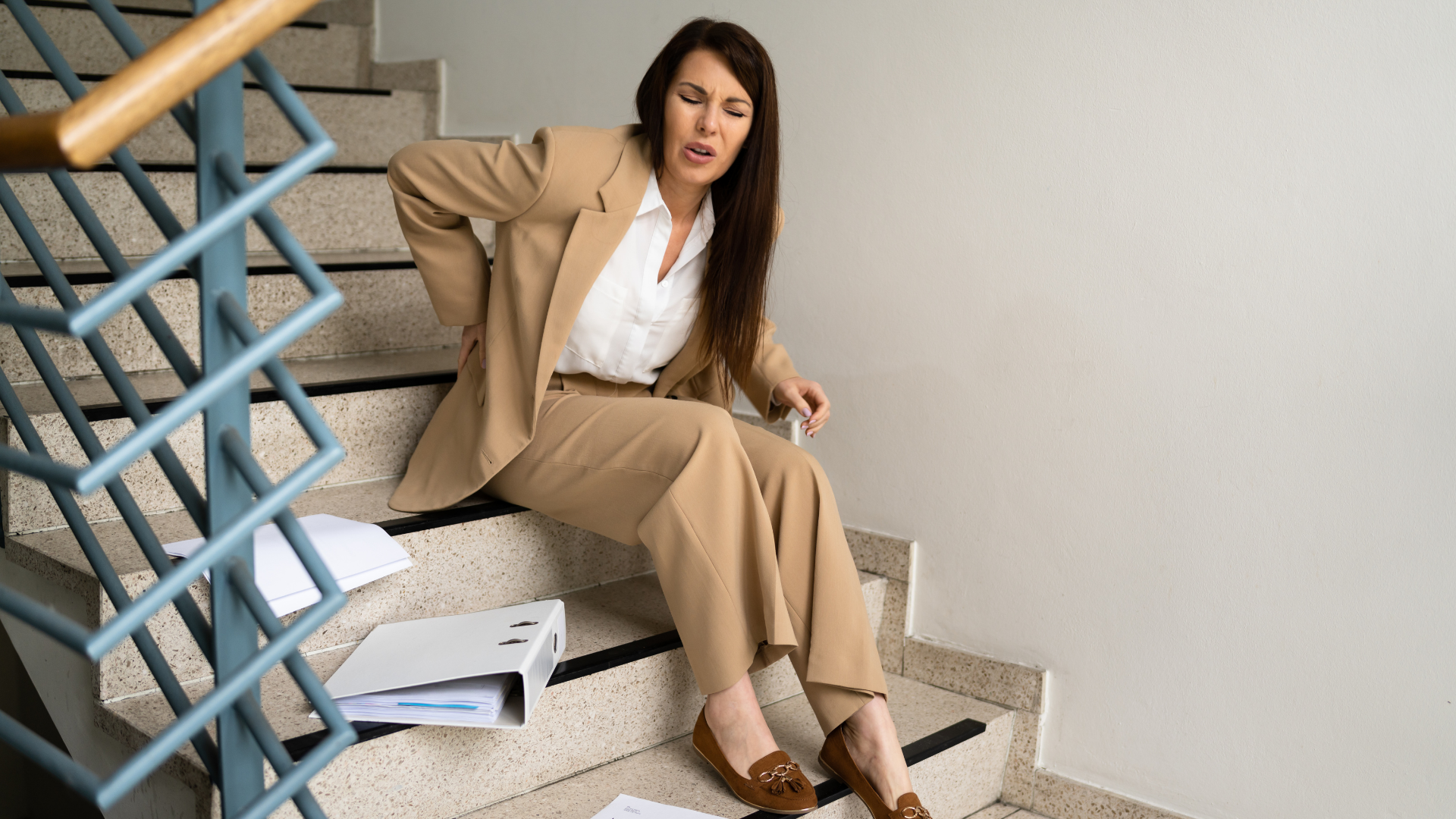
If a fall left you hurt, do not let the property owner or insurance company define the case for you. Justice On Demand can review the hazard, the evidence, the deadline, and the medical impact before proof becomes harder to find.
Call (480) 934-0676 or contact us to speak with Justice On Demand about your Surprise slip and fall claim. The consultation is free, the firm is available 24/7, and the initial 30-day satisfactory period gives you room to decide if the fit feels right. A slip and fall accident lawyer in Surprise can help you get answers, protect evidence, and move your claim forward. Start with one conversation today.