

A rideshare accident lawyer in Surprise can help when an Uber or Lyft crash turns a normal ride into pain, missed work, medical bills, and insurance confusion. Justice On Demand helps injured passengers, drivers, pedestrians, and families sort out fault, trip records, insurance coverage, and settlement pressure after rideshare crashes in Surprise. If your crash happened near Bell Road, Loop 303, Grand Avenue, Prasada, Surprise City Center, or a neighborhood pickup spot, the first details you save can affect the strength of your claim.
Rideshare crashes do not work like simple two-car claims. The driver’s app status can change which policy applies. A passenger receipt can help prove the ride was active. A crash report may miss the Uber or Lyft detail completely. Christian Pedersen reviews app screenshots, medical records, driver information, insurance letters, and crash facts so your case starts with proof, not guesswork.
Justice On Demand offers free consultations, 24/7 availability, and an initial 30-day satisfactory period for new clients. If an Uber or Lyft crash hurts you in Surprise, call (480) 934-0676 now.
Do I Need a Rideshare Accident Lawyer in Surprise
You may need a rideshare accident lawyer in Surprise if the crash caused medical treatment, lost income, lasting pain, or disputes between Uber, Lyft, the driver, and insurers. A minor ride delay may not need legal help. A crash that leaves you with headaches, back pain, neck pain, numbness, shoulder pain, knee pain, or missed work deserves a closer look. Justice On Demand helps injured people figure out what matters first. That means identifying the ride phase, saving app records, protecting medical documentation, and stopping adjusters from controlling the story too early. The goal is simple. Build the claim around facts before insurers reduce it to a low offer.
When a Surprise Uber or Lyft Crash Needs Legal Help
After a crash with an Uber or Lyft, help makes sense when the crash creates more than short-term inconvenience. If you went to urgent care, the ER, a primary doctor, a chiropractor, a physical therapist, or an imaging center, your medical timeline already matters. The claim should connect the crash, the symptoms, the treatment plan, and the way the injury affects your daily life.
A Surprise Uber accident claim can also become harder when several companies contact you. One insurer may ask for a recorded statement. Another may request medical records. Uber or Lyft may ask for trip proof. Before answering every question, you need to know which company actually has a legal reason to ask.
Your Pain Started After the Ride Ended
Pain often shows up after adrenaline fades. A back seat passenger may leave the crash scene feeling shaken, then wake up with neck stiffness, headaches, dizziness, back spasms, or tingling in the arms or legs. Insurance companies often question delayed symptoms, so the timing needs clear documentation.
For example, a Lyft passenger picked up near Prasada may feel “mostly okay” at the scene, then visit urgent care the next morning for neck pain after a crash on Bell Road. That does not make the injury fake. It means the medical record should explain when symptoms started and how they changed.
Treatment Notes Should Match the Crash Story
Treatment notes should describe the rideshare crash, your role in the vehicle, pain locations, and limits on normal activity. If the record only says “back pain” without mentioning the Uber or Lyft crash, an insurer may argue the injury lacks a clear connection.
Tell each provider that the injury came from a rideshare accident in Surprise. Mention whether you were an Uber passenger, Lyft passenger, another driver, or pedestrian. That detail helps link the treatment to the crash from the beginning.
Specific Symptoms Help Prove Damages
Specific symptoms make the claim harder to dismiss. Instead of saying your back hurts, explain whether pain affects sitting, lifting, walking, sleeping, driving, or working. Instead of saying you have headaches, explain whether light, screens, noise, or concentration makes them worse.
Those details help Christian Pedersen evaluate the full impact of the injury. Medical bills matter, but daily limitations often show why the claim should account for more than the first appointment.
Who Pays Medical Bills After a Rideshare Crash
Medical bills may arrive before any insurer accepts responsibility. This happens often in Uber and Lyft accident claims because coverage depends on driver status, trip timing, and fault. The driver’s personal insurer may deny the claim if rideshare work was involved. The rideshare company may ask for proof before opening the correct coverage file.
That delay does not mean you should stop treatment. It means the claim needs fast organization. Justice On Demand can review your app records, crash report, health insurance issues, medical payment coverage, and possible claim sources so you do not rely on one adjuster’s answer.
Uber or Lyft Coverage May Apply
Uber or Lyft coverage may apply when the driver was logged into the app, accepted a ride, drove to a pickup, or transported a passenger. The exact phase matters because each phase can trigger different coverage questions.
If you were inside the rideshare vehicle during the crash, save the receipt, route, driver profile, pickup location, drop off location, and any app messages. That proof can help show the ride was active when the crash happened.
Another Driver May Share Responsibility
Sometimes another driver causes the crash by running a red light, speeding, making an unsafe turn, or rear-ending the rideshare vehicle. In that situation, the other driver’s insurer may become part of the claim. Uber or Lyft coverage may still matter if the other driver lacks enough insurance.
A passenger should not assume only one policy applies. A rideshare accident lawyer in Surprise can compare all possible coverage sources before settlement talks begin.
Uninsured Coverage Can Matter
Uninsured and underinsured motorist coverage may become important if the at-fault driver has no insurance or not enough insurance. These issues often appear after serious crashes with ER care, imaging, therapy, or time away from work.
A rideshare accident lawyer in Surprise can review whether Uber, Lyft, your own auto policy, or another policy provides backup coverage. That review can prevent an injured person from accepting too little based on incomplete insurance information.
Why Insurance Calls Create Risk
Insurance adjusters may sound friendly, but they work for the company paying the claim. Their questions can shape the claim before your injuries fully develop. They may ask how fast the cars were moving, what you saw, whether you felt better, or whether you had prior pain.
A short answer can create problems later. If you say you feel “fine” before symptoms worsen, the insurer may repeat that statement during settlement talks. If you guess about fault, the company may use your uncertainty to reduce payment.
Recorded Statements Can Hurt the Claim
Recorded statements create risk because injured people often answer before they know the full medical picture. You may not yet know whether you need therapy, an MRI, injections, or time off work. Once the statement exists, the insurer may use it against later medical records.
Justice On Demand can handle communication and help provide accurate information with context. That keeps the claim focused on proof instead of rushed answers.
Broad Medical Authorizations Need Review
Insurers may ask you to sign broad medical authorizations. Those forms can let the company search old records and look for prior pain, earlier injuries, or unrelated health issues. Then the insurer may argue that your current pain did not come from the crash.
You should understand what a form allows before signing it. A rideshare accident lawyer in Surprise can help limit unnecessary access and provide records tied to the actual claim.
Prior Injuries Need Careful Explanation
A prior injury does not automatically defeat a rideshare accident claim. Many people have old back pain, neck stiffness, or past medical visits. The question is whether the Uber or Lyft crash made the condition worse or created new symptoms.
Medical records should explain the change. If you had mild pain before but now cannot work, sleep, or drive normally, that difference belongs in the claim.
Why Waiting Can Weaken a Surprise Rideshare Claim
Waiting can hurt a claim because evidence disappears quickly. App screens update. Camera footage may get erased. Vehicles get repaired. Witnesses forget details or stop answering calls. The longer you wait, the easier it becomes for insurers to say the proof is incomplete.
Crashes near Bell Road, Loop 303, Grand Avenue, Litchfield Road, Waddell Road, and Surprise shopping centers may involve nearby cameras or witnesses. Those records may only exist for a short time. Fast action helps preserve the details that prove what happened.
Trip Screenshots Can Prove Passenger Status
Trip screenshots can show the driver name, vehicle, route, pickup point, drop off point, time stamp, and receipt. These details help show whether the ride was active. They can also help identify the driver if the crash report leaves out rideshare details.
Save screenshots before you delete the app or lose access to your account. If possible, save the email receipt too. That backup can help if the app history becomes hard to retrieve.
Crash Reports May Miss Uber or Lyft Details
A police report may list the driver and vehicle, but it may not state that the vehicle was operating through Uber or Lyft. That missing detail can delay coverage review. It can also create confusion when insurers compare the report to the rideshare receipt.
Justice On Demand can review the report for missing passenger status, wrong street names, incomplete insurance details, and unclear vehicle movement descriptions. Early review helps catch problems before they become claim disputes.
Photos Can Fill Report Gaps
Photos can show vehicle positions, road conditions, traffic signals, lane markings, damage points, license plates, and nearby businesses. Those details can help explain the crash when the report stays brief.
Take wide photos and close photos if you can do so safely. Wide photos show scene context. Close photos show impact points, broken parts, airbags, and interior damage.
Why Are Uber and Lyft Accident Claims So Complicated
Uber and Lyft accident claims are complicated because they mix personal injury law, auto insurance, app data, and transportation network company coverage. A normal car crash may start with one at-fault driver. A rideshare crash can involve the rideshare driver, another motorist, a passenger, Uber, Lyft, a personal auto insurer, a rideshare policy, and a claims team asking for proof.
Justice On Demand helps people who need a rideshare accident lawyer in Surprise sort out these moving parts. The firm reviews trip status, driver conduct, medical documentation, crash evidence, and claim value before insurance companies narrow the case.
App Status Controls the Insurance Path
App status can decide which policy applies. A driver with the app off may fall under personal auto coverage. A driver logged in and waiting for a request may trigger rideshare-related coverage questions. A driver heading to pickup or carrying a passenger may trigger a different coverage path.
That is why the first legal question often focuses on what the driver was doing in the app at the exact time of impact. The answer can change the entire claim.
The Driver Was Waiting for a Ride Request
A logged-in driver waiting for a request is not the same as a driver using the car for personal errands. The driver may be watching the app, moving through busy areas, or waiting near pickup zones. If that driver causes a crash, coverage may depend on app records.
This can happen near restaurants, retail centers, apartment entrances, and commuter areas in Surprise. A driver waiting for a ride may still cause major harm through distraction, unsafe turns, or poor lane changes.
The Driver Accepted the Ride Before Impact
A driver who accepted a ride and started heading to pickup has moved into a more rideshare-focused phase. The passenger may not be inside yet, but the driver is performing a task for the platform. That status can matter if the driver hits another car, pedestrian, bicyclist, or motorcyclist.
For example, a driver may accept a pickup near Surprise City Center and rush across lanes on Bell Road. The accepted ride may help show why rideshare coverage should be reviewed.
Pickup Pressure Can Explain Unsafe Driving
Pickup pressure can affect driver choices. Some drivers rush to avoid cancellations, follow sudden route changes, or glance at app instructions during traffic. Those facts can support a negligence claim when the driver makes an unsafe move.
App data, witness statements, and phone-related details may help prove distraction. A rideshare accident lawyer in Surprise can compare those facts with the crash report and vehicle damage.
Multiple Insurers May Deny Responsibility
Multiple insurers can turn a straightforward injury into a claims maze. A personal auto insurer may reject the claim because rideshare work was involved. Uber or Lyft may ask for more proof. Another driver’s insurer may blame the rideshare driver. Each delay can affect medical bills and settlement timing.
An injured person should not have to chase every company alone. Justice On Demand can identify the claim targets and keep the case from getting stalled by finger-pointing.
Personal Auto Insurance May Reject Coverage
Personal auto policies may exclude or limit coverage when a driver uses the vehicle for paid rides. This surprises many injured people because the driver may hand over a personal insurance card at the scene. That card does not always answer the coverage question.
If the insurer raises a business-use issue, the claim may need app status proof and policy review. A rideshare accident lawyer in Surprise can help move that process forward.
Uber or Lyft May Request Trip Proof
Uber or Lyft may ask for the trip receipt, driver profile, route, crash report, and injury information before evaluating coverage. If the injured person lacks proof, the claim may slow down.
Do not wait to gather records. Save app screenshots, email receipts, medical records, photos, witness names, and insurance letters. Those items give Justice On Demand more to work with during the first review.
Receipts Can Unlock the Right File
A receipt can show the ride date, route, driver, fare, and timing. That proof can help open the right claim file and confirm that you were connected to the platform at the time of the crash.
Without it, the insurer may ask more questions and take longer to respond. A receipt does not prove every part of the case, but it gives the claim a stronger start.
Passenger Claims Need a Different Strategy
Passengers usually did not control speed, braking, route choice, or lane movement. Yet passengers often face the most confusion after a rideshare crash. They may not know whether to file against the rideshare driver, another driver, Uber, Lyft, or their own policy.
A strong passenger claim should make the passenger’s role clear. It should show the passenger had no control over the crash and then connect the impact to injuries, treatment, missed work, and daily limitations.
Back Seat Riders May Miss Fault Details
Back seat riders may not see the traffic light, merging vehicle, or turning movement before impact. They may only remember the jolt, sound, pain, and confusion afterward. That is normal, and it does not weaken the case by itself.
Passengers should avoid guessing. They should describe what they felt, heard, saw after impact, and experienced medically. The claim can use objective evidence to fill in the fault details.
Seat Position Can Explain Injury Patterns
Seat position matters. A right rear passenger in a side impact may suffer different injuries than a front seat passenger in a rear-end crash. Seat belt placement, airbag deployment, interior impact points, and body movement can all affect symptoms.
Medical records should describe pain location and limits in detail. This helps connect the crash mechanics to neck pain, back pain, knee injuries, shoulder injuries, headaches, or concussion symptoms.
Interior Damage Can Support the Injury Claim
Interior photos may show where a knee hit the seat, where a shoulder struck the door, where an object flew forward, or whether airbags deployed. These details can support a passenger injury claim when exterior damage does not tell the full story.
Insurance companies often focus on visible vehicle damage. Interior evidence can explain how the passenger’s body moved during the crash.
Rideshare Evidence Can Disappear Fast
Rideshare evidence can disappear before the injured person knows it matters. Businesses may overwrite video. Drivers may repair vehicles. App histories may become harder to access. Witnesses may leave the area without sharing contact information.
This is why early legal help matters. A rideshare accident lawyer in Surprise can identify what evidence to save and what records to request before the case turns into competing stories.
Nearby Cameras May Show Vehicle Movement
Cameras near gas stations, shopping centers, apartment gates, restaurants, or intersections may capture the crash. Video can show lane position, signal timing, driver movement, speed, and pickup area activity.
If your crash happened near Prasada, Bell Road, Grand Avenue, or Surprise City Center, write down nearby businesses and camera locations. A preservation request may help before footage gets overwritten.
Vehicle Damage Can Explain Force
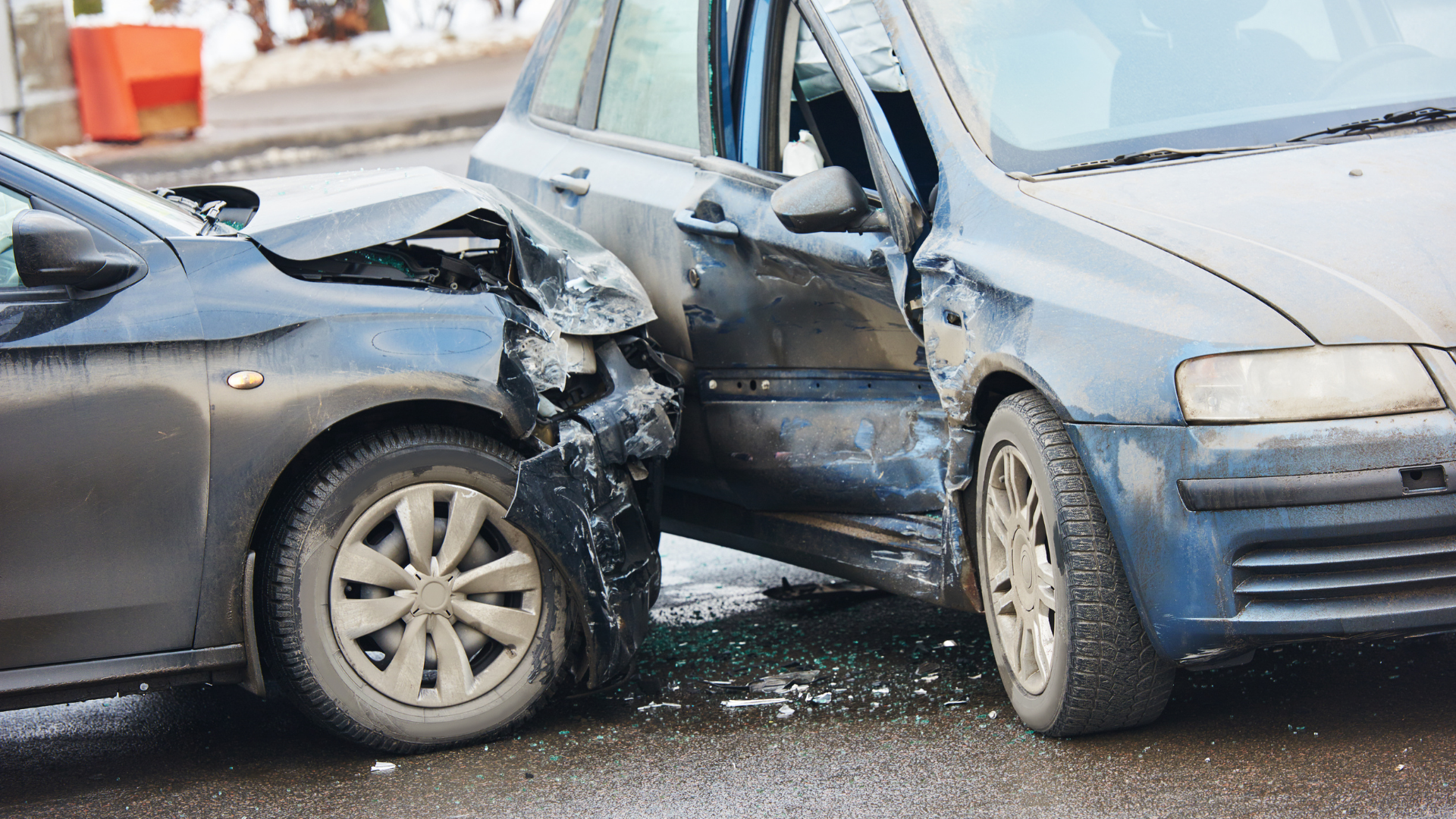
Vehicle damage can show where force entered the vehicle. Bumper damage, door crush, broken glass, deployed airbags, wheel damage, and frame concerns can support the injury story.
Take photos from several angles. Include license plates, the full vehicle, close impact points, inside damage, and debris on the road. These details help connect crash mechanics to treatment.
Repair Records Can Show Hidden Damage
Repair records may reveal hidden damage that photos miss. Alignment problems, frame damage, sensor damage, and suspension issues can show the impact involved more force than the insurer first admits.
A rideshare accident lawyer in Surprise can compare repair records with medical treatment. That comparison can help fight claims that the collision was too minor to cause injury.
Arizona Fault Rules Can Affect Compensation
Arizona fault rules can affect the value of a rideshare accident claim. Insurers may argue that more than one person caused the crash. They may blame another driver, the rideshare driver, or sometimes the injured person.
Comparative fault arguments matter because blame percentages can affect compensation. If an insurer exaggerates your share of fault, your recovery may drop. Justice On Demand can challenge fault arguments with photos, reports, app data, witness statements, and medical records.
Insurers May Shift Blame Between Drivers
In multi-vehicle rideshare crashes, each insurer may try to move fault away from its driver. One may blame the Uber driver. Another may blame the Lyft driver. Another may blame a third vehicle that left the scene.
The claim should focus on evidence, not insurer opinions. Vehicle damage, scene photos, witness accounts, and app route data can help show who created the danger.
Passengers Should Challenge Shared Fault Arguments
Passengers rarely share fault for a rideshare crash. Still, insurers may raise issues like seat belt use or unclear injury timing to reduce the claim. Those arguments need direct answers.
A passenger claim should show that the injured rider did not control the vehicle and sought care for crash-related injuries. Clear records can shut down weak blame arguments.
Fault Percentages Should Match the Evidence
Fault percentages should reflect what actually happened. They should not reflect a company’s effort to pay less. If the rideshare driver made an unsafe turn, the claim should show it. If another driver ran a light, the proof should point there.
Justice On Demand can help compare each version of events with the available evidence. That prevents the loudest insurer from shaping the claim unfairly.
Settlement Value Needs More Than Medical Bills
A rideshare accident claim value depends on more than the first medical bill. It can include future care, lost income, reduced work ability, pain, transportation costs, and daily disruption. The value should reflect what the injury took from your life.
Fast settlement offers often arrive before treatment ends. That timing benefits the insurer, not the injured person. Once you sign a release, you usually cannot ask for more money later.
Future Treatment Should Be Included
Future treatment may include therapy, imaging, follow up visits, injections, surgery consults, medication, or home care. If the settlement ignores future treatment, the injured person may pay later.
A rideshare accident lawyer in Surprise can review treatment plans before settlement talks. That review helps prevent a quick payout from leaving future costs uncovered.
Lost Wages Need Clear Proof
Lost wages can include missed shifts, reduced hours, unpaid time off, lost bonuses, and limits on future work. A strong claim uses pay stubs, employer notes, schedules, tax records, and medical restrictions.
Do not assume an insurer will calculate wage loss fairly. Provide proof and connect the time missed to the injuries from the rideshare crash.
Daily Limitations Add Human Detail
Daily limitations can show the real effect of an injury. Pain may affect childcare, housework, sleep, errands, exercise, or driving. These details help explain losses that bills alone do not show.
Write down how the injury affects normal tasks. Notes about pain, missed activities, and recovery limits can help support the demand.
Call a Rideshare Accident Lawyer in Surprise at Justice On Demand
If an Uber or Lyft crash in Surprise left you hurt, do not let the insurance companies decide the value of your claim before you know the full damage. Justice On Demand can review your ride receipt, app status, crash report, medical records, wage loss, and insurance letters before you give a recorded statement or accept money.
A rideshare accident lawyer in Surprise can help when Uber, Lyft, the driver, or another insurer starts shifting responsibility. Christian Pedersen helps injured riders, drivers, and pedestrians get clear answers after crashes near Bell Road, Loop 303, Grand Avenue, Prasada, and surrounding Surprise neighborhoods.
Justice On Demand offers free consultations, 24/7 availability, and an initial 30-day satisfactory period for new clients. Call (480) 934-0676 or contact us now to talk about your Surprise rideshare accident case.