

A truck accident in Queen Creek can put you behind a commercial insurer before you have finished dealing with your injuries, future medical treatments, and the damage to your vehicle. The driver may report to a company, the company may notify a commercial insurer, and key details about the vehicle may stay out of sight while you are still dealing with all of the losses. A truck accident lawyer in Queen Creek can help bring the driver’s actions, company involvement, insurance coverage, and vehicle condition into the same conversation before the claim gets narrowed too early.
Justice On Demand represents people injured in Queen Creek truck accidents who need the full picture examined, rather than just the version handed over by an insurer. A serious collision may raise questions about work duties, maintenance, delivery pressure, driver decisions, and the medical problems that followed the impact. Those questions deserve attention before you give statements or respond to settlement pressure. Reach out to Justice On Demand today at (480) 934-0676 for a free consultation from our truck accident lawyer in Queen Creek.
What Injured People Should Know After a Truck Accident in Queen Creek
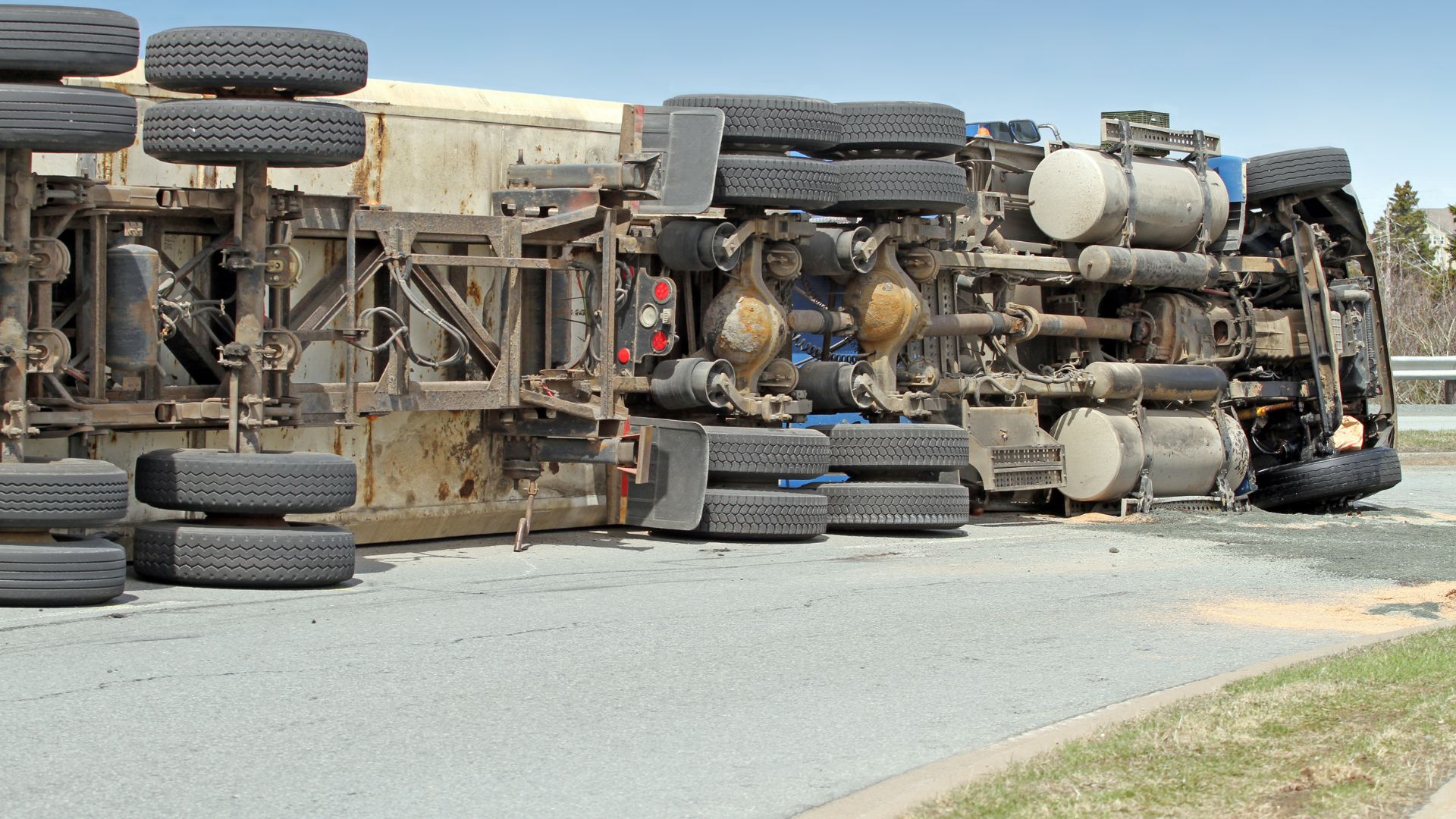
A truck accident in Queen Creek can feel confusing because several things start happening at once. Medical needs come first, yet vehicle damage, insurance calls, towing issues, and questions about the truck driver may appear almost immediately. A truck accident lawyer in Queen Creek can explain which early steps protect the claim before the other side organizes its response. Justice On Demand helps injured people understand the difference between dealing with the crash and accidentally weakening the claim afterward.
The first few days should focus on health, accuracy, and preservation. Do not rely on memory alone when pain, stress, and transportation problems are already making the situation harder to manage. Small choices after the crash, including what gets photographed, what gets reported, and what gets said to an insurer, can affect the claim later. Injured people should treat the early stage as a time to stay careful, not a time to rush through paperwork or recorded conversations.
Medical Care Before Claim Decisions
Treatment should come before any decision about settlement, blame, or long-term recovery. Truck crashes often create force that the body does not fully register during the first hour. Pain may spread, swelling may develop, and movement may become harder after the initial shock fades. A medical visit creates a record of symptoms while also giving providers a chance to identify injuries that need follow-up. Waiting too long gives an insurer more room to question whether the crash caused the pain.
Symptoms That Need Prompt Attention
Head pain, dizziness, chest discomfort, numbness, weakness, and trouble moving should never get brushed aside after a truck crash. Those symptoms may point to injuries that require imaging, monitoring, medication, or specialist care. Reporting them early gives the medical record a clearer connection to the accident.
Follow Up After Initial Treatment
The first appointment rarely answers every injury question. Follow-up care can show whether symptoms improved, worsened, or required additional treatment after a few days. Keeping those appointments helps document the recovery path instead of leaving gaps for an insurer to challenge.
Crash Details Saved Before They Disappear
The scene of a truck accident changes quickly once vehicles move, debris clears, and people leave. Photos, names, statements, and written notes often become more useful than people expect. The details worth saving include vehicle damage, truck markings, the driver’s information, visible injuries, weather conditions, and anything said at the scene. Even a short note written the same day can preserve facts that become harder to remember later. Accuracy matters because the other side may later present a version that sounds cleaner than what actually happened.
Photos Before Vehicles Move
Photos taken before vehicles move can show impact areas, resting positions, damage patterns, and the surrounding conditions. Wide photos help explain the scene, while close photos capture details that might disappear during cleanup. These images can support the claim when later descriptions conflict.
Notes About Driver Information
Truck driver information should be saved as carefully as possible. Names, license details, plate numbers, insurance information, vehicle markings, and employer details may all matter later. Written notes reduce the risk of relying on memory during a stressful recovery.
Insurance Contact After The Collision
Insurance communication after a truck crash often feels more formal than a standard accident claim. An adjuster may ask for a statement, injury update, medical authorization, or description of the crash before the injured person understands the full situation. Those requests should be handled carefully because early answers can become part of the claim record. You do not need to guess about facts, pain levels, treatment plans, or responsibility. A truck accident lawyer in Queen Creek can review what the insurer wants before rushed communication creates problems.
Recorded Statements From Adjusters
Recorded statements can lock in details before the medical picture is complete. The injured person may describe pain too lightly, forget part of the sequence, or estimate facts under pressure. Careful review helps prevent uncertain answers from becoming the insurer’s main argument later.
Medical Releases With Broad Language
Medical releases may ask for more access than the claim requires. A broad form can open unrelated records and give the insurer material to use out of context. Reading the language before signing protects privacy and keeps the claim focused.
Settlement Pressure Before Recovery Is Clear
A truck accident claim should not be rushed just because an insurer wants a fast response. Serious injuries, commercial coverage questions, vehicle damage, and missing documents can take time to sort out. The first offer or first explanation may not reflect the full picture. Injured people should be cautious when anyone pushes for closure before treatment, fault issues, and losses are better understood. A stronger claim usually develops through steady documentation rather than quick decisions.
Early Offers Before Recovery Stabilizes
An early offer may arrive before doctors know whether treatment will continue. The amount may not account for future appointments, missed work, lasting pain, or complications that appear later. Accepting too soon can close the claim before the real cost is known.
Settlement Pressure During Recovery
Settlement pressure often feels strongest when bills and missed income are already creating stress. That pressure can make a quick payment seem safer than it really is. A claim decision should wait until the injured person understands what rights and losses are involved.
How a Truck Accident Lawyer in Queen Creek Investigates Company Responsibility
Company responsibility is often the part of a truck accident claim people cannot see from the crash scene. The driver may be the person who caused the impact, but the work behind that driver can reveal deeper problems. A truck accident lawyer in Queen Creek may need to look at who owned the vehicle, who controlled the trip, who maintained the truck, and who benefited from the work being done. Those details can change the claim from a simple driver dispute into a closer review of business decisions.
A trucking company, delivery business, contractor, or vehicle owner may try to keep the focus narrow. That is why the investigation has to look beyond the first explanation given by the driver or insurer. Company responsibility depends on facts that show control, supervision, vehicle condition, and work pressure before the collision. The claim becomes stronger when those issues are identified early instead of treated as background details.
Business Control Over the Driver
The first question is often whether the driver was acting within a work role when the crash happened. A company may control assignments, schedules, vehicle use, communication, and expectations during the trip. Those facts matter because a driver’s mistake may connect back to the business that placed the truck on the road. The investigation should look at the relationship between the driver and the company before accepting a narrow insurance explanation. A truck accident lawyer in Queen Creek can review whether company control played a role in the collision.
Work Assignments Before the Crash
Work assignments can show why the truck was being operated at that time. A delivery task, service call, hauling job, or company route may connect the driver’s actions to business activity. Those facts can help determine whether the company belongs in the responsibility analysis.
Driver Instructions During the Trip
Driver instructions may reveal what the company expected before the crash. Messages, schedules, dispatch notes, or route details can show whether the driver operated under company direction. Those instructions matter when the business tries to separate itself from the collision.
Vehicle Ownership and Maintenance History
Truck ownership can reveal who had responsibility for keeping the vehicle safe. A company may own the truck, lease it, borrow it, or place it under another arrangement that affects maintenance duties. Maintenance history can show whether brakes, tires, lights, mirrors, steering, or other safety systems received proper attention. A truck accident lawyer in Queen Creek should not rely only on the outside appearance of the vehicle. Records may show problems that were missed, ignored, delayed, or repaired too late.
Service Records for Safety Issues
Service records can show whether the truck had known problems before the crash. Repeated repairs, overdue maintenance, or inspection notes may reveal safety concerns. Those records help explain whether the vehicle itself contributed to the collision.
Mechanical Problems Hidden From View
Mechanical problems are not always obvious at the scene. Brake wear, tire defects, lighting failures, and steering issues may require records or inspection to uncover. Hidden vehicle problems can change the responsibility picture when maintenance was neglected.
Delivery Pressure and Workload Demands
Pressure behind the trip can affect how a truck gets driven. A driver may face delivery expectations, repeated stops, long work hours, tight timing, or constant communication while trying to stay on schedule. Those pressures do not excuse unsafe driving, but they may explain why the crash happened. A company that pushes speed, shortcuts, or unrealistic timing can become part of the investigation. The issue is whether business demands created conditions that made unsafe choices more likely.
Schedules That Encourage Risk
Tight schedules can push drivers toward rushed decisions. Speeding, close following, rolling through stops, and distracted driving may become more likely when timing pressure controls the trip. The investigation should ask whether the schedule made safe driving harder.
Stops, Routes, and Timing Pressure
A route with repeated stops can create stress before a crash. Drivers may feel pushed to make up time, communicate with dispatch, or hurry between tasks. Those timing details can show whether the company’s expectations affected the driver’s choices.
Hiring Training and Supervision Gaps
A company’s responsibility can begin before the driver ever starts the trip. Hiring practices, training, supervision, and safety rules may show whether the business took reasonable steps before putting someone behind the wheel. A driver who lacked proper training or supervision can create danger long before the crash occurs. A truck accident lawyer in Queen Creek can review whether the company ignored warning signs or failed to enforce basic safety expectations. These issues matter because a crash may reflect more than one bad moment on the road.
Driver Qualifications and Safety Rules
Driver qualifications can show whether the person was prepared for the vehicle and work involved. Safety rules may explain what the company expected and whether those expectations were enforced. A company should not rely on written policies if no one follows them in practice.
Supervision Problems Before Impact
Supervision problems may appear through repeated complaints, unsafe habits, missed training, or ignored warning signs. A company that overlooks those problems may contribute to the danger. These details can help show whether the crash grew out of preventable company failures.
Why Truck Accident Victims Turn to Justice On Demand in Queen Creek, Arizona

Truck accident claims demand attention to details that ordinary crash claims often miss. Justice On Demand looks at the collision through the truck’s role, the company behind the vehicle, the records connected to the trip, and the physical harm left behind. A truck accident lawyer in Queen Creek should not let a commercial insurer reduce the case to a driver’s quick explanation or a repair estimate. The claim needs a full review before the company side decides which facts deserve attention.
Justice On Demand gives injured people a direct way to challenge that narrow approach. The firm focuses on the crash facts, the business connection, the medical path, and the pressure points that usually appear before settlement talks begin. A truck accident lawyer in Queen Creek brings those issues together so the claim has structure before the insurer pushes for a decision. That matters when the injured person is still dealing with treatment, missed income, transportation problems, and unanswered questions about who should be responsible.
Full Review of Truck Crash Details
A truck crash can look simple on the surface while hiding important claim issues underneath. Justice On Demand starts by separating what is known from what still needs to be found. That includes the driver’s role, the truck’s purpose, the company connection, and the records that may explain the trip. The review does not depend only on what the insurer chooses to provide first. It looks for the facts that show whether the crash resulted from more than one decision.
Facts Beyond the Driver Account
The driver’s account is only one part of the claim. A company report, vehicle record, witness detail, or damage pattern may tell a different story. Justice On Demand compares those pieces before accepting the first version offered by the other side.
Records That Reveal Company Involvement
Company involvement can appear through assignments, communications, vehicle ownership, or work purpose. Those records may show the truck operated as part of a business activity. That detail can change how responsibility gets reviewed after the crash.
Proof Against Commercial Insurance Pushback
Commercial insurers often know how to slow a claim without directly denying everything. They may request more information, question the injury timeline, shift attention to the driver alone, or avoid explaining coverage clearly. Justice On Demand responds with organized facts instead of scattered reactions to every new request. The point is to make the insurer address the claim as a truck accident, not as a routine traffic incident. Proof gives the injured person a stronger position when the company side tries to control the pace.
Coverage Positions From Multiple Sources
A truck accident may bring more than one insurance position into the claim. The driver, business, vehicle owner, or commercial policy may each create a different coverage question. Justice On Demand tracks those positions so one insurer cannot quietly pass responsibility elsewhere.
Claim Delays During Coverage Review
Coverage review can delay answers while bills and treatment continue. Those delays should not leave the injured person without direction. Consistent follow-up keeps the claim moving while the insurance side sorts through its own issues.
Injury Costs Tied to Truck Impact
Truck accidents can create injuries that disrupt more than the first week after the crash. Justice On Demand looks at treatment, pain, work limits, mobility problems, and the practical costs that develop during recovery. The force of a truck collision may explain why symptoms continue, why care becomes more involved, and why the injured person needs more than a quick settlement number. Medical records tell part of that story, but daily limits often show the rest. The claim should connect the physical impact to the real cost of recovery.
Treatment Needs After Heavy Impact
Heavy impact can lead to emergency care, imaging, therapy, specialist visits, or longer recovery. Those treatment needs should be connected to the crash through records and medical explanations. Justice On Demand reviews whether the medical timeline reflects the injury’s full effect.
Work Limits and Household Disruption
Truck crash injuries can interfere with work and ordinary responsibilities at the same time. Missed income, reduced movement, transportation trouble, and household limits can create pressure quickly. Those losses deserve attention before the insurer focuses only on bills.
Settlement Review Before the Claim Closes
Settlement decisions after a truck accident should not depend on pressure or uncertainty. Justice On Demand reviews the offer, the release language, the remaining treatment concerns, and the losses that still need attention. A settlement may close the claim permanently even when pain, bills, or work problems continue. The injured person should understand what the payment covers before giving up the right to ask for more. Careful review gives the final decision a stronger foundation than the insurer’s deadline.
Offers Compared to Actual Recovery
An offer should be measured against the injury and recovery picture. Treatment status, missed income, future care, pain limits, and unresolved expenses all affect whether the number makes sense. Justice On Demand looks at those details before settlement pressure becomes the deciding factor.
Release Terms Before Final Agreement
Release terms can end the claim once payment is accepted. Future bills or continuing symptoms may no longer create another opportunity for compensation. Understanding that language before signing helps prevent costly surprises later.
Schedule With Justice On Demand After a Truck Accident in Queen Creek For Legal Help Today
A truck accident in Queen Creek can put you in a difficult position fast. The company behind the truck may already be speaking with insurers, reviewing records, and protecting its side while you are still dealing with injuries, vehicle damage, missed work, and medical appointments. Justice On Demand works with people who need the commercial side of the claim examined before important details get pushed aside after a truck crash. A truck accident lawyer in Queen Creek helps you understand which issues deserve attention before the insurer turns the claim into a narrow settlement discussion.
You should not have to make decisions without knowing how the driver’s work, the company’s role, the truck’s condition, and your injuries fit together. A legal review early on can give you a clearer picture before you answer insurer questions, sign documents, or accept an offer. Call Justice On Demand today at (480) 934-0676 or visit our contact page for a free consultation with our truck accident lawyer in Queen Creek.