

Motorcycle crashes are often judged before the rider’s side is fully understood. A rider may have only seconds to react when a driver turns, merges, stops, or drifts too close. A motorcycle accident lawyer in East Valley can help keep the focus on what riding actually involves, including distance, balance, traffic position, road conditions, and the split-second limits a rider faces when another vehicle moves too close. Justice On Demand takes motorcycle claims seriously because the smallest mistake by another driver can create consequences the rider faces for years to come.
The aftermath can feel especially unfair when the rider is arguing against blame-shifting when it was due to the driver’s mistakes. A damaged bike may mean lost transportation, lost independence, and a sudden break from normal routines. Protective gear, missed work, medical visits, and physical limits can all tell part of the story. Call Justice On Demand today at (480) 934-0676 for a free consultation from our motorcycle accident lawyer in East Valley.
Common Causes of Motorcycle Accidents in East Valley, Arizona
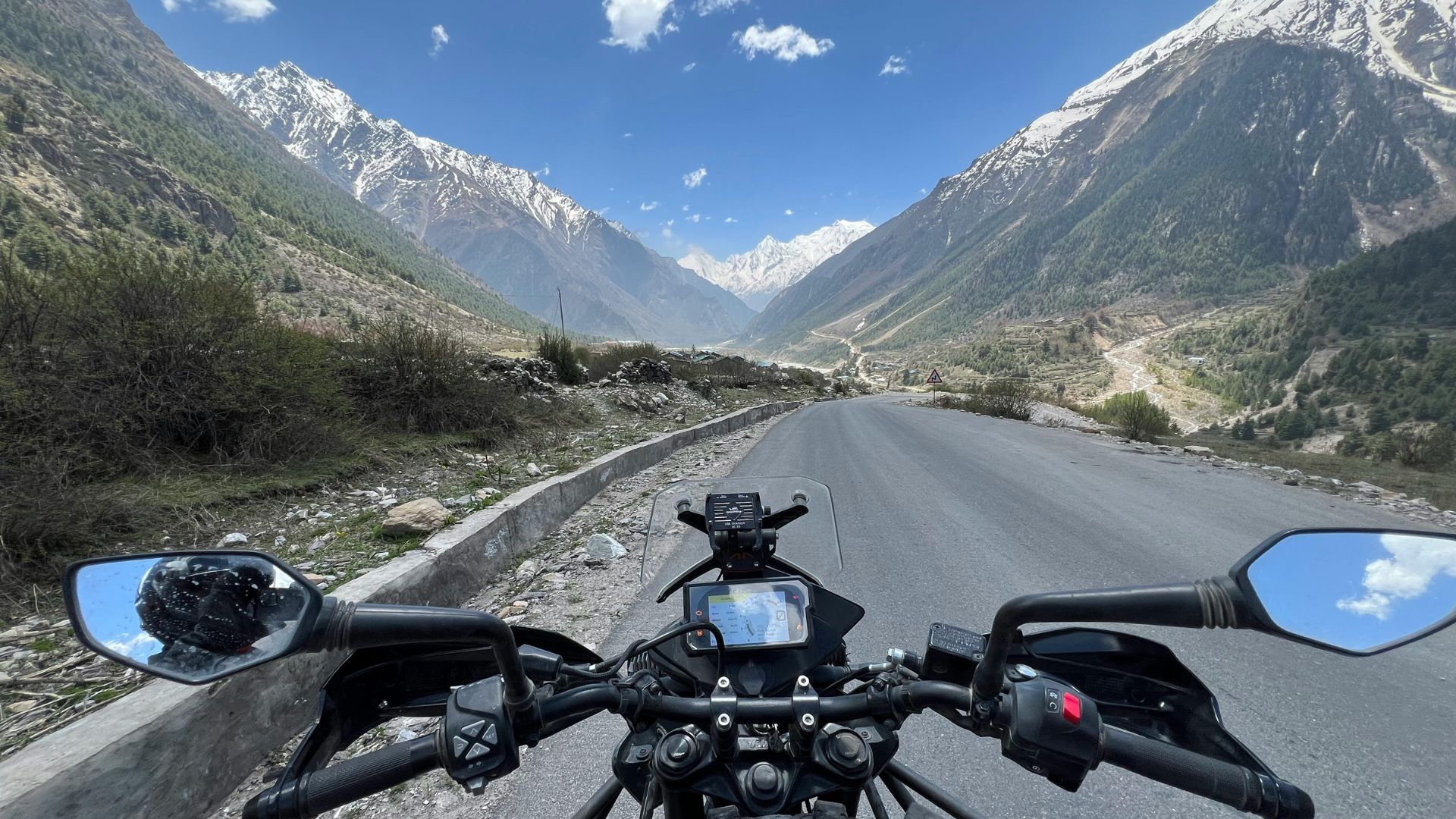
Motorcycle crashes in the East Valley often happen in ordinary traffic moments that become dangerous fast. A rider may be moving through a green light, passing a driveway, holding position beside traffic, or slowing with vehicles ahead. The cause may not be dramatic at first glance, but a small movement by another vehicle may leave the rider with almost no protection. Justice On Demand looks closely at those traffic moments because the details often explain far more than a basic report.
These cases should not be reduced to a broad statement about unsafe riding or a quick assumption about speed. Many crashes begin when another driver fails to account for the rider’s space, movement, or right of way. East Valley roads include busy intersections, shopping centers, school traffic, freeway ramps, and construction zones where motorcycles need room to react. Justice On Demand reviews the conditions surrounding the crash so the cause is not oversimplified.
Left Turns Across Rider Paths
Left turn crashes often happen when a driver crosses the rider’s path at an intersection or business entrance. The driver may believe there is enough time to turn, then misjudge the motorcycle’s distance or speed. The rider may have the right of way but still face a vehicle moving directly into the lane. These collisions may happen near traffic signals, neighborhood entrances, gas stations, or shopping plazas. A motorcycle accident lawyer in East Valley may review turning movement, lane position, signal timing, and traffic spacing after this type of crash.
Turning Vehicles With Limited Gaps
A driver making a left turn must wait for a safe opening. Problems arise when the driver accepts a narrow gap or looks past the motorcycle while watching larger vehicles. That mistake may put the rider in a position where braking or swerving cannot prevent impact.
Intersection Movement Before Impact
Intersection movement often explains how little time the rider had. Vehicle angle, turn path, braking marks, and final resting positions may help show the sequence. These details may matter when the driver claims the rider appeared suddenly.
Unsafe Merges Beside Motorcycles
Motorcycles are vulnerable when traffic tightens around them. A driver may drift within a lane, merge without enough space, or move over while the rider is already established nearby. Heavy traffic on East Valley roads may create pressure as vehicles stack near signals, ramps, and busy corridors. A rider may get boxed in by vehicles that leave no safe escape path. These crashes often depend on careful review of vehicle spacing rather than one simple impact point.
Merging Without Enough Room
Unsafe merging may force a rider toward another vehicle, curb, shoulder, or lane edge. The danger increases when the merging driver checks only for larger vehicles. A motorcycle needs space for balance and reaction, not just a narrow strip of pavement.
Lane Position Before the Merge
Lane position may show whether the rider already occupied the space. Photos, witness statements, vehicle damage, and traffic camera footage may help explain the merge. Those details may challenge a driver’s claim that the rider was not nearby.
Vehicles Pulling Out From Driveways
Many motorcycle accidents happen when a driver exits a driveway, parking lot, or side street into moving traffic. The driver may focus on a gap between cars and fail to see the motorcycle approaching. East Valley commercial areas often create this risk because vehicles enter and exit shopping centers throughout the day. A rider may have limited time to slow down when a vehicle noses forward or turns across the lane. These crashes require attention to sightlines, traffic flow, and the driver’s stopping point before entering the road.
Pullouts From Parking Areas
Parking lot exits may create sudden hazards for riders. A driver may roll forward while looking left and right, then enter traffic without fully clearing the lane. The motorcycle’s smaller profile may make that careless pullout more dangerous.
Sightlines Near Driveways
Sightlines can affect whether the driver had a reasonable view. Signs, parked vehicles, landscaping, and traffic backups may all affect visibility near a driveway. These conditions may help explain why the crash developed so quickly.
Road Hazards That Affect Rider Control
Road surface problems may affect motorcycles differently than larger vehicles. Loose gravel, uneven pavement, potholes, metal plates, pooled water, and construction debris may interfere with balance and control. East Valley riders may encounter these hazards near roadwork, older streets, drainage areas, and active commercial zones. A driver may also force a rider toward a rough shoulder or unsafe edge of the lane. The surface condition deserves attention because it may help explain why the rider could not avoid the collision.
Pavement Hazards and Rider Control
A motorcycle depends on stable contact with the road. Loose material or uneven pavement may reduce traction during braking, turning, or evasive movement. A minor surface problem for a car may become a serious hazard for a rider.
Road Conditions After the Crash
Road conditions may change quickly after a collision. Debris may get swept away, water may dry, and construction equipment may move. Prompt photos may preserve details that explain the rider’s limited options.
What Losses Can a Motorcycle Accident Lawyer in East Valley Include
Motorcycle accident losses often reach beyond the first hospital bill or repair estimate. A rider may lose the use of the bike, miss work because movement becomes limited, replace damaged gear, or need treatment that changes over several appointments. A motorcycle accident lawyer in East Valley can review those losses together instead of treating each expense as a separate inconvenience. The value of the claim may depend on how well the records explain the difference between life before the crash and life after it.
Some losses are easy to see because they arrive as invoices, receipts, or wage documents. Other losses take more explanation, especially when the injury affects riding, sleep, household routines, physical confidence, or the ability to move comfortably through a normal day. A motorcycle accident lawyer in East Valley may include both financial losses and personal harm when the facts support them. The point is not to inflate the claim, but to make sure the impact is not reduced to the cheapest number available.
Medical Treatment Costs Throughout Recovery
Medical expenses may begin with emergency treatment, but many motorcycle injuries continue developing after the first visit. Follow-up appointments, imaging, therapy, medication, specialist care, and mobility equipment may all become part of the recovery record. A rider may also need wound care, orthopedic evaluation, or treatment for pain that becomes worse after daily movement returns. These costs should be reviewed together because one appointment rarely shows the entire injury picture. A claim becomes more accurate when treatment records show both immediate care and ongoing recovery needs.
Future Treatment Needs After Motorcycle Injuries
Future treatment may become important when symptoms do not resolve quickly. A doctor may recommend additional therapy, injections, surgery, imaging, or specialist review. Including those expected needs helps prevent the claim from overlooking care that has not happened yet.
Recovery Costs That May Appear Later
Some recovery costs appear later in the process. A rider may need more appointments, additional medication, or equipment after the initial treatment stage. Those future costs can affect the claim’s overall value.
Lost Income and Work Restrictions After a Crash
A motorcycle crash may affect income even when the rider returns to work. Reduced hours, missed overtime, changed duties, used leave time, and unpaid appointments may all create financial strain. Some riders continue working while avoiding lifting, driving, standing, climbing, or tasks that require steady movement. These work limits may not appear in a simple paycheck comparison unless the records explain what changed. Income loss should reflect the actual effect on the rider’s job, not only the days completely missed.
Pay Records With Work Loss Context
Pay records become more useful when they show the reason for the loss. Time sheets, employer notes, schedule changes, and wage statements may explain missed income with more accuracy. Those details help distinguish crash-related loss from ordinary schedule changes.
Reduced Earning Capacity After Serious Injury
Reduced earning capacity may matter when the injury affects future work. A rider may lose access to physically demanding tasks, overtime opportunities, or job duties that once provided steady income. This loss may require medical and employment details together.
Motorcycle Damage and Protective Riding Gear
Motorcycle property damage may include more than the bike itself. Helmets, jackets, gloves, boots, pants, communication devices, saddlebags, and other riding equipment may be damaged during the crash. Protective gear often costs more than people outside the riding community expect, and replacement may be necessary after impact. The motorcycle may also require specialized repair, storage, towing, inspection, or total loss review. These losses matter because the rider’s transportation and safety equipment may both be affected at once.
Gear Replacement After Crash Impact
Damaged gear should be documented before it gets discarded. A helmet, jacket, gloves, or boots may show contact points and crash force. Replacement receipts may also show the cost of restoring basic riding protection.
Bike Repairs and Total Loss Review
Motorcycle repair issues may differ from ordinary vehicle repairs. Frame damage, wheel alignment, fork problems, fairing damage, and safety inspections may affect whether the bike can be ridden safely. Those details may support repair or total loss valuation.
Pain and Daily Life Disruption
Pain after a motorcycle crash may affect ordinary life in ways that do not fit neatly into bills. A rider may struggle with sleep, balance, walking, driving, personal care, household tasks, or returning to activities that once felt normal. These disruptions may last weeks or months depending on the injury and recovery path. They may also affect independence, especially when the rider needs help with tasks that were routine before the collision. A motorcycle accident claim should explain these effects with specific examples instead of vague statements.
Physical Limits During Everyday Tasks
Physical limits often show the practical weight of the injury. Trouble bending, showering, dressing, climbing stairs, or sitting through work may reveal the crash’s ongoing effect. These details help explain harm that bills alone cannot show.
Personal Changes After the Motorcycle Crash
Personal changes may affect how recovery feels day to day. A rider may avoid traffic, stop riding, cancel plans, or rely on others for basic errands. Those changes may support a fuller view of the injury.
How Justice On Demand Approaches Complex Motorcycle Accident Claims in East Valley

Motorcycle claims require a legal review that understands how different riding is from driving a passenger vehicle. Justice On Demand looks at rider position, traffic movement, impact angle, gear damage, roadway conditions, and the driver behavior that created the danger. The firm does not treat the motorcycle as a smaller version of a car, because balance, visibility, braking, and exposure change the entire claim. A motorcycle accident lawyer in East Valley can use those differences to explain why the crash caused serious harm.
This approach also helps when the rider’s experience gets minimized or misunderstood. A driver may describe the motorcycle as sudden, fast, or difficult to see, even when the rider followed traffic rules and had limited options. Justice On Demand reviews the claim with attention to what the rider could actually do in the moment before impact. That review helps keep the case grounded in riding conditions instead of assumptions made after the collision.
Rider Perspective During the Collision
A motorcycle crash should be reviewed from the rider’s position, not only from the driver’s seat of another vehicle. Justice On Demand considers what the rider could see, where the motorcycle was positioned, how traffic was moving, and whether the rider had enough space to brake or avoid impact. A rider may have only a narrow window to react when another vehicle turns, merges, or enters the lane. Those details can change how the collision is understood. A motorcycle accident lawyer in East Valley can help explain the crash through the realities of riding.
Traffic Space Around the Motorcycle
Traffic space matters because motorcycles need room to stay balanced and react safely. A car that drifts, turns wide, or moves too close may remove the rider’s escape options. Reviewing surrounding traffic helps show whether the rider had a reasonable chance to avoid the crash.
Rider Options Before Impact
The rider’s options may have been extremely limited. Braking, swerving, or holding position can each carry risk when traffic surrounds the motorcycle. Those split-second limits deserve attention during claim review.
Motorcycle Damage and Impact Pattern Review
Motorcycle damage can help explain how the crash unfolded. Justice On Demand looks at where the bike was struck, how it fell, which parts were damaged, and whether the impact pattern matches the driver’s account. A motorcycle may show scrapes, bends, broken controls, crushed fairings, or wheel damage that help explain movement before and after contact. Gear damage may also show where the rider hit the ground or vehicle. These details can support the claim when written descriptions do not tell enough.
Bike Damage With Crash Context
Bike damage should be reviewed with the collision circumstances in mind. A broken mirror, damaged foot peg, bent handlebar, or scraped fairing may help show the direction of force. These details can add context to the rider’s account.
Gear Damage After Rider Contact
Protective gear may tell part of the impact story. A scraped helmet, torn jacket, damaged gloves, or cracked boot may show how the rider contacted the road. Preserving gear can help document crash severity.
Medical Progression After Motorcycle Injuries
Motorcycle injuries may change as the body responds to impact. Justice On Demand reviews the medical progression rather than focusing only on the first visit. A rider may develop worsening pain, stiffness, swelling, numbness, headaches, wound complications, or mobility problems after the initial shock fades. Follow-up care can show how the injury affected work, sleep, movement, and daily routines. This review helps connect the medical record to the rider’s actual recovery.
Symptoms That Develop Over Time
Symptoms may not appear fully at the scene. Road impact, twisting motion, and sudden force can create pain that worsens after normal movement returns. Later symptoms should be documented so the injury course remains understandable.
Follow-Up Care and Recovery Limits
Follow-up care can reveal recovery limits that one appointment misses. Therapy notes, imaging, specialist visits, and work restrictions may show how long the injury lasted. Those records help explain the claim with greater accuracy.
Driver Explanations Tested Against Riding Facts
Driver explanations after a motorcycle crash may leave out important riding realities. A driver might say the motorcycle appeared suddenly, changed position quickly, or seemed farther away than it actually was. Justice On Demand compares those statements with lane position, traffic spacing, signal timing, vehicle movement, and physical damage. The review focuses on whether the driver’s explanation fits the facts. A motorcycle accident lawyer in East Valley can help challenge incomplete accounts when they ignore the rider’s perspective.
Statements That Oversimplify the Crash
A short driver statement may make the crash sound unavoidable. That description may not address the rider’s right of way, distance, speed, or available reaction time. Testing the statement against the facts helps prevent oversimplification.
Riding Conditions Behind the Claim
Riding conditions may explain why the rider could not avoid impact. Traffic density, road surface, lane width, and vehicle movement may limit safe choices. These details should remain part of the claim discussion.
Case Preparation With Rider-Specific Detail
Justice On Demand prepares motorcycle claims by focusing on the details that make rider injuries different. The firm reviews the bike, gear, treatment path, work effects, mobility limits, and the specific traffic movement that caused the collision. This preparation helps the claim avoid generic language that could apply to any accident. It also helps explain why a motorcycle crash can create serious disruption even when the collision description sounds brief. The case becomes stronger when the rider’s experience is presented with accuracy and detail.
Claim Details Built Around Riding
Motorcycle claim details should reflect how the crash affected the rider. Lost transportation, damaged gear, physical limits, and hesitation returning to traffic may all matter. These issues help show the difference between a routine vehicle claim and a rider injury claim.
Focused Review Before Major Decisions
A focused review helps prevent rushed decisions. The claim should account for the rider’s medical course, bike damage, gear replacement, and daily limits before major choices happen. That preparation helps the case move with more accuracy.
Talk Through Your East Valley Motorcycle Crash With Justice On Demand
A bike accident can leave behind proof such as scraped gear, bent controls, road rash, and pain that changes by the hour may show how hard the crash hit your life. Those details matter because motorcycle claims often turn on small moments, tight spaces, damaged gear, and road position. Justice On Demand takes those details seriously during a free consultation.
Bring to the consultation the photos, the repair estimate, the helmet, the insurance messages, or simply the parts you remember from the ride before impact. A motorcycle accident lawyer in East Valley can help sort through what happened without forcing your claim into the same box as an ordinary car crash. Call Justice On Demand today at (480) 934-0676 or visit our contact page to speak with our lawyer and learn how we can help you with your injury claim.