

The moments after a car accident in Queen Creek can be very overwhelming, with medical bills, injuries, and insurance pressure all coming at once. Details can become disputed, pain can get worse, and insurance calls can start before you fully understand what the crash changed. You might be waiting on a repair estimate, missing work, or deciding whether the pain is serious enough for another medical visit. A car accident lawyer in Queen Creek can help you handle those early decisions before they start affecting the claim.
Justice On Demand works with drivers and passengers who need straight answers after a collision, not pressure from an insurance company trying to close the file quickly. Your claim may depend on what you say, what you save, and how soon your injuries are documented. The goal is to protect the facts before they get buried under paperwork, phone calls, and settlement pressure. Call Justice On Demand today at (480) 934-0676 for a free consultation with our car accident lawyer in Queen Creek.
What To Do Immediately After a Car Accident in Queen Creek, Arizona
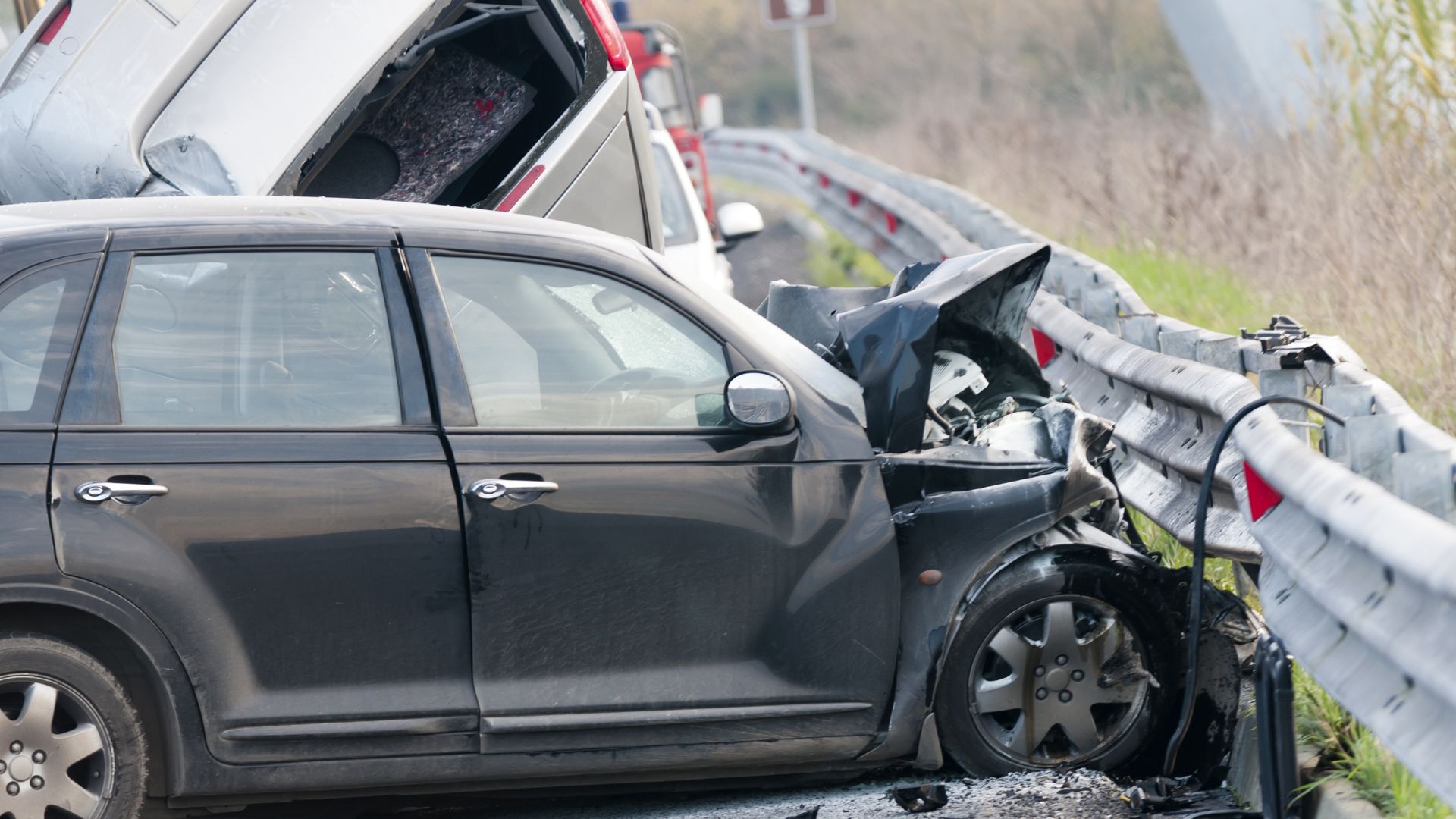
The first steps after a Queen Creek crash should be practical, not rushed. Start with safety, medical needs, and the basic facts of what happened before the scene changes or memories blur. If injuries, vehicle damage, or a dispute over fault already exists, the claim can begin taking shape before anyone mentions settlement. A car accident lawyer in Queen Creek at Justice On Demand can later use those first details to understand how the collision happened and what problems followed.
This section is not about turning every crash into a legal fight. It is about avoiding preventable mistakes during a stressful moment when the other driver, police, tow companies, medical providers, and insurers may all become involved. Justice On Demand encourages injured drivers and passengers to protect their health first and preserve what they reasonably can. The final step is getting legal guidance before insurance pressure turns early confusion into a weaker claim.
Move to Safety and Check Injuries
Safety comes before any insurance question after a crash. Move out of active traffic if the vehicles can be moved safely, and check whether anyone needs urgent medical attention. Pain, dizziness, bleeding, confusion, chest discomfort, or trouble moving should be treated seriously from the beginning. Some people feel embarrassed about asking for help at the scene, but shock can hide injuries that become worse later. The first few minutes should focus on people, not property damage.
Emergency Help After Serious Crashes
Emergency help should be requested when anyone appears hurt, or the scene creates danger. Police and medical responders can help manage traffic, document the crash, and evaluate injuries. Their involvement also creates records that may become important if the claim is disputed later.
Pain That Appears Later
Pain does not always arrive at full strength immediately after impact. Neck stiffness, headaches, back pain, soreness, and dizziness may develop after adrenaline fades. Paying attention to delayed symptoms helps protect both your health and the accuracy of the claim.
Exchange Information Without Arguing Fault
The information exchange should stay calm and focused. Get the other driver’s name, contact information, insurance details, license plate, and vehicle description when it is safe to do so. Avoid debating blame at the scene because stress, anger, and incomplete facts can lead to statements that do not reflect what actually happened. A simple apology or guess about fault may later be repeated by an insurer in a way that hurts the claim. Keep the conversation limited to necessary details and let the evidence speak later.
Driver Details and Insurance Information
Driver and insurance details give the claim a starting point. Photos of the license plate, insurance card, vehicle damage, and driver information can reduce mistakes from handwritten notes. Saving those details early helps prevent confusion if the other driver becomes difficult to reach later.
Statements Made Under Stress
Stress can make people say things they do not mean. A driver may apologize, guess, or minimize pain because the moment feels overwhelming. Careful communication protects the claim from words spoken before the facts are clear.
Photograph the Scene Before It Changes
Photos can preserve the crash scene in a way memory cannot. Vehicle positions, impact damage, debris, traffic signs, lane markings, weather conditions, and visible injuries may all matter later. Take wide shots and closer photos if you can do so safely without interfering with traffic or responders. The goal is not to create a perfect investigation, but to capture what is still visible before vehicles move and cleanup begins. Those images can help explain the collision when the insurance company reviews the claim weeks later.
Vehicle Damage From Multiple Angles
Vehicle damage can show where the impact occurred and how the crash unfolded. Photos from several angles may reveal contact points, broken parts, paint transfer, and damage patterns. These details can support the claim when the other driver gives a different version of events.
Scene Details Often Missed
Small details may matter more than they seem at first. Skid marks, broken glass, traffic controls, road conditions, and nearby obstructions can all help explain the crash. Capturing those details early prevents the claim from relying only on later descriptions.
Contact a Lawyer Before Insurance Pressure Builds
Insurance companies may contact you before you know the full effect of the crash. An adjuster may ask for a recorded statement, medical update, repair decision, or settlement discussion while your injuries and vehicle issues are still developing. A car accident lawyer in Queen Creek can help you understand what to say, what to save, and what should wait until more information is available. Calling a lawyer does not mean the claim has to become complicated. It means you are getting answers before the insurance company starts setting the terms.
Recorded Calls From Adjusters
Recorded calls can create problems when they happen too early. You may not know the full injury picture, exact crash details, or future treatment needs yet. Speaking carefully keeps an insurer from using incomplete answers against you later.
Early Offers Before Treatment Ends
Early offers may arrive before doctors know how long recovery will take. A quick payment can feel helpful when bills and vehicle problems are already stressful. Settlement decisions should wait until the losses are better understood.
How a Car Accident Lawyer in Queen Creek Proves Fault After a Crash
Fault after a crash rarely comes from one document or one driver’s explanation. The stronger picture usually comes from matching physical damage, traffic movement, witness details, medical timing, and insurance statements against each other. A car accident lawyer in Queen Creek looks for the pieces that agree, the details that conflict, and the gaps that need follow-up before blame gets assigned unfairly. This kind of review matters when the other driver gives a polished version of events before the facts are fully organized.
Proving fault also requires separating what someone believes happened from what the record actually supports. A driver may insist they had enough room, followed the rules, or reacted as quickly as possible, but crash details can tell a different story. The claim becomes stronger when each point of responsibility connects to something specific rather than a general accusation. A car accident lawyer in Queen Creek can use that structure to challenge weak denials and keep the focus on the conduct that caused the collision.
Vehicle Damage That Reconstructs the Crash
Vehicle damage can say a lot before anyone explains the crash. Scrapes, dents, broken lights, crushed panels, and paint transfer may show where the vehicles made contact and how they moved afterward. The location of the damage can support or weaken claims about lane position, turning movement, speed, and driver reaction. Photos from different angles often help preserve those details before repairs begin. A fault argument becomes harder to ignore when the physical damage matches the injured person’s account.
Impact Points on Both Vehicles
Impact points help show where the collision started. Damage to the front, rear, side, or corner of each vehicle may support a specific crash sequence. Comparing both vehicles can reveal problems with a driver’s version of events.
Paint Transfer and Broken Parts
Paint transfer can connect the vehicles and show the direction of contact. Broken parts may also help explain force, angle, and the point of impact. These details matter when a driver tries to shift blame without physical support.
Traffic Violations Behind the Collision
Fault often depends on which driver failed to follow the rule that applied in that moment. A crash may involve unsafe turns, following too closely, failure to yield, distracted driving, improper lane movement, or driving too fast for conditions. The rule matters because it gives the claim a concrete standard instead of a general complaint about carelessness. Once that standard is identified, the facts can be measured against it. A car accident lawyer in Queen Creek can use this approach to show why one driver’s actions created the collision.
Failure to Yield Before Impact
Failure to yield can create dangerous situations during turns, merges, parking movements, and intersection travel. The driver who should have waited may later claim the other vehicle appeared suddenly. Crash details, witness accounts, and damage patterns can test that explanation.
Unsafe Turns and Lane Changes
Unsafe turns and lane changes often happen because a driver misjudges distance or fails to look carefully. These movements can leave little time for the other driver to avoid impact. The fault review should focus on whether the movement was reasonable before the crash occurred.
Witness Statements That Confirm Movement
Witnesses can help explain movement that the drivers remember differently. A person nearby may have noticed which vehicle entered first, whether a signal was used, or whether one driver appeared distracted. Good witness details usually describe actions rather than opinions about who was right. Those details become more useful when they match vehicle damage and the timing shown in other records. A car accident lawyer in Queen Creek can compare witness statements against the rest of the claim instead of treating any single account as final.
Independent Accounts After the Crash
Independent accounts can carry weight because the witness usually has no personal stake in the outcome. Their observations may confirm direction of travel, vehicle position, traffic control, or driver behavior. The most useful statements describe what the witness saw before impact.
Memory Checked Against Physical Evidence
Memory can fade or change after a stressful event. Physical evidence helps test whether a witness account fits the crash scene and vehicle damage. A stronger fault argument uses both memory and proof together.
Insurance Arguments That Shift Blame
Insurance companies may accept that a crash happened while still denying that their driver caused it. They may argue that both drivers share blame, that injuries do not match the impact, or that the available facts are too unclear. These disputes can affect settlement value before the injured person understands why the claim changed direction. A response should address the insurer’s specific argument instead of repeating the same general statement about fault. A car accident lawyer in Queen Creek can organize the proof so the responsibility argument becomes harder to minimize.
Blame Shifting in Claim Reviews
Blame shifting often starts with small details from early conversations. An insurer may focus on timing, speed, attention, or an uncertain statement made shortly after the crash. Those details need context before they become the main story.
Fault Arguments Without Support
Unsupported fault arguments should not decide the claim. An insurer may raise doubt without showing evidence that actually changes responsibility. A documented response can expose weak arguments before they reduce the claim unfairly.
What Compensation Can Justice On Demand Pursue for a Queen Creek Car Accident Claim

A car accident claim should not stop at the repair estimate or the first bill that arrives in the mail. Justice On Demand looks at the financial pressure, medical disruption, work problems, and daily setbacks connected to the crash. A car accident lawyer in Queen Creek can place those losses into a claim that reflects more than the visible vehicle damage. The goal is to show the full cost of the collision before an insurer treats the case like a quick payout.
Compensation depends on the records behind the claim and the way the crash changed the injured person’s life. A serious collision might create weeks of appointments, reduced income, physical limits, and expenses that keep appearing after the first insurance call. Justice On Demand weighs those details against the facts of the crash and the available coverage. A car accident lawyer in Queen Creek can pursue compensation that accounts for both immediate losses and problems that continue during recovery.
Medical Bills From Crash Treatment
Medical costs after a crash often begin before the injured person understands how long recovery will take. Emergency evaluation, clinic visits, imaging, medication, physical therapy, injections, specialist care, and follow-up appointments can all become part of the claim. The bill total matters, but the treatment path matters too because it shows how the injury developed over time. Justice On Demand looks at whether the medical record explains the pain, limitations, and care needs tied to the crash. A stronger claim connects treatment to the collision instead of leaving each appointment to stand alone.
Emergency Care and Follow-Up Visits
Emergency care creates the first medical record after many crashes. Follow-up visits show whether pain continued, spread, improved, or required additional treatment. Together, those records help explain the recovery timeline beyond the first day.
Treatment Costs Still Ahead
Future care deserves attention before settlement talks close the claim. Doctors might recommend therapy, imaging, medication, injections, or additional appointments after symptoms continue. Those expected costs should be reviewed before the insurer pushes for a final number.
Income Losses After Missed Work
A crash can affect income quickly when pain, appointments, or transportation problems interrupt the workweek. Lost wages might include missed shifts, unpaid leave, reduced hours, overtime losses, commissions, or schedule changes that affect earnings. Some workers return before they feel ready because bills keep arriving and time away from work feels risky. Justice On Demand looks at the work records and medical restrictions behind those losses, not just the number of days missed. Compensation should reflect the way the crash disrupted the injured person’s ability to earn.
Pay Records and Employer Notes
Pay records help show the income lost after the crash. Employer notes can explain missed time, reduced duties, changed schedules, or unpaid leave. Medical restrictions can support why the injured person could not work normally.
Reduced Hours During Recovery
Reduced hours often continue after someone returns to work. Pain, fatigue, therapy appointments, and movement limits can make a full schedule difficult. Those partial losses still matter when the crash changed earning ability.
Daily Life Disruption From Injuries
Not every loss from a car accident appears on a bill. Pain can change sleep, driving, errands, childcare, exercise, household chores, and the patience needed to get through an ordinary day. Those changes matter because recovery reaches into routines that insurance paperwork often ignores. Justice On Demand looks for concrete details that show how the injury affected life outside medical appointments. A claim becomes more complete when it explains the daily burden created by the crash.
Pain During Ordinary Tasks
Pain during normal tasks can show how deeply the injury affects daily life. Sitting in a vehicle, lifting groceries, walking through a store, or getting dressed can become harder after a crash. These details help explain the injury in practical terms.
Sleep Problems and Activity Limits
Sleep problems can make recovery harder and affect mood, focus, and energy. Activity limits can keep someone away from exercise, family plans, errands, or basic household responsibilities. Notes about these limits can support the personal impact of the claim.
Vehicle Costs and Added Expenses
Transportation problems often create stress before the injury claim reaches any resolution. Repair bills, rental costs, towing, storage fees, replacement transportation, medical travel, prescriptions, braces, and other expenses can build around the larger injury losses. Some costs look small by themselves, but together they show how the crash affected the injured person’s budget. Justice On Demand looks at these records so accident-related expenses do not disappear during settlement review. A car accident lawyer in Queen Creek can include documented practical costs when they connect to the crash.
Repair Bills and Rental Costs
Repair bills show the cost of restoring or replacing damaged property. Rental costs and transportation expenses show how the crash affected mobility while the vehicle was unavailable. Keeping every receipt gives the claim a stronger financial record.
Receipts for Smaller Losses
Smaller losses often get overlooked when medical bills dominate the claim. Prescriptions, parking, rides, medical supplies, and replacement items can add up during recovery. Saving receipts helps keep those expenses from being dismissed later.
Start Your Free Case Review With Justice On Demand’s Car Accident Lawyer in Queen Creek
A Queen Creek crash can create problems that do not wait for the insurance process to catch up. Your vehicle may be unavailable, your body may feel worse than it did at the scene, and the first paperwork you receive may not explain what your claim is actually worth. Justice On Demand works with injured drivers and passengers who need the crash, treatment, wage loss, and vehicle issues looked at together before any decision becomes final. A car accident lawyer in Queen Creek can help you understand where the claim stands and what should be addressed next.
You should understand and account for all your losses before you accept an early settlement offer. That includes the treatment still ahead, the income already missed, the transportation problems still affecting your week, and the pain you are still managing outside medical appointments. Call Justice On Demand today at (480) 934-0676 or visit our contact page for a free consultation with our car accident lawyer in Queen Creek.