


A FedEx truck can total your car in seconds and leave you with questions no insurance adjuster wants to answer. If you are searching for a FedEx Truck Accident Lawyer in Phoenix, you already sense the problem. The driver might work for FedEx itself, or for a contractor you have never heard of. That single fact decides who pays for your medical bills, your lost paychecks, and your pain.
You do not have to untangle any of it alone. Justice On Demand represents people hurt by delivery trucks across Phoenix and the Valley, and attorney Christian Pedersen built the practice around fast action while evidence still exists. Take five minutes and learn how delivery truck accident claims work before any insurance company gets you on the phone.
This page walks you through the whole fight. You will see where these crashes happen, who actually pays, what evidence vanishes first, and what your claim needs from day one. Read it, then act on it.
Better yet, get answers now. Justice On Demand offers free consultations, answers calls 24/7, and begins each new case with an initial 30-day satisfactory period. Call (480) 934-0676 before the delivery company’s insurer calls you.
Why You Need a FedEx Truck Accident Lawyer in Phoenix After a Delivery Truck Crash
Delivery claims punish people who wait. The company knows within hours that one of its trucks hit someone, and its insurer starts shaping a defense while you sit in an urgent care lobby. Justice On Demand exists to close that gap.
Consider what you are up against. This is not a fender bender between two neighbors with personal auto policies. A delivery crash claim runs through corporate insurance, contractor agreements, and adjusters who handle these files every week. You need a FedEx Truck Accident Lawyer in Phoenix who reads those documents for a living and finds every policy that applies.
Where FedEx Trucks Crash in the Valley
Delivery vans spend their days on the streets where you live. They thread through neighborhoods off Loop 101, Loop 202, and US-60, squeeze into tight cul-de-sacs, and reverse out of driveways from Glendale to Gilbert. They double-park near apartment complexes, cross school zones between stops, and pull to curbs on streets never designed for constant mid-block stops. Holiday surges pack extra deliveries into the same routes, and stop-and-go arterial traffic fills the gaps between them.
Picture a Tuesday evening in December. A delivery van pauses mid-block on a Mesa street while the driver hunts for a house number, and the car behind it has no time to react. Justice On Demand investigates crashes exactly like that one all over the Valley. State data shows the scale. ADOT’s 2024 Arizona Crash Facts counted 14,069 trucks and buses involved in Arizona crashes, and that figure covers all commercial trucks statewide because no public database breaks out FedEx-specific numbers.
Why Claims Against Big Delivery Companies Get Complicated Fast
Three layers stand between you and a fair payout. You have to pin down which FedEx network the truck belonged to. You have to identify the driver’s real employer, which may be a business with a name you would not recognize. Then you have to find the insurance behind that employer and press it for full value.
Each layer gives the defense a chance to point somewhere else. Miss one, and your claim stalls for months while medical bills keep arriving. The adjuster may also request a recorded statement early, hoping you lock in details before you understand who you are even dealing with. Justice On Demand works those layers at the same time, so the defense cannot slow you down with its own corporate paperwork.
Who Pays After a Crash and How a Phoenix FedEx Truck Accident Attorney Finds Out
Start with the truck itself. Two FedEx networks deliver through Phoenix, and they employ drivers in completely different ways. Who pays after your crash is a fact question. It depends on which network the truck belonged to, who employed the driver, and how much control the company held over the work.
Justice On Demand digs into those facts before accepting anyone’s easy answer. The logo on the door tells you almost nothing by itself. One question drives the entire investigation. Who controlled the driver’s work on the day of your crash? Contracts, handbooks, and dispatch records answer it, and the answer points straight at the coverage.
FedEx Express Drivers as Company Employees
FedEx Express drivers work directly for FedEx as company employees. That matters because of vicarious liability, the legal rule that makes an employer answer for harm an employee causes while doing the job. When an on-duty Express driver causes your crash, your claim may reach the company itself rather than stopping at the person behind the wheel.
Justice On Demand confirms employment status early and in writing. Scope of employment – the question of whether the driver was on the clock and mid-route – decides how far vicarious liability reaches. An Express driver running a scheduled route down US-60 at 2 p.m. sits squarely inside it. Pin those facts down fast, and the defense loses room to blur them later.
FedEx Ground Routes Run by Independent Service Providers
Most FedEx Ground routes run on a different model. Independent Service Providers handle them. An Independent Service Provider is a separate business that contracts with FedEx Ground, hires its own drivers, and delivers packages under the FedEx name. So the van that hit you can carry the FedEx logo while the driver’s paycheck comes from a small company you have never seen listed anywhere.
Several different contractors can run routes out of a single Phoenix terminal, which makes naming the right business the first real test of your claim. The firm identifies the actual employer through contracts and payroll records, not the logo on the door. That identification step sets up everything that follows in your claim, from the demand letter to the lawsuit caption.
Why the Contractor Model Changes Your Claim
An independent contractor is a person or business that a company hires to do work without making them an employee. Companies generally carry less legal responsibility for a contractor’s mistakes than for an employee’s, and defense lawyers lean on that difference hard. So the first fight in a FedEx Ground case often centers on control.
Control shows up in the details. Routes, schedules, uniforms, scanners, and service standards all reveal how much say the company kept over daily work. A lawyer who proves deep control can argue for shared responsibility, and that argument rests on documents rather than labels. No one should tell you FedEx always pays or never pays. The real answer comes from the facts of your specific crash, and Justice On Demand goes and gets those facts.
Commercial Insurance Policies Behind Delivery Fleets
Commercial auto policies stand behind delivery fleets, and your claim may involve the contractor’s commercial policy, coverage connected to FedEx, or both at once. Excess and umbrella policies can sit above the primary coverage too, waiting for claims large enough to reach them. Sorting that out takes policy language, contract terms, and persistence. Nobody hands you this information as a courtesy.
Take a real-world setup. A Ground driver clips your car on Baseline Road in a branded van, and the contractor’s insurer steps up while staying quiet about other coverage that could apply to the same wreck. Justice On Demand puts every coverage question in writing, because you cannot pursue a policy nobody disclosed.
What Causes the Delivery Truck Crashes a FedEx Accident Lawyer in Phoenix Sees Most
Speed built the delivery business, and speed causes most of its wrecks. Hundreds of daily stops, tight windows, and package counts that spike every holiday season put real pressure on every driver in the Valley. That pressure shows up in crash reports across Phoenix.
Justice On Demand looks for the cause behind the cause. A rear-end collision is rarely the full story when the driver still had dozens of stops ahead and a scanner tracking every minute. Prove the pattern, and one crash becomes a documented company problem instead of a one-off mistake.
Delivery Deadlines and Driver Pressure
Deadline pressure changes how people drive. A driver running behind takes chances a careful driver never would, and Valley neighborhoods see it every December when package volume surges. Stop counts and time-per-stop metrics sit in company systems, quietly documenting the pace. Watch for the crash patterns that pressure creates.
- Sudden stops in live traffic lanes when a driver spots an address at the last second
- Mid-block U-turns into oncoming traffic after a missed house number
- Rolling stops at neighborhood intersections between clustered deliveries
- Quick pull-outs from driveways and curbs without a full mirror check
- Speeding on arterial stretches to recover time lost at earlier stops
Every pattern on that list leaves a trail. Scanner timestamps show the pace. Telematics, the onboard electronics that log speed, braking, and location, show how the van moved. Justice On Demand connects that trail to the pressure that produced it.
Backing Crashes on Residential Streets
Delivery vans reverse constantly, and a loaded van hides a lot behind its rear doors. Tight cul-de-sacs in Ahwatukee, short driveways in Tempe, and cars parked on both sides of central Phoenix streets all force backing maneuvers. Each one puts pedestrians, cyclists, and passing cars into a blind zone the driver chose to back through.
A driver reverses out of a Gilbert cul-de-sac at dusk while a cyclist rolls past the driveway. That kind of delivery van wreck takes two seconds, and an insurer can blame the cyclist by lunchtime. Justice On Demand moves immediately to request onboard camera footage and neighborhood video before it disappears.
Distracted Driving Between Stops
Between stops, a delivery driver’s attention splits three ways. The road, the scanner, and the next address all compete, and attention to the road often comes last. Many vans mount the scanner or route screen within arm’s reach, which keeps eyes drifting off the road between houses. Add a personal phone, and a short residential block gives a distracted driver no room to recover.
Phone logs and device records can show exactly where a driver’s attention went in the seconds before impact. The firm asks for them early, before anyone claims those records no longer exist.
What Evidence Does a FedEx Truck Accident Attorney in Phoenix Collect
Evidence decides delivery cases. Most of it sits in the company’s hands, and none of it reaches you automatically. A preservation letter, a formal demand that a company keep specific records intact, changes that.
Send that letter late and the most useful records may already be gone. Here is what deserves protection within days of a FedEx crash.
- Route manifests that show every planned stop and the time pressure behind the route
- Package scanner timestamps that place the driver at exact locations minute by minute
- Telematics data recording speed, braking, and GPS position before impact
- Onboard camera footage facing the road and sometimes the driver
- Dispatch records and messages between the driver and the terminal
- Driver phone logs that reveal calls or texts in the moments before the crash
Stack those records next to the police report, and witness statements, and the crash stops being your word against a corporate denial. Justice On Demand sends preservation demands early because systems overwrite route data and recording loops erase footage while claims sit idle.
Route Logs Delivery Scanners and Telematics
Every delivery leaves a timestamp. Scanners record when packages leave the truck, manifests show the planned route, and telematics show how the van moved between stops. Together they rebuild the driver’s entire day.
Say the data shows a driver covering an hour’s worth of stops in forty minutes right before your crash. That comparison proves a hurry no driver admits to on the stand. Attorney Christian Pedersen tests the driver’s story against what the equipment recorded, and Justice On Demand builds the timeline the insurer never volunteers.
Truck Cameras and Witness Accounts
Footage ends most fault arguments. Many delivery vehicles carry onboard cameras, and nearby homes add doorbell and security video from angles the company cannot control. Witnesses fill the gaps, and in a residential crash, those witnesses are often neighbors standing a few feet away. Their view of a van backing blind or stopping short carries real weight with adjusters and juries alike.
Move quickly here. Home security systems record over old clips, and memories soften within weeks. Justice On Demand canvasses the block, requests footage in writing, and locks in witness statements while details stay sharp.
What Do Crash Victims Ask a FedEx Truck Accident Lawyer in Phoenix
The same three worries come up in almost every consultation. People want to know who they can sue, what the contractor setup means for them, and what their claim is worth. Those are fair questions, and each one deserves a real answer instead of a slogan.
Justice On Demand answers them free of charge, day or night. Keep the deadline in mind while you decide. ARS 12-542 gives most Arizona injury victims two years from the crash date to file a lawsuit, and useful evidence disappears far faster than that. The short answers sit below, and a free consultation covers the details of your specific wreck.
Can I Sue FedEx Directly After a Crash
You can sue FedEx directly when the facts support it, and those facts turn on who employed the driver and how much control FedEx held over the work. When an on-duty Express employee causes a crash, responsibility usually points at the company through vicarious liability. A Ground crash may start with the contractor, and FedEx can come within reach when its control over the route ran deep.
When a lawsuit becomes necessary, it typically lands in Maricopa County Superior Court. Justice On Demand builds the control evidence before naming defendants, because suing the wrong entity wastes months you cannot get back.
What If the Driver Worked for a Contractor
You still have a claim, and it simply runs through more layers. The Independent Service Provider employs the driver, so the contractor’s commercial policy usually responds first. Your case may also involve coverage connected to FedEx when the company’s control over routes and standards supports it. Never accept the first policy an adjuster mentions as the only one that exists.
Suppose a contractor van hits you in Peoria and that contractor carries minimal coverage. Finding every other policy that applies becomes the difference between a partial recovery and a full one. Justice On Demand front-loads exactly that search in contractor cases.
How Much Is a Delivery Truck Accident Claim Worth
Your claim’s value depends on your documented losses, and no lawyer can quote a real number before reviewing them. Medical bills, future treatment, lost wages, reduced earning ability, vehicle damage, and physical pain all count toward the total. Arizona follows pure comparative negligence under ARS 12-2505, which means your recovery shrinks by your share of fault rather than dropping to zero.
If the insurer pins 20 percent of the blame on you, you can still pursue the other 80 percent. Justice On Demand documents every loss first, then negotiates from evidence rather than hope.
Call a FedEx Truck Accident Lawyer in Phoenix for a Free Case Review
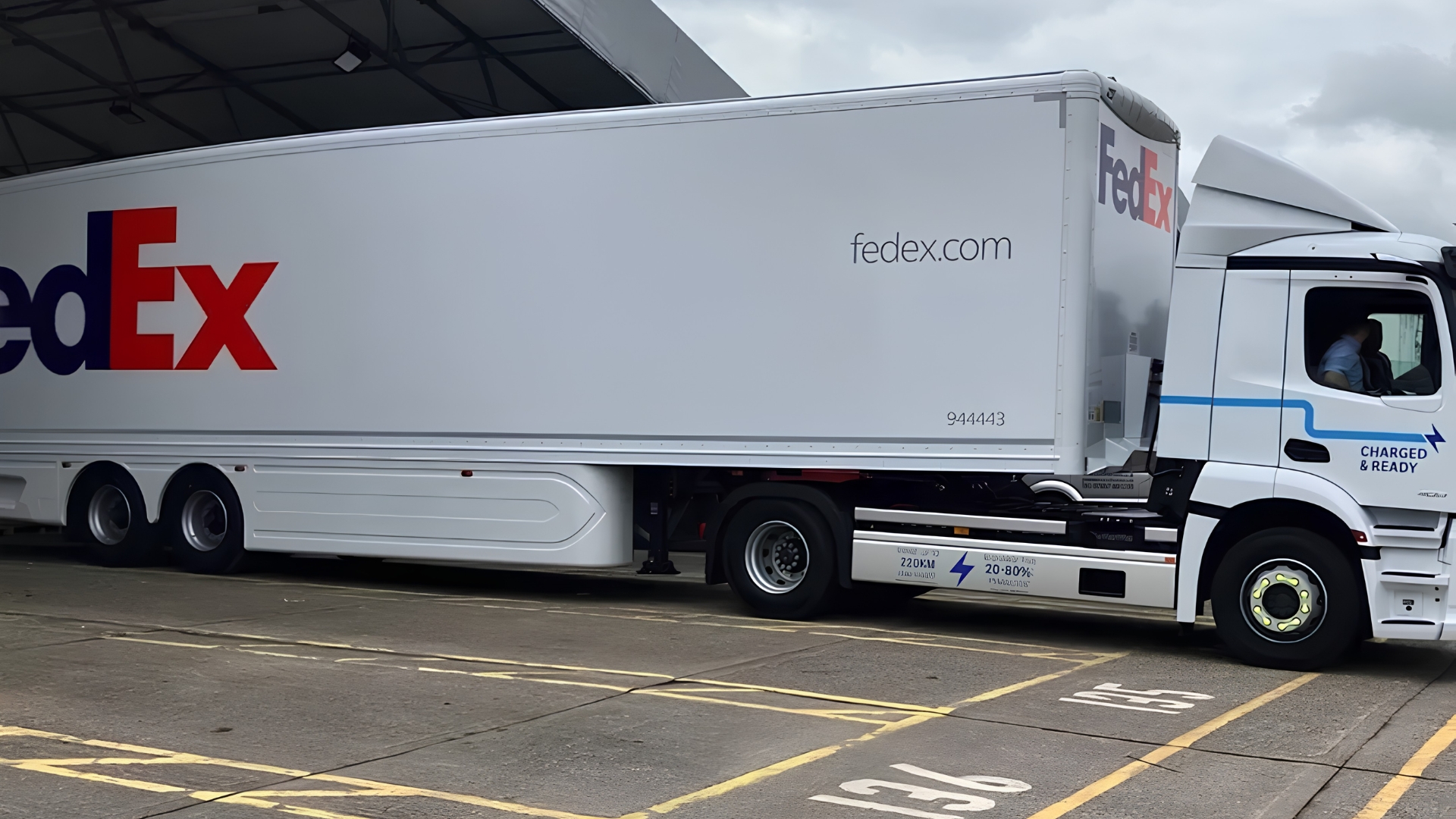
You did not choose this fight, and silence only helps the delivery company. Every quiet week hands the insurer more time while scanner data, camera footage, and witness memories fade. Talking to a FedEx Truck Accident Lawyer in Phoenix costs you nothing and removes the insurer’s early advantage.
Justice On Demand serves Phoenix and the entire Valley from its office at 1148 W Baseline Rd in Mesa. Attorney Christian Pedersen reviews delivery crash cases himself, and the phone line stays open 24/7 because crashes happen at all hours. Your consultation stays free whether or not you hire the firm.
Maybe the van pulled out of a driveway while you had the right of way. Maybe it stopped short in a live lane with no warning at all. You do not need to know today whether that driver worked for FedEx Express or a Ground contractor. Finding out is the firm’s job, and the sooner the investigation starts, the more evidence survives.
Reach Justice On Demand through the firm’s contact page or call (480) 934-0676 now, and put a FedEx Truck Accident Lawyer in Phoenix to work on your case tonight.