


A rideshare crash can have everyone looking at the same collision from different directions. A rideshare accident lawyer in East Valley can help sort out where the injured person fits in the claim before the situation becomes buried in app records, policy questions, and conflicting accounts. Justice On Demand reviews Uber and Lyft crashes with attention to the ride details, the people involved, and the practical problems created after the collision.
East Valley rideshare accidents may happen during pickups, dropoffs, late-night rides, work commutes, or short rides in local areas. The injured person may not have the same information that exists after a normal crash, especially when the vehicle belonged to someone else, and the ride was arranged through an app. Ride receipts, driver information, trip screenshots, location details, and early medical concerns may all become important. Call Justice On Demand today at (480) 934-0676 to talk with our rideshare accident lawyer in East Valley about your claim.
Who Can File a Rideshare Accident Claim in East Valley, Arizona
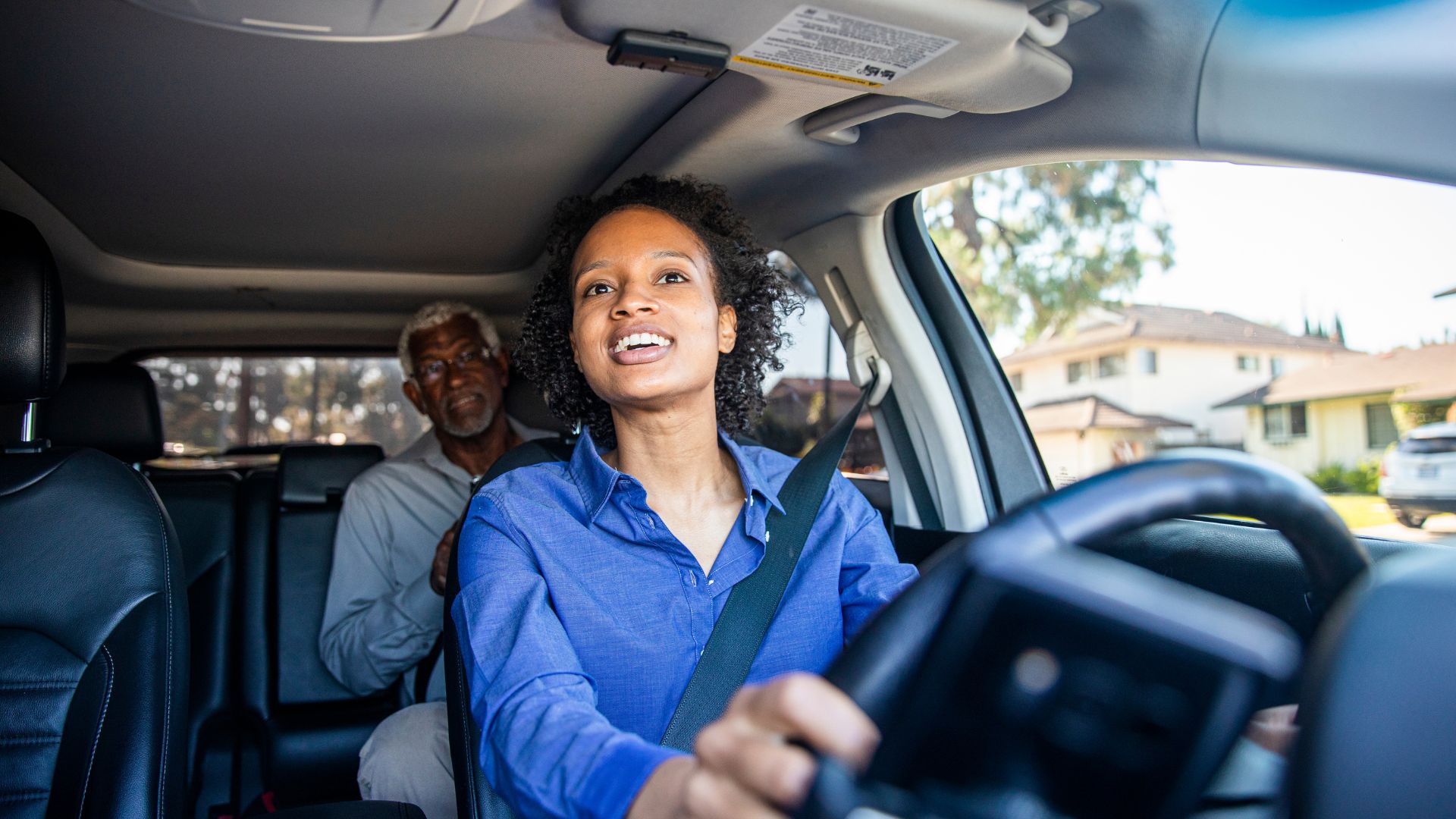
Rideshare accidents can involve more injured people than the app account holder. A passenger may be hurt in the Uber or Lyft vehicle, another driver may be struck by the rideshare car, or someone outside both vehicles may suffer injuries during a pickup or dropoff. A rideshare accident lawyer in East Valley can review the person’s role in the collision before the claim gets treated like a standard two-driver crash. Justice On Demand looks at who was injured, where they were located, and how the rideshare vehicle became part of the incident.
This distinction matters because rideshare crashes often involve people who do not control the vehicle, the app, or the information needed after the collision. A passenger may not know the driver’s full name, policy details, or exact coverage situation. A pedestrian or cyclist may only know the crash involved an Uber or Lyft after the fact. The first step is identifying the injured person’s connection to the ride, not assuming every rideshare claim starts the same way.
Injured Passengers Inside the Rideshare Vehicle
Passengers often file rideshare accident claims after suffering injuries inside an Uber or Lyft vehicle. They may have ordered the ride themselves, joined someone else’s trip, or entered the vehicle during a shared travel plan. The passenger usually did not choose the route, control the driving, or decide how the vehicle moved through traffic. That lack of control matters because the passenger may need answers from more than one driver or company. A rideshare accident lawyer in East Valley can review the trip details and identify what information should be preserved.
Passenger Claims After an Active Ride
An active ride may create records that help connect the passenger to the trip. Ride receipts, pickup locations, drop-off plans, timestamps, and driver information may all support the claim. Those details may become important when the passenger did not personally exchange insurance information at the scene.
Trip Screenshots and Ride Receipts
Trip screenshots can preserve information before it becomes harder to find. The receipt may show the driver, route, time, fare, and ride status. Saving those details helps document the passenger’s connection to the crash.
Rideshare Drivers Hurt During App Use
Rideshare drivers may also have claims when they suffer injuries while using the app. A driver may be waiting for a request, driving toward a pickup, transporting a passenger, or finishing a trip when another vehicle causes a collision. The driver’s app activity may affect how the claim gets reviewed, especially when several insurance sources become involved. These cases require attention to the driver’s work status at the exact time of the crash. A rideshare accident lawyer in East Valley can help examine that timing without turning the case into guesswork.
Driver Status During the Collision
Driver status may influence which records need review. The app may show whether the driver was available, matched with a rider, en route, or carrying a passenger. That timing can affect how the injury claim develops.
App Records for Working Drivers
App records may confirm the driver’s connection to the platform. Screenshots, trip history, earnings records, and ride notifications may help show what the driver was doing. Those details can support the claim when coverage questions arise.
Occupants in Other Vehicles Involved in the Crash
People in other vehicles may file rideshare accident claims when an Uber or Lyft vehicle contributes to the crash. A rideshare car may run a light, make an unsafe turn, rear-end another vehicle, or merge into traffic during a pickup or dropoff. The injured person may not know at first that the driver was logged into a rideshare app. That detail may become important once the vehicle, driver, and trip activity are reviewed. These claims should not be limited to the first insurance card handed over at the scene.
Other Drivers and Their Passengers
A rideshare crash may injure another driver or passengers in a separate vehicle. Those injured people may still have a claim even if they never used the rideshare app. Their connection to the claim comes from the rideshare vehicle’s role in the collision.
Rideshare Clues After Impact
Rideshare clues may appear in small details. A windshield decal, passenger statement, app notification, or driver comment may reveal platform use. Those clues may help identify additional claim information.
Pedestrians and Cyclists Near Pickups
Pedestrians and cyclists may also have claims after rideshare-related crashes. Pickups and dropoffs can create sudden stops, door openings, curbside confusion, and traffic movements near sidewalks, bike lanes, apartment entrances, restaurants, and shopping centers. A person walking or biking may be injured even though they were never inside the rideshare vehicle. These crashes may involve the driver’s attention, passenger movement, or unsafe stopping location. A rideshare accident lawyer in East Valley can review the circumstances without assuming only vehicle occupants have valid claims.
Curbside Crashes During Pickups
Curbside areas may become risky when drivers stop suddenly or passengers enter traffic. A pedestrian may be struck while crossing near a pickup point. A cyclist may be forced around a stopped rideshare vehicle into moving traffic.
Dooring and Dropoff Hazards
Dooring can happen when someone opens a vehicle door into a cyclist or passing pedestrian. Dropoff locations may create added risk near busy storefronts or narrow streets. These details help show how the rideshare activity contributed to the injury.
Why East Valley Rideshare Accident Claims May Involve Several Responsible Parties
A rideshare crash may begin with one impact, but responsibility may not stay with one person. The driver using the platform may have made a careless choice, another motorist may have created the danger, or a vehicle owner may have allowed an unsafe car on the road. A rideshare accident lawyer in East Valley reviews those connections because the crash may involve decisions made before the ride ever reached the pickup point. These cases often require a broader look at who had control, who created risk, and who contributed to the final collision.
That broader review is important because rideshare travel moves through crowded areas where drivers respond to app directions, passengers, curb space, traffic signals, and surrounding vehicles at once. A crash near a restaurant entrance, apartment complex, shopping center, freeway ramp, or school pickup lane may involve more than one unsafe choice. One driver may stop suddenly, another may rush around the rideshare vehicle, and a passenger may be exiting near moving traffic. Sorting those actions helps prevent the claim from focusing too narrowly on the first person named at the scene.
Rideshare Driver Choices During the Trip
A rideshare driver may be responsible when careless driving causes or contributes to the crash. Unsafe turns, distracted driving, hard braking, sudden stops, speeding, or unsafe lane changes may create danger for passengers and nearby drivers. The driver may also make risky choices while searching for a pickup location, watching navigation, communicating through the app, or trying to stop near the curb. These details matter because rideshare driving often requires attention to traffic and trip instructions at the same time. A rideshare accident lawyer in East Valley may review the driver’s conduct in the moments leading up to impact.
Driver Attention While Managing the Ride
A rideshare driver must still drive safely while using navigation or looking for a passenger. Trouble finding a pickup point does not excuse unsafe stops, missed signals, or careless turns. Driver attention may become a central issue when the crash happens during a busy trip moment.
Navigation Distractions Near Busy Roads
Navigation distractions may affect how a driver reacts in traffic. A driver watching a route change may miss braking vehicles, cyclists, pedestrians, or turning traffic. Those missed observations may help explain the collision.
Other Motorists Involved in the Collision
Another driver may also share responsibility for a rideshare accident. A vehicle may run a red light, turn across traffic, rear-end the rideshare car, sideswipe it during a merge, or strike it while leaving a parking lot. The injured person may assume the rideshare driver caused the crash because they were inside that vehicle, but another motorist may have created the dangerous movement. East Valley roads often place rideshare vehicles near impatient drivers, crowded lanes, and quick turns into business entrances. The claim should account for every vehicle that contributed to the impact.
Third Party Drivers Creating Crash Risk
A third-party driver may cause the crash even when the rideshare vehicle carried the injured person. Speeding, tailgating, unsafe passing, or distracted turning may all shift responsibility away from a simple rideshare explanation. Reviewing each driver’s movement helps identify the real cause.
Collision Angles Between Multiple Vehicles
Collision angles may show how vehicles moved before impact. Front corner damage, rear damage, side impact, and final resting positions may reveal which driver created the hazard. These details may matter when accounts conflict.
Pickup and Dropoff Decisions Near Traffic
Pickups and dropoffs can create responsibility issues because they happen near curbs, driveways, storefronts, apartment gates, and busy traffic lanes. A rideshare driver may stop where passengers cannot enter or exit safely, while another driver may fail to slow down around the stopped vehicle. A passenger may be placed near passing cars, bike lanes, or narrow shoulders with little room to move. These conditions can turn a routine stop into a serious crash. A rideshare accident lawyer in East Valley may examine whether the pickup or dropoff location contributed to the injury.
Unsafe Stopping Places for Passengers
Unsafe stopping places may expose passengers to moving traffic. A driver who stops in a travel lane, near a blind corner, or beside a crowded curb may create unnecessary danger. The location of the stop can affect responsibility.
Curbside Movement Before Impact
Curbside movement may involve several people at once. A passenger may open a door, another vehicle may pass too closely, and the rideshare driver may stop suddenly. Those movements should be reviewed together.
Vehicle Owners and Maintenance Concerns
Responsibility may also involve the person or company that owned or maintained the vehicle. A rideshare driver may use a personal vehicle, a rented vehicle, or a car owned by someone else. If worn brakes, bad tires, broken lights, or steering problems contributed to the crash, the vehicle’s condition may become important. Maintenance issues may not be obvious to an injured passenger or another driver at the scene. A closer review may show whether the vehicle should have been used for rideshare work at all.
Vehicle Condition Before the Ride
Vehicle condition may affect whether the crash could have been avoided. Tires, brakes, lights, mirrors, and warning systems all influence safe rideshare operation. A poorly maintained vehicle may create risk before the driver makes any mistake.
Ownership Details Behind the Vehicle
Ownership details may show who had responsibility for the car. The driver may not be the only person connected to maintenance, repairs, or vehicle use. Those details may expand the claim beyond the driver.
How Justice On Demand Reviews Complex Uber and Lyft Crashes in East Valley

Rideshare claims often need a review that starts with the ride itself, not only the collision report. Justice On Demand looks at the trip details, the app activity, the pickup or dropoff setting, and the people connected to the vehicle before deciding what information needs closer attention. A rideshare accident lawyer in East Valley may need to separate the passenger’s experience from the driver’s account, the platform record, and the insurance response. That separation matters because Uber and Lyft crashes can involve several moving parts that do not appear in an ordinary exchange of information.
The review also focuses on what the injured person actually knows and what they may not have access to yet. A passenger may have a receipt but no insurance card. Another driver may know the rideshare vehicle caused the impact but may not know whether the driver was logged into the app. A pedestrian may remember the vehicle stopping suddenly near a curb but may not know which platform was involved. Justice On Demand uses the available details to identify the missing pieces without forcing the claim into assumptions.
Trip Receipts Matched to the Crash Location
The ride timeline can show how the crash fits into the larger trip. Justice On Demand may review pickup time, dropoff plans, route movement, driver identity, trip screenshots, and any app notifications available after the collision. These details can help explain whether the injured person was a rider, another motorist, a pedestrian, or someone hurt near a pickup area. The timing also helps separate what happened before impact from what happened after the ride was interrupted. A rideshare accident lawyer in East Valley can use that timeline to keep the claim focused on the correct trip details.
Trip Records That Confirm Ride Activity
Trip records may show the ride’s basic connection to the crash. Receipts, route maps, timestamps, driver information, and fare details may help confirm what was happening. Those records can be especially useful when the injured person did not control the vehicle.
Screenshots Saved Before App Changes
Screenshots may preserve information before it becomes harder to find. A rider can save the driver name, route, time, pickup point, and messages related to the trip. Those details may support the claim during later review.
Uber and Lyft App Status Verified
Uber and Lyft claims can become confusing when app activity, driver conduct, and insurance information do not line up neatly. Justice On Demand reviews the known platform details instead of guessing which policy or company may apply. The driver’s activity may include waiting for a request, driving toward a pickup, transporting a passenger, or finishing a trip. Each situation may create different questions about available records and claim handling. A rideshare accident lawyer in East Valley can help identify which platform details need to be confirmed.
App Activity During the Collision
App activity may show the driver’s connection to the rideshare platform. The timing of a request, pickup, active ride, or completed trip may affect what information becomes relevant. This review helps avoid treating every rideshare crash the same.
Driver Status Needing Verification
Driver status should not rely only on memory. Trip history, app records, ride receipts, and platform communications may help confirm what the driver was doing. Verification can prevent confusion over the claim’s starting point.
Passenger Information Protected During Review
Passengers often have the least control after a rideshare crash. They may not own the vehicle, know the driver, choose the route, or speak with every insurance company involved. Justice On Demand reviews the passenger’s position in the claim so their injuries do not get lost between the driver, platform, and other motorists. The passenger’s account may include where they sat, how the crash happened, whether the seat belt locked, and what pain began afterward. These details help preserve the passenger’s role without making the claim depend only on outside records.
Passenger Accounts With Specific Detail
A passenger account should include more than the fact that a crash occurred. Seat position, direction of impact, driver behavior, and immediate symptoms may all matter. Specific details help make the passenger’s experience easier to understand.
Details Riders May Remember Later
Some details become clearer after the initial shock fades. A rider may remember a sudden route change, driver distraction, hard braking, or an unsafe stop. Capturing those details later can still help the claim.
Conflicting Driver Accounts Compared With Ride Data
Rideshare crashes may involve several accounts that do not match. A driver may describe the trip one way, another motorist may blame the rideshare vehicle, and the app record may show different timing or location details. Justice On Demand compares those accounts against available documents, photos, ride receipts, messages, and scene information. This review helps identify which parts of the story need follow-up. A rideshare accident lawyer in East Valley can use those comparisons to keep the claim from relying on the loudest version of events.
Conflicting Accounts After the Crash
Conflicting accounts may appear quickly after a rideshare collision. One person may focus on the pickup location, while another may focus on the traffic movement. Comparing those accounts helps reveal which details remain unresolved.
App Details That Clarify Disputes
App details may clarify where the ride was headed. Route information, pickup points, dropoff plans, and timestamps may help place the vehicle in context. These details can support or challenge other accounts.
Reach Out To Our East Valley Rideshare Accident Lawyer at Justice On Demand Today
Uber and Lyft crashes cause an injured person to be stuck between the convenience of the ride and the confusion that follows it. The driver may not have complete insurance details, the app may show only limited trip information, and the crash may involve people who were never part of the ride. That confusion can affect passengers, pedestrians, cyclists, rideshare drivers, and people in other vehicles who want to pursue compensation for the accident.
Justice On Demand helps injured people make sense of East Valley rideshare accidents without treating the claim like a routine traffic exchange. The details may include a pickup outside a restaurant, a sudden stop near an apartment entrance, a Lyft driver merging across traffic, or an Uber ride interrupted before dropoff. A rideshare accident lawyer in East Valley can look at the ride, the crash, and the injury together. Call Justice On Demand today at (480) 934-0676 or visit our contact page to speak with our lawyer and learn how we can help you with your injury claim.