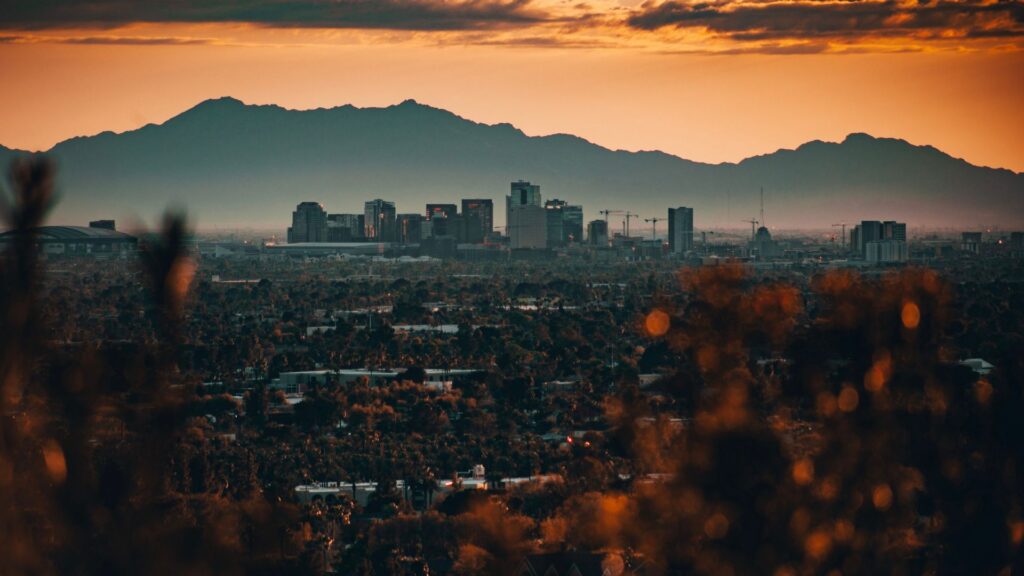

A car accident lawyer in Tucson can help when a crash leaves you dealing with pain, vehicle damage, missed work, and insurance calls before you know what your case is worth. Tucson collisions often happen in places where traffic moves fast, then stops with little warning, including I-10, Speedway Boulevard, Grant Road, Oracle Road, Broadway Boulevard, Kolb Road, and the streets near the University of Arizona.
Justice On Demand helps injured drivers and passengers get clear direction after a Tucson crash. Christian Pedersen handles personal injury claims and can help with fault disputes, medical bills, repair issues, insurance pressure, and settlement review. We offer free consultations, 24/7 availability, and an initial 30-day satisfactory period.
If you were hurt in a Tucson car accident, get answers before the insurance company shapes the claim for you. Call Justice On Demand at (480) 934-0676 for a free consultation today.
How Do I Prove Fault After a Tucson Car Accident
Proving fault after a Tucson car accident takes more than telling the adjuster what happened. You need evidence that shows how the vehicles moved, which driver broke a safety rule, and how the crash caused your injuries. A car accident lawyer in Tucson, Justice On Demand, can help organize that proof before photos disappear, witnesses become harder to reach, or the other driver changes their story.
Tucson crash claims often turn on small details. A left turn crash near Speedway and Campbell may depend on signal timing. A sideswipe on I-10 may depend on lane markings and scrape direction. A rear end crash near Broadway may depend on traffic flow, brake lights, and following distance.
Tucson Crash Location Can Shape Fault
The exact crash location gives your claim a starting point. A collision near a freeway ramp raises different questions than a crash in a grocery store parking lot or a busy intersection near campus. The location can show lane setup, traffic control, nearby cameras, turn pockets, and visibility problems.
Justice On Demand can review the location with the police report, photos, vehicle damage, and medical records. That review helps build a clearer Tucson car accident claim instead of relying only on competing driver statements.
Intersections Can Reveal Right of Way Disputes
Tucson intersection crashes often involve arguments about who had the light, who turned too late, or who had enough time to stop. Drivers may remember the same collision differently, especially after a hard impact. That is why photos and witness details matter.
A useful photo set should show signal heads, lane arrows, crosswalks, turn lanes, vehicle positions, and debris. These details can help show whether another driver ran a light, failed to yield, or turned across your path.
Signal Timing Can Change the Case
A few seconds can matter in an intersection crash. One driver may claim they entered on yellow, but a witness or camera may show the light had already changed. This can shift the fault discussion.
A car accident lawyer in Tucson may look for nearby business cameras, dashcam clips, traffic camera sources, and independent witnesses. Early action matters because some video systems erase footage within days.
Freeway Merges Need Lane Movement Proof
I-10 and I-19 crashes often involve merging traffic, sudden lane changes, and drivers crossing lanes too quickly. These cases can become difficult when each driver blames the other for unsafe movement. Damage location can help show who moved into whose lane.
A long scrape down one side of a vehicle can tell a different story than a direct rear impact. Paint transfer, mirror damage, tire marks, and final resting positions can help explain the merge.
Wide Photos Can Preserve Road Context
Close photos show damage, but wide photos show how the crash happened. Take pictures of lane markings, ramp layout, signs, traffic cones, shoulder space, and where each car stopped. Do this only when it is safe.
Those photos can stop the insurer from oversimplifying the crash. They can show why the other driver had no safe gap, followed too closely, or entered your lane.
Vehicle Damage Can Explain the Collision
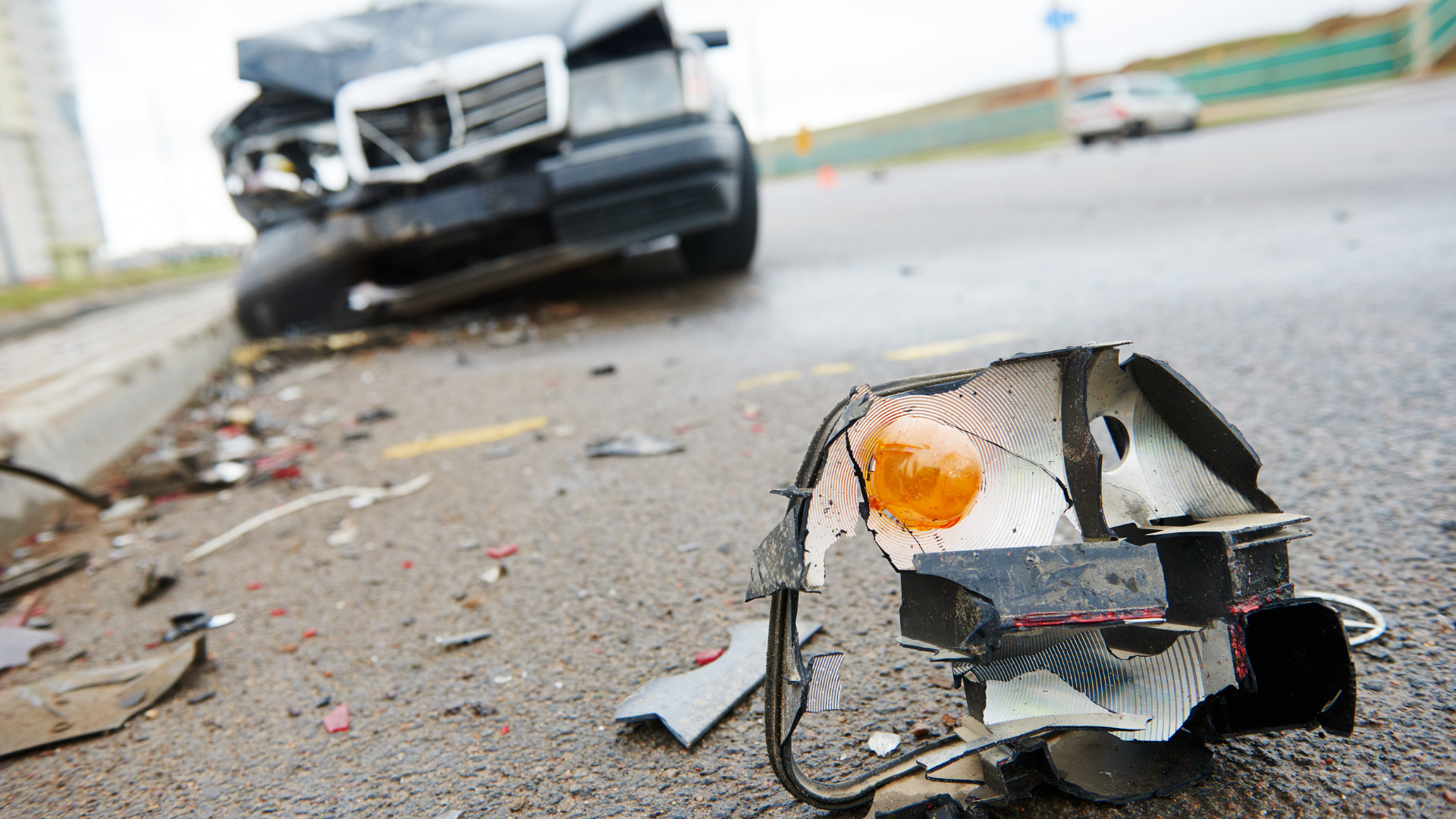
Vehicle damage often tells part of the story. The first impact point may show whether another driver rear ended you, drifted into your lane, turned across your path, or struck your vehicle during a lane change. That proof becomes useful when the other driver gives a different version later.
Do not rely on one quick photo of a dent. Better documentation shows the whole vehicle, close damage, broken parts, airbags, license plates, debris, and the road around the vehicles. This gives a car accident lawyer in Tucson, Arizona stronger evidence to review.
Impact Points Show Driver Movement
Impact points can show where force entered the vehicle. Front corner damage may suggest a turn or angled impact. Rear bumper damage may support a following distance issue. Side panel damage may point to an unsafe lane change.
Insurance adjusters sometimes call a crash minor when photos look incomplete. Clear images make that argument harder. They help connect crash mechanics to the injury claim.
Repair Records May Find Hidden Damage
Repair estimates can reveal damage that does not show in roadside pictures. Shops may find frame issues, sensor damage, suspension problems, alignment changes, or internal bumper damage. Those findings can support the seriousness of the impact.
Save every estimate, supplement, tow record, and total loss letter. Justice On Demand can compare those records with the medical timeline and the crash facts.
Airbags and Towing Add Useful Context
Airbag deployment can support the force of a collision. Towing records can show that the vehicle could not leave the scene safely. These details matter when an insurer tries to describe the crash as minor.
A disabled vehicle may suggest steering damage, tire damage, suspension issues, or safety system problems. That context can support injury claims when your body absorbed sudden force.
Total Loss Records Can Support Damages
A totaled vehicle does not automatically prove injury value, but it can support crash severity and disruption. It may also explain missed work, rental costs, rideshare expenses, and repair delays.
Keep the valuation report, storage invoices, rental records, and insurer messages. Those documents help show how the crash affected your finances and daily routine.
Medical Records Connect Injuries to the Crash
Fault proof does not end at the crash scene. You also need proof that the collision caused your injuries. Medical records can show when pain began, what symptoms appeared, what treatment doctors recommended, and how the injury affected your routine.
Insurance companies often question delayed pain, prior symptoms, missed appointments, and treatment gaps. A strong medical timeline makes those arguments harder to use.
Early Treatment Protects the Timeline
Early treatment creates a medical record close to the crash date. That record may mention neck pain, back pain, headaches, dizziness, shoulder pain, knee pain, numbness, or seatbelt bruising. Those details can connect the injury to the collision.
Even if pain seems manageable, symptoms can change after adrenaline fades. A medical visit gives you answers and helps protect the claim.
Delayed Pain Needs Clear Notes
Delayed symptoms are common after crashes. Headaches, stiffness, numbness, and back pain may appear later that day or the next morning. Tell the provider when each symptom started and how it changed.
Do not minimize pain to sound tough. Insurance companies may use those early words later.
Follow Up Care Shows Ongoing Harm
Follow up records can show whether the injury improved, worsened, or required more treatment. Physical therapy, imaging, referrals, injections, medication, and work restrictions help show the real impact of the crash.
A Tucson injury claim becomes stronger when medical records tell a steady story. Gaps can invite questions, so follow your provider’s plan as closely as possible.
Work Limits Support Wage Claims
Work restrictions can help prove income loss and reduced capacity. A doctor may limit lifting, standing, driving, sitting, bending, or screen time. Those limits matter if your job depends on physical stamina or long commutes.
Save employer notes, missed shift records, pay stubs, and doctor restrictions. Justice On Demand can use them to build a clearer damage picture.
Arizona Fault Arguments Can Reduce Value
Arizona allows fault to be divided between drivers. Because of that, an insurance company may try to place part of the blame on you. They may claim you were speeding, distracted, following too closely, or slow to react.
This tactic can reduce settlement value. A car accident lawyer in Tucson can review the evidence and push back when the blame does not match the facts.
Adjusters May Use Small Details
Adjusters often focus on details that sound harmful without telling the full story. They may ask whether you saw the other driver earlier, whether you could have stopped sooner, or whether you used navigation. These questions can shape a shared fault argument.
Do not guess during insurance calls. If you do not know, say you do not know. Guessing can create problems later.
Recorded Statements Can Create Problems
A recorded statement can lock you into answers before you know the full facts. You may not have the police report, witness names, or medical diagnosis yet. Still, the adjuster may ask detailed questions.
Justice On Demand can help you decide what to say and what not to say. That guidance can prevent avoidable claim damage.
Evidence Can Reduce Shared Fault Claims
The best response to shared fault is evidence. Photos, witness statements, traffic citations, video, vehicle damage, and medical records can show what actually caused the crash. Strong proof leaves less room for speculation.
For example, if an insurer says you stopped suddenly, traffic flow and rear damage may show the other driver followed too closely. If they say you changed lanes, side damage and road photos may tell a different story.
Fault Percentages Should Match Conduct
Fault percentages should reflect what each driver actually did. They should not reflect an adjuster’s attempt to lower the payout. That distinction matters in serious injury cases.
A car accident lawyer in Tucson can challenge inflated blame percentages. The goal is to keep the focus on the driver conduct that caused the collision.
Do I Need a Car Accident Lawyer in Tucson
You may need a car accident lawyer in Tucson when the crash involves injury, disputed fault, uninsured drivers, delayed pain, missed work, or pressure from an adjuster. A small claim may be simple when no one is hurt and both drivers agree. A personal injury claim becomes different once treatment, liability, coverage, and settlement value enter the picture.
Justice On Demand reviews the claim from several angles. Christian Pedersen can look at the crash facts, insurance coverage, medical records, lost income, and settlement risks. That helps you decide whether legal help makes sense before you sign paperwork or give a statement that could hurt your case.
Legal Help Matters When Facts Are Messy
A clean crash story can move faster. A messy story gives insurers room to delay, question fault, and reduce settlement value. If the other driver gives a different version, a car accident lawyer in Tucson can organize the facts before the claim becomes a contest of opinions.
Justice On Demand can review the physical evidence, police report, medical timeline, and coverage together. No single document usually proves the whole claim. Strong cases often come from several small facts that point in the same direction.
Rear End Crashes Still Face Defenses
Many people assume rear end crashes are automatic wins. Insurers do not always treat them that way. The rear driver may claim you stopped suddenly, had broken brake lights, changed lanes too closely, or created a hazard.
Those arguments can reduce the claim if no one answers them with facts. Photos of rear damage, traffic flow, brake light condition, witness names, and the police report can protect your position.
Sudden Stop Claims Need Context
A sudden stop defense can sound convincing until the full traffic picture appears. Tucson traffic on Speedway, Grant, and Broadway often slows because of signals, driveways, buses, and turning vehicles. A safe driver still needs enough space to stop.
Your claim should show why your stop made sense. Road photos, traffic signal placement, congestion, and witness accounts can help explain that the rear driver failed to react safely.
Left Turn Crashes Need Timing Proof
Left turn crashes in Tucson can become difficult because both drivers may believe they had the right to proceed. These cases often arise near busy corridors where drivers deal with turn arrows, heavy traffic, and short gaps. A driver turning left may misjudge the speed of oncoming traffic.
Timing proof can include witness statements, signal placement, nearby business cameras, dashcam clips, and vehicle resting positions. Justice On Demand can review those details to show whether the turning driver created the danger.
Turn Angle Helps Explain Fault
The angle of the vehicles can help show how the crash happened. Front corner damage may show a turning movement. Side damage may show that a vehicle crossed directly into another lane.
This detail matters because insurers sometimes reduce left turn crashes to two short stories. Careful review can make the physical evidence speak louder than blame shifting.
Injuries May Need More Than One Visit
Some people feel pain at the scene. Others feel sore later, then wake up the next day with stronger symptoms. Tucson car accident claims can become harder when injuries appear slowly or treatment starts after a delay.
Insurance companies often treat delayed symptoms as a weakness. Justice On Demand can help connect the symptoms to the crash with records, provider notes, and consistent documentation.
Delayed Symptoms Need Specific Details
Neck pain, back pain, headaches, dizziness, numbness, shoulder pain, and knee pain may get worse after the initial shock fades. When you see a doctor, describe what started first, what changed, and what movements increase the pain. Specific details can protect the claim later.
Do not rely on broad statements like “I hurt everywhere.” Better records explain where the pain is, when it began, and how it affects walking, driving, lifting, sleeping, or working.
Symptom Notes Can Protect Your Claim
A simple symptom log can help your attorney and doctors understand the pattern. Write down missed work, pain flareups, sleep problems, driving limits, and medication changes. Keep it factual and consistent.
This record can help when an adjuster says the injury was minor. It gives the claim a clearer picture beyond the first medical bill.
Treatment Gaps Need an Explanation
A treatment gap does not always mean someone recovered. People miss care because they lack transportation, need to work, cannot get an appointment, or feel unsure about cost. Still, insurers often use gaps to argue that the injury did not matter.
A car accident lawyer in Tucson can help explain the reason for a gap, but records help more. Save appointment messages, referral delays, insurance letters, and any notes showing why care paused.
Missed Appointments Can Affect Value
Missed appointments can weaken a claim when there is no explanation. The adjuster may say you ignored treatment because you felt fine. That argument can reduce the value of pain, lost income, and future care.
If you miss an appointment, reschedule quickly and document why. That simple step can keep the medical timeline from looking careless.
Insurance Coverage Can Get Complicated
A Tucson auto accident claim does not always involve one driver and one policy. Some crashes involve uninsured drivers, underinsured drivers, rental vehicles, rideshare drivers, delivery drivers, or company vehicles. Each issue can change the strategy.
Justice On Demand can review every possible insurance source instead of relying on the first adjuster’s explanation. This matters when injuries cost more than the available liability coverage.
Uninsured Drivers Require Policy Review
If the other driver has no insurance, your own policy may become important. Uninsured motorist coverage may apply, but your insurer can still question fault, treatment, and value. Your own company may not treat the claim as automatically payable.
A Tucson car accident attorney can review your declarations page, coverage limits, and claim correspondence. This helps identify what coverage applies and what proof the insurer needs.
Your Insurer May Still Push Back
Many injured people expect their own insurer to make the process easier. Sometimes it does not. Your company may still challenge treatment length, delayed pain, or the amount requested.
A documented claim gives your insurer less room to delay. Medical records, crash proof, wage records, and photos can help support the demand.
Work Vehicle Crashes Need Extra Questions
A crash involving a delivery van, contractor truck, rideshare vehicle, or employee running work errands may involve more coverage than a normal car accident. The driver’s work status matters. The vehicle owner may matter too.
A car accident lawyer in Tucson can ask whether the driver worked at the time, who owned the vehicle, and which policies apply. These questions can make a major difference when injuries are serious.
Employer Coverage May Apply
Employer coverage may apply when a driver caused a crash during work duties. That can include deliveries, service calls, errands, or jobsite travel. The facts need careful review.
Do not assume the driver’s personal insurance is the only option. Justice On Demand can look for coverage sources that better match the claim.
Medical Bills May Arrive Before Settlement
Many injured people worry about bills before the claim resolves. A settlement usually does not arrive right after the crash. Medical providers, insurance companies, and repair shops may all move on different timelines.
A car accident lawyer in Tucson can help you understand how medical bills, health insurance, MedPay, liens, and settlement negotiations may interact. That guidance can reduce confusion while treatment continues.
MedPay May Help With Early Bills
Medical payments coverage, often called MedPay, may help pay crash-related medical expenses regardless of fault. Not every policy includes it. If it applies, it can help with early bills while the liability claim continues.
Review your auto policy before assuming no help exists. Justice On Demand can look at coverage documents and explain what may apply to your Tucson car accident claim.
Health Insurance Can Still Matter
Health insurance may cover treatment after a crash, but reimbursement issues may arise later. Some health plans may seek repayment from a settlement. This can affect the final amount you keep.
Do not ignore bills or letters from health plans. Save them for review because they may affect settlement planning.
Liens Need Careful Review
Some medical providers treat injured people under a lien. That means the provider waits for payment from the settlement. This can help people get care, but it also affects how settlement funds get divided.
A lien should be reviewed before settlement. Justice On Demand can help identify medical balances, negotiate where appropriate, and avoid surprises at the end of the case.
Final Balances Affect Net Recovery
The settlement number is not the only number that matters. Medical balances, liens, insurance reimbursement, and case costs can affect what you receive. A careful review helps prevent confusion.
Before accepting an offer, make sure the claim accounts for bills and expected deductions. That is part of making a smart settlement decision.
Settlement Timing Depends on Several Factors
Tucson car accident claims do not all follow the same timeline. A claim may move faster when fault is clear, injuries heal quickly, and coverage is enough. It may take longer when treatment continues, fault is disputed, or policy limits create problems.
Justice On Demand can explain the timeline based on the facts of your case. This helps you avoid rushing into a settlement before the medical picture is clear.
Treatment Status Affects Negotiation Timing
It is risky to negotiate before you know the full injury picture. A doctor may order imaging, therapy, referrals, injections, or work restrictions after the first visit. Those steps can change case value.
Waiting for medical stability can help avoid an undervalued settlement. The claim should include current treatment and likely future needs.
Early Offers Can Miss Later Costs
A quick offer may arrive before you finish care. It may cover part of the early bills and ignore the next referral, therapy plan, imaging order, or missed work. Once you sign a release, you may close the claim for good.
Justice On Demand can review whether the offer reflects the full medical picture. That includes current bills, expected care, wage loss, vehicle loss, and pain that still affects daily life.
Release Forms Can End the Claim
A release form can end your right to seek more money later. This can create a problem if symptoms worsen or a doctor orders more treatment after you settle. Read every settlement document carefully before signing.
A car accident lawyer in Tucson can explain what the release covers and what risks remain. That review can prevent a rushed decision during a stressful week.
Do Not Sign Under Pressure
An adjuster may set a deadline or suggest the offer will disappear. That pressure can make a quick settlement feel safer than it is. Slow down before signing.
Ask what the release covers, whether all bills are included, and whether future care has been considered. Those questions can protect your recovery.
Call a Car Accident Lawyer in Tucson at Justice On Demand – Get a Free Case Review
A Tucson crash can leave you juggling insurance calls, medical visits, car repairs, and blame you should not have to sort through alone. Justice On Demand can review your case, explain what matters next, and help protect the evidence that supports your injury claim.
Christian Pedersen helps injured drivers and passengers get clear answers after car accidents on I-10, Speedway Boulevard, Grant Road, Oracle Road, Broadway Boulevard, and nearby Tucson roads. We offer free consultations, 24/7 availability, and an initial 30-day satisfactory period, which gives you a lower-pressure way to get started.
If you need a car accident lawyer in Tucson, call Justice On Demand at (480) 934-0676 or contact us today. Get legal guidance before the insurance company pushes you into a decision that may not protect your recovery.