


Motorcycle crashes in Tempe can create far more serious injuries due to the lack of protection. A motorcycle accident lawyer in Tempe can help protect the crash claim after an insurance company attempts to focus on the motorcycle instead of the driver’s choices. Justice On Demand guides injured riders who need answers about medical care, fault disputes, insurance pressure, and the steps that may protect their recovery.
Riders frequently face questions that feel unfair after a crash, especially when an insurer assumes speed, risk, or carelessness without knowing the facts. Your claim may involve emergency treatment, missed work, damaged gear, pain that changes over time, and statements from people who did not see everything clearly. Legal guidance can help keep the focus on what actually caused the crash and how the injuries changed your life. Call Justice On Demand today at (480) 934-0676 for a free consultation from our motorcycle accident lawyer in Tempe and take the first steps towards getting the compensation that you deserve.
Common Injuries After a Motorcycle Accident in Tempe, Arizona
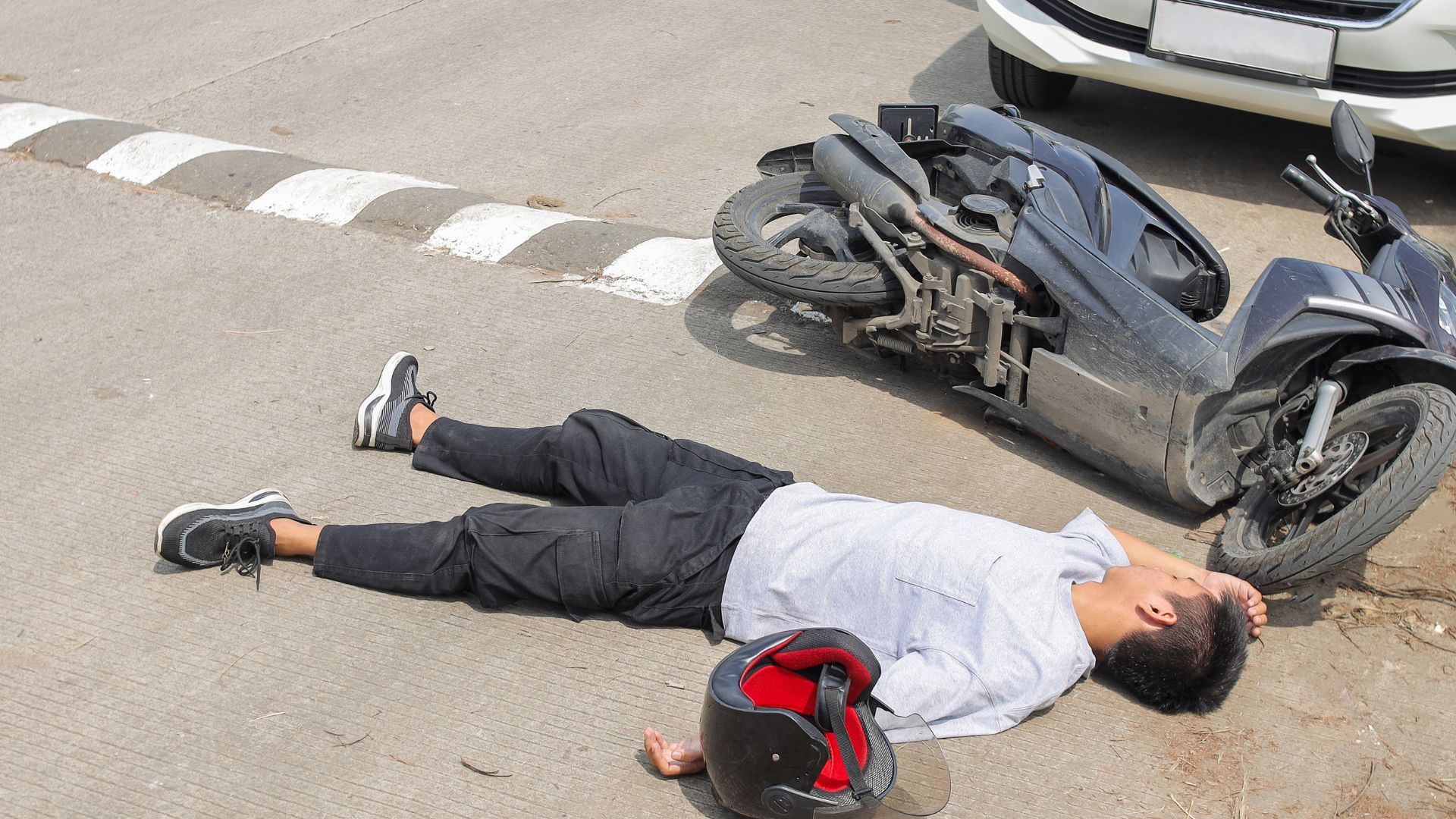
A rider does not absorb a crash the same way someone inside a vehicle does. Pavement, metal, glass, heat, and sudden force all meet the body directly during a motorcycle collision. That difference often turns what looks like a single impact into several injuries across the skin, bones, joints, head, back, and nerves. Justice On Demand approaches motorcycle injury claims with that physical reality in mind, rather than treating the crash like a standard vehicle collision.
The medical story after a motorcycle accident often changes over time. A rider might leave the scene alert, then wake up the next day with swelling, dizziness, weakness, or pain that spreads into new areas. A motorcycle accident lawyer in Tempe needs to understand the injury pattern, the treatment timeline, and the way those symptoms affect work, movement, sleep, and independence. Strong injury documentation gives the claim a fuller picture than photographs of the motorcycle or the crash scene alone.
Road Rash And Skin Damage
Road rash sounds minor until the wound reaches deeper tissue, holds debris, or sits across a joint that moves constantly. A rider sliding across pavement can lose skin, develop swelling, and face infection risks during the healing process. Clothing and protective gear might reduce damage, but they do not always prevent abrasions, burns, or exposed wounds. Pain from these injuries can interfere with sleep, bathing, dressing, and normal movement for weeks. Photographs, wound care notes, and follow-up visits often show the seriousness better than a brief insurance description.
Embedded Debris And Open Wounds
Gravel, glass, dirt, or fabric fibers can enter open skin during a slide. Medical providers may need to clean the wound carefully to reduce infection risk. Delayed treatment can allow irritation, drainage, and swelling to become harder to manage.
Scarring Across Moving Joints
Scarring near elbows, knees, shoulders, or hands can affect comfort during ordinary movement. Tight skin may pull during bending, reaching, walking, or gripping. Those limits deserve attention because they affect more than appearance.
Fractures From Direct Body Impact
Broken bones after a motorcycle crash often come from the rider hitting the ground, the bike, or another vehicle without much protection. Wrists, ankles, legs, ribs, collarbones, and shoulders take heavy force when the body braces or lands awkwardly. Some fractures require surgery, hardware, casting, or months of restricted activity. Work duties, driving, childcare, household chores, and personal care can all become harder during recovery. A motorcycle accident lawyer in Tempe can use medical records and daily limitation notes to show how the fracture changed the rider’s routine.
Legs, Ankles, and Wrist Breaks
Lower body fractures can make walking, driving, standing, and climbing stairs difficult. Wrist and hand fractures can interrupt writing, lifting, dressing, cooking, and phone use. These injuries often create practical problems that last beyond the first emergency visit.
Hardware Surgery And Rehabilitation
Some fractures require plates, screws, rods, or other surgical hardware. Rehabilitation may follow after the bone begins healing, especially when strength and range of motion decline. Recovery often brings appointment schedules, work limits, and pain during ordinary tasks.
Brain Symptoms After Helmeted Crashes
A helmet reduces risk, but it does not guarantee that the brain escapes injury during a violent crash. Sudden movement can still jolt the head, strain the neck, and disrupt balance, focus, memory, mood, or sleep. Some riders never lose consciousness and still deal with concussion symptoms afterward. Bright lights, screen time, noise, reading, driving, or conversations may feel harder than usual. Medical attention becomes especially important when symptoms change after the first day.
Dizziness, Nausea, and Mental Fog
Dizziness after a motorcycle crash can affect balance and safe movement. Nausea, confusion, fatigue, or mental fog may signal more than ordinary stress. These symptoms should be described clearly during medical visits so providers understand the timeline.
Headaches After Helmet Contact
Headaches after impact deserve close attention, especially when they worsen or return repeatedly. Pain may come with light sensitivity, neck soreness, vision changes, or trouble concentrating. Documenting those symptoms helps show the injury beyond the helmet’s visible condition.
Nerve Pain After The Bike Falls
Nerve pain can feel strange, sharp, burning, electric, or difficult to describe after a motorcycle crash. The bike may trap a leg, twist a shoulder, compress the spine, or force the body into an unnatural position. Tingling, numbness, weakness, and radiating pain often suggest deeper irritation than surface bruising. These symptoms can affect grip strength, walking, balance, posture, and comfort while sitting or sleeping. A motorcycle accident lawyer in Tempe should treat nerve complaints as important claim details, not background discomfort.
Tingling Through Arms Or Legs
Tingling that travels into the arms or legs can point to nerve irritation. The sensation may appear during certain movements, after sitting, or while trying to sleep. Medical providers may recommend imaging, therapy, or specialist care when symptoms continue.
Weakness During Normal Movement
Weakness can make familiar movements feel unreliable after a motorcycle crash. A rider may drop items, limp, struggle with stairs, or avoid lifting because the body no longer responds normally. Those changes should be documented before they get dismissed as general soreness.
How a Motorcycle Accident Lawyer Responds to Rider Bias in Tempe, Arizona
Bias against motorcyclists often starts before anyone studies the crash facts. Someone sees a bike, assumes speed, and treats the rider’s injuries like proof of reckless behavior instead of proof of vulnerability. That shortcut can distort the claim if it goes unanswered. A motorcycle accident lawyer in Tempe must redirect attention toward driver conduct, witness reliability, physical damage, medical findings, and the actual sequence of events.
Rider bias creates problems because it turns assumptions into negotiation leverage. The other side might describe the motorcycle as the danger while ignoring a driver who turned carelessly, drifted, followed too closely, or failed to look. Arizona fault rules still require facts, not stereotypes about motorcycles or the people who ride them. A stronger claim answers those assumptions directly before they settle into the insurance file.
Assumptions About Speed And Risk
Speed accusations appear often after motorcycle collisions, even when no one measured the rider’s actual speed. A driver who failed to notice a motorcycle might later insist the bike arrived too quickly to avoid responsibility. That explanation sounds convenient because it shifts attention away from visibility, reaction time, traffic conditions, and driver choices. The claim needs facts that test the accusation instead of repeating it as truth. Damage patterns, witness accounts, impact points, and traffic details can expose weak claims about speed.
Crash Details Over Rider Stereotypes
The physical crash details deserve more weight than a broad opinion about motorcyclists. Vehicle positions, damage locations, braking behavior, and witness timing can all challenge a careless assumption. A fair claim review begins with evidence, not the idea that every rider accepts blame by choosing a motorcycle.
Speed Claims Without Real Support
A speed claim without measurements, credible witnesses, or physical support should not control the case. People often confuse a motorcycle’s sound, size, or sudden appearance with excessive speed. Those impressions need testing before they affect settlement discussions.
Blame Shifting After Rider Injuries
Serious rider injuries sometimes cause the other side to search for a way out of responsibility. Instead of addressing the driver’s actions, they might focus on protective gear, lane position, motorcycle size, or the rider’s experience. That tactic tries to make the injured rider defend ordinary riding choices after a collision. The stronger response keeps the discussion anchored to the conduct that caused the impact. Fault should follow what happened in the moments before the crash, not a general discomfort with motorcycles.
Focus On Driver Conduct
Driver conduct includes looking before turning, maintaining distance, yielding properly, and checking surroundings before moving. Those duties apply even when the other vehicle is smaller, louder, or harder to see. The rider’s presence on a motorcycle does not erase another driver’s responsibility to avoid a preventable crash.
Unfair Questions About Gear
Protective gear questions can distract from the cause of the collision. A helmet, jacket, gloves, or boots may affect injury arguments, but they do not explain why a driver created danger. Gear discussions should not replace a direct review of fault.
Witness Accounts And Rider Credibility
Witnesses can strengthen a motorcycle claim, but their accounts sometimes carry assumptions of their own. A person who heard the bike before seeing the crash might describe speed without knowing the rider’s actual movement. Another witness might remember the rider’s position but miss the driver’s lane change, turn, or delayed reaction. The claim needs careful comparison between each account and the physical facts. Credibility improves when statements match damage, timing, injuries, and the crash sequence.
Separating Memory From Assumption
Memory and assumption often blend together after a sudden crash. A witness might remember noise, impact, or shock more clearly than the seconds leading up to the collision. Each statement should be weighed against facts that remain more stable than perception.
Consistent Details Across The Record
Consistent details give a motorcycle claim stronger footing. Medical notes, repair information, photographs, and witness statements should support the same basic timeline. Contradictions do not always ruin a claim, but they need explanation before the insurer uses them unfairly.
Bias During Settlement Negotiations
Settlement discussions can reflect rider bias when an offer undervalues injuries or overstates disputed fault. The insurer might frame the rider as risky, impatient, or difficult to see instead of addressing the driver’s mistake. That framing can reduce the offer before the injured person understands how the number was calculated. A motorcycle accident lawyer in Tempe responds by challenging unsupported blame and presenting the claim through proof. Negotiation should measure injury, responsibility, and loss rather than stereotypes about riders.
Low Offers Based On Assumptions
A low offer may reveal the insurer’s view of the rider more than the strength of the claim. The number might discount pain, treatment, missed work, or long recovery because the insurer believes a motorcycle case is easier to blame. A response grounded in records and facts can push the discussion back toward the real harm caused.
Reframing The Claim With Proof
Proof changes the tone of a biased claim discussion. Medical documentation, crash facts, witness accounts, and a steady timeline give the demand more weight. The goal is to make unsupported assumptions harder to repeat.
Why Tempe Residents Choose Justice On Demand for Their Motorcycle Accident Claims

Motorcycle claims deserve a legal approach that respects what riders actually experience after impact. Justice On Demand looks beyond the damaged bike and focuses on the rider’s body, recovery limits, gear damage, missed income, and the assumptions that often follow motorcycle crashes. A motorcycle accident lawyer in Tempe should understand how quickly a rider’s claim can shift when the insurer treats risk as blame. The work begins with separating the facts of the collision from the stereotypes that often surround injured riders.
Justice On Demand builds motorcycle accident claims around proof, timing, medical detail, and the specific losses created by the crash. Riders may face wound care, orthopedic treatment, concussion symptoms, nerve pain, mobility restrictions, and weeks of disrupted responsibilities after the collision. The claim should reflect that reality before settlement discussions reduce the crash to a narrow insurance file. A motorcycle accident lawyer in Tempe gives riders a way to present the full impact without letting the other side control the story.
Rider-Focused Case Review
A motorcycle case should not begin with assumptions about why someone rides. Justice On Demand starts with the collision facts, the rider’s injuries, and the practical fallout after the crash. That review gives the claim a foundation built around what happened, not what an insurer thinks about motorcycles. Medical needs, damaged protective gear, missed work, transportation problems, and pain patterns all deserve attention from the beginning. The first review should give the rider direction without turning the claim into a generic vehicle accident file.
Crash Facts Before Claim Positioning
The first version of a claim often shapes later negotiations. Riders need the crash facts organized before an insurer fills the gaps with speculation. Photos, statements, medical records, and repair details should point toward the actual sequence of events.
Riding Choices Without Unfair Assumptions
Choosing to ride a motorcycle does not equal accepting blame. Insurers sometimes treat ordinary riding choices as evidence of risk-taking. Justice On Demand keeps the discussion focused on conduct, responsibility, and the crash facts.
Medical Details Built Around Riders
Motorcycle injuries often spread across several parts of the body after one collision. A rider might need wound care for road rash, imaging for joint pain, follow-up visits for headaches, and therapy for movement limits. Justice On Demand treats those medical details as connected pieces of the recovery picture. The claim should explain why the injuries developed, how treatment progressed, and where pain continues to interfere with daily life. That medical story becomes especially important when the insurer downplays injuries that were not obvious at the scene.
Treatment Records With Injury Context
Medical records need context when motorcycle injuries develop in stages. A short appointment note may not fully describe sleep loss, limited mobility, wound care, or pain during ordinary tasks. The claim becomes stronger when records connect treatment to real changes in the rider’s routine.
Symptoms That Change Over Time
Some symptoms become sharper after swelling, adrenaline, and shock fade. Headaches, stiffness, numbness, burning pain, and joint weakness may appear after the first medical visit. Those changes should be tracked before the insurer labels them unrelated.
Gear Damage And Physical Impact
Motorcycle gear often tells part of the crash story before anyone says a word. A torn jacket, scraped helmet, damaged gloves, broken boots, or bent bike component may show where force struck the rider. Justice On Demand considers those physical details because they may support the injury pattern and explain the violence of the crash. The goal is not to overstate the damage, but to make sure important signs are not ignored. Riders should not have their injuries judged only by the repair value of the motorcycle.
Protective Gear As Evidence
Protective gear may show sliding, impact, twisting, or contact with another vehicle. Scrapes, tears, cracks, and worn areas can match the injuries described in medical records. Those details may strengthen the explanation of how the rider’s body absorbed force.
Bike Damage Beyond Repair Costs
Motorcycle damage can reveal more than the price of repairs. Bent parts, impact marks, broken mirrors, and scraped surfaces may help explain body movement during the crash. That connection matters when the insurer questions injury severity.
Settlement Guidance For Injured Riders
A motorcycle settlement should not arrive before the rider understands the medical path and claim risks. Justice On Demand evaluates the offer against treatment status, documented losses, injury symptoms, and the possibility of continued recovery needs. A low offer may reflect rider bias, incomplete records, or pressure to close the claim before the full picture develops. Riders deserve time to understand what the settlement covers and what rights it may release. Strong guidance gives the decision more structure than a number on a page.
Offers Before Recovery Becomes Stable
Early offers may arrive while treatment remains unfinished. A rider still dealing with wound care, therapy, work limits, or concussion symptoms should understand the risk of closing the claim too soon. Settlement timing deserves review before financial pressure drives the decision.
Release Terms After Settlement
Settlement documents usually end the injury claim once signed. Future treatment, lingering symptoms, missed income, and disputed bills may become the rider’s problem after release. Justice On Demand reviews those terms so riders know what acceptance means.
Schedule Today With Justice On Demand After a Motorcycle Accident in Tempe
A motorcycle crash can create immediate problems with pain, medical care, damaged gear, missed work, and insurance pressure. You need answers before the insurer starts treating assumptions about riders like facts. Justice On Demand gives injured riders in Tempe a place to slow the process down and look at the claim with the full crash story in view. A motorcycle accident lawyer in Tempe can address the facts, the injury timeline, and the blame arguments before they affect your recovery.
Your claim should not be measured by assumptions about motorcycles or a quick look at visible damage. Your treatment, riding gear, work limits, pain, and daily setbacks all deserve attention before any settlement decision happens. Call Justice On Demand today at (480) 934-0676 or visit our contact page for a free consultation with our motorcycle accident lawyer in Tempe.