


A slip and fall accident lawyer in Flagstaff, Arizona can help when a fall at a hotel, restaurant, grocery store, apartment complex, parking lot, campus walkway, or public property leaves you hurt and unsure what to do next. In Flagstaff, falls often involve icy entrances, slushy floors, uneven pavement, poor lighting, cracked stairs, loose mats, and crowded areas near Downtown Flagstaff, Milton Road, Route 66, and Northern Arizona University.
Justice On Demand helps injured people act before the property owner fixes the hazard, loses the video, or gives the insurance company a version of events that leaves out key facts. Christian Pedersen can review the fall location, explain how Arizona premises liability applies, and help protect evidence before it disappears.
If you were hurt in a Flagstaff slip and fall, speak with Justice On Demand before giving a recorded statement or accepting a quick offer. Call (480) 934-0676 for a free consultation. We are open 24/7 and offer an initial 30-day satisfactory period.
How Do I Prove a Slip and Fall Claim in Flagstaff
A slip and fall claim in Flagstaff need more than pain, embarrassment, and a dangerous-looking scene. The claim needs proof that a specific hazard caused the fall and that the property owner failed to use reasonable care. That proof may involve photos, video, witness accounts, inspection logs, weather records, medical records, and evidence showing who controlled the property. Arizona fall claims often turn on notice. In plain terms, the business, landlord, hotel, store, or public property owner must have known about the hazard or had enough time to find it through reasonable inspection. A slip and fall accident lawyer in Flagstaff, Justice On Demand, can help connect the unsafe condition to the injury and challenge blame arguments from the insurance company.
What Evidence Matters After a Flagstaff Fall
Fall evidence works best when it answers what caused the fall, where it happened, and how long the danger may have existed. A wet lobby near a hotel entrance is different from a broken curb in a parking lot. Ice outside a restaurant after sunset is different from a spill near a grocery freezer.
Take action quickly because fall scenes change fast. Snow melts, floors dry, cones get moved, employees clean the area, and managers write reports that may not include everything you saw.
Photos That Show the Unsafe Property Condition
Photos should show the full scene and the exact hazard. Take wide images of the entrance, walkway, aisle, stairway, or parking area. Then take close photos of ice, water, cracks, potholes, uneven flooring, loose mats, missing railings, poor lighting, or damaged steps.
Try to photograph the path you took before falling. This helps show whether the danger was hidden by glare, snow piles, shadows, crowds, curb height, or poor lighting.
Why Angles and Measurements Matter
One photo can make a hazard look smaller than it really was. A raised sidewalk edge, broken curb, or pothole becomes easier to explain when photos show height, depth, width, and walking direction.
Measurements can help in trip and fall cases. A tape measure, phone object, shoe, or nearby curb can show scale. Those details help the insurer see the danger instead of dismissing it as a minor defect.
Witness Names Before People Leave Flagstaff
Witnesses can help when the property owner denies the hazard existed. A witness may have seen the puddle before your fall, noticed ice near the doorway, or watched an employee put a warning sign down after the injury happened.
Get names, phone numbers, and a short description of what each person saw. This step matters even more in Flagstaff because many witnesses may be tourists, students, hotel guests, or travelers passing through on I 40 or Route 66.
What Witnesses Can Confirm
Witnesses may confirm details you missed because of pain or shock. They may remember lighting, floor conditions, employee comments, warning signs, weather, or how long the hazard was present.
A witness can also confirm that you were walking normally before the fall. That can help push back when an insurer claims you were careless, distracted, or moving too fast.
How Arizona Premises Liability Shapes the Claim
Arizona premises liability focuses on reasonable care. A property owner does not become responsible for every fall. Yet businesses and property owners must inspect, repair, clean, warn, and respond when conditions create foreseeable danger for customers, tenants, visitors, or guests.
This is where many Flagstaff slip and fall cases get disputed. The insurance company may admit that you fell, then deny that the owner had enough notice to prevent it. Strong proof turns that denial into a factual dispute instead of a dead end.
Notice of the Dangerous Condition
Notice means the property owner knew or should have known about the unsafe condition. A spill that sat near a checkout lane for twenty minutes may support notice. Ice that formed overnight near a hotel entrance may raise questions about inspection and treatment before guests walked through.
A recurring hazard can support notice too. Leaking freezers, loose mats, broken stairs, poor drainage, and icy entryways often create repeat problems. Prior complaints, repair requests, and cleaning records can show the owner had warning before your fall.
How Time Supports a Fall Injury Claim
Timing can make or break a Flagstaff slip and fall claim. A spill that happened seconds before a fall creates a harder case. A puddle with footprints, cart tracks, dirty water, or employee traffic nearby tells a different story.
In winter cases, the timeline may include snowfall, thawing, refreezing, business hours, and customer traffic. If a business opened during icy conditions, it should have a reasonable plan for entrances, ramps, sidewalks, stairs, and parking walkways.
Comparative Fault in Arizona Fall Cases
Arizona allows fault to be divided between parties. The insurer may argue that you share blame because you should have seen the hazard, wore the wrong shoes, walked too fast, ignored a sign, or looked at your phone.
Those arguments need evidence. Poor lighting, glare, snow piles, crowded walkways, visual clutter, wet tile, and hidden elevation changes can make a hazard harder to avoid than the insurer claims.
Why Open and Obvious Is Not Always Fair
Property owners often say the hazard was open and obvious. That phrase can sound convincing, but real fall scenes are rarely that simple.
A dark stairwell, slushy entrance mat, icy ramp, or broken sidewalk near a busy storefront may not look dangerous until your foot slips or catches. Photos from your walking direction, witness statements, and lighting details can help explain why the danger was not easy to avoid.
What Flagstaff Hazards Make Fall Claims Different
Flagstaff is not Phoenix with cooler weather. The city’s elevation, winter storms, tourism, older walkways, sloped lots, and heavy seasonal traffic create fall hazards that need local context.
A slip and fall accident lawyer in Flagstaff should look at where the fall happened and why that location created risk. A fall near a ski weekend hotel entrance may require a different investigation than a fall in an apartment stairwell or grocery aisle.
Ice Snow and Slush Near Entrances
Entrances become dangerous when customers track snow, slush, and water across tile or polished flooring. Hotels, restaurants, grocery stores, and retail spaces should expect this during cold weather.
Reasonable safety steps may include absorbent mats, warning signs, regular mopping, salt or ice treatment, and inspection near doors. The question is not whether Flagstaff has winter weather. The question is whether the property responded reasonably once the hazard became predictable.
Why Weather Does Not Excuse Unsafe Floors
A business cannot stop snow from falling. It can still manage wet entries, slick ramps, and icy walkways.
If employees saw water collecting near the door or guests tracking slush into the lobby, the business had a reason to act. A lack of cones, dry mats, floor checks, or cleanup may help prove an unsafe property injury claim in Flagstaff.
Uneven Walkways and Poor Lighting
Falls also happen when pavement cracks, curbs break, stairs loosen, handrails fail, or exterior lights stop working. These hazards may appear at apartment complexes, medical offices, shopping centers, restaurants, hotels, and parking lots.
Poor lighting can turn a small defect into a serious danger. A raised slab or broken curb becomes harder to see when shadows, parked cars, snowbanks, or dim fixtures hide the walking surface.
How Maintenance History Can Help
Maintenance records can show whether a property owner ignored a known problem. Prior complaints about a loose handrail, broken step, drainage issue, or icy walkway may support notice.
A work order can matter too. If a repair was requested before your fall but never completed, the claim may have stronger proof that the owner had time to prevent the injury.
How Medical Records Connect the Fall to Your Injury
Medical records do more than list treatment. They create a timeline between the fall, your symptoms, the diagnosis, and the way the injury affects your life. Without that timeline, insurers often claim the pain came from age, work, exercise, or a prior condition.
Get medical care quickly after a fall. Some injuries feel worse after swelling, stiffness, or inflammation develops. Head pain, neck pain, back pain, wrist fractures, shoulder tears, knee injuries, and hip injuries all need clear documentation.
First Medical Visit After the Fall
Your first medical visit should explain where you fell, how you landed, and what hurt afterward. Tell the provider whether your head, wrist, knee, hip, shoulder, back, or neck hit the ground.
Do not downplay symptoms to sound tough. Insurance companies read medical notes closely. If the record says you felt fine, they may use that against you later.
Why Delayed Pain Still Needs Care
Many people feel embarrassed after a fall and leave quickly. Later, pain increases in the wrist, back, head, shoulder, hip, or knee.
Delayed pain does not automatically ruin a claim, but it needs documentation. A short gap between the fall and treatment makes it easier to connect the injury to the accident.
Treatment Plans and Work Restrictions
Treatment records may include X rays, MRIs, orthopedic visits, therapy, injections, surgery referrals, braces, medication, or follow up appointments. These records help show the seriousness of the injury and the expected recovery path.
Work restrictions matter too. A server, hotel employee, delivery driver, student, nurse, warehouse worker, or construction worker may lose income because standing, bending, lifting, driving, or walking becomes painful.
Why Missed Appointments Need Explanation
Missed appointments can hurt the claim if the insurer argues you stopped treating because you healed. That argument may ignore real problems like transportation, cost, work schedules, childcare, or appointment delays.
Tell your doctor and slip and fall accident lawyer in Flagstaff why a treatment gap happened. A clear explanation helps protect the claim from unfair assumptions.
How Can A Slip And Fall Accident Lawyer In Flagstaff Help After a Flagstaff Fall
A slip and fall accident lawyer in Flagstaff helps protect the facts before the property owner and insurance company narrow the story. Justice On Demand can investigate the scene, identify who controlled the property, request evidence, handle insurer contact, and calculate losses beyond the first medical bill.
This support matters because the strongest evidence often sits with the other side. Businesses control video systems, cleaning logs, employee reports, inspection records, maintenance requests, lease terms, insurance information, and incident reports. Fast legal action can preserve those materials before they get deleted, changed, or forgotten.
Finding Evidence the Property Owner Controls
Most injured people can gather photos, names, and medical records. They usually cannot access internal business records without legal help.
Justice On Demand can request evidence tied to the fall date, time, and location. That may include security video from the entrance, maintenance logs for a stairwell, cleaning schedules for a grocery aisle, or snow removal records for an apartment walkway.
Security Footage From Flagstaff Businesses
Video may show the hazard, customer traffic, employee movement, missing warning signs, and cleanup after the fall. It can also show whether others avoided the same danger before you got hurt.
This footage can matter near Downtown Flagstaff hotels, Milton Road restaurants, Route 66 shops, campus-area rentals, and grocery stores with steady foot traffic. A few minutes of video may explain what a short incident report leaves out.
Why Preservation Letters Need Fast Action
Many camera systems overwrite footage within days or weeks. Some businesses save video only when someone identifies the correct camera and time period.
A preservation letter tells the business to save footage from the relevant entrance, aisle, stairwell, sidewalk, or parking area. That step can prevent the property owner from later saying the video no longer exists.
Incident Reports and Employee Notes
Businesses often create internal reports after a customer falls. These reports may identify the employee who responded, the time of the fall, the location, the weather, witness names, and what staff saw.
You may not get a copy at the scene. A slip and fall accident lawyer in Flagstaff can request the report and compare it with photos, medical records, witness statements, and video footage.
What Short Reports Often Leave Out
Some reports say only “customer fell” and skip the hazard. Others leave out missing cones, wet tile, a loose mat, broken pavement, or employee cleanup after the injury.
Those gaps matter. A slip and fall accident lawyer in Flagstaff can use other evidence to show what the report failed to include.
Identifying the Right Responsible Parties
A fall claim can stall when several parties share control over one property. A tenant may operate the store. A landlord may own the building. A property manager may maintain common areas. A contractor may handle snow removal, cleaning, repairs, or lighting.
Justice On Demand can review property records, lease terms, contracts, and insurance information. That work helps identify who had the duty to inspect, repair, clean, or warn.
Hotels Restaurants and Retail Spaces
Hotels, restaurants, and stores must pay close attention to areas where customers walk all day. Entrances, lobbies, bathrooms, checkout lanes, patios, ramps, and parking routes need regular safety checks.
For example, a hotel near NAU should expect wet flooring when guests track in snow. A restaurant near Downtown Flagstaff should expect customer movement across entry tile during rain, snow, or busy dinner hours.
Why Customer Traffic Changes the Safety Review
A low-traffic hallway does not create the same inspection needs as a crowded lobby or busy restaurant entrance. More people create more tracking, spills, mat movement, and notice opportunities.
A slip and fall accident lawyer in Flagstaff can use traffic patterns to show why the business should have checked the area sooner. This helps counter claims that the hazard appeared without warning.
Apartments and Public Walkways
Apartment falls may involve stairs, outdoor lighting, drainage, handrails, icy sidewalks, broken concrete, and prior tenant complaints. Public walkway falls may involve city, county, school, or state-controlled property.
The exact location matters. A fall near a storefront may involve private maintenance. A fall a few feet away may involve a public sidewalk or shared responsibility.
Why Property Control Must Be Clear
The claim should target the party with control over the hazard. If the wrong party receives the claim, delays can cost evidence and time.
A slip and fall accident lawyer in Flagstaff can review maps, property records, lease documents, photos, and maintenance responsibilities. This helps place the claim in the correct lane early.
Protecting the Claim From Insurance Tactics
Insurance adjusters often contact injured people before the full injury picture is clear. Their questions may focus on footwear, phone use, warning signs, prior pain, weather, and whether you saw the hazard.
Justice On Demand can handle these conversations so the claim stays focused on facts. This helps prevent quick statements from becoming long-term problems.
Recorded Statements After a Fall
A recorded statement can lock you into answers before video, witness accounts, and inspection records have been reviewed. You may not know how long the hazard existed or whether employees walked by it before you fell.
Do not guess. A careful answer should match evidence, not pressure from an adjuster.
Why Small Phrases Can Hurt Value
Short phrases can create large disputes. “I should have looked down” can become a shared fault argument. “I felt okay at first” can become an injury dispute.
A slip and fall accident lawyer can help keep statements accurate and limited. That protects the claim from words taken out of context.
Early Settlement Offers
Some insurers make early offers before the injured person knows the full diagnosis. A quick payment may look helpful, especially when bills and missed work create pressure.
Yet early offers often ignore future treatment, lost income, pain during recovery, and long-term movement limits. Once you settle, you usually cannot reopen the claim because symptoms worsened.
Why Injury Value Needs Time
A wrist injury may need imaging before a fracture appears. Shoulder pain may lead to a torn rotator cuff diagnosis. Headaches may lead to concussion care.
A slip and fall accident lawyer in Flagstaff can wait for the medical picture to develop before negotiating. That approach helps the claim reflect what the fall actually caused.
Calculating the Full Cost of a Fall Injury
A strong fall claim should include more than the first urgent care bill. It should account for medical treatment, future care, missed income, reduced mobility, pain during normal tasks, and the effect on daily routine.
Justice On Demand can organize the damages proof so the insurer sees the full picture. This is especially important for serious falls involving fractures, head injuries, hip injuries, back injuries, shoulder tears, knee injuries, or nerve symptoms.
Medical Costs and Future Care
Medical expenses may include emergency treatment, imaging, orthopedic care, therapy, injections, medication, surgery, braces, assistive devices, and follow up visits. Future care needs support from medical records and provider recommendations.
An accident lawyer in Flagstaff can gather those records and connect them to the fall. This prevents the insurer from focusing only on the first bill.
Why Provider Notes Matter
Provider notes explain restrictions, recovery expectations, pain levels, test results, and treatment needs. They show why a patient cannot return to normal activities right away.
Those notes can support future care, wage loss, and daily limitation claims. They give the demand more weight than a simple list of bills.
Lost Income and Daily Limits
A fall injury can change work in concrete ways. A server may struggle to carry trays. A hotel worker may not stand through a shift. A delivery driver may have trouble climbing in and out of a vehicle. A student may miss classes near NAU because walking across campus hurts.
Daily limits matter too. Difficulty using stairs, driving, showering, sleeping, cooking, lifting groceries, or walking across a parking lot can help explain the human impact of the injury.
Why Specific Examples Help Settlement
Specific examples carry more weight than broad statements. “My knee hurts” tells less than “I cannot walk from my apartment to the parking lot without stopping.”
A slip and fall accident lawyer in Flagstaff can help document those limits with medical records, work notes, personal logs, and family observations. That detail helps the insurer understand what changed after the fall.
Protecting Arizona Deadlines After a Fall
Arizona deadlines can affect a Flagstaff slip and fall claim quickly. Most personal injury claims have a two-year filing deadline, but public property claims may require a notice of claim within a much shorter period.
A slip and fall accident lawyer in Flagstaff can identify the deadline based on the fall location and responsible party. This matters because public claims can fail before the injured person finishes treatment if notice rules are missed.
Public Property Notice Issues
Falls on city, county, state, school, or other government-controlled property may require formal notice. This can include public sidewalks, public buildings, government parking areas, school walkways, and certain transit-related spaces.
The notice must meet specific requirements. Waiting too long can create a serious problem, even when the injury is severe.
Why Exact Location Details Matter
The exact fall location can change the legal process. Take photos of nearby signs, addresses, buildings, parking areas, curbs, sidewalks, and landmarks.
A lawyer can use those details to determine who controlled the area. That helps protect the claim from missed notice deadlines and wrong-party delays.
Private Property Timing Problems
Private property claims still need fast action. Video gets overwritten, employees leave, repairs happen, snow melts, and witnesses forget details.
Calling a slip and fall accident lawyer in Flagstaff early helps protect evidence while it still exists. Justice On Demand can start with a free consultation and explain what records matter most.
Why Early Action Builds Leverage
Early action shows the insurer that the claim will rely on evidence, not guesswork. It also gives the slip and fall accident lawyer in Flagstaff time to request records before the property owner says they are unavailable.
That leverage can change the tone of settlement talks. Instead of reacting to blame, the injured person has proof, medical support, and a clear timeline.
Call a Slip and Fall Accident Lawyer in Flagstaff at Justice On Demand – Get a Free Consultation
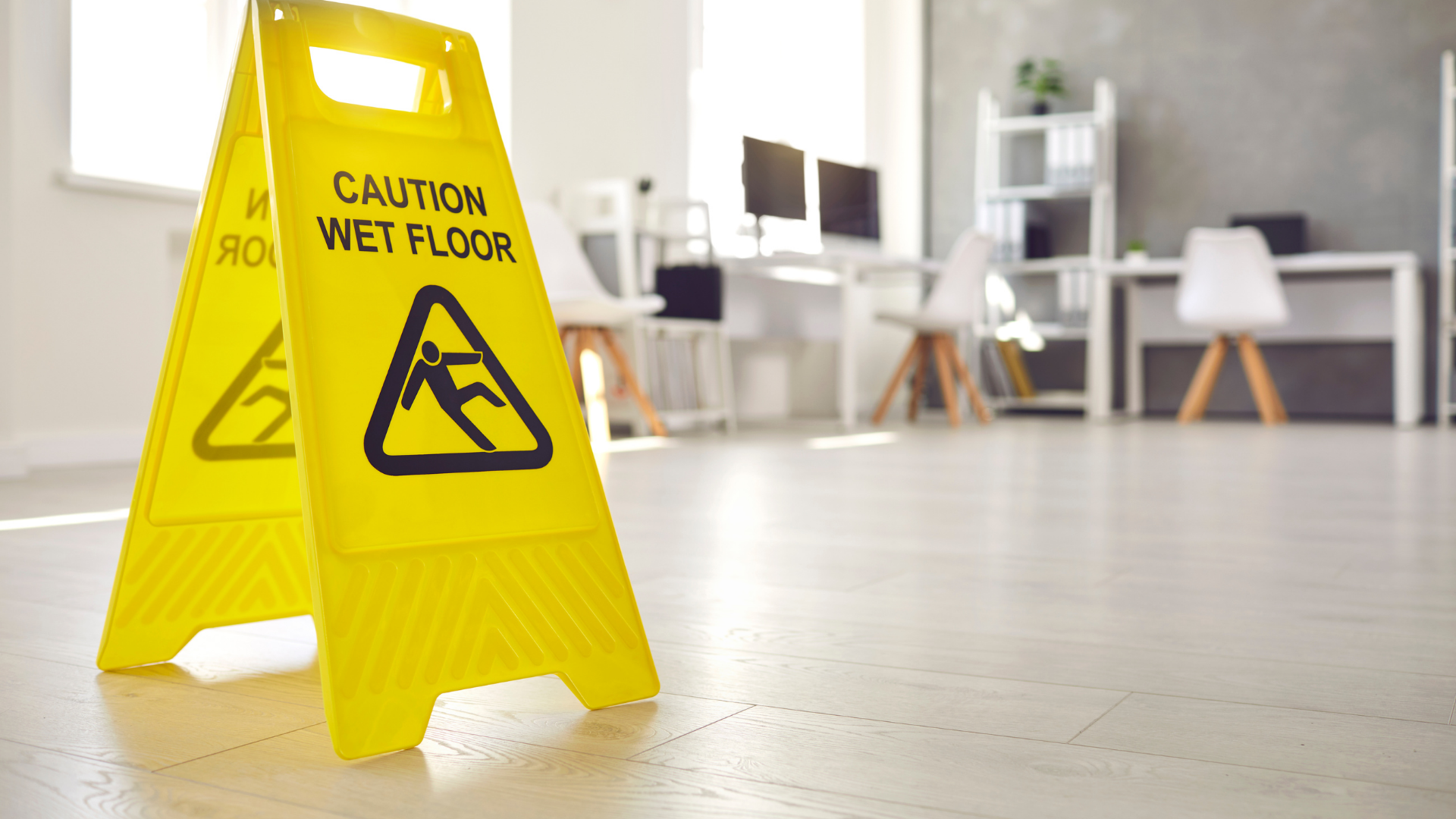
After a serious fall, do not let the property owner’s report become the only version of what happened. Justice On Demand can review the location, identify missing evidence, explain Arizona deadlines, and help you avoid insurance mistakes before they damage the claim.
A slip and fall accident lawyer in Flagstaff can help whether you fell at a hotel, store, restaurant, apartment complex, icy walkway, parking lot, public sidewalk, or business near Downtown Flagstaff, Milton Road, Route 66, or NAU.
Call Justice On Demand at (480) 934-0676 or contact us for a free consultation. We are open 24/7 and offers an initial 30-day satisfactory period, so you can get help quickly and decide your next step with less pressure.