
How Does a Queen Creek Motorcycle Accident Lawyer Get Your Crash Report, and What if It Blames You?
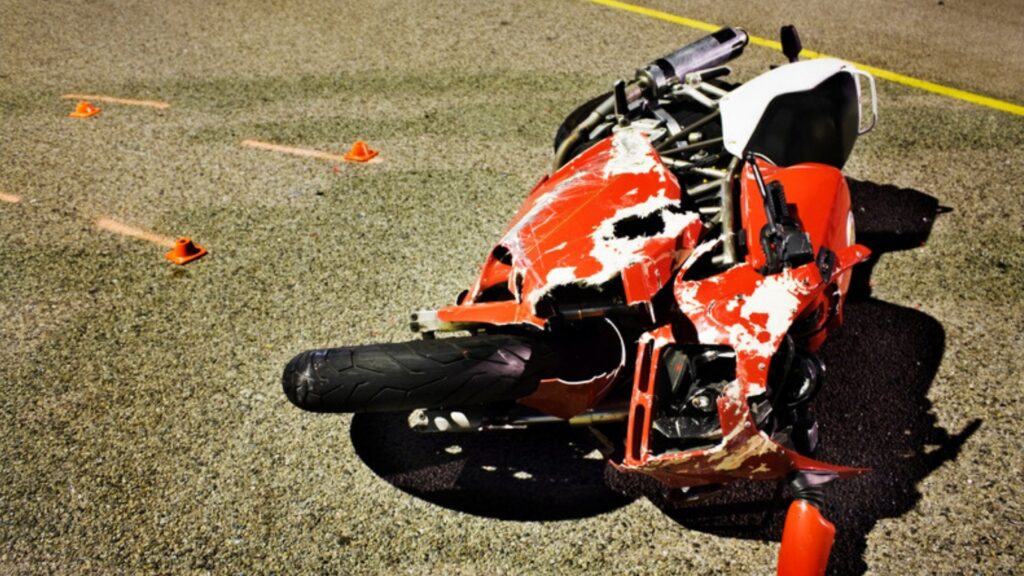
A Queen Creek motorcycle accident lawyer requests the crash report from the agency that investigated it. Inside town limits, that is usually the Queen Creek Police Department, which has patrolled the town since January 2022. Arizona law lets you and your attorney get the unredacted report. If it blames you, the evidence behind it can still be tested.
Justice On Demand is an Arizona personal injury firm that handles motorcycle, car, truck, rideshare, and slip and fall claims. It works from its office at 1148 W Baseline Rd, Mesa, AZ 85210, and takes cases from Queen Creek and across the East Valley. The firm is open 24/7, and consultations are free. So who wrote your report, and what does it say about you?
If you were hurt on a motorcycle in Queen Creek, call Justice On Demand at (480) 934-0676 for a free consultation. The line is answered 24 hours a day, and the first call costs nothing.
Which Agency Wrote Your Queen Creek Motorcycle Crash Report?
Every report request starts with one question. Who investigated the crash? A motorcycle accident lawyer in Queen Creek asks it in the first call, because the request can only go to that agency. Arizona’s notice statute, A.R.S. 28-666, sends an injury crash inside a municipality to the local police department. Outside a town, the notice goes to the county sheriff or the nearest highway patrol office.
That sounds simple until you look at a map. Queen Creek sits mostly in Maricopa County, but its town limits reach into Pinal County on the east and south. A short ride can cross town limits, a county line, and a state highway. Your mailing address does not decide which agency holds the report. The exact crash location does.
Queen Creek Police Department Inside Town Limits
For most of its history, Queen Creek had no police force of its own. The Maricopa County Sheriff’s Office policed the town from its incorporation in 1989 until the Queen Creek Police Department began patrolling on January 11, 2022. Any guide that still sends a Queen Creek rider to the sheriff for a town crash is out of date. Today, a crash on Ellsworth Road or Queen Creek Road inside town limits belongs to the town’s own department, including neighborhoods on the Pinal County side.
Arizona DPS Troopers on State Highways Near Town
State highways follow different rules. The Arizona Department of Public Safety keeps reports for collisions its troopers investigate on interstates and state highways. A crash on State Route 24, the Gateway Freeway that runs east from Loop 202 in Mesa, is typically a DPS report. DPS says it does not keep reports for crashes on town, city, or county roads, so a request sent there for a town crash stalls. Since November 2024, its Public Services Portal has auto-processed requests from people entitled to an unredacted report, generally within 48 hours. Email delivery costs $9.00.
Sheriff’s Offices on Unincorporated County Land
A Queen Creek mailing address does not always mean the crash happened inside the town. On unincorporated county land, the sheriff of that county takes the call. That is the Maricopa County Sheriff’s Office on one side of the line and the Pinal County Sheriff’s Office on the other. Each runs its own records unit. The agency name on any paperwork the officer handed you at the scene settles the question.
How to Request a Crash Report From Queen Creek Police
Getting the report is not hard once you know where to ask. The Queen Creek Police Department takes records requests through the town’s online records portal, reached from its police public records request page. Records staff send an estimate before they process video. Nothing moves until you accept it, so watch your email after you file.
A few details make the request faster. Have these ready before you open the portal.
- Write down the date, the time, and the nearest intersection of the crash.
- Find the incident or report number the officer gave you at the scene, if you have one.
- List the other driver’s name and the plate number of the vehicle that hit you.
- Be ready to state your role in the crash, since riders, owners, and their representatives qualify for the full report.
Missing one of these does not stop a request. It just means records staff may need more time to find the right file.
When the Written Report Becomes Available
Expect the written report before any video. Under Arizona’s crash report statute, the officer completes it within 24 hours after finishing the investigation. That clock starts when the investigation ends, not when the crash happens, and a serious injury crash can stay under investigation longer. A report matters even more when the driver fled, and the firm’s page on hit-and-run accident claims explains how those cases work.
What the Queen Creek Police Fee Schedule Charges
The department’s records fee schedule took effect on January 1, 2024. The prices are low, and the most useful records are not always the written ones. The schedule says victims receive their police report, body-worn camera footage, and miscellaneous video at no charge. Ask records staff whether that waiver covers you when you file. Everyone else pays the standard rates below.
The $5 Report and the $10 Certified Copy
A copy of the original police report with attachments costs $5.00. A certified copy costs $10.00. The certified version can matter later, because a court filing or an arbitration may call for a copy the records custodian has certified. Records go out by email when possible.
Body-Worn Camera Video at $46 an Hour
Body-worn camera footage costs $46.00 per hour of video, which adds up when several officers responded. It is often worth it. Camera video can capture what the other driver said in the first minutes, before any adjuster called. It also shows the bike, the road surface, and the light at the time of the crash.
911 Calls and Dispatch Audio at $10
The schedule prices 911 audio, dispatch audio, and photographs at $10.00 each. A witness who called 911 may have described the turning car before any officer arrived. Ask for audio early. Agencies keep recordings on retention schedules, and DPS keeps its 911 and dispatch radio recordings for one calendar year.
Who Arizona Law Lets See the Unredacted Crash Report
Not everyone gets the same version of a crash report. Arizona Revised Statutes section 28-667 decides who sees the full, unredacted copy, and the list is broader than most riders expect. On request, the investigating agency must provide one to these people.
- A person involved in the crash, or the owner of a vehicle involved in it, can get the full report.
- A representative of that person or owner can get it on their behalf.
- An insurer of a person or vehicle in the crash can get it for claims work.
- A licensed attorney or private investigator representing someone involved can get it for a civil case.
Read that list again. The insurer for the driver who hit you is entitled to the same report you are, and it can read it the day it is released.
How Your Lawyer’s Request Fits the Statute
When you hire a lawyer, the request goes out under the attorney category in section 28-667. That category covers a lawyer representing a person involved in the crash in a civil, administrative, or arbitration proceeding. It also covers investigation in anticipation of litigation. So the request can go out in the first week, long before any lawsuit is filed, and you never have to file it yourself.
When an Agency Can Hold Back or Redact the Report
The right to a full copy has limits, and both appear in the same statute. One screens out people who want reports to sell services. The other protects criminal cases that grow out of a crash. Neither is a reason to give up on the report, but each can slow it down. Knowing which limit applies tells you whether to wait or to push.
Requests Made for Commercial Solicitation
An agency may not release a crash report to anyone who wants it for a commercial solicitation purpose. The statute defines that as a request from someone with no relationship to a party and no reason other than soliciting business. The agency may require a statement, under penalty of perjury, that the report is not for that purpose. An injured rider clears that test, though the agency may still ask.
Reports Tied to a Criminal Case
Some motorcycle crashes lead to criminal charges against the other driver, such as DUI or leaving the scene of an injury crash. Section 28-667 then adds two more rules. They protect the people named in the criminal case and the investigation itself. Here is what each rule does to your copy of the report.
Victim Information Redacted Under A.R.S. 13-4434
If the report shows that a criminal complaint was issued, the agency redacts the victim’s personal identifying information before release. That rule applies even to requests from involved parties and their attorneys. Section 13-4434 is the victim privacy statute the redaction follows. Blacked-out names or addresses in that situation are not an error.
Denials That Protect an Active Investigation
A law enforcement agency may deny a request for an unredacted report if release would harm a criminal investigation. That can happen while prosecutors decide on charges after a serious crash. The denial is about timing, not about your right to the report. A lawyer can track the case and renew the request when the investigation closes.
What an Arizona Crash Report Says About the Rider
Every agency in this story fills out the same form. A.R.S. 28-669 requires crash reports on a form the Arizona Department of Transportation approves. The department’s instruction manual defines every box, and its 13th edition, revised in August 2023, is where the codes on your report come from.
Most riders skim the narrative and miss the boxes. The boxes are what the department tabulates under A.R.S. 28-670, and an adjuster can scan them in seconds. The manual describes several of those entries as the officer’s opinion or judgment. A single checkbox can follow a motorcycle claim for months.
The Officer’s Violation and Behavior Codes
Element 22 on the Arizona form records each driver’s violation or behavior, and the rider gets a code too. The manual says code 1, No Improper Action, reflects the officer’s judgment that a driver took no improper action. Every other code names something the officer thought a driver did wrong. Two of those codes matter most after a motorcycle crash.
Speed Too Fast for Conditions Versus Exceeded Lawful Speed
These are separate codes, and the difference matters. Code 3, Exceeded Lawful Speed, means a vehicle went over the posted limit. Code 2, Speed Too Fast for Conditions, means the officer judged the speed unsafe for the road, weather, or traffic. A rider coded 2 was not necessarily speeding at all. An adjuster who calls it speeding is reading the box wrong.
Failed to Yield on a Left Turn Across Your Lane
Picture a driver turning left from Ellsworth Road across your lane. The manual codes a driver who failed to yield as code 20, Failed to Yield Right-of-Way. It also says code 7, Made Improper Turn, does not cover right-of-way violations when the turn itself was made properly. A report that gives that driver neither code deserves a second look.
Helmet and Eye Protection Entries
The form also records each rider’s safety equipment. Code 10 means No Helmet, and code 11 means a DOT-compliant motorcycle helmet. Code 12 covers helmets that are not DOT-compliant, including novelty helmets. For an adult, a No Helmet entry records equipment, not a violation. Under A.R.S. 28-964, Arizona requires helmets only for riders and passengers under 18. The same statute requires every operator to wear glasses, goggles, or a face shield unless the bike has a protective windshield.
The Narrative, the Diagram, and the Witness List
The continuation form, 01-2704C, holds the crash diagram and the officer’s narrative. The state manual says that narrative space doubles as a supplemental form for assisting officers who collect witness statements. A separate occupant supplement, form 01-2712, adds passengers, citations, or witnesses who did not fit on the first page. If a witness stopped at the scene and is missing from both, that gap matters.
What a Queen Creek Motorcycle Accident Lawyer Does When the Report Blames You
So the report puts the crash on you. Now what? Start by separating the facts from the opinions. A wrong plate number, a wrong direction of travel, or a missing witness is a factual error. A violation code is the officer’s call, and the manual labels contributing circumstances as the investigating officer’s opinion.
Facts can often be corrected. Opinions get answered with evidence. How far either one moves depends on what the record shows, and a lawyer has to review that record before saying anything about the outcome of your claim.
Asking the Officer for a Supplement
Arizona’s report statute lets an officer complete the report after the crash by interviewing participants or witnesses. A rider taken from the scene by ambulance may never have given a statement. A request to add a supplemental statement, sent to the officer through the agency, puts your account in the file. The agency decides whether to amend anything, so keep the request short, factual, and backed by proof.
Evidence That Answers the Officer’s Opinion
When the opinion stays, the evidence does the arguing. Adjusters and juries can weigh far more than one officer saw at the scene. These are the records a motorcycle case usually adds.
- Body-worn camera video can show statements and scene conditions the narrative left out.
- Audio from 911 and dispatch can capture a witness describing the crash minutes after it happened.
- Doorbell and business cameras along Ellsworth Road or Queen Creek Road may hold video, though many overwrite it quickly.
- Damage to the motorcycle and to your helmet can show the angle and force of the impact.
- Witnesses missing from the report can give statements that fill gaps in the narrative.
Not every file has all five. Which records exist depends on the crash and on how fast someone asks.
Why Blame on a Report Does Not End a Motorcycle Claim
The report is not the verdict. Arizona’s comparative negligence statute, A.R.S. 12-2505, leaves fault to the jury and reduces damages by the rider’s share instead of barring the claim. Under that rule, a rider found 30% at fault can still recover the other 70% of proven damages. Under A.R.S. 28-903, every motorcycle is entitled to the full use of a lane, and no driver may crowd a bike out of it. If filtering between stopped cars is part of your story, the firm’s article on whether lane filtering is legal in Arizona covers that rule.
Questions Riders Ask About Queen Creek Crash Reports
These questions come up in first calls after a motorcycle crash in Queen Creek. The answers are general information, not a prediction for your case. Your report, your injuries, and the agency involved all change the details. A lawyer checks those details before saying what a report means for a claim.
How Long Does a Queen Creek Crash Report Take?
The officer completes the written report within 24 hours after finishing the investigation, under A.R.S. 28-667. Release can take longer, because the investigation itself may stay open after a serious crash. DPS reports for state highway crashes generally arrive within 48 hours of an online request from someone entitled to the full copy.
Does Waiting for the Report Pause My Deadline?
No. A.R.S. 12-542 gives you two years from the crash to file an injury lawsuit. A claim involving a public entity, such as a Town of Queen Creek vehicle, needs a notice of claim within 180 days under A.R.S. 12-821.01. Neither clock waits for paperwork.
Can the Other Driver’s Insurer See My Crash Report?
Yes. Section 28-667 lets an insurer of a person or vehicle involved in the crash get the unredacted report for claims work. The adjuster may already know what the report says when the first call comes.
Does a Ticket for the Other Driver Prove My Claim?
A citation helps, but it is not a finding in your injury claim. The citation is decided in its own proceeding, while fault in a civil case goes to a jury under A.R.S. 12-2505. A lawyer treats the citation as one piece of evidence among several.
What if I Was Not Wearing a Helmet in Queen Creek?
Arizona requires helmets only for riders under 18, so an adult without one broke no helmet law. Insurers sometimes argue that a helmet would have reduced a head injury. Under A.R.S. 12-2505, any fault assigned to you reduces damages rather than ending the claim, and how a helmet argument plays out depends on the injury and the medical proof.
Talk to a Queen Creek Motorcycle Accident Lawyer About Your Crash Report
A crash report is the first thing everyone reads and the easiest thing to misread. A Speed Too Fast for Conditions box, a missing witness, or a helmet code can follow a claim for months. The fix starts with getting the full report early, along with the video and audio behind it.
Justice On Demand handles motorcycle crash claims across Queen Creek and the East Valley from its office at 1148 W Baseline Rd, Mesa, AZ 85210. A Queen Creek motorcycle accident lawyer at the firm requests the report from the right agency, reads every code, and gathers the evidence the officer did not have. You can read more about the firm’s local work on its Queen Creek personal injury page, or see how it handles motorcycle accident claims across Arizona.
Call Justice On Demand at (480) 934-0676 for a free consultation. The firm is open 24/7, and new clients get an initial 30-day satisfactory period. You can also send the details of your crash through the contact page.